Prevention from Suicide, Addiction, Narcotics and Pollution. Withdrawal and Recovery Facts of Narcotics | Symptoms of Suicidal thoughts & Ideations | Effects of Environment Pollution | Understand Addiction withdrawal
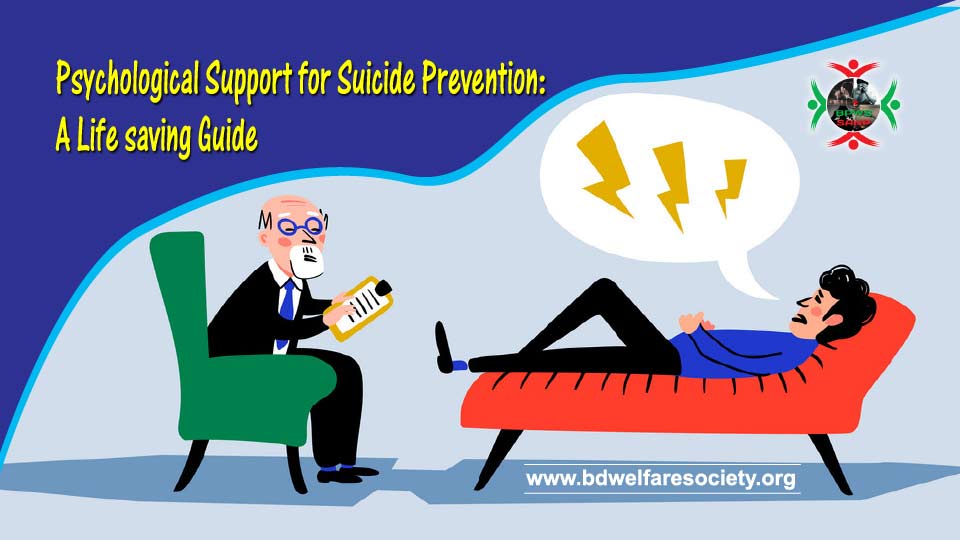
Psychological support for suicide prevention involves professional counseling and emotional assistance. It provides coping strategies and addresses underlying issues.
Psychological support for suicide prevention plays a crucial role in suicide prevention. Professional counseling helps individuals navigate emotional distress and mental health challenges. Trained therapists offer coping strategies and interventions tailored to the individual’s needs. Emotional assistance from family and friends is also vital.
They provide a support system that encourages open communication and reduces feelings of isolation. Early intervention and consistent support significantly reduce the risk of suicide. Creating a safe and understanding environment fosters hope and resilience. Prioritizing mental health awareness and accessible resources ensures that those in need receive timely help. This holistic approach is essential for effective suicide prevention.
Importance Of Psychological Support
Psychological support is crucial for suicide prevention. Many people face challenges that may lead them to consider suicide. The right psychological support can save lives. It helps individuals cope with their emotions and find hope. This support can come from therapists, counselors, or support groups. The importance of psychological support cannot be overstated. It offers a lifeline to those in need and promotes mental well-being.
What Are The Benefits Of Psychological Support?
Psychological support provides many benefits. It helps individuals manage their feelings and thoughts. This support can reduce feelings of isolation and loneliness. Here are some key benefits:
- Emotional Relief: Talking about feelings can lighten the emotional load.
- Better Coping Skills: Learning new ways to handle stress and challenges.
- Increased Self-Esteem: Building confidence and self-worth.
- Support Network: Creating connections with others who understand.
- Hope for the Future: Finding reasons to keep going.
Many people feel better after sharing their thoughts. A support network can provide a sense of belonging. It also offers practical advice for dealing with problems. Regular sessions with a therapist can improve mental health over time. Support groups allow sharing experiences and learning from others. This collective wisdom can be very empowering.
Impact On Mental Health
Psychological support has a significant impact on mental health. It helps reduce symptoms of depression and anxiety. This support can also decrease suicidal thoughts. Here are some ways it impacts mental health:
- Reduced Anxiety: Techniques for calming the mind.
- Improved Mood: Strategies to lift spirits and feel better.
- Better Sleep: Tips for getting restful sleep.
- Healthier Relationships: Advice for improving interactions with others.
People who receive psychological support often report feeling more balanced. They learn how to handle negative thoughts and emotions. This can lead to a more stable and happy life. Therapy can teach mindfulness and other techniques to stay grounded. Support groups provide a safe space to share and learn. Together, these can make a big difference in mental health.
Role In Recovery
The role of psychological support in recovery is vital. It helps individuals rebuild their lives and find new purpose. Here are some key roles it plays in recovery:
- Guidance: Professional advice to navigate life’s challenges.
- Encouragement: Positive reinforcement to keep going.
- Skill Building: Learning new ways to cope and thrive.
- Relapse Prevention: Strategies to avoid falling back into old patterns.
Psychological support helps set goals and create a plan for the future. It offers tools to handle setbacks and continue moving forward. Support from others who have been through similar experiences can be incredibly motivating. Regular check-ins with a therapist ensure steady progress. Building a support network can provide ongoing encouragement and assistance.
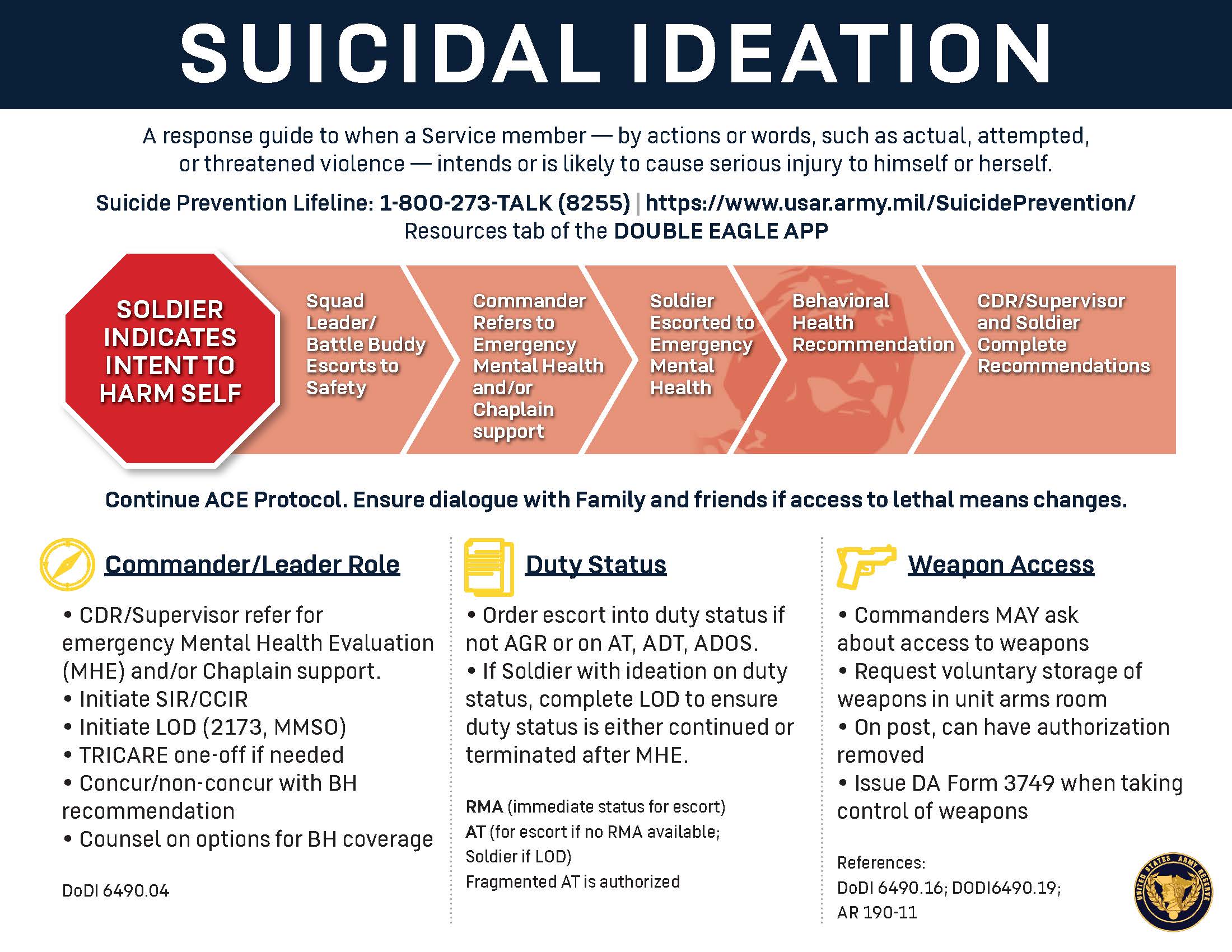
Credit: www.usar.army.mil
Types Of Psychological Support
Psychological support is crucial for suicide prevention, offering various ways to help individuals in distress. Different types of psychological support can provide life-saving assistance. Let’s explore the key forms of psychological support available.
Therapeutic Approaches
Several therapeutic approaches can help individuals dealing with suicidal thoughts. These therapies provide tools and strategies to manage emotions and thoughts effectively. Here are some common therapeutic approaches:
- Cognitive Behavioral Therapy (CBT): CBT focuses on changing negative thought patterns and behaviors. It helps individuals develop coping strategies.
- Dialectical Behavior Therapy (DBT): DBT is effective for individuals with borderline personality disorder. It teaches skills like mindfulness and emotional regulation.
- Interpersonal Therapy (IPT): IPT addresses issues in relationships that might contribute to suicidal thoughts. It aims to improve communication and relationship skills.
- Psychodynamic Therapy: This therapy explores unconscious processes influencing behavior. It helps individuals understand unresolved conflicts and emotions.
- Solution-Focused Brief Therapy (SFBT): SFBT emphasizes solutions rather than problems. It encourages individuals to envision a preferred future and identify steps to achieve it.
Community Resources
Community resources play a vital role in providing psychological support. These resources are often accessible and can offer immediate help. Some key community resources include:
- Hotlines and Helplines: Many organizations provide 24/7 crisis hotlines. These helplines offer immediate support and guidance.
- Support Groups: Support groups provide a safe space for individuals to share experiences and feelings. They foster a sense of community and understanding.
- Online Forums: Online forums and chat rooms allow individuals to connect with others anonymously. They can discuss their feelings and receive support from peers.
- Community Mental Health Centers: These centers offer affordable mental health services. They provide counseling, therapy, and psychiatric care.
- School and Workplace Programs: Many schools and workplaces have mental health programs. These programs offer counseling and support to students and employees.
5 Main Benefits Of Psychological Counseling
Psychological counseling offers numerous benefits for individuals struggling with suicidal thoughts. Here are five main benefits:
- Emotional Support: Counseling provides a safe space to express feelings. It offers support from a compassionate professional.
- Problem-Solving Skills: Counseling helps develop effective problem-solving skills. It teaches individuals how to tackle challenges constructively.
- Stress Reduction: Through counseling, individuals learn stress management techniques. This reduces anxiety and improves overall well-being.
- Improved Relationships: Counseling addresses relationship issues. It enhances communication skills and fosters healthier relationships.
- Self-Awareness: Counseling increases self-awareness and understanding. It helps individuals recognize their strengths and areas for improvement.
Identifying Risk Factors
Psychological support for suicide prevention is crucial. Understanding and identifying risk factors help save lives. By recognizing these signs early, you can offer the necessary support. This section explores the common indicators, personal and environmental factors, and warning signs associated with suicide risk.
Common Indicators
Identifying common indicators of suicide risk helps in early intervention. These indicators often show up in behavior, mood, and speech. Keep an eye on the following:
- Talking about wanting to die or to kill oneself.
- Feeling hopeless or having no purpose.
- Withdrawing from friends, family, and society.
- Experiencing extreme mood swings. This can include episodes of euphoria followed by deep depression.
- Increased substance use such as alcohol or drugs.
These signs often appear together. A person showing multiple indicators needs immediate attention and support.
Personal And Environmental Factors
Personal and environmental factors significantly influence suicide risk. These factors can be divided into two categories:
| Personal Factors | Environmental Factors |
|---|---|
|
|
Understanding these factors helps in providing targeted support. It also aids in creating a supportive environment for those at risk.
Warning Signs
Recognizing warning signs is key to preventing suicide. These signs can be subtle or overt. Look for:
- Talking about feeling trapped or in unbearable pain.
- Expressing feelings of being a burden to others.
- Unusual behavior such as giving away prized possessions.
- Increased risk-taking behaviors like reckless driving.
- Changes in sleep patterns—either sleeping too little or too much.
Immediate action is necessary if you notice these signs. Encourage open conversations about mental health and seek professional help when needed.

Effective Communication Strategies
Psychological support for suicide prevention relies on effective communication strategies. It’s crucial to ensure individuals feel heard and supported. Implementing the right techniques can make a significant difference. These strategies include listening techniques, empathy in conversations, and specific mental health communication strategies. Let’s delve into these approaches.
Listening Techniques
Active listening is pivotal in suicide prevention. It shows the individual that you truly care and understand their struggles. Here are some effective listening techniques:
- Maintain eye contact: This shows you are engaged and attentive.
- Nod occasionally: This indicates you are following the conversation.
- Avoid interruptions: Let the individual speak without cutting them off.
- Reflective listening: Repeat back what they say to show comprehension.
- Ask open-ended questions: Encourage them to share more about their feelings.
Effective listening builds trust. It helps the person feel validated and understood. For example:
| Technique | Example |
|---|---|
| Reflective listening | “I hear you saying that you’re feeling overwhelmed.” |
| Open-ended questions | “Can you tell me more about what’s been troubling you?” |
Empathy In Conversations
Empathy is about understanding and sharing the feelings of another. Empathetic conversations are essential in supporting those at risk of suicide:
- Show genuine concern: Use phrases like “I care about you.”
- Acknowledge their feelings: Say “It’s okay to feel this way.”
- Be patient: Give them time to express their emotions.
- Use non-verbal cues: A gentle touch or a warm smile can convey empathy.
Empathy can break down barriers. It fosters a safe environment for sharing. Here are some empathetic responses:
| Response | Why it works |
|---|---|
| “It sounds like you’re going through a lot.” | Validates their feelings. |
| “I’m here for you, no matter what.” | Offers unwavering support. |
Effective Communication Strategies For Mental Health
Effective communication strategies for mental health involve clear, supportive, and non-judgmental interactions. Here are some key strategies:
- Use simple language: Avoid jargon that might confuse the person.
- Stay calm: Keep your tone steady to avoid escalating anxiety.
- Be honest: Provide truthful information, even if it’s difficult.
- Set boundaries: Clearly define what you can and cannot do to help.
- Follow up: Check in regularly to show ongoing support.
These strategies create an atmosphere of trust and openness. Consider the following examples:
| Strategy | Example |
|---|---|
| Simple language | “Can you tell me more about what’s going on?” |
| Honesty | “I might not have all the answers, but I’m here to listen.” |
5 Steps Of Effective Communication Strategy
Following a structured approach ensures consistency in providing support. Here are the five steps of an effective communication strategy:
- Identify the need: Recognize signs that someone needs help.
- Initiate the conversation: Approach them gently and express your concern.
- Listen actively: Use the listening techniques mentioned above.
- Respond empathetically: Show empathy through your words and actions.
- Follow up: Stay connected and check in regularly to offer continued support.
These steps ensure a comprehensive approach. Here is a quick overview:
| Step | Description |
|---|---|
| Identify the need | Recognize signs of distress. |
| Initiate the conversation | Approach with care. |
| Listen actively | Use effective listening techniques. |
| Respond empathetically | Show genuine concern. |
| Follow up | Maintain regular contact. |
Crisis Intervention Techniques
Suicide prevention is a critical aspect of mental health care. Effective crisis intervention techniques can save lives. These methods provide immediate support and help individuals navigate through their darkest moments. Understanding and implementing these techniques can make a significant difference.
Psychological First Aid (pfa)
Psychological First Aid (PFA) offers immediate emotional support to individuals in crisis. PFA helps stabilize emotions and promotes a sense of safety. It is crucial in the first hours and days following a traumatic event.
Key steps in PFA include:
- Listening: Provide an open, non-judgmental ear.
- Comforting: Offer a calm presence and reassurance.
- Connecting: Link individuals to needed resources and support networks.
PFA aims to reduce stress and improve coping strategies. It is not a substitute for long-term therapy but serves as an immediate response to distress.
Cognitive Behavioral Techniques (cbt)
Cognitive Behavioral Techniques (CBT) are effective in managing suicidal thoughts. CBT helps individuals recognize and change negative thought patterns. These techniques focus on problem-solving and coping skills.
Key components of CBT include:
- Identifying negative thoughts: Recognize harmful thinking patterns.
- Challenging these thoughts: Question the validity of negative thoughts.
- Developing healthier thinking: Replace negative thoughts with positive ones.
CBT also includes behavioral strategies to manage stress and improve mental health. It empowers individuals to take control of their thoughts and emotions, reducing the risk of suicide.
Safety Planning
Safety Planning is a proactive approach to suicide prevention. It involves creating a personalized plan to keep individuals safe during a crisis. The plan includes identifying warning signs and coping strategies.
A typical safety plan has:
- Warning signs: Recognize early signs of distress.
- Internal coping strategies: Activities to distract and calm oneself.
- External support: Friends or family to contact in a crisis.
- Professional help: Contact information for therapists or hotlines.
- Safe environment: Steps to make the environment safer.
Safety plans are collaborative efforts between individuals and their support network. They provide a clear, actionable guide to follow during crises.
Immediate Response Methods
Immediate response methods are critical in suicide prevention. These methods offer urgent support to individuals in immediate danger. They include:
- Hotlines: 24/7 crisis helplines provide immediate assistance.
- Crisis intervention teams: Trained professionals respond to emergencies.
- Emergency services: Hospitals and emergency rooms offer urgent care.
Immediate response methods ensure that individuals receive the help they need without delay. They are essential for stabilizing situations and preventing harm.
Establishing A Support System
Establishing a support system is vital for long-term suicide prevention. A strong support system provides ongoing emotional and practical assistance. Key components include:
- Family and friends: Trusted individuals who offer love and support.
- Therapists and counselors: Professionals who provide regular mental health care.
- Support groups: Peer groups for shared experiences and encouragement.
A robust support system ensures that individuals do not feel alone. It provides continuous care and monitoring, reducing the risk of suicide.
In summary, crisis intervention techniques like PFA, CBT, safety planning, immediate response methods, and a strong support system can save lives. They offer immediate and long-term support to individuals facing suicidal thoughts.
Credit: www.aha.org
Role Of Professionals
Suicide prevention is a critical issue that requires a multi-faceted approach. Professionals play a vital role in providing the necessary psychological support to individuals at risk. They employ various techniques and strategies to help those in need, offering the emotional and mental assistance required to navigate difficult times. Their expertise and dedication can make a significant difference in saving lives.
Psychologists
Psychologists are essential in suicide prevention. They use their expertise to identify warning signs and intervene early. They conduct detailed assessments to understand the individual’s mental state and underlying issues. This information helps them create personalized treatment plans.
- Therapy Sessions: Psychologists offer one-on-one therapy to address depression, anxiety, and other mental health issues.
- Cognitive Behavioral Therapy (CBT): This therapy helps individuals change negative thought patterns and behaviors.
- Crisis Intervention: Psychologists provide immediate support during a mental health crisis to stabilize the individual.
Psychologists work in various settings such as hospitals, clinics, and private practices. They also collaborate with other professionals to ensure comprehensive care. Their role is not just limited to therapy; they are also involved in research and advocacy to improve mental health policies and practices.
| Setting | Role |
|---|---|
| Hospitals | Emergency support and ongoing therapy |
| Clinics | Regular therapy sessions and assessments |
| Private Practices | Personalized care and long-term support |
Counselors And Social Workers
Counselors and Social Workers are crucial in providing emotional support and practical assistance. They work closely with individuals to build coping strategies and life skills. This helps individuals manage stress and reduce the risk of suicide.
- Supportive Counseling: Counselors offer a safe space for individuals to express their feelings and concerns.
- Resource Connection: Social workers connect individuals with community resources like support groups and financial assistance.
- Crisis Management: Both professionals are trained to handle immediate crises and provide short-term solutions.
They also play a significant role in education and awareness. They conduct workshops and seminars to educate the community about mental health and suicide prevention. Their work extends to schools, workplaces, and community centers, making mental health support more accessible.
Counselors and Social Workers often collaborate with families to create a supportive environment for the individual. They help in addressing social issues that may contribute to mental health problems. Their holistic approach ensures that all aspects of the individual’s life are considered.
Community Involvement
Suicide prevention is a critical issue. Communities play a vital role in this effort. Community involvement brings people together to offer support and spread awareness. This collective approach can save lives. It ensures that no one feels alone. Let’s explore how communities can help through support groups and awareness campaigns.
Support Groups
Support groups provide a safe space for those in need. They allow individuals to share their feelings and experiences. This sense of community can be incredibly healing. Support groups are often led by trained facilitators. These facilitators ensure that each session is productive and supportive.
Support groups offer various benefits:
- Emotional support from peers who understand
- Practical advice on coping strategies
- A sense of belonging and community
- Reduced feelings of isolation and loneliness
Here is a table summarizing the key features of support groups:
| Feature | Benefit |
|---|---|
| Peer Support | Understanding and empathy |
| Trained Facilitators | Guidance and structure |
| Safe Environment | Open and honest sharing |
| Coping Strategies | Practical advice |
Support groups can be found in community centers, schools, and online platforms. They are often free or low-cost. This makes them accessible to everyone in need. Joining a support group can be a crucial step in someone’s healing journey.
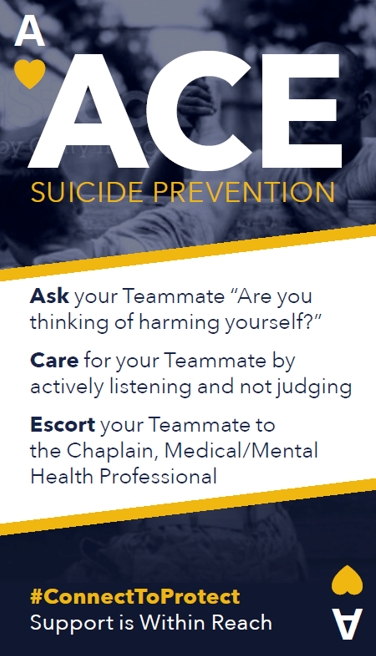
Credit: www.resilience.af.mil
Awareness Campaigns
Awareness campaigns educate the public about suicide prevention. They aim to reduce stigma and encourage open conversations. Effective campaigns reach a wide audience and provide valuable information. They often involve various activities and events.
Components of a successful awareness campaign:
- Educational materials like brochures and flyers
- Workshops and seminars on mental health
- Social media campaigns to reach younger audiences
- Community events like walks and fundraisers
Many awareness campaigns collaborate with local organizations. These partnerships can amplify their reach and impact. Schools, businesses, and healthcare providers often participate. They help spread the message and offer resources.
Here is a list of potential partners for awareness campaigns:
- Local schools and universities
- Healthcare providers and clinics
- Community centers and libraries
- Local businesses and sponsors
Raising awareness can change lives. It can encourage those struggling to seek help. It can also educate the public on how to support others. Awareness campaigns are a powerful tool in the fight against suicide.
Long-term Support Solutions
Psychological support for suicide prevention is crucial in saving lives. Immediate interventions are important, but long-term support solutions are essential. These solutions help individuals build resilience and maintain mental health over time. This section explores two key aspects of long-term support: Follow-Up Care and Continued Engagement.
Follow-up Care
Follow-up care is vital for individuals recovering from a suicide attempt. It ensures they don’t feel abandoned. Regular check-ins can make a big difference. Follow-up care includes:
- Scheduled Therapy Sessions: These sessions help monitor progress and address new issues.
- Medication Management: Ensuring medications are taken correctly and adjusted as needed.
- Support Groups: These groups provide a safe space to share experiences and feelings.
A table can be helpful for tracking follow-up care:
| Week | Activity | Notes |
|---|---|---|
| 1 | Therapy Session | Discuss immediate concerns |
| 2 | Medication Check | Adjust dosage if needed |
| 3 | Support Group | Share and listen |
Regular follow-up care helps individuals feel supported. It also provides a structure to their recovery. This reduces the risk of relapse and promotes long-term mental health.
Continued Engagement
Continued engagement involves staying connected over time. This connection can come from family, friends, or professionals. Key aspects of continued engagement include:
- Regular Check-Ins: A simple call or message can show you care.
- Community Activities: Joining clubs or groups fosters a sense of belonging.
- Online Resources: Websites and apps offer support and information.
Continued engagement helps maintain a support network. It reduces feelings of isolation. Consistent interaction can provide emotional stability. A few ways to stay engaged include:
- Monthly Meetups: Regular in-person meetings strengthen connections.
- Social Media Groups: Online communities offer constant support.
- Volunteer Work: Helping others can boost self-worth and purpose.
Active engagement ensures that individuals feel valued and supported. This ongoing support is crucial for long-term mental health and suicide prevention.
Frequently Asked Questions
What Are Suicide Interventions?
Suicide interventions are strategies to prevent suicide. They include therapy, hotlines, medication, and support groups. Early detection and treatment are crucial.
Can You Prevent Suicide?
Yes, suicide can be prevented. Support from friends, family, and mental health professionals is crucial. Encourage open conversations and seek help immediately. Early intervention and treatment can save lives.
What Is Bark Suicide Prevention?
Bark suicide prevention is a tool that monitors social media, texts, and emails for signs of suicidal thoughts. It alerts parents and schools to potential risks, helping to prevent tragedies.
What Is Yellow Ribbon Suicide Prevention?
Yellow Ribbon suicide prevention is a program aimed at reducing youth suicide through education, awareness, and community support. It provides resources and tools to help individuals recognize warning signs and seek help. The initiative encourages open dialogue about mental health and promotes access to care.
Conclusion
Psychological Support for Suicide Prevention. Accessible mental health resources can save lives. Encourage open conversations about mental health. Everyone deserves to feel heard and supported. Together, we can make a difference and build a more compassionate community.
Remember, seeking help is a sign of strength, not weakness.