Prevention from Suicide, Addiction, Narcotics and Pollution. Withdrawal and Recovery Facts of Narcotics | Symptoms of Suicidal thoughts & Ideations | Effects of Environment Pollution | Understand Addiction withdrawal
 Is Killing Yourself a Sin? Exploring Faith, Theology, and Compassion
The question of whether taking one’s own life is a sin is one of the most profound and painful inquiries a person can make. It sits at the uncomfortable intersection of deep theological doctrine, immense human suffering, and the complex reality of mental health. For centuries, religious institutions have held firm answers, but as our understanding of the human mind evolves, so too does the conversation within faith communities.
This is not merely an academic debate. For many, it is a personal struggle involving loved ones, grief, and the search for hope amidst despair. To address this question honestly, we must look at traditional religious teachings while also considering the nuances of mental illness and the overwhelming call for compassion found in almost every spiritual tradition.
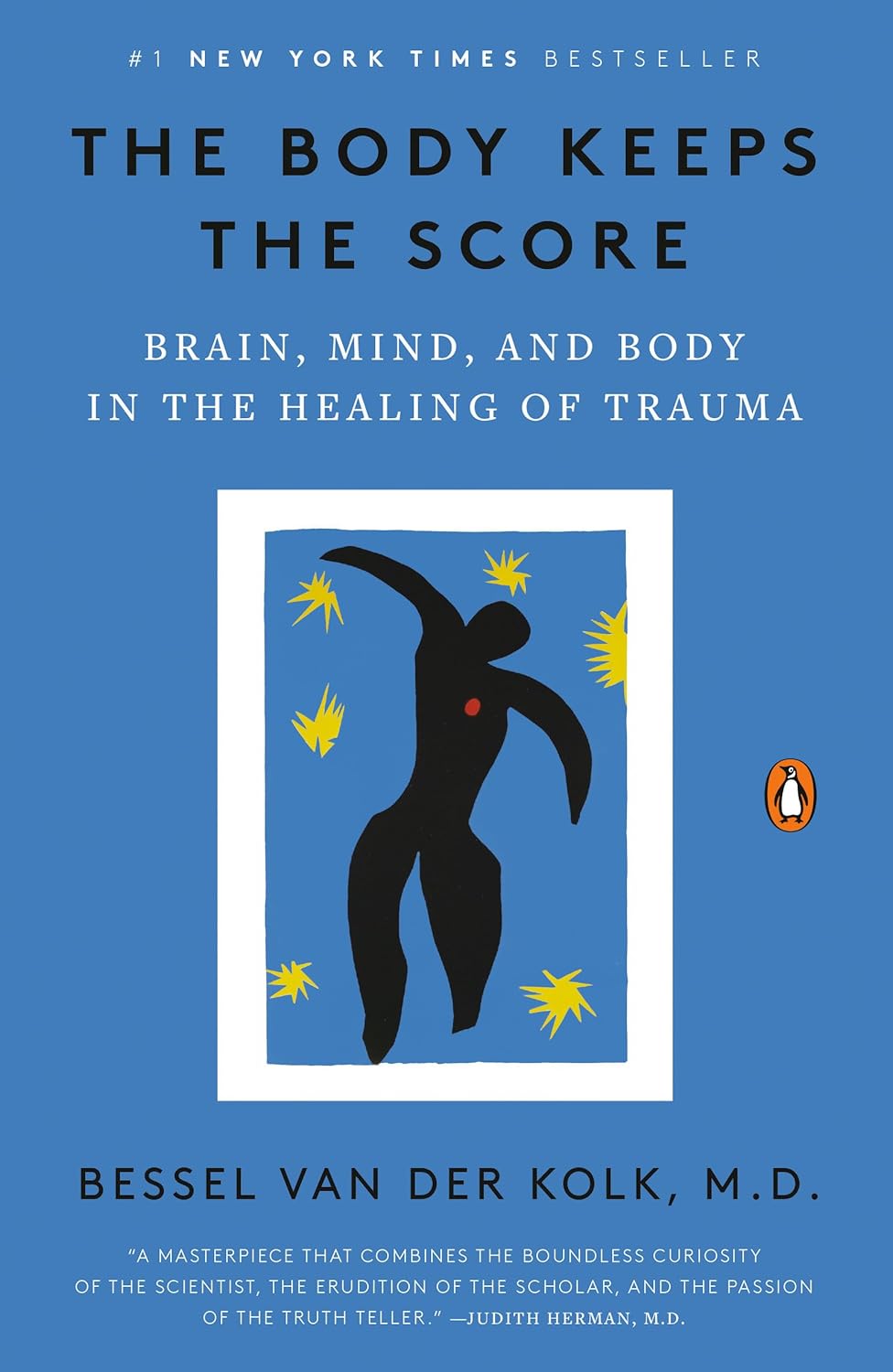
The Body Keeps the Score: Brain, Mind, and Body in the Healing of Trauma
by Bessel van der Kolk, M.D.
#1 New York Times Bestseller
A groundbreaking book that transforms how we understand trauma, healing, and the deep connection between the brain, mind, and body.
Written by one of the world’s leading trauma experts, The Body Keeps the Score explains how traumatic experiences don’t just affect the mind they physically reshape the brain and body. Dr. Bessel van der Kolk shares over 30 years of research and real-life case studies to show how trauma impacts our emotions, relationships, and ability to feel safe.
This powerful book also explores modern healing methods such as meditation, yoga, neurofeedback, drama, and movement therapy offering real hope and practical paths to recovery.
Why You Should Read This Book:
✔ Understand how trauma affects the brain and body
✔ Learn science-backed healing techniques
✔ Discover the power of neuroplasticity
✔ Gain tools for emotional resilience and recovery
✔ Essential for mental health awareness and self-growth
A must-read for anyone interested in mental health, trauma recovery, psychology, or personal development.
Buy on Amazon: Buy Now
Traditional Religious Perspectives
Across history, major world religions have generally viewed suicide as a violation of the sacredness of life. However, the reasoning and the severity of this view vary significantly between traditions.
Christianity
Historically, mainstream Christianity—including Catholicism, Orthodoxy, and many Protestant denominations—has taught that life is a gift from God, and therefore, only God has the authority to end it. The Sixth Commandment, “You shall not murder,” is often cited as the foundational scriptural basis against self-destruction. In earlier centuries, those who died by suicide were sometimes denied Christian burial, a practice that reflected a belief that the act was a final rejection of God’s grace.
Islam
In Islam, life is considered a trust (amanah) from Allah. The Quran explicitly states, “Do not kill yourselves [or one another]. Indeed, Allah is to you ever Merciful” (4:29). Suicide is generally regarded as a grave sin because it is seen as losing hope in God’s mercy. However, Islamic scholars also emphasize that judgment ultimately belongs to Allah alone, who knows the innermost state of a person’s heart and mind.
Judaism
Judaism places a paramount value on Pikuach Nefesh—the preservation of life. Because human beings are created in the image of God, destroying a life is considered a destruction of that divine image. Traditionally, Jewish law (Halakha) views suicide as a serious transgression. Yet, Jewish law also includes the concept of tinok shenishba or acting under duress. Modern rabbinical rulings often view those who die by suicide as having acted under extreme mental distress, which changes the moral calculus.
Hinduism and Buddhism
Eastern traditions approach the concept differently, focusing less on “sin” in the Western sense and more on karma and the cycle of rebirth. In Hinduism, suicide is generally seen as producing negative karma because it interrupts the soul’s journey before its appointed time. Similarly, Buddhism teaches that suicide is an act of violence born from suffering (dukkha) and delusion, which generates negative karma and does not end suffering but rather propels it into the next life.
Theological Arguments and Scripture
Theologically, the argument against suicide usually rests on the concept of sovereignty. If God is the creator and sustainer of life, then human beings are stewards, not owners, of their bodies.
Saint Augustine, one of the most influential Christian theologians, argued that the commandment against killing applies to oneself as much as it applies to others. He reasoned that suicide allows no opportunity for repentance, unlike other sins. This view solidified the stance of the Western church for over a millennium.
However, scripture is often less explicit than doctrine. While there are accounts of suicide in the Bible (such as Saul and Judas Iscariot), they are descriptive rather than prescriptive. There is no single verse that explicitly states, “Suicide sends a soul to hell.” This silence has allowed theologians in recent decades to re-examine the nature of the act through the lens of God’s character—specifically His understanding of human frailty.
Evolving Perspectives and Compassion
In recent times, the conversation has shifted from judgment to understanding. Many religious leaders now acknowledge that a person in the throes of suicidal ideation is not acting out of rebellion against God, but out of an overwhelming desire to end pain.
The Catholic Church, for example, updated its Catechism to reflect this nuance. It now states: “Grave psychological disturbances, anguish, or grave fear of hardship, suffering, or torture can diminish the responsibility of the one committing suicide.” It further adds that we “should not despair of the eternal salvation of persons who have taken their own lives.”
This shift represents a movement toward a theology of accompaniment. Instead of asking, “Did they break a rule?” the question becomes, “What was the state of their soul and mind?” This perspective creates space for grace, acknowledging that a loving deity understands the limitations and breakages of the human psyche better than any human court or congregation.
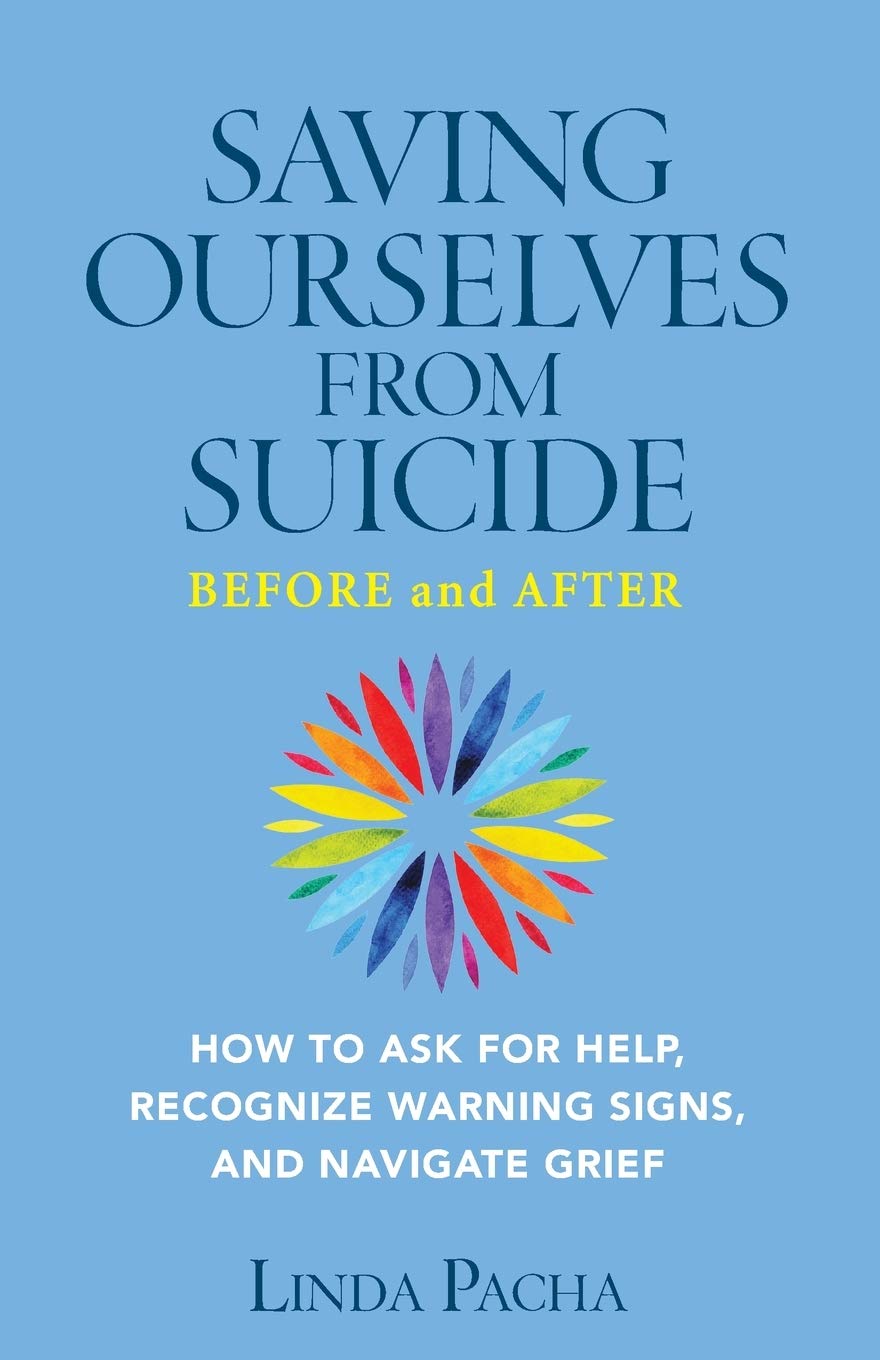
Saving Ourselves from Suicide Before and After
by Linda Pacha
A compassionate, practical guide that combines suicide prevention and grief support in one essential resource. Written by attorney and mental health advocate Linda Pacha, who tragically lost her teen son, Nick, this book offers real-life guidance for both those struggling and those supporting loved ones.
What You’ll Learn:
For Yourself: How to ask for help, recognize warning signs, create a safety plan, and understand that you are not a burden.
Helping Others: How to approach someone in crisis, listen effectively, and encourage professional support.
Grief & Healing: Navigate the intense emotions of loss, manage family dynamics, honor your loved one, and rebuild life while keeping relationships strong.
Reducing Stigma: Understand misconceptions around mental health and suicide, and learn ways to support survivors with compassion.
Creating a Better Tomorrow: Practical advice for schools, families, and communities to foster empathy, reduce bullying, and save lives.
All proceeds support suicide prevention.
Buy on Amazon: Buy Now
The Intersection of Mental Health and Faith
We cannot talk about sin without talking about volition—the power of free will. For an act to be a mortal sin in many theological frameworks, it must be done with full knowledge and full consent of the will.
Mental health professionals understand that severe depression, bipolar disorder, schizophrenia, and extreme anxiety can compromise a person’s cognitive functions. When the brain is ill, “free will” is often restricted by chemical imbalances and distorted thinking patterns. A person jumping from a burning building is not choosing death; they are choosing to escape the fire. Similarly, many who die by suicide are trying to escape the “fire” of unbearable psychological pain.
If a person’s capacity to choose is impaired by illness, the moral culpability of their actions is fundamentally altered. Viewing suicide solely as a spiritual failure ignores the biological and psychological realities of mental illness. Faith communities are increasingly partnering with mental health experts to treat these struggles as medical conditions requiring treatment, rather than just spiritual battles requiring more prayer.
Sin, Forgiveness, and Divine Mercy
The fear that suicide is an “unforgivable sin” haunts many believers. This fear stems from the idea that one cannot repent after death. However, this view limits the scope of divine mercy and assumes that salvation is dependent on a person’s final conscious thought, rather than the totality of their relationship with the divine or the nature of God’s grace.
Many theologians argue that God’s grace is not bound by linear time. If God is truly all-knowing and all-loving, He is present in the darkest moments of a person’s life. The concept of “unforgivable” usually refers to a total, willful rejection of God. A mind clouded by agony is likely not capable of such a calculated rejection.
Furthermore, most faiths emphasize that God is the ultimate judge, and that His judgment is perfect because it is combined with perfect understanding. Human judgment is limited to what we see on the outside; divine judgment encompasses the hidden struggles, the biological predispositions, and the intense suffering that no one else could see.
Pastoral Care: Supporting the Suffering
For clergy, counselors, and friends, the question “Is it a sin?” is often a cry for help or a plea for comfort regarding a lost loved one. The response should not be a theological lecture, but a ministry of presence.
For those struggling
If you are struggling with these thoughts, know that your pain is real, but it is also treatable. Your life has inherent worth, regardless of how you feel in this moment. Faith communities should be safe havens where you can express despair without fear of condemnation. Seeking therapy or medication is not a lack of faith; it is an act of stewardship over the body and mind you were given.
For the bereaved
For those grieving a loss to suicide, the message must be one of hope. The tragedy of the death does not negate the goodness of the life lived. Do not let the stigma of suicide silence your grief. God is near to the brokenhearted, and religious communities are learning to wrap their arms around survivors rather than turning their backs.
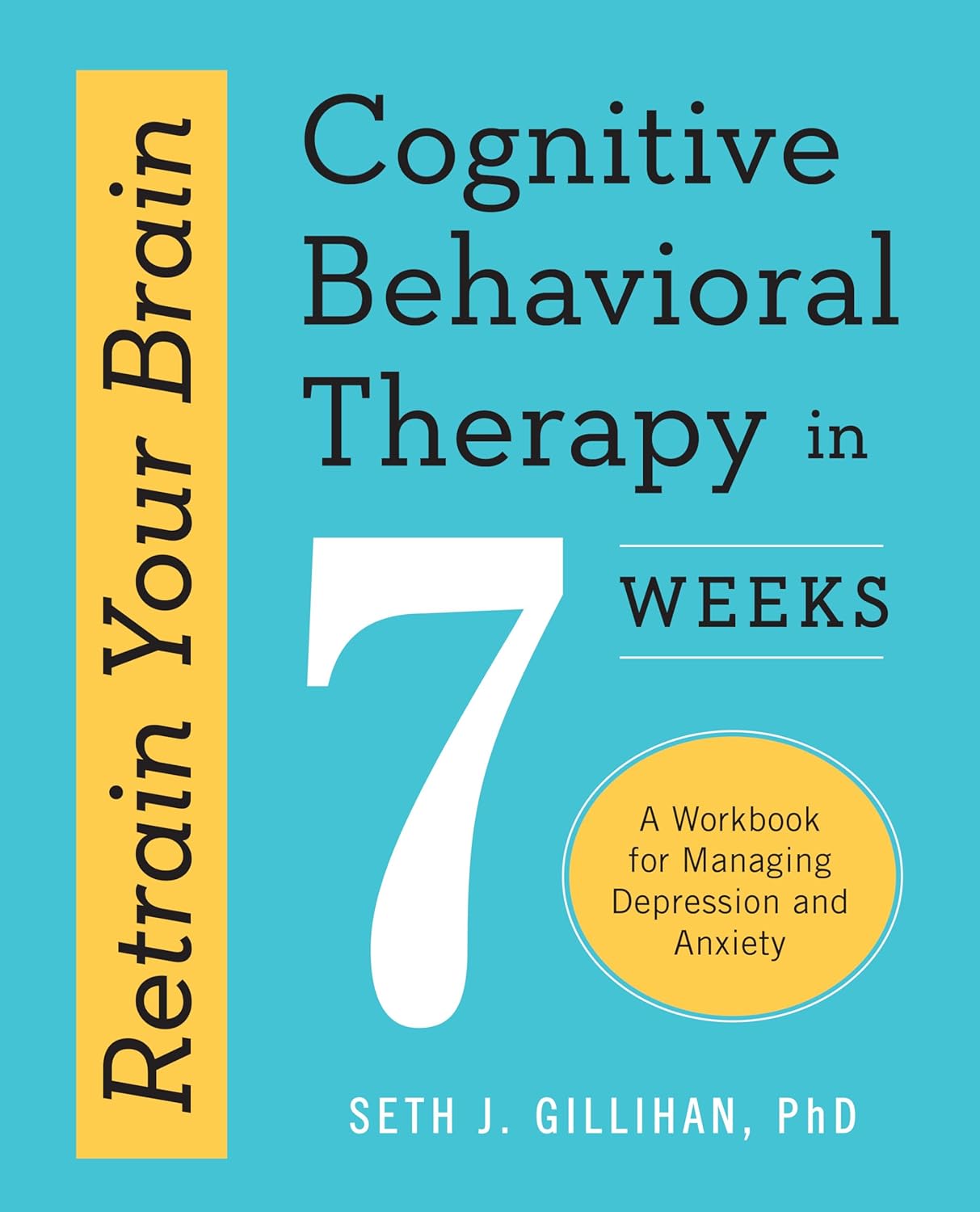
Retrain Your Brain: Cognitive Behavioral Therapy in 7 Weeks
by Seth J. Gillihan, PhD
A practical workbook for managing depression and anxiety using CBT
Take control of your thoughts, emotions, and behaviors with this 7-week cognitive behavioral therapy (CBT) plan. Dr. Seth Gillihan, a clinical psychologist with over 15 years of experience, guides you through practical exercises designed to reduce anxiety, lift depression, and build healthier mental habits.
Why This Book Helps:
✔ Change negative thought patterns into positive, productive habits
✔ Use structured weekly exercises that build on each other
✔ Manage daily tasks, face fears, and set realistic goals
✔ Ideal for both chronic and occasional anxiety
✔ Beginner-friendly and relatable for all ages
Start wherever you are and discover the transformative power of CBT with step-by-step guidance.
Buy on Amazon: Buy Now
Moving Forward with Grace
Is killing yourself a sin? The rigid answers of the past are giving way to a more nuanced, compassionate understanding. While the sanctity of life remains a core tenet of faith, the reality of human suffering requires us to look at this issue with eyes of mercy.
We are learning that mental illness is not a moral failing. We are understanding that God’s capacity to forgive is likely far greater than our capacity to judge. Ultimately, the most faithful response to suicide is not condemnation, but a commitment to love one another, to support mental health, and to cherish the fragile gift of life in ourselves and our neighbors.
If you or someone you know is in crisis, please seek help. You are not alone, and there is hope.