Prevention from Suicide, Addiction, Narcotics and Pollution. Withdrawal and Recovery Facts of Narcotics | Symptoms of Suicidal thoughts & Ideations | Effects of Environment Pollution | Understand Addiction withdrawal
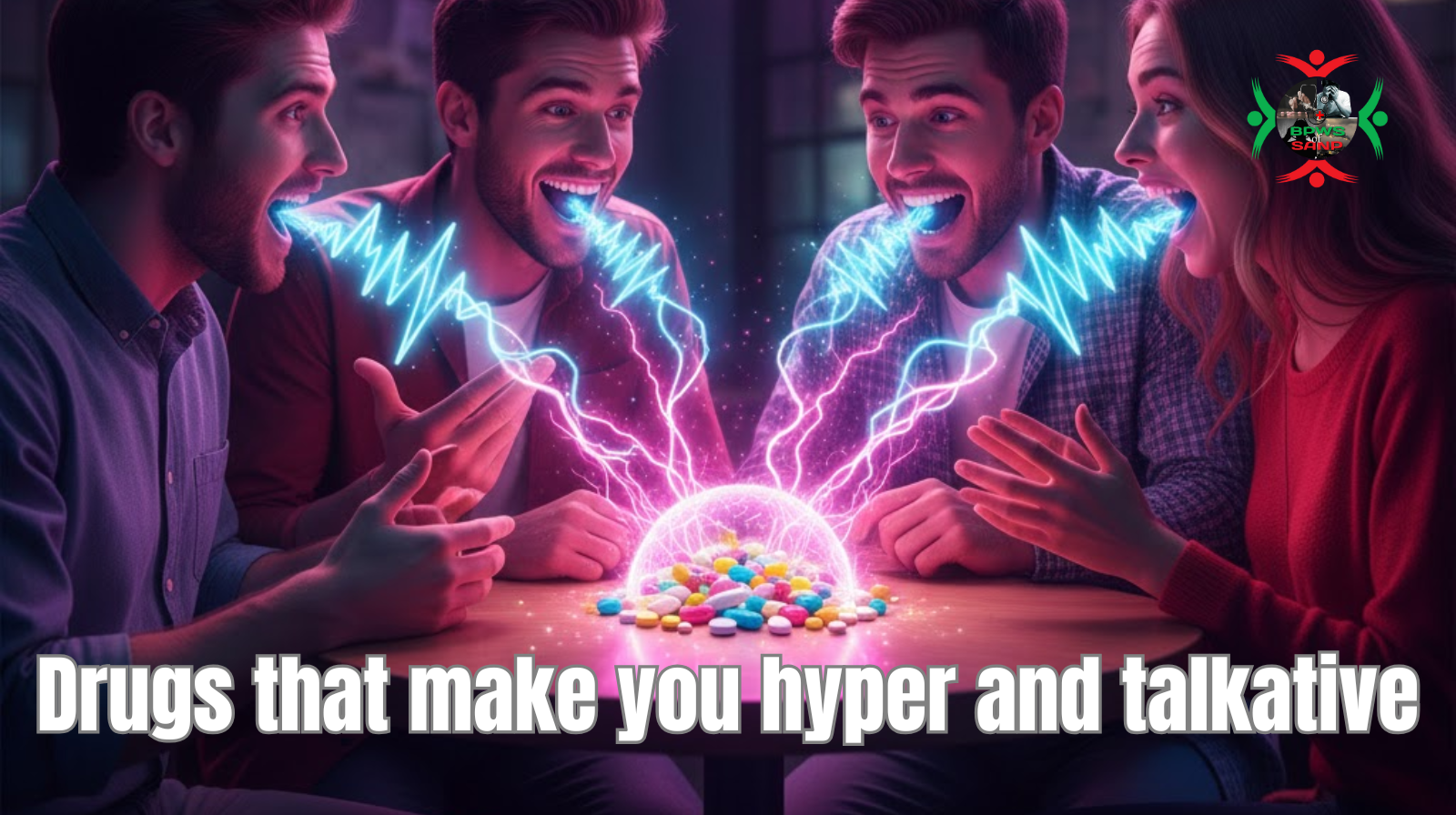 Why Do Certain Drugs Make You Talk Non-Stop?
Have you ever had that one friend who drinks a double-shot espresso and suddenly can’t stop explaining their entire life story? Or maybe you’ve noticed how certain medications seem to flip a switch, turning a quiet evening into a high-speed chatter session.
We often joke about being “wired,” but the chemical reality behind substances that boost energy and sociability is fascinating—and sometimes risky. While many of us rely on a morning cup of coffee to function, the spectrum of drugs that induce hyperactivity and talkativeness ranges from mild, legal stimulants to potent, illicit substances. Understanding what these drugs are, how they hijack the brain’s communication systems, and the risks involved is crucial for making informed choices about our health.
This guide explores the science behind why certain substances make you feel like you can’t sit still or stop talking, breaking down everything from your daily latte to more serious stimulants.
What Are Stimulants?
When we talk about drugs that make you hyper and talkative, we are almost exclusively talking about stimulants. This class of drugs speeds up the messages traveling between the brain and the body. They can make a person feel more awake, alert, confident, and energetic.
Stimulants encompass a broad category. On one end, you have widely accepted substances found in coffee, tea, and soda. On the other end, you have prescription medications used to treat conditions like ADHD, as well as illegal street drugs known for their intense highs. Despite their differences in legality and potency, they all share a common trait: they rev up the central nervous system.
This “revving up” often manifests physically—increased heart rate, higher blood pressure, and faster breathing—and behaviorally, leading to the rapid speech and restless energy often described as being “hyper.”
Common Stimulants and Their Effects
Not all stimulants are created equal. Here is a breakdown of some of the most common substances known to loosen tongues and increase energy levels.
Caffeine
Caffeine is the world’s most popular psychoactive drug. It is the fuel that powers millions of mornings and late-night study sessions. Found naturally in coffee beans, tea leaves, and cocoa nuts, caffeine works by blocking adenosine, a brain chemical that makes you feel tired.
Effects:
When you consume caffeine, you typically feel an increase in alertness and a decrease in perceived effort. This can make you feel more sociable and eager to talk. For many, it provides a pleasant buzz that facilitates conversation and productivity.
Side Effects:
However, there is a tipping point. Too much caffeine can lead to “the jitters,” anxiety, heart palpitations, and digestive issues. The line between a productive energy boost and uncomfortable restlessness varies significantly from person to person.
Nicotine
Nicotine, primarily found in tobacco products and vaping liquids, is another widely used stimulant. While often associated with relaxation by smokers, it actually acts as a stimulant on the body.
Effects:
Nicotine causes a quick release of adrenaline, the “fight or flight” hormone. This increases heart rate and blood pressure while also sharpening focus. This burst of alertness can make users feel more engaged and talkative in the short term.
Addiction and Risks:
The danger of nicotine lies in its highly addictive nature. It rapidly alters brain chemistry, leading to cravings and withdrawal symptoms. Long-term use is linked to severe health issues, including heart disease, lung cancer, and respiratory problems.
Amphetamines
Amphetamines are potent central nervous system stimulants. This category includes prescription medications like Adderall and Dexedrine, which are commonly prescribed for Attention Deficit Hyperactivity Disorder (ADHD) and narcolepsy.
Effects:
For individuals with ADHD, these drugs can have a calming effect, helping to improve focus. However, for those without the condition—or when taken in high doses—amphetamines can produce euphoria, extreme wakefulness, and rapid, incessant talking (often called “motor mouth”). Users may feel an intense need to communicate and socialize.
Potential for Misuse:
Because they increase concentration and energy, amphetamines are often misused as “study drugs” or party drugs. This misuse carries significant risks, including cardiovascular strain, paranoia, and the potential for addiction.
Cocaine
Cocaine is a powerful, illegal stimulant derived from the coca plant. It is a Schedule II drug, meaning it has a high potential for abuse.
Effects:
Cocaine produces a short-lived but intense high characterized by extreme happiness and energy. Users often become hypersocial, confident, and talkative. The drug creates a feeling of supremacy and mental sharpness.
High Risk of Addiction:
The crash that follows a cocaine high can be just as intense, leading to irritability, anxiety, and paranoia. The drug’s mechanism leads to rapid tolerance and dependence, making it one of the most addictive substances available. Long-term use can cause severe damage to the heart, brain, and other organs.
The Brain on Stimulants: Mechanisms of Action
Why exactly do these drugs make you talk more? The answer lies in your neurotransmitters—the brain’s chemical messengers.
Stimulants primarily affect two key chemicals: dopamine and norepinephrine.
The Dopamine Rush
Dopamine is often called the “feel-good” chemical. It is associated with pleasure, reward, and motivation. When you take a stimulant, it floods the brain with dopamine or prevents it from being reabsorbed. This excess dopamine creates feelings of euphoria and confidence. It lowers social inhibitions, making you feel more comfortable speaking up, sharing stories, and engaging with others.
Norepinephrine and Energy
Norepinephrine is similar to adrenaline. It prepares the brain and body for action. Increased levels of norepinephrine heighten arousal and alertness. It creates that physical sensation of energy—the urge to move, pace, or fidget. When combined with the confidence boost from dopamine, this physical energy often translates into rapid speech and an inability to stay quiet.
The Dark Side of the Buzz: Risks and Side Effects
While the initial effects of stimulants might feel pleasurable or productive, they come with a cost. The saying “what goes up must come down” is particularly true here.
Physical Health Risks:
- Cardiovascular Issues: Stimulants increase heart rate and blood pressure, which can strain the heart, leading to arrhythmias or even heart attacks in severe cases.
- Insomnia: By design, these drugs keep you awake. Regular use can disrupt sleep patterns, leading to chronic exhaustion.
- Appetite Suppression: Many stimulants reduce hunger, which can lead to unhealthy weight loss and malnutrition over time.
Mental and Emotional Risks:
- Anxiety and Paranoia: The heightened alertness can easily tip into anxiety, panic attacks, or paranoia, especially at high doses.
- Irritability: As the drug wears off, users often experience mood swings, aggression, or profound irritability.
- Psychosis: In extreme cases, particularly with amphetamines and cocaine, users can experience stimulant-induced psychosis, characterized by hallucinations and delusions.
Understanding Addiction Potential
The risk of dependence is a serious consideration for any substance that alters brain chemistry. Stimulants are particularly prone to causing addiction because they hijack the brain’s reward system.
When the brain is repeatedly flooded with artificial levels of dopamine, it starts to rely on the drug to feel “normal.” Over time, natural dopamine production may decrease, meaning the user feels flat, depressed, or lethargic without the stimulant. This leads to a cycle of increasing usage to chase the original high or simply to function, paving the way for addiction.
Even legal stimulants like caffeine can cause dependence. Anyone who has tried to quit coffee cold turkey knows the headache and fatigue that follow. However, the stakes are significantly higher with substances like cocaine or misused prescription amphetamines, where addiction can devastatingly impact one’s life, relationships, and health.
Finding Balance Without Chemistry
If you are looking for energy or social confidence, relying on substances is a slippery slope. There are sustainable ways to boost your vitality and conversational skills without altering your neurochemistry artificially.
- Natural Energy Boosters: Prioritize sleep, hydration, and regular exercise. Physical activity releases endorphins (natural mood lifters) and improves energy levels naturally.
- Social Skills Practice: If you use stimulants to navigate social anxiety, consider practicing social skills in low-stakes environments or seeking therapy to address the root causes of the anxiety.
- Dietary Adjustments: Eating a balanced diet rich in complex carbohydrates and proteins can provide sustained energy throughout the day, avoiding the peaks and crashes associated with sugar and caffeine.
Managing Your Health and Energy
Drugs that induce hyperactivity and talkativeness are powerful tools that interact deeply with human biology. From the morning ritual of brewing coffee to the dangerous allure of illicit powders, these substances change how we think, feel, and communicate.
While the immediate effects might seem desirable—focus, energy, sociability—it is vital to recognize the mechanisms at play and the potential costs. Occasional caffeine consumption is vastly different from amphetamine misuse, yet both tap into the same biological pathways. Being aware of how these substances affect your brain and body empowers you to make safer, healthier choices.
True energy and genuine connection don’t have to come from a pill or a powder. By understanding the risks and exploring natural alternatives, you can find a sustainable rhythm that keeps you talking and moving for the long haul.