Prevention from Suicide, Addiction, Narcotics and Pollution. Withdrawal and Recovery Facts of Narcotics | Symptoms of Suicidal thoughts & Ideations | Effects of Environment Pollution | Understand Addiction withdrawal
The suicide rate in Bangladesh is alarmingly high, with significant mental health issues contributing to the crisis. The country faces challenges in addressing this growing concern.
Mental health issues in Bangladesh are often overlooked due to societal stigma. Many individuals suffer silently, exacerbating the suicide rate. Limited access to mental health care further compounds the problem. Rural areas are particularly affected, with fewer resources available. Social and economic pressures also play a crucial role.
Young people and women are especially vulnerable. Efforts to reduce the suicide rate must focus on mental health awareness and support. Community-based interventions and accessible healthcare are essential. Education on mental health can help break the stigma. Addressing these issues holistically can lead to a healthier society.
Credit: www.theglobaleconomy.com
Current Suicide Statistics
Understanding the current suicide statistics in Bangladesh is crucial. This data helps in addressing mental health issues effectively. Below, we delve into the recent data and demographic breakdown of suicide rates in Bangladesh.
Recent Data
Recent data shows an alarming rise in suicide rates in Bangladesh. According to the Bangladesh Bureau of Statistics (BBS), the numbers are concerning:
| Year | Reported Suicides |
|---|---|
| 2020 | 14,436 |
| 2021 | 15,215 |
| 2022 | 16,027 |
The table above highlights a steady increase over the past three years. This data indicates a pressing need for mental health interventions.
Demographic Breakdown
The demographic breakdown provides insight into which groups are most affected. The statistics reveal notable differences across age, gender, and socio-economic status:
- Gender: Women have a higher suicide rate compared to men.
- Age: Young adults (15-29 years) are at the highest risk.
- Socio-economic Status: Suicide rates are higher in lower-income groups.
Understanding these demographics helps in tailoring preventive measures. It is essential to target interventions for the most vulnerable groups.
Historical Trends
Understanding the historical trends of suicide rates in Bangladesh is crucial. These trends help us identify patterns and causes. This knowledge can aid in creating effective prevention strategies.
Past Decades
Over the past decades, Bangladesh has seen changes in suicide rates. In the 1980s, the country had a low rate of suicides. This trend continued into the 1990s. However, there was a noticeable rise in the early 2000s. This increase was alarming.
Several factors contributed to this rise. Economic hardships and social pressures played significant roles. Mental health issues also increased. These issues were often neglected. The lack of awareness and support systems made the situation worse.
Comparative Analysis
Comparing Bangladesh’s suicide rates with other countries provides a broader perspective. In South Asia, Bangladesh had lower rates in the 1980s and 1990s. But by the 2000s, it had one of the highest rates in the region.
Here is a table showing the comparative analysis:
| Year | Bangladesh | India | Nepal |
|---|---|---|---|
| 1980s | Low | Medium | Low |
| 1990s | Low | High | Medium |
| 2000s | High | High | Medium |
Bangladesh’s rise in suicide rates is a cause for concern. The comparative analysis shows a need for urgent intervention. Learning from countries with lower rates can provide insights. These insights can help in formulating better policies and support systems.
Regional Disparities
The suicide rate in Bangladesh shows significant regional disparities. Different areas face unique challenges. Understanding these differences helps in addressing the root causes. Let’s explore the variations between urban and rural areas and identify high-risk regions.
Urban Vs Rural
In Bangladesh, urban areas often experience lower suicide rates. This may be due to better access to mental health resources. Urban residents can find support more easily.
Rural areas face higher suicide rates. Isolation and lack of services contribute to this. Many rural residents struggle with economic hardships. They have limited access to mental health care.
| Region | Suicide Rate (per 100,000) | Contributing Factors |
|---|---|---|
| Urban | 5.6 | Better access to resources, community support |
| Rural | 12.3 | Isolation, economic hardship, lack of services |
High-risk Areas
Certain areas in Bangladesh are high-risk for suicides. These regions require special attention.
- Sylhet Division: High rates due to migration issues.
- Rangpur Division: Economic struggles and limited health care access.
- Chittagong Hill Tracts: Cultural isolation and lack of resources.
Addressing these issues requires targeted interventions. Providing mental health support in these high-risk areas is crucial.
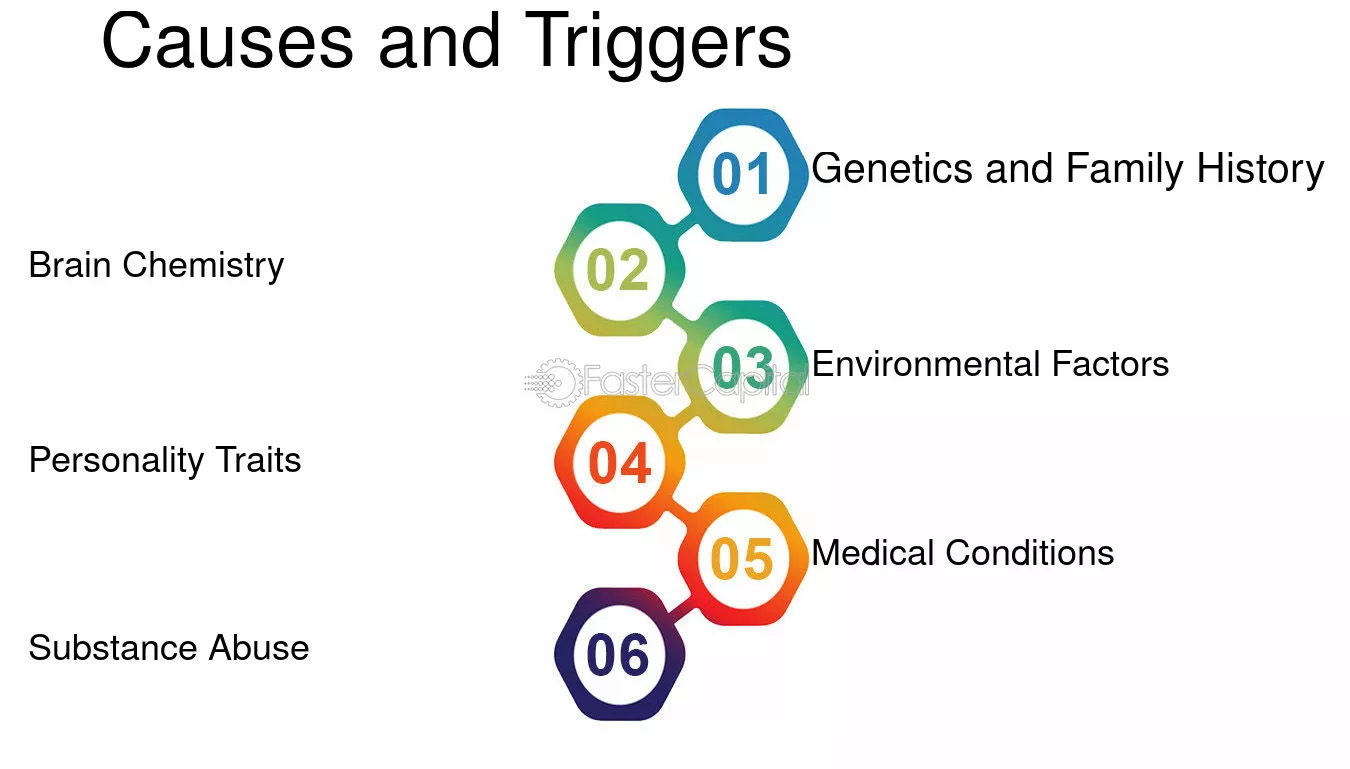
Causes And Triggers
Understanding the causes and triggers of suicide in Bangladesh is vital. This helps in creating effective prevention strategies. The reasons behind suicide are complex. They often involve multiple factors. Here, we will explore the main causes and triggers.
fastercapital.com
Mental Health Issues
Mental health issues are a significant cause of suicide. Many people in Bangladesh suffer from depression, anxiety, and bipolar disorder. These conditions often go untreated. Lack of mental health services is a big problem. The stigma around mental illness also prevents many from seeking help.
- Untreated depression
- Anxiety disorders
- Bipolar disorder
- Stigma around mental health
Socioeconomic Factors
Socioeconomic factors also play a crucial role in suicide rates. Poverty, unemployment, and financial stress can lead to feelings of hopelessness. Many people struggle to make ends meet. This constant struggle can lead to suicidal thoughts.
| Factor | Description |
|---|---|
| Poverty | Inability to meet basic needs |
| Unemployment | Lack of job opportunities |
| Financial Stress | Debts and financial instability |
Impact Of Covid-19
The COVID-19 pandemic has deeply affected people’s lives worldwide. In Bangladesh, the situation is particularly dire. The suicide rate has seen a significant increase. The virus has brought about many challenges. Let’s explore how the pandemic has impacted mental health in Bangladesh.
Pandemic Stress
The pandemic has caused immense stress. People are worried about their health. Many have lost their jobs. Families are struggling to make ends meet. This economic strain leads to emotional distress.
Healthcare workers face constant pressure. They work long hours in dangerous conditions. Their mental health is at risk. Students also face uncertainty. Schools are closed, and exams are postponed. The future seems uncertain for many.
Increased Isolation
Isolation has become a new norm. Social distancing measures keep people apart. Many feel lonely and disconnected. This lack of social interaction affects mental health. Elderly people are particularly vulnerable. They are isolated from their families.
Technology helps but is not enough. Virtual meetings cannot replace human touch. People miss their social gatherings and community events. This increased isolation contributes to rising suicide rates.
| Factors | Impact |
|---|---|
| Job Loss | Economic strain, emotional distress |
| Healthcare Pressure | Burnout, mental health risk |
| School Closures | Uncertainty, stress |
| Social Isolation | Loneliness, disconnection |
To summarize, the COVID-19 pandemic has significantly impacted mental health in Bangladesh. The increased stress and isolation contribute to the rising suicide rate. It is crucial to address these issues promptly.
Government Initiatives
The government of Bangladesh is taking active steps to reduce the suicide rate. Various policy measures and funding allocations aim to address this serious issue.

www.CIOnews.com
Policy Measures
One of the key steps involves implementing mental health policies. These policies focus on improving mental health services.
- Mental Health Act: Establishes guidelines for mental health care.
- National Suicide Prevention Strategy: Outlines steps to reduce suicide rates.
- Training Programs: Educates healthcare workers on suicide prevention.
Schools and communities are also part of these initiatives. They offer educational programs on mental wellness. This helps in early identification of mental health issues.
Funding Allocation
The government is allocating more funds for mental health services. Increased funding supports various programs and initiatives.
| Year | Funds Allocated (in Million BDT) |
|---|---|
| 2020 | 200 |
| 2021 | 250 |
| 2022 | 300 |
Funding is used for awareness campaigns and mental health facilities. These initiatives aim to make mental health services accessible to everyone.
Community-based programs are also funded. These programs provide support and counseling. They aim to reduce the stigma around mental health issues.
Role Of Ngos
Non-Governmental Organizations (NGOs) play a vital role in addressing the suicide rate in Bangladesh. They bring resources, expertise, and compassion. Their focus includes raising awareness and offering support services.
Awareness Campaigns
NGOs conduct awareness campaigns to educate the public about mental health. These campaigns focus on recognizing the signs of depression and suicidal thoughts. They use various methods to reach different groups.
- Social media posts and videos
- Workshops in schools and communities
- Distribution of pamphlets and posters
Through these efforts, NGOs aim to reduce the stigma around mental health. They encourage people to seek help and talk about their feelings.
Support Services
NGOs provide a range of support services to those in need. They offer counseling sessions, both online and offline. These sessions help individuals navigate their struggles.
| Service Type | Description |
|---|---|
| Helplines | 24/7 phone support for immediate help |
| Therapy | Regular sessions with a trained therapist |
| Group Support | Peer-led support groups for shared experiences |
These services offer a lifeline to those struggling with mental health issues. They provide a safe space for individuals to express their feelings.
Credit: www.researchgate.net
Community Support
The suicide rate in Bangladesh is a pressing issue. Community support plays a crucial role in addressing this. Local programs and volunteer efforts are key components. These initiatives aim to provide emotional and mental support to those in need.
Local Programs
Local programs in Bangladesh focus on mental health awareness. They offer counseling and therapy sessions. Many organizations collaborate with schools and colleges. They educate young people about mental health. This creates a supportive environment for students.
Some programs use technology to reach a wider audience. They offer online counseling and helplines. This makes mental health support accessible to everyone. Programs like these help reduce the stigma around mental health issues.
Volunteer Efforts
Volunteers play a significant role in providing community support. They offer their time and skills to help those in need. Many volunteers work with local organizations. They participate in outreach programs and awareness campaigns.
Volunteer efforts include organizing support groups. These groups provide a safe space for people to share their feelings. Volunteers also assist in crisis intervention. They offer immediate support to individuals in distress.
| Local Programs | Volunteer Efforts |
|---|---|
| Counseling and therapy sessions | Support groups |
| Mental health education in schools | Crisis intervention |
| Online counseling and helplines | Awareness campaigns |
Mental Health Services
Bangladesh has a growing issue with suicide rates. Mental health services play a key role in addressing this problem. Effective mental health care can save lives. Yet, there are many challenges in this area.
Accessibility Issues
Access to mental health services in Bangladesh is limited. Many people live in rural areas. These places often lack mental health facilities. The distance to the nearest hospital can be far.
Even in cities, mental health services are scarce. There are not enough mental health professionals. Long wait times are common. People may give up seeking help due to these delays.
Financial barriers also exist. Many cannot afford the cost of mental health care. Health insurance often does not cover mental health services.
Quality Of Care
The quality of mental health care in Bangladesh varies. Some facilities provide excellent care. Others lack resources and trained staff. This inconsistency affects patient outcomes.
Many mental health professionals are overworked. This can lead to burnout and lower quality care. Continuous training is needed but often lacking. Up-to-date practices improve patient care.
Stigma around mental health still exists. This stigma can prevent people from seeking help. Education and awareness are crucial to change this mindset.
| Barrier | Description |
|---|---|
| Location | Rural areas lack facilities |
| Availability | Few mental health professionals |
| Cost | High treatment costs |
| Stigma | Negative attitudes towards mental health |
Improving mental health services in Bangladesh is essential. Addressing accessibility and quality can help reduce the suicide rate. Everyone deserves access to mental health care.
Education And Awareness
The education and awareness surrounding the issue of suicide in Bangladesh are pivotal. These efforts not only help in prevention but also reduce the stigma. This section highlights the importance of school programs and public campaigns.
School Programs
Schools play a crucial role in educating students about mental health. They implement various programs to address this sensitive issue.
- Workshops: Schools conduct workshops to teach students about mental health.
- Counseling Services: Many schools offer counseling services to support students.
- Peer Support Groups: Students can join groups to share and support each other.
These initiatives help students recognize the signs of mental distress early. They also promote a culture of openness and support.
Public Campaigns
Public campaigns are another vital component of raising awareness. They reach a broader audience and aim to educate the general public.
- Media Outreach: Campaigns use TV, radio, and social media to spread information.
- Community Events: These events engage local communities in discussions about mental health.
- Helplines: Many campaigns provide helplines for immediate support.
These campaigns help in breaking the taboo around mental health issues. They also provide essential resources for those in need.
By promoting education and awareness, we can work towards reducing the suicide rate in Bangladesh. These efforts are crucial for building a healthier and happier society.
Technology And Innovation
Bangladesh faces a significant challenge with its suicide rate. Technology and innovation offer new hope. They provide tools and resources to those in need. Let’s explore how technology helps combat this crisis.
Helplines
Helplines are a critical resource for those feeling desperate. They offer immediate support and are accessible 24/7. Bangladesh has several helplines dedicated to mental health.
Here are some key helplines:
| Helpline Name | Contact Number | Availability |
|---|---|---|
| Kaan Pete Roi | +880 9606-555-555 | 24/7 |
| Moner Bondhu | +880 1776-620-620 | 24/7 |
These helplines connect people with trained volunteers. They listen, provide support, and help find solutions. This immediate contact can save lives.
Mobile Apps
Mobile apps are another powerful tool in combating suicide. They offer anonymity and convenience. Users can access help anytime, anywhere.
Some popular mobile apps include:
- Shomoy: This app provides mental health resources and crisis support.
- Moner Bondhu: It offers counseling services via chat or call.
These apps are designed to be user-friendly. They provide easy access to mental health professionals. They also offer self-help tools and resources.
Technology and innovation are making a difference. They provide immediate support and long-term solutions. This approach gives hope to those in need.
The media plays a significant role in shaping public perception. Its influence on the suicide rate in Bangladesh is profound. This section delves into how media reporting and social media impact this sensitive issue.
Reporting Guidelines
Media outlets must follow strict reporting guidelines to prevent copycat suicides. Responsible reporting can save lives. These guidelines include:
- Avoid sensationalizing suicide cases.
- Refrain from describing the method used.
- Provide information on support services.
Adhering to these rules can reduce the risk of imitation. Proper reporting helps educate the public and offers hope to those in distress.
Social Media Impact
Social media influences the mental health of its users. It can spread both positive and negative messages quickly. Here are some ways social media impacts suicide rates:
- Exposure to harmful content can trigger suicidal thoughts.
- Cyberbullying increases mental health issues.
- Positive stories can offer support and hope.
Monitoring and regulating content is crucial. Platforms should promote mental health resources and support.
Cultural And Religious Factors
The high suicide rate in Bangladesh reflects the complex interplay of cultural and religious factors. These elements influence how society views and deals with mental health issues. Understanding this is crucial for effective intervention.
Stigma Reduction
In Bangladesh, mental health problems often carry a strong stigma. People fear being judged or ostracized. This stigma prevents many from seeking help. Families hide mental health issues to avoid shame.
Reducing this stigma is key. Public awareness campaigns can help. These campaigns can educate people about mental health. They can teach that seeking help is not a sign of weakness.
Schools can also play a role. They can include mental health education in their curriculum. This helps young people understand and accept these issues.
Community Leaders
Community leaders have a significant influence. They can help change attitudes towards mental health. Religious leaders, in particular, can play a crucial role. They are respected and trusted by the community.
Training programs for these leaders can be effective. They can learn how to support those struggling with mental health issues. They can also help spread positive messages about seeking help.
Local organizations can work with community leaders. Together, they can create support networks. These networks can offer counseling and other services.
Here is a table summarizing key points:
| Factor | Impact | Solution |
|---|---|---|
| Stigma | Prevents people from seeking help | Public awareness campaigns |
| Family Shame | Hides mental health issues | Education in schools |
| Community Leaders | Influence attitudes | Training programs |
Case Studies
Exploring the suicide rate in Bangladesh through case studies reveals crucial insights. These stories highlight both challenges and successes. By examining these real-life experiences, we can better understand the issue. This section delves into various success stories and the lessons learned from them.

Success Stories
Several organizations have made significant strides in reducing the suicide rate in Bangladesh. One such initiative is the Shunno Foundation. This organization has provided mental health support to thousands of people.
- The foundation offers free counseling services.
- It runs awareness campaigns in rural areas.
- It collaborates with local schools and colleges.
Another success story is the Hope for Life Project. This project focuses on empowering youth and women. They provide vocational training and emotional support.
- The project has reduced suicide rates by 20% in targeted areas.
- They offer workshops on stress management.
- They have a helpline for immediate assistance.
Lessons Learned
Several key lessons have emerged from these case studies. Firstly, community involvement is essential. Engaging local leaders and influencers makes a big difference.
Secondly, awareness campaigns are crucial. Educating people about mental health can reduce stigma and encourage seeking help.
Thirdly, sustainable support systems are vital. Temporary solutions don’t work. Long-term strategies are needed to ensure lasting impact.
| Lesson | Details |
|---|---|
| Community Involvement | Engage local leaders and influencers for greater impact. |
| Awareness Campaigns | Educate people to reduce stigma and encourage help-seeking. |
| Sustainable Support | Focus on long-term strategies for lasting impact. |
These lessons provide a roadmap for future initiatives. By learning from these successes and challenges, we can work towards reducing the suicide rate in Bangladesh.
Future Directions
The suicide rate in Bangladesh is a major concern. We need to explore future directions to address this issue. This section will focus on policy recommendations and innovative approaches to reduce the suicide rate.
Policy Recommendations
Government policies play a crucial role in tackling suicide rates. Here are some key policy recommendations:
- Increase Mental Health Funding: Allocate more funds to mental health services.
- Public Awareness Campaigns: Launch campaigns to educate people about mental health.
- School Programs: Introduce mental health education in schools.
- Hotline Services: Provide 24/7 suicide prevention hotlines.
- Training for Healthcare Workers: Train healthcare workers in mental health first aid.
Innovative Approaches
Innovative approaches can make a big difference. Here are some fresh ideas:
- Mobile Apps: Develop apps for mental health support and crisis intervention.
- Online Therapy: Provide online therapy sessions for those in need.
- Community Support Groups: Create local support groups for mental health discussions.
- AI Chatbots: Use AI chatbots to offer immediate help and resources.
- Mindfulness Programs: Introduce mindfulness and meditation programs in communities.
| Policy | Impact |
|---|---|
| Increase Mental Health Funding | Better access to services |
| Public Awareness Campaigns | Reduced stigma |
| School Programs | Early intervention |
| Hotline Services | Immediate help |
| Training for Healthcare Workers | Improved care |
Addressing the suicide rate in Bangladesh requires a multifaceted approach. Effective policies and innovative solutions can bring meaningful change.
Frequently Asked Questions
Which Country Has Highest Suicidal Death Rate?
Lesotho has the highest suicide rate. This African country faces severe socio-economic challenges, leading to mental health issues.
What Is The Suicide Rate In Japan?
Japan’s suicide rate is approximately 14. 6 per 100,000 people as of 2021. It remains a significant public health issue.
What Is Pakistan’s Suicidal Rate?
Pakistan’s suicide rate is relatively low. According to WHO, it is approximately 2. 9 per 100,000 people.
What Is The Suicide Rate For Veterans?
The veteran suicide rate is significantly higher than the civilian rate. Approximately 17 veterans die by suicide daily.
Conclusion
Addressing the high suicide rate in Bangladesh requires urgent attention. Community support and mental health services are crucial. Awareness campaigns can make a significant impact. Together, we can help reduce the stigma surrounding mental health and save lives. Let’s work towards a brighter future for everyone in Bangladesh.