Prevention from Suicide, Addiction, Narcotics and Pollution. Withdrawal and Recovery Facts of Narcotics | Symptoms of Suicidal thoughts & Ideations | Effects of Environment Pollution | Understand Addiction withdrawal
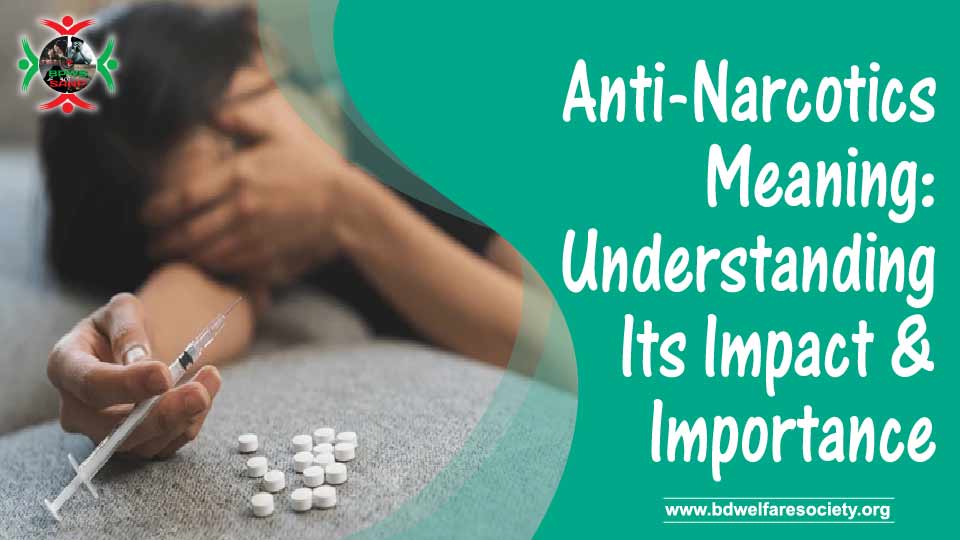
Anti-narcotics refers to efforts and measures aimed at combating and controlling the illegal drug trade and drug abuse. These initiatives involve law enforcement, prevention, and rehabilitation programs.
Anti-narcotics programs play a crucial role in maintaining public health and safety. Governments and organizations implement various strategies to curb the production, distribution, and consumption of illicit drugs. Law enforcement agencies work tirelessly to dismantle drug trafficking networks. Educational campaigns raise awareness about the dangers of drug abuse.
Rehabilitation centers provide support and treatment for individuals battling addiction. Effective anti-narcotics measures not only reduce drug-related crimes but also promote healthier communities. Collaborative efforts between international bodies and local authorities strengthen these initiatives, making them more impactful. A comprehensive approach ensures a significant reduction in the prevalence of narcotics.
Anti-narcotics Concept
The anti-narcotics concept aims to stop the use of illegal drugs. It involves various strategies and efforts by governments and organizations. The goal is to reduce the harmful effects of narcotics on society.

Definition
Anti-Narcotics refers to actions taken to prevent the production, distribution, and use of illegal drugs. It includes laws, policies, and enforcement practices. These efforts help to maintain public health and safety.
Historical Background
The fight against narcotics began in the early 20th century. Nations saw the need to control the spread of dangerous drugs. In 1912, the first international drug control treaty, the Hague Convention, was signed.
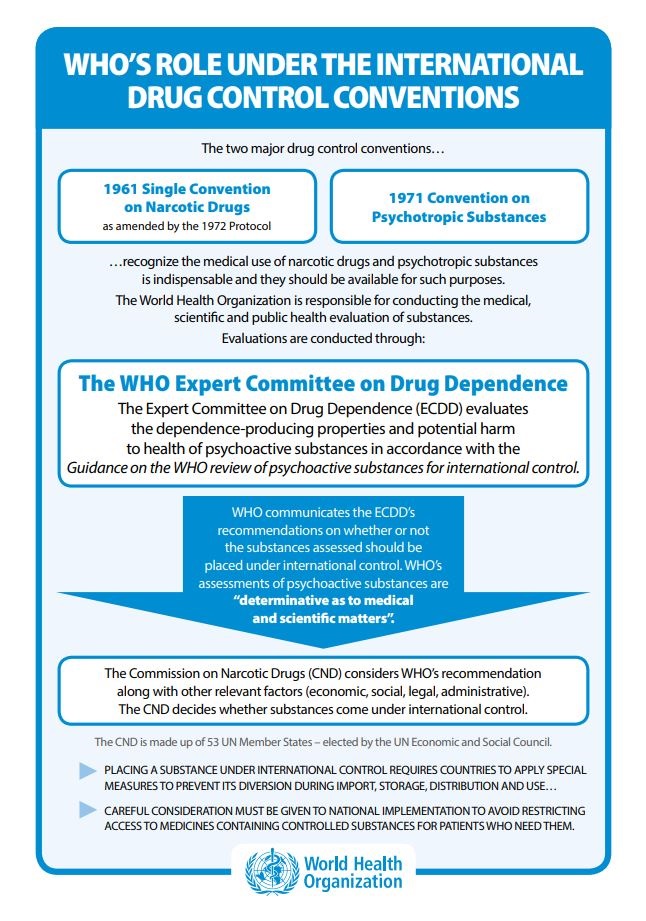
In 1961, the Single Convention on Narcotic Drugs established stricter control. This treaty combined previous agreements and expanded regulations. It marked a significant step in global anti-narcotics efforts.
Over the decades, many countries have implemented their own anti-narcotics laws. They have formed agencies to enforce these laws. Organizations like the United Nations also play a key role in coordinating international efforts.
| Year | Event |
|---|---|
| 1912 | Hague Convention |
| 1961 | Single Convention on Narcotic Drugs |
Types Of Narcotics
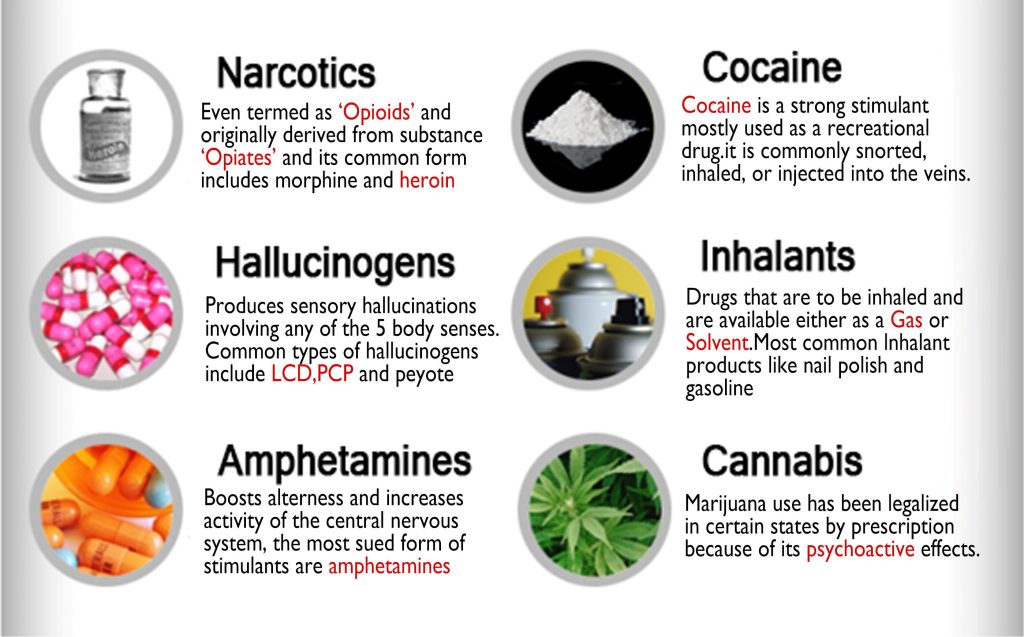
Narcotics are drugs that relieve pain and dull the senses. They can be natural or synthetic. Knowing the types helps in understanding their effects and risks.
Natural Narcotics
Natural narcotics come from plants. The most common are opium and morphine. These drugs are extracted from the poppy plant. They have been used for thousands of years. They can be very addictive and harmful.
- Opium: Extracted from the poppy plant’s seed pods.
- Morphine: Derived from opium; used in medical settings.
- Codeine: Also derived from opium; used for mild pain and coughs.
Synthetic Narcotics
Synthetic narcotics are made in labs. They mimic natural narcotics but can be stronger. They are used for severe pain relief. These drugs can also be addictive and dangerous.
- Fentanyl: A powerful synthetic used in pain management.
- Oxycodone: Used to treat moderate to severe pain.
- Hydrocodone: Commonly combined with other pain relievers.
Understanding the types of narcotics can help in recognizing their risks. Both natural and synthetic narcotics have medical uses but must be used carefully.
2015.igem.org
Global Narcotics Trade
The global narcotics trade is a major issue worldwide. It affects millions of lives. This illegal trade involves the production, trafficking, and sale of drugs. Understanding this trade helps in combating its harmful effects.
Major Producers
Several countries are major producers of narcotics. They grow and manufacture illegal drugs. These countries often have favorable conditions for drug production.
| Country | Drug Produced |
|---|---|
| Colombia | Cocaine |
| Afghanistan | Opium |
| Mexico | Heroin |
Colombia is known for producing cocaine. The country has vast coca fields. Afghanistan is the largest producer of opium. Farmers grow poppy plants in large quantities. Mexico produces a lot of heroin. The drug is made from opium poppies.
Trafficking Routes
Narcotics are moved through various routes. These routes connect producers with consumers. The routes are often secret and dangerous.
- South America to North America
- Asia to Europe
- Africa to Europe
South America to North America is a major trafficking route. Drugs like cocaine travel this path. Asia to Europe is another key route. Opium and heroin are often transported here. Africa to Europe is a growing route. Various drugs move through this path.
Understanding these routes helps in stopping drug trafficking. Authorities use this information to intercept shipments.
Legal Frameworks
Understanding the legal frameworks around anti-narcotics is crucial. These laws help control and prevent drug abuse. They vary from international to national levels. Let’s explore these frameworks in detail.
International Laws
International laws against narcotics are set by global organizations. The United Nations Office on Drugs and Crime (UNODC) plays a key role. They create treaties and conventions.
- Single Convention on Narcotic Drugs (1961): This treaty aims to combat drug addiction.
- Convention on Psychotropic Substances (1971): This regulates synthetic drugs.
- United Nations Convention against Illicit Traffic in Narcotic Drugs and Psychotropic Substances (1988): This addresses drug trafficking.
These laws require countries to take action. They must implement policies and share information. International cooperation is essential.
National Regulations
National regulations vary by country. Each country has its own set of laws. These laws aim to control the production, sale, and use of narcotics.
Here’s a table summarizing some key national laws:
| Country | Key Law | Description |
|---|---|---|
| United States | Controlled Substances Act (CSA) | Regulates drug manufacture and distribution. |
| United Kingdom | Misuse of Drugs Act 1971 | Classifies drugs into three categories (A, B, C). |
| Australia | National Drug Strategy | Focuses on harm minimization. |
Law enforcement agencies play a crucial role. They monitor drug activities and enforce laws. They also educate the public about the dangers of drugs.
Penalties for drug offenses vary. They can include fines, imprisonment, or rehabilitation. The goal is to deter drug abuse and trafficking.
Enforcement Agencies
Enforcement agencies play a vital role in the fight against narcotics. These agencies are essential for maintaining public safety and ensuring that drug laws are upheld. They operate at various levels, including local, national, and international, to combat drug-related crimes.
Roles And Responsibilities
Enforcement agencies have several crucial roles and responsibilities. They investigate drug-related crimes and gather evidence. These agencies also arrest individuals involved in the drug trade.
- Investigation: Collecting evidence on drug-related activities.
- Arrest: Detaining individuals involved in drug crimes.
- Prosecution: Working with legal teams to prosecute offenders.
- Prevention: Educating the public about the dangers of narcotics.
- Collaboration: Working with other agencies to tackle drug trafficking.
Success Stories
Many enforcement agencies have achieved significant success in their fight against narcotics. Here are a few notable examples:
| Agency | Success Story |
|---|---|
| DEA | Shut down a major drug cartel in 2020. |
| Interpol | Seized 100 tons of drugs in a global operation. |
| FBI | Arrested 50 major drug traffickers in a year. |
These success stories highlight the importance of enforcement agencies. They show how effective these agencies can be in reducing narcotics-related crimes.
Credit: nurseslabs.com
Impact On Society
The impact of anti-narcotics efforts on society is profound. These efforts aim to reduce drug abuse and its harmful effects. Understanding this impact is vital to appreciate the importance of anti-narcotics initiatives.
Health Consequences
Drug abuse leads to severe health issues. It can cause both physical and mental harm. Physical health problems include heart disease, liver damage, and infectious diseases. Mental health issues such as depression, anxiety, and psychosis are common.
Addiction is a significant health consequence. It disrupts normal brain function and behavior. This can lead to overdoses, which are often fatal. Anti-narcotics programs focus on reducing these health risks.
Economic Costs
Drug abuse imposes heavy economic costs on society. These costs include healthcare expenses, lost productivity, and criminal justice costs. The healthcare system bears a significant burden treating drug-related illnesses.
Lost productivity is another major economic cost. People struggling with addiction often miss work or perform poorly. This impacts businesses and the economy.
The criminal justice system also incurs costs. Law enforcement, legal proceedings, and incarceration related to drug offenses are expensive. Anti-narcotics initiatives aim to reduce these economic burdens.
| Category | Economic Impact |
|---|---|
| Healthcare Costs | Billions of dollars annually |
| Lost Productivity | Significant loss to businesses |
| Criminal Justice Costs | High expenses for law enforcement |
Community Initiatives
Community initiatives play a crucial role in the fight against narcotics. These efforts bring people together to create a drug-free environment. By working at the local level, communities can make a big impact. Below are some key initiatives that help combat narcotics.
Grassroots Movements
Grassroots movements start from the community level. They involve local people working together. Volunteers are the backbone of these movements. They organize events and spread information.
- Local meetings to discuss drug issues.
- Neighborhood watch programs.
- Community centers offering support services.
Grassroots movements can be very effective. They bring people closer and create a sense of responsibility.
Awareness Campaigns
Awareness campaigns are designed to educate the public. These campaigns inform people about the dangers of drugs. They use various methods to reach the community.
| Method | Description |
|---|---|
| Social Media | Posts and videos to spread awareness. |
| Workshops | Interactive sessions with experts. |
| Posters | Visual aids placed in public areas. |
These campaigns can reach a wide audience. They help people understand the risks of drug use.

Credit: www.pacehospital.com
Rehabilitation Programs
Rehabilitation programs are essential for those battling addiction. They offer structured support to help individuals reclaim their lives. These programs vary in methods but share a common goal: sobriety and recovery.
Types Of Programs
Several types of rehabilitation programs exist. Each caters to different needs and preferences.
- Inpatient Programs: Individuals stay at a facility for intensive care.
- Outpatient Programs: Patients visit the facility regularly but live at home.
- Detox Programs: Focus on cleansing the body of substances.
- Therapeutic Communities: Long-term residential programs offering a community-based approach.
- 12-Step Programs: Support groups like Alcoholics Anonymous (AA) or Narcotics Anonymous (NA).
Success Rates
Success rates of rehabilitation programs can vary. Factors influencing success include program type, duration, and patient commitment.
| Program Type | Success Rate |
|---|---|
| Inpatient Programs | 60-70% |
| Outpatient Programs | 50-60% |
| Detox Programs | 20-30% |
| Therapeutic Communities | 70-80%</td |
| 12-Step Programs | 30-40% |
Commitment to the program and ongoing support greatly improve success rates. Family involvement and aftercare services are also crucial.
Technological Advances
The fight against narcotics has seen many technological advances. These innovations help in tracking, detecting, and stopping illegal drugs. With these tools, law enforcement agencies can act faster and more effectively.
Surveillance Tools
Surveillance tools play a key role in anti-narcotics efforts. They help monitor suspicious activities and locations.
Examples of surveillance tools:
- Drones: Used for aerial monitoring.
- CCTV Cameras: Installed in high-risk areas.
- GPS Tracking: Follows the movement of suspects.
These tools provide real-time data. This data is crucial for quick actions.
Detection Methods
Detection methods have improved significantly. They help find hidden drugs with high accuracy.
Key detection methods include:
- Sniffer Dogs: Trained to detect narcotics by smell.
- Chemical Tests: Identify drug substances in samples.
- X-ray Scanners: Detect drugs hidden in objects or luggage.
These methods make it hard for drug traffickers to succeed. They ensure quick and accurate detection.
Challenges In Enforcement
Enforcing anti-narcotics laws presents many challenges. These challenges hinder efforts to combat drug trafficking and abuse. This section will explore key issues in enforcement.
Corruption Issues
Corruption is a major obstacle in anti-narcotics enforcement. Some officials accept bribes from drug dealers. This weakens efforts to stop drug activities. Corruption allows criminals to operate without fear. Honest officers face threats and pressure. They struggle to perform their duties effectively.
www.who.int
Resource Limitations
Enforcement agencies often lack resources. They need more funding for equipment and manpower. Resource limitations slow down operations. Agencies need advanced technology to track drug activities. They also need more trained personnel. Limited resources make it hard to cover large areas. Small teams can’t effectively monitor all regions.
| Challenges | Impact |
|---|---|
| Corruption | Weakens law enforcement efforts |
| Resource Limitations | Slows down operations and monitoring |
- Corruption allows drug dealers to operate.
- Lack of resources hinders effective enforcement.
- Small teams can’t monitor large areas.
- Fund more equipment and manpower.
- Implement advanced tracking technology.
- Train more personnel for effective monitoring.
Addressing these challenges is crucial. It will improve anti-narcotics enforcement and reduce drug activities. Overcoming corruption and resource limitations will make a significant impact.
Policy Recommendations
Effective anti-narcotics strategies require a combination of preventive measures and legislative changes. These policy recommendations aim to curb drug abuse and its detrimental effects on society.
Preventive Measures
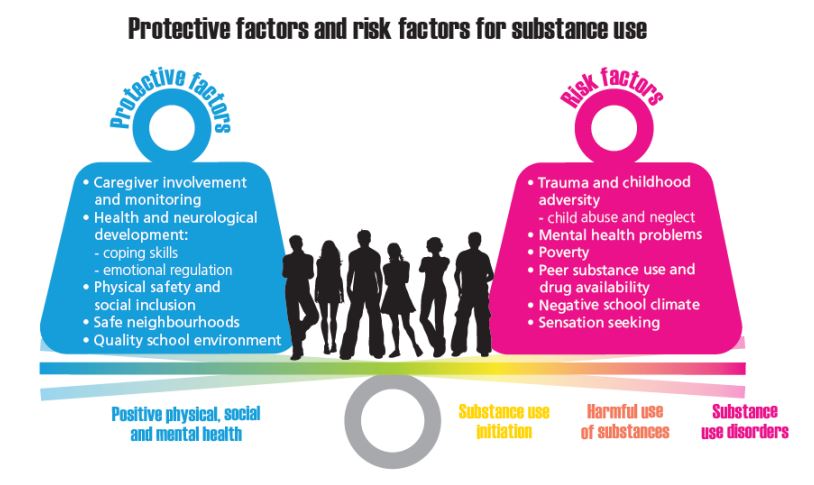
Preventive measures are crucial in anti-narcotics efforts. These steps focus on awareness and early intervention.
- Education Programs: Schools should implement drug education programs. These programs inform students about the dangers of drug use.
- Community Outreach: Community centers can host workshops. These workshops should educate parents and children about drug prevention.
- Support Systems: Establish support groups for at-risk individuals. These groups provide a safe space for sharing and support.
Legislative Changes
Legislative changes are essential to strengthen anti-narcotics policies. These changes ensure stricter enforcement and better support for affected individuals.
| Recommendation | Description |
|---|---|
| Stricter Penalties | Increase penalties for drug trafficking and distribution. This discourages illegal activities. |
| Rehabilitation Programs | Mandate rehabilitation for drug offenders. This aids in recovery and reduces recidivism. |
| Regular Monitoring | Implement regular monitoring of prescription drugs. This prevents misuse and over-prescription. |
International Cooperation
International cooperation is crucial in the fight against narcotics. Countries work together to stop drug trafficking. This collaboration helps protect citizens and reduce drug abuse. Let’s explore two ways countries cooperate: bilateral agreements and multilateral efforts.
Bilateral Agreements
Bilateral agreements are deals between two countries. These deals help both countries fight drug trafficking. For example, they share information about drug routes. They also support each other in arresting drug traffickers. These agreements make it harder for criminals to operate.
Here are some key points about bilateral agreements:
- Information sharing
- Joint operations
- Mutual legal assistance
Multilateral Efforts
Multilateral efforts involve many countries working together. Organizations like the United Nations lead these efforts. They create global strategies to fight drugs. These strategies include stopping drug production and trafficking.
Multilateral efforts often include:
- International treaties
- Global monitoring systems
- Training programs
Here’s a quick comparison between bilateral and multilateral efforts:
| Aspect | Bilateral Agreements | Multilateral Efforts |
|---|---|---|
| Participants | Two countries | Multiple countries |
| Scope | Specific issues | Global strategies |
| Examples | Information sharing | International treaties |
International cooperation strengthens the global fight against narcotics. Both bilateral and multilateral efforts are key. Together, they create a safer world for everyone.
Future Directions
The fight against narcotics is ever-evolving. As new threats arise, strategies must adapt. Understanding emerging trends and innovative solutions is crucial. This section explores what lies ahead in anti-narcotics efforts.
www.unodc.org
Emerging Trends
New drug types are constantly appearing. Synthetic drugs, for instance, are a growing concern. Law enforcement must stay ahead of these changes. Trends also show a shift in drug trafficking methods. Drones and the dark web are now common tools. These trends require new strategies and technologies.
Another trend is the global nature of the drug trade. International cooperation is more important than ever. Agencies across borders must work together closely. Sharing information and resources can make a big difference.
Innovative Solutions
Innovative solutions are key in the fight against narcotics. Technology plays a big role in these solutions. For example, AI can help predict drug trafficking routes. Drones can monitor large areas for suspicious activity.
Education and rehabilitation are also critical. Schools and communities must educate young people about the dangers of drugs. Rehabilitation programs help those affected by addiction. These programs need support and resources to be effective.
| Innovative Solutions | Description |
|---|---|
| AI Predictive Tools | Helps predict and prevent drug trafficking. |
| Drones | Monitors large areas for illegal activities. |
| Education Programs | Teaches young people about drug dangers. |
| Rehabilitation Programs | Supports recovery from addiction. |
- AI Predictive Tools: Helps predict and prevent drug trafficking.
- Drones: Monitors large areas for illegal activities.
- Education Programs: Teaches young people about drug dangers.
- Rehabilitation Programs: Supports recovery from addiction.
These solutions show promise in addressing narcotics issues. Combining technology, education, and support can create a safer future.
Case Studies
Case studies provide real-world examples of anti-narcotics efforts. They showcase the challenges and successes of these operations. Learn from these case studies to understand the field better.
Notable Operations
Some operations have made headlines. These notable operations demonstrate the scale and complexity of anti-narcotics work.
- Operation Purple Haze: This operation targeted a major drug cartel. It resulted in the seizure of 500 kilograms of cocaine.
- Operation Black Ice: Focused on synthetic drugs, this operation dismantled a large production facility. Authorities arrested 20 individuals.
- Operation Golden Triangle: This cross-border operation involved multiple countries. It led to the capture of several key figures in the narcotics trade.
Lessons Learned
Each operation provides valuable lessons. These lessons help improve future anti-narcotics efforts.
- Coordination is Key: Successful operations often involve multiple agencies. Effective communication and planning are crucial.
- Technology Enhances Effectiveness: Using advanced technology can improve tracking and surveillance. It makes operations more efficient.
- Community Involvement Matters: Engaging local communities can provide vital information. It helps authorities identify and target key players.
Case studies in anti-narcotics operations offer insights into successful strategies. They highlight the importance of coordination, technology, and community involvement.
Frequently Asked Questions
What Does Anti Narcotics Force Do?
The anti-narcotics force combats drug trafficking and abuse. They enforce drug laws, conduct investigations, and arrest offenders.
What Drugs Are Narcotics?
Narcotics include drugs like heroin, morphine, codeine, oxycodone, hydrocodone, fentanyl, and methadone. They relieve pain and can cause sedation.
What Is The Anti Narcotics Unit?
The anti-narcotics unit is a specialized law enforcement team. They combat illegal drug activities and trafficking. Their duties include surveillance, investigation, and arrests. They work to dismantle drug networks and ensure public safety.
What Does Narcotics Mean Medicine?
Narcotics in medicine refer to drugs that relieve pain and induce sleep. They often include opioids like morphine and codeine.
Conclusion
Understanding the meaning of anti-narcotics is crucial for a healthier society. It involves efforts to combat drug abuse and trafficking. Awareness and education are key to prevention. Support from communities and law enforcement can make a significant difference. Let’s work together to create a drug-free future for all.