Prevention from Suicide, Addiction, Narcotics and Pollution. Withdrawal and Recovery Facts of Narcotics | Symptoms of Suicidal thoughts & Ideations | Effects of Environment Pollution | Understand Addiction withdrawal
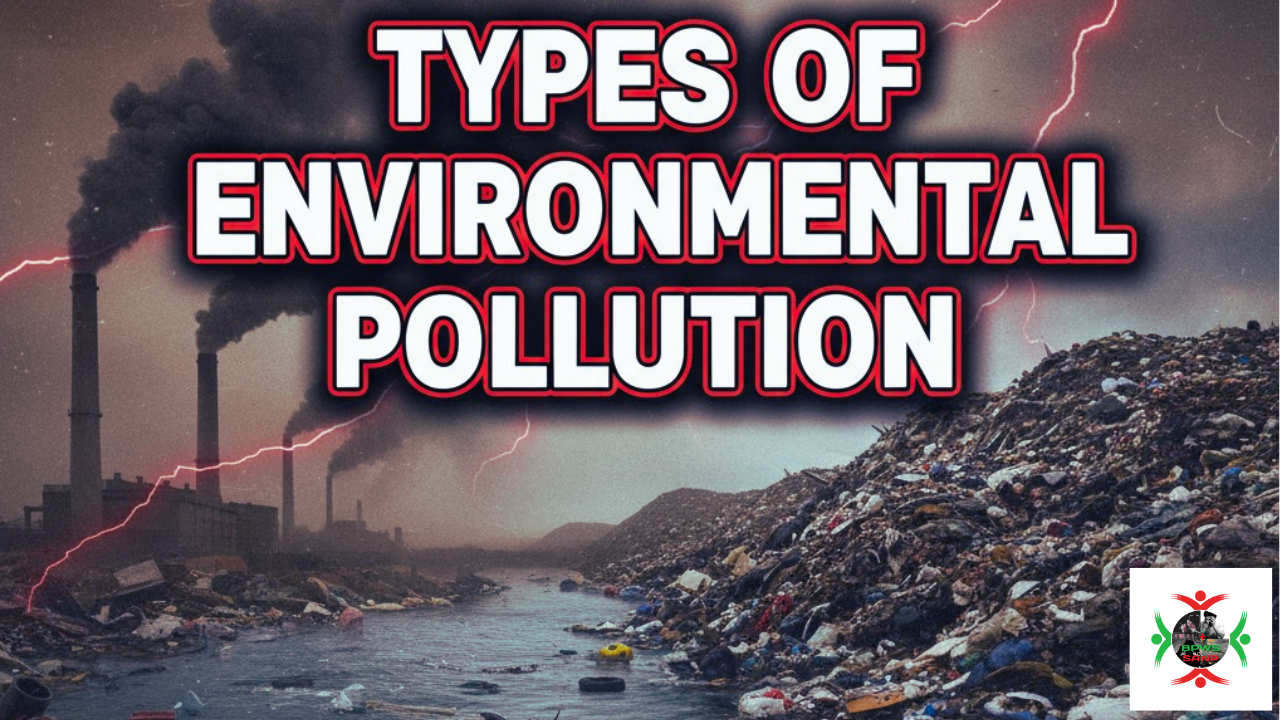
The 5 Main Types of Pollution: Causes, Effects, and Solutions
Pollution is one of the most critical challenges facing our planet today. It knows no borders, affecting bustling cities, remote oceans, and quiet rural landscapes alike. While most of us are familiar with the sight of smog hovering over a skyline or plastic waste washing up on a beach, environmental pollution is actually a complex web of different contaminants that degrade our natural resources.
At its core, pollution is the introduction of harmful materials—called pollutants—into the environment. These can be natural, such as volcanic ash, or created by human activity, such as trash or runoff produced by factories. The global impact is staggering, contributing to climate change, biodiversity loss, and millions of premature deaths annually.
Understanding the specific types of pollution is the first step toward combating them. In this guide, we will break down the five major categories of environmental pollution, examining their sources, their dangers, and the actionable strategies we can use to reduce them.
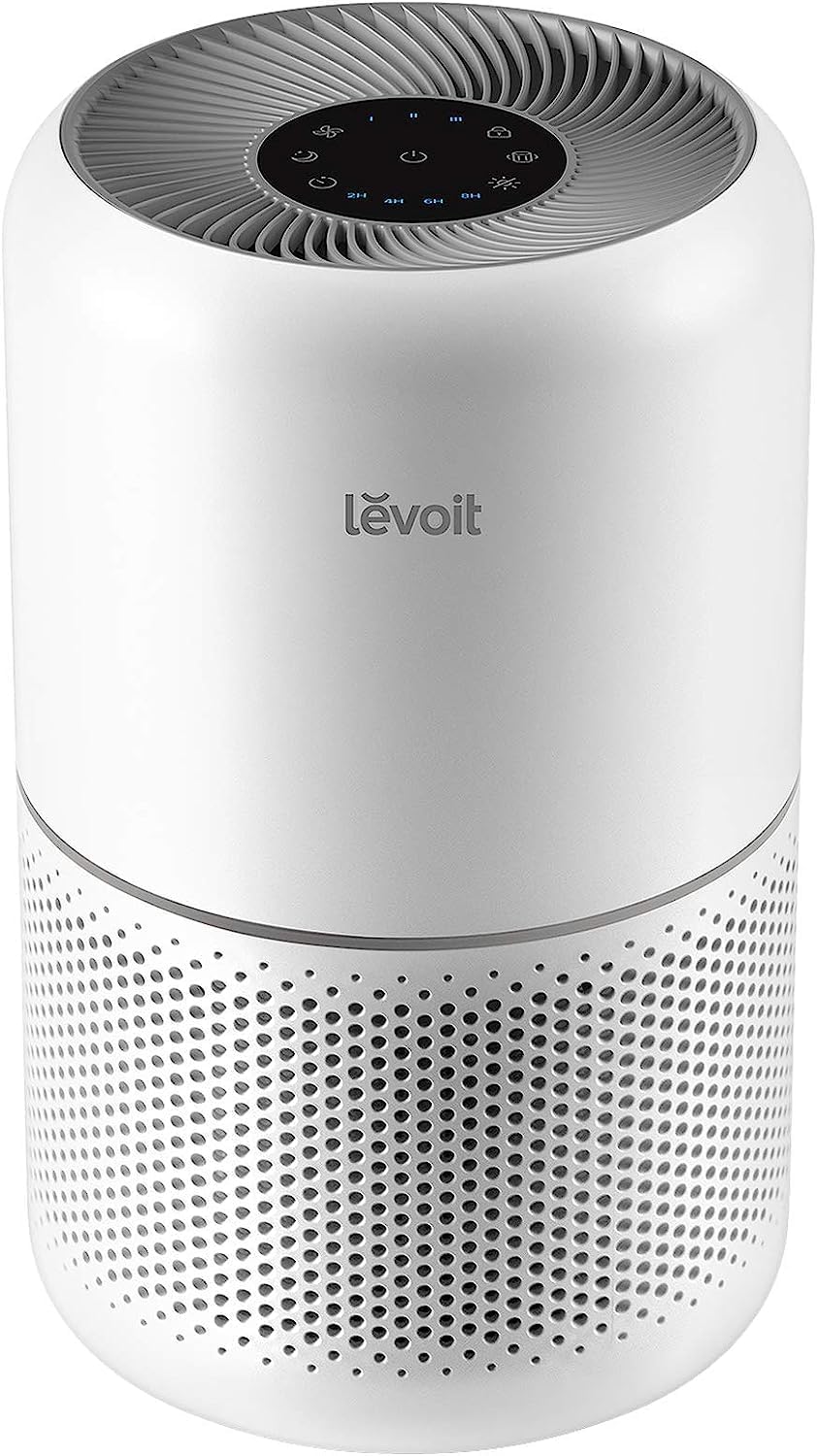
LEVOIT Air Purifier for Home – Core 300-P (White)
Powerful Air Cleaning for Allergies, Pets & Better Sleep
Breathe cleaner, fresher air every day with the LEVOIT Core 300-P Air Purifier designed for homes, bedrooms, and offices. This high-performance air purifier removes dust, smoke, odors, pet hair, and allergens while running quietly in sleep mode.
Why You’ll Love It:
✔ AHAM VERIFIDE Certified – Independently tested for proven air cleaning performance
✔ Covers Large Rooms – Cleans up to 1,073 sq. ft.
✔ True HEPA Filtration – Captures 99.97% of airborne particles (dust, pollen, pet dander, smoke)
✔ Ultra-Quiet Sleep Mode – Only 24dB for peaceful nights
✔ Powerful 56W Motor – Fast and efficient air purification
✔ Modern Award-Winning Design – Red Dot Design Award 2020
✔ Display Light Off Mode – No disturbance while sleeping
✔ Timer & Filter Indicator – Smart and easy to use
Perfect for allergy sufferers, pet owners, and anyone who wants clean, healthy indoor air.
Buy Now on Amazon: Buy Now
Air Pollution
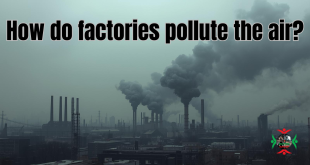
Air pollution is perhaps the most visible and widely discussed form of environmental degradation. It consists of chemicals or particles in the air that can harm the health of humans, animals, and plants. It also damages buildings.
Causes
The primary sources of air pollution are anthropogenic, meaning they originate from human activity.
- Industrial Emissions: Factories and power plants burn fossil fuels like coal and oil, releasing large amounts of carbon monoxide and sulfur dioxide.
- Transportation: Vehicles are a major contributor, emitting nitrogen oxides and particulate matter.
- Agriculture: Methane produced by livestock and the burning of crop residues significantly degrade air quality.
Effects
The consequences of breathing polluted air are severe. Long-term exposure is linked to heart disease, lung cancer, and respiratory infections. Beyond human health, air pollutants like carbon dioxide and methane are greenhouse gases that trap heat in the atmosphere, driving global climate change.
Solutions
Reducing air pollution requires a shift away from fossil fuels toward renewable energy sources like wind and solar power. On an individual level, using public transportation, carpooling, or switching to electric vehicles can lower emissions. Stricter government regulations on industrial output are also essential for cleaner skies.
Pollution Water
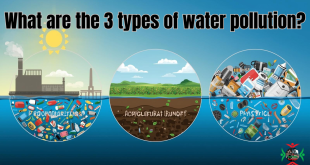
Water is essential for life, yet our water bodies—from vast oceans to local aquifers—are increasingly becoming dumping grounds for waste. Water pollution occurs when harmful substances contaminate a stream, river, lake, ocean, or other body of water, degrading water quality and rendering it toxic to humans or the environment.
Sources
- Industrial Waste: Many industrial facilities discharge harmful chemicals, including lead and mercury, directly into water bodies without proper treatment.
- Agricultural Runoff: Rain washes fertilizers and pesticides from farms into rivers. This nutrient overload can cause algae blooms that suffocate marine life.
- Marine Dumping and Plastic: Millions of tons of plastic waste end up in the oceans every year, harming wildlife that ingest or get entangled in it.
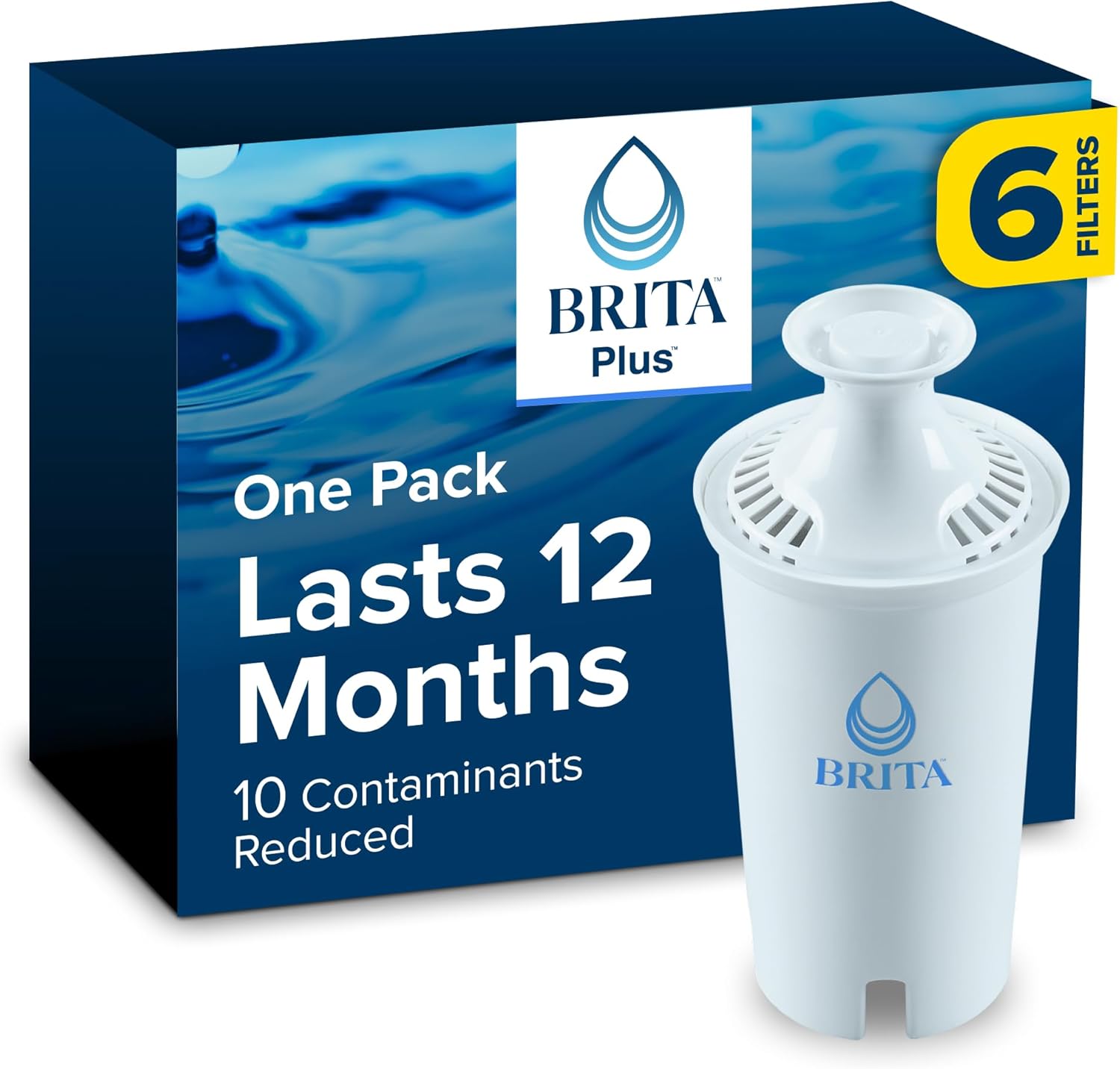
Brita Plus Water Filter Replacement (Pack of 6)
Upgrade your drinking water with Brita’s high-density replacement filters that remove more contaminants and reduce plastic waste.
Why choose Brita Plus Filters?
✔ Traps 2X more contaminants than standard Brita filters
✔ Improves water taste and reduces chlorine odor
✔ BPA-free and WQA certified
✔ Each filter lasts up to 2 months or 40 gallons
✔ Compatible with all Brita systems (except Stream)
✔ One filter replaces up to 300 plastic bottles
Save money, reduce plastic waste, and enjoy fresh, clean water at home or on the go.
Buy now from here: Buy Now
Impacts
Contaminated water is a leading cause of disease worldwide, spreading illnesses like cholera and typhoid. For ecosystems, the results are equally devastating. Oil spills can destroy marine habitats for decades, while chemical pollutants can bioaccumulate in the food chain, eventually reaching humans who consume seafood.
Prevention Strategies
Protecting our water requires strict enforcement of waste disposal laws. Farmers can adopt sustainable practices to reduce runoff, such as planting buffer zones. Individuals can contribute by reducing plastic use, properly disposing of hazardous household chemicals, and supporting organizations dedicated to ocean conservation.
Land Pollution
Land pollution refers to the destruction or decline in quality of the earth’s land surfaces. It is often caused by human activities that misuse land resources or improper waste disposal.
Causes
- Waste Disposal: Landfills are overflowing with non-biodegradable trash. As this waste decomposes, it can leach harmful chemicals into the soil.
- Mining and Deforestation: Extraction processes strip the land of vegetation and topsoil, leaving it barren and susceptible to erosion.
- Industrial Activity: Chemical spills and nuclear waste disposal sites can render large areas of land uninhabitable for generations.
Consequences
When soil is polluted, it loses its fertility, leading to lower crop yields and threatening food security. Soil degradation also destroys the natural habitat of countless plants and animals, driving biodiversity loss. Furthermore, pollutants in the soil can seep into groundwater, connecting land pollution directly to water contamination.
Remediation Methods
The “Reduce, Reuse, Recycle” mantra is vital for combating land pollution. Composting organic waste reduces landfill volume and enriches the soil naturally. Reforestation efforts help restore damaged lands, while bioremediation—using microorganisms to consume and break down pollutants—is an effective technological solution for cleaning up contaminated sites.
Noise Pollution
Often overlooked because it cannot be seen or smelled, noise pollution is an invisible danger. It is defined as unwanted or excessive sound that can have deleterious effects on human health and environmental quality.
Sources
- Traffic and Transportation: The constant drone of cars, trucks, trains, and airplanes is the leading source of environmental noise.
- Construction and Industry: Heavy machinery, pile drivers, and factory equipment generate high decibel levels that disrupt local communities.
- Urbanization: As cities grow, the collective noise of human activity creates a constant acoustic smog.
Effects
Chronic exposure to loud noise causes more than just hearing loss. It is linked to high blood pressure, heart disease, sleep disturbances, and stress. For wildlife, noise pollution is particularly disruptive. Animals that rely on sound for communication, hunting, or mating-such as bats, whales, and birds can become disoriented, leading to behavioral changes and population declines.
Mitigation Techniques
Urban planning plays a crucial role in reducing noise. This includes constructing sound barriers along highways and creating quiet green zones within cities. On a personal level, wearing ear protection in loud environments and using quieter appliances can help manage exposure.
Light Pollution
Light pollution is the excessive, misdirected, or obtrusive use of artificial light. As our world has become more industrialized and urbanized, the natural darkness of the night has largely disappeared in many regions.
Impacts
- Astronomy: Skyglow from cities makes it difficult for astronomers to observe celestial bodies, disconnecting humans from the night sky.
- Ecosystem Disruption: Artificial light interferes with the natural circadian rhythms of both humans and animals. It can confuse migrating birds, causing them to collide with buildings, and disorient sea turtle hatchlings trying to reach the ocean.
- Energy Waste: A significant portion of outdoor lighting is wasted energy, as light is often directed upward or outward rather than down where it is needed.
Ways to Reduce It
Combating light pollution is often about using light more intelligently. Installing motion sensors, using shielded fixtures that direct light downward, and switching to warm-colored LEDs can minimize skyglow. Simply turning off unnecessary lights at home and in office buildings at night is an immediate and effective step.
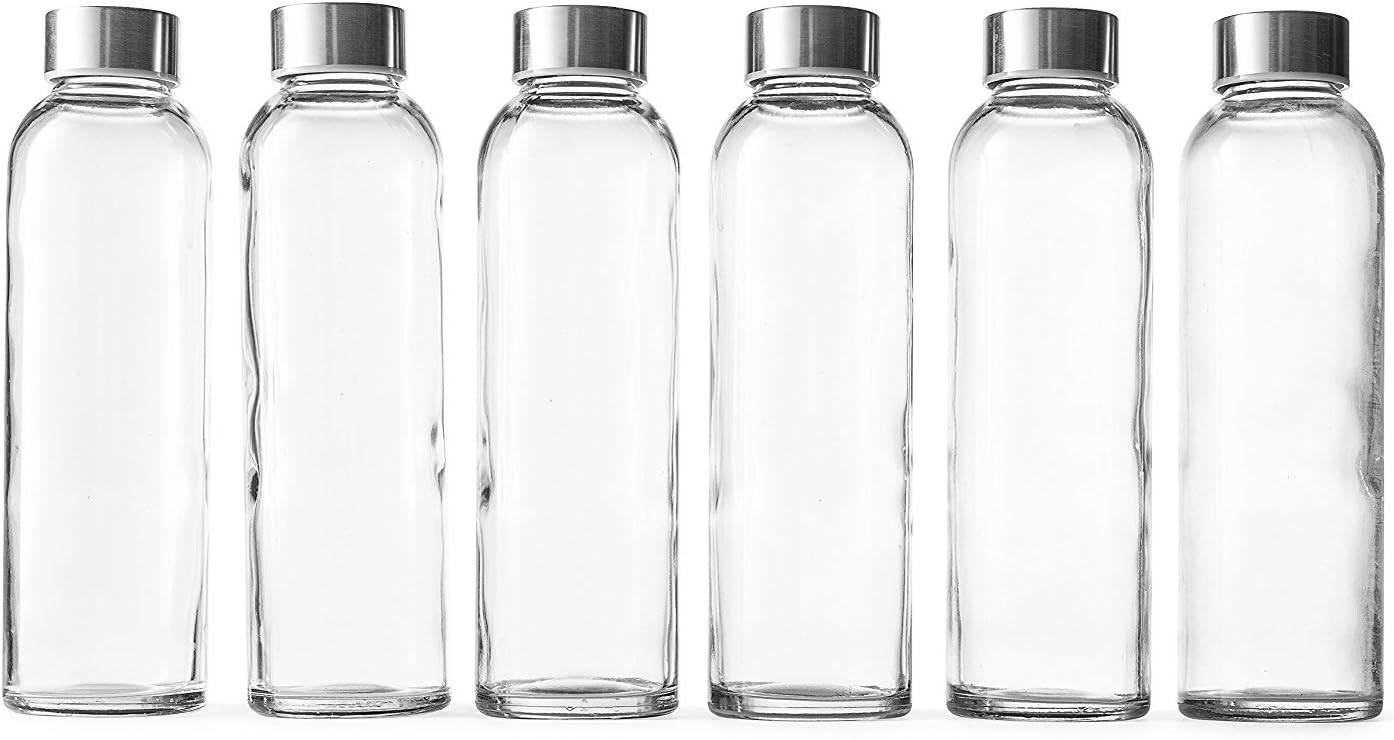
Epica Clear Glass Bottles with Lids (Set of 6) – 18oz Reusable Glass Bottles
Perfect for storing fresh juice, smoothies, milk, and more. These premium glass bottles keep your drinks fresh while adding a classy touch to your kitchen.
Why choose Epica Glass Bottles?
✔ 100% leak-proof stainless steel caps
✔ Eco-friendly, lead-free durable glass
✔ Wide mouth for easy filling and cleaning
✔ Ideal for juice, milk, smoothies & water
✔ Dishwasher safe and long-lasting
Easy to carry to work, school, or travel fits perfectly in car cup holders and lunch bags!
Buy now from here: Buy Now
Protecting Our Planet for Future Generations
Pollution is a multifaceted problem with deep roots in modern industrial society. From the air we breathe to the soil that grows our food, every aspect of our environment is under pressure. However, the situation is not hopeless.
By understanding the distinct types of pollution—air, water, land, noise, and light—we can better advocate for the systemic changes needed to address them. Whether it is supporting clean energy legislation, reducing personal waste, or simply turning off a light, every action contributes to a cleaner, healthier planet. The collective effort of individuals, corporations, and governments is the only way to ensure a sustainable future for generations to come.