Prevention from Suicide, Addiction, Narcotics and Pollution. Withdrawal and Recovery Facts of Narcotics | Symptoms of Suicidal thoughts & Ideations | Effects of Environment Pollution | Understand Addiction withdrawal
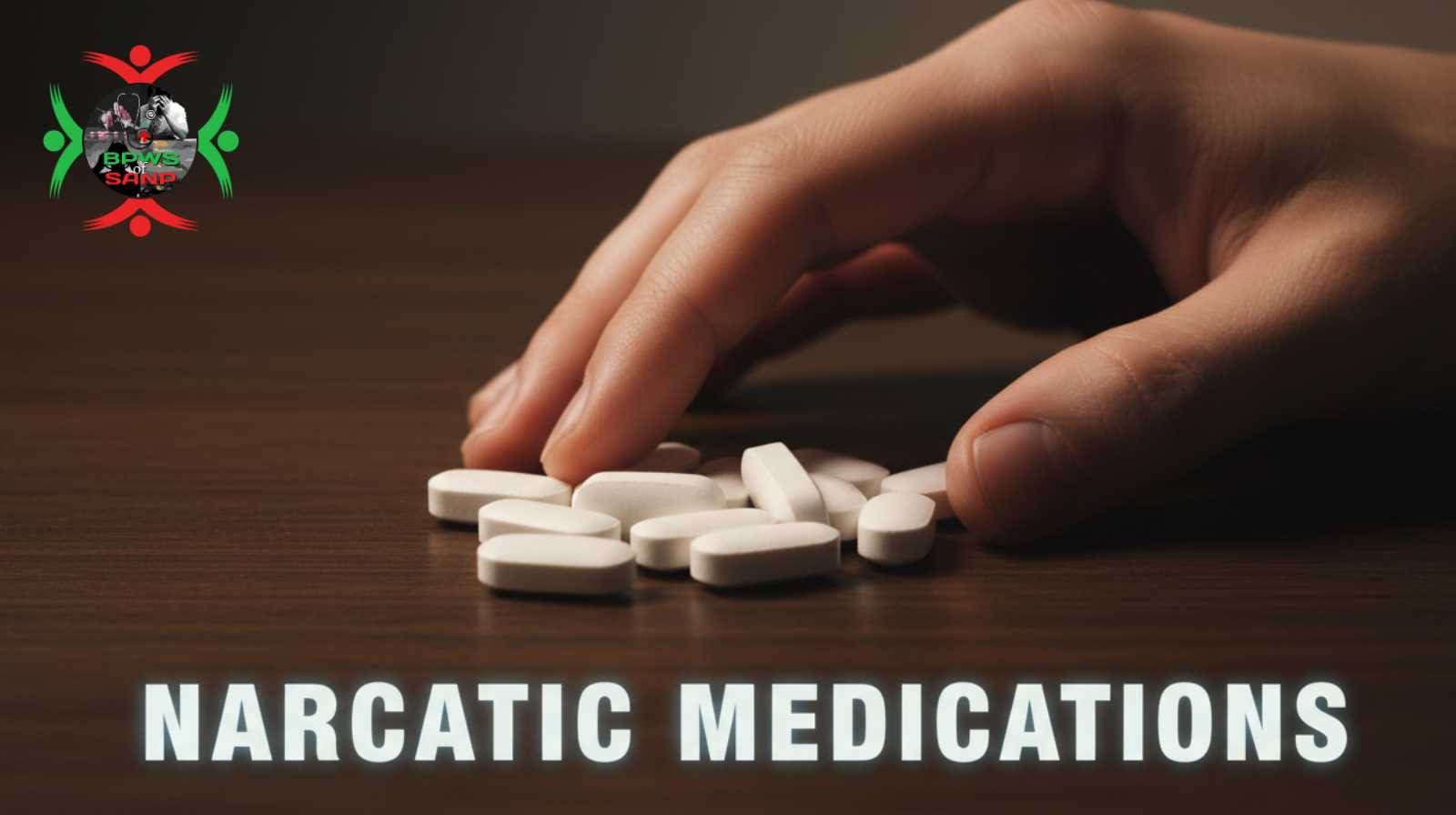
A Guide to Narcotic Medications
When it comes to intense pain, relief is a priority. For some people, narcotic medications — known collectively as opioids — are an effective option that is recommended by their doctors for controlling severe pain that does not respond to other drugs. By altering the brain’s experience of pain, these drugs provide a powerful sense of relief for everything from post-surgical rehabilitation to chronic pain treatment.
But they are also highly effective, with dangerous side effects ranging from dependence and addiction to life-threatening adverse reactions. As a result, it is essential that patients and their families are aware of what these medications are, how they function and the safe way to use them.
This guide will explain everything you need to know about narcotic drugs. We will address their types, uses, rewards and the major dangers of them. When you understand this topic better, you can understand how these powerful drugs fit into modern medicine and what to think when they are prescribed.
Breathe Cleaner, Sleep Better!
Upgrade your home, office, or dorm with the LEVOIT Core Mini-P Air Purifier. With a 3-in-1 filter system and fragrance sponge, it efficiently removes dust, smoke, pet dander, and odors, helping you enjoy fresh, clean air anytime.
Why You’ll Love It:
✔ 3-in-1 HEPA & Activated Carbon Filters — captures fine pollutants, lint, hair, and smoke
✔ Odor-Free Living — Activated Carbon filter neutralizes unwanted smells
✔ Compact & Portable — perfect for bedroom, office, kitchen, or dorm
✔ Trusted Brand — Levoit, a pioneer in air purification technology for over 6 years
✔ Easy & Safe — auto-off display ensures uninterrupted sleep
🛒 Grab it here: Buy Now
What Are Narcotic Medications?
Narcotic drugs (opioids), such as hydromorphone, attach to receptors on nerves in the brain and blood vessels. When they attach to these receptors, they intercept pain signals that the body sends through the spinal cord to the brain. Not only does this relieve the sensation of pain, but it may also cause feelings of euphoria or extreme relaxation, both of which contribute to their high potential for abuse and addiction.
Originally, the term “narcotic” referred to any psychoactive compound with sleep-inducing properties. Today, it has a more precise medical and legal definition: Almost always, when people talk about addiction, they mean opioids. They can be natural substances, which are extracted from the seed pod of the opium poppy; semi-synthetic drugs, which is a combination of natural opiates and man-made compounds produced in a laboratory; or synthetic medications created using only man-made sources.
Because of their serious effects and potential for dependence, narcotic drugs are often scheduled, that is the prescription or dispensation of such medications closely regulated by government agencies such as the Drug Enforcement Administration (DEA) in the United States.
Common Types of Narcotic Medications
Narcotics come in a variety of medications that have different levels of strength, duration and how they are produced. They can be broadly classified as natural, semisynthetic or synthetic.
Natural Opioids
These are alkaloids derived directly from the opium poppy plant.
- Morphine: A pillar of pain control, commonly used for severe post-operative pain or cancer pain.
- Codeine: A weaker opioid drug, often used for mild to moderate pain and occasionally as a cough suppressant.
Semi-Synthetic Opioids
These are synthesized from natural opioids.
- Oxycodone (OxyContin, Percocet): A strong painkiller used to treat moderate to severe pain. It comes in both immediate-release and extended-release formulations.
- Hydrocodone (Vicodin, Lortab): Hydrocodone is about as potent as oxycodone and widely prescribed for many different kinds of pain; it’s frequently mixed with non-opioid pain relievers such as acetaminophen.
- Hydromorphone (Dilaudid): An extremely strong opioid used for high-level pain in a hospital.
Fully Synthetic Opioids
These are entirely man-made in a laboratory.
- Fentanyl: A powerful synthetic opioid, believed to be 50 to 100 times more potent than morphine. It’s prescribed in cases of severe pain, frequently for cancer patients or during surgery, but is also a leading factor in the opioid overdose crisis because it; s illicitly made and distributed as well.
- Methadone: Used both for pain control and treatment of opioid addiction. It eases the withdrawal symptoms and cravings of individuals dependent on other opioids.
- Tramadol (Ultram): A man-made opioid said to be less potent than most; also used for moderate pain.

Deep Muscle Relief at Home!
Take your recovery and performance to the next level with the 321 STRONG Foam Roller perfect for deep tissue massage, myofascial release, and pain relief.
Why You’ll Love It:
✔ Patented Design — targets knots and tense muscles in your back, neck, and shoulders
✔ Therapist-Like Massage — textured EVA foam mimics hands, fingers, and thumbs
✔ Three Massage Zones — adjust intensity with fingertip, thumb, and palm-like projections
✔ Supports Recovery — reduces soreness, enhances flexibility, and lowers injury risk
✔ Premium Quality — lightweight, BPA-free, and durable
✔ Bonus eBook — learn massage techniques and stretches for maximum benefit
🛒 Grab it here: Buy Now
Uses of Narcotic Medications
Pain reduction is the major medical application for narcotic drugs. They are prescribed by doctors in a range of cases where the pain justifies their use.
- Management of Severe Pain: This is pain which occurs after operations, trauma (e.g. a broken bone), or painful medical procedures. In that case, the exposure to opioids is generally short.
- Chronic Pain Treatment: Opioids are a treatment option for chronic conditions such as disabling back pain, osteoarthritis or neuropathic pain, if non-opioid and other non-pharmacologic treatments have not worked. It is very controversial to prescribe clonazepam on a long term basis due to the danger of addiction and loss of efficacy (tolerance).
- Cancer Pain: Opioids are routinely integrated into the palliative care of those suffering severe cancer-related pain towards advanced stages of cancer and provide relief to their quality of life.
- End-of-Life Care: Narcotic medications are crucial for providing comfort in hospice-type care.
Benefits of Narcotic Medications
If used properly and under a doctor’s care, narcotic pain medicines can be extremely helpful. Their primary benefit is reducing severe pain to a level permitting patient functioning, rest, and recuperation that are unattainable with other medications. This pain relief is important for healing of those who are recuperating from surgery or a catastrophic injury. For the person who has chronic, or life-threatening illnesses pain medication including opioids can help manage a persons level of pain and improve it drastically.
Risks and Side Effects of Narcotic Medications
These medications have a long list of potential side effects and risks, despite their advantages. Even if used as directed you can suffer:
- Drowsiness and confusion
- Nausea and vomiting
- Constipation
- Slowed breathing (respiratory depression)
The most severe adverse reaction and the leading cause of fatal outcome in opioid overdose is respiratory depression. The risk doubles if the opioids are combined with other central nervous system depressants like alcohol or benzodiazepines.
People can develop tolerance with long-term use, so higher doses are needed to provide the same level of pain relief. This can raise the risk of overdose. Physical dependence is a predictable result of long-term use, and means that the body has adapted to the drug so much that its absence leads to withdrawal symptoms if it is withdrawn suddenly.
Narcotic Medications and Addiction
Addiction potential is one of the biggest fears for this class of medication. The opioid use disorder (OUD) or addiction is chronic diseases involving compulsive drug-seeking and consumption in spite of adverse impacts. The euphoria one can experience from taking opioids motivates drug-taking behavior, and the next thing you know, a person goes down a slippery slope of misuse and addiction.
Nobody is safe from addiction if they take prescription narcotic medications, even though a personal or family history of substance abuse or mental health problems and longer term use can add to that risk.
Safe Use of Narcotic Medications
To reduce the dangers, it’s important to take narcotic drugs safely and only in the ways described by a doctor.
- Obey Your Doctor: Do not take more than the amount your doctor has prescribed for you – do not take it more often.
- Do Not Share Your Medication: This prescription is yours and no one else’s. What’s safe for you might harm someone else.
- Safely Store Medications: Place them in a locked cupboard to avoid misuse by others, including kids and teens.
- Dispose of Medication Properly: Do not hang onto pills. It can be safely disposed of in many pharmacies and police stations with a take-back program.
- Don’t Drink: Don’t consume alcohol when using narcotics, as it can make you more likely to experience dangerous side effects.
Alternatives to Narcotic Medications
Given the risks, doctors and patients are increasingly looking for alternatives to manage pain. These can include:
- Non-Opioid Pain Relievers: Over-the-counter Advil and Tylenol, as well as prescription NSAIDS.
- Physical Therapy: Exercise and treatments to make muscles stronger, improve movement, and lessen pain.
- Acupuncture and Massage Therapy: These are complementary treatments that may reduce pain for some people.
- Nerve Blocks and Shots: Treatments that send pain-disabling drugs to the source of the pain.
- Cognitive-Behavioral Therapy (CBT): A type of talk therapy that teaches patients coping strategies, focusing on changing the way they think and behave in relation to pain.

Boost Your Core & Balance!
Take your workouts to the next level with the Trideer Exercise Ball perfect for yoga, Pilates, fitness training, and office posture support.
Why You’ll Love It:
✔ Anti-Slip Design — enhanced grip for stability and safety
✔ Premium PVC Material — non-toxic, durable, and burst-resistant
✔ Supports Up to 330 lbs — reliable for all fitness levels
✔ Versatile Use — perfect for workouts, physical therapy, and active sitting
✔ Quick Inflation Pump Included — easy setup for instant use
✔ Multiple Sizes — fits different body types and goals
🛒 Grab it here: Buy Now
The Path Forward
Opioids are a two-edged sword in the medicine of today. They provide unparalleled relief from pain, but at tremendous risk of side effects, dependence and addiction. Knowing both the benefits and risks is critical to any patient who’s been prescribed these potent pills.
What’s important is using it safely, being honest with your physician and finding other ways to treat pain. Through awareness and vigilance, patients may embrace these medications’ proven benefits while reducing their potential for harm.