Prevention from Suicide, Addiction, Narcotics and Pollution. Withdrawal and Recovery Facts of Narcotics | Symptoms of Suicidal thoughts & Ideations | Effects of Environment Pollution | Understand Addiction withdrawal
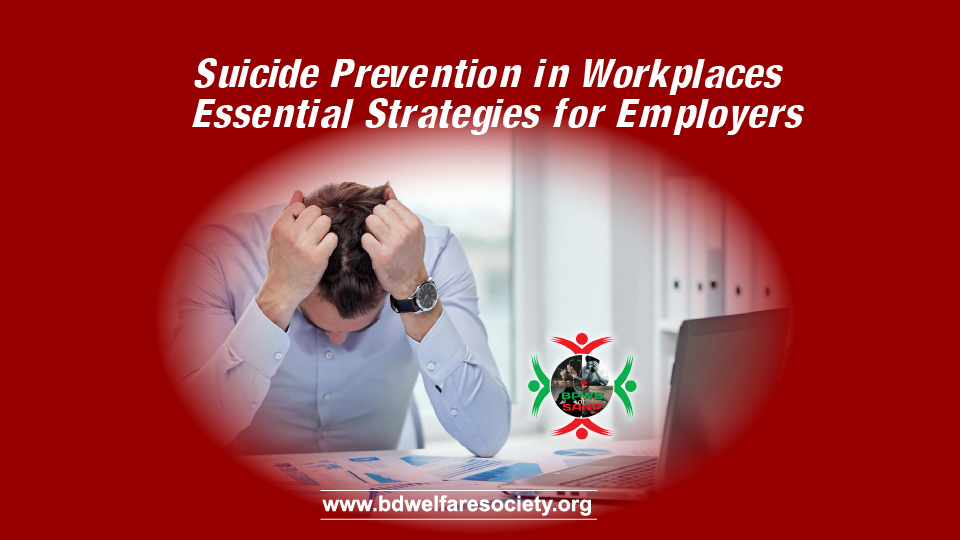
Promoting mental health awareness and providing support resources are essential for suicide prevention in workplaces. Encourage open communication to foster a supportive environment.
Workplaces play a crucial role in employees’ mental well-being. Creating a supportive and open environment can help prevent suicide. Mental health awareness initiatives and accessible support resources are vital. Employees should feel comfortable discussing their mental health without fear of stigma.
Implementing mental health training for managers can also be beneficial. Regular check-ins and providing access to counseling services can make a significant difference. Encourage a culture of empathy and understanding. Recognize the signs of distress and take timely action. By prioritizing mental health, workplaces can create a safer, healthier environment for everyone.
Importance Of Mental Health
Mental health is crucial in the workplace. Suicide prevention plays a vital role in maintaining a healthy work environment. Employees spend a large part of their day at work. A supportive atmosphere can save lives and boost overall productivity.
Impact On Productivity
Mental health issues can greatly reduce a worker’s productivity. A stressed employee may struggle to meet deadlines. They may also lack the energy to complete tasks. Absenteeism is a common problem. Workers with mental health challenges might take more sick days. This leads to a decrease in work output. Presenteeism is another issue. Employees may be present but not fully engaged. This can lower the quality of their work. Creating a supportive environment can help. Workers are more likely to seek help if they feel safe. This can improve their mental health and productivity.
- Open communication: Encourage employees to speak about their issues.
- Support programs: Offer counseling and mental health resources.
- Flexible schedules: Allow flexible work hours to reduce stress.
Providing training for managers is also important. They should learn to spot the signs of mental health issues. This can lead to early intervention and support.
Employee Well-being
Employee well-being is essential for a thriving workplace. Happy and healthy workers are more productive. They are also more likely to stay with the company. Mental health support can improve overall well-being. This includes access to mental health professionals. It also includes a supportive work culture. Physical health is also important. Regular exercise can boost mental health. Encourage employees to take breaks and stay active.
| Factor | Benefit |
|---|---|
| Mental Health Resources | Reduces stress and anxiety |
| Physical Activity | Improves mood and energy |
| Supportive Culture | Increases job satisfaction |
Building a supportive community at work is key. Encourage team activities and social interactions. This can create a sense of belonging and reduce isolation.
Recognizing Warning Signs
Suicide prevention in workplaces is crucial. Recognizing warning signs can save lives. Many people spend most of their time at work. Thus, the workplace becomes an important place to spot signs of distress. By being aware and taking action, we can help our colleagues. This blog will explore the signs to look for.
Behavioral Changes
Behavioral changes are key warning signs. Sudden changes in behavior can indicate distress. Pay attention to these changes:
- Withdrawal from social activities
- Loss of interest in work
- Noticeable changes in mood
- Frequent absences
These changes might seem minor. But they can be signals of deeper issues. Persistent sadness or irritability are common signs. Watch for drastic changes in performance. A once-productive employee may now struggle to complete tasks. Increased conflict with colleagues can also be a red flag.
| Behavioral Change | Possible Indication |
|---|---|
| Withdrawal | Feeling isolated or depressed |
| Loss of interest | Possible burnout or depression |
| Frequent absences | Struggling to cope |
| Increased conflict | High stress or frustration |
Recognizing these signs early can make a huge difference. Intervene and offer support. This can help prevent a tragedy. https://www.youtube.com/watch?v=wiAKJ7wldD4
Creating Supportive Environments
Workplaces play a vital role in preventing suicide. Creating supportive environments can save lives. Understanding how to foster such environments is crucial. This blog will explore two key aspects: Open Communication and Peer Support Programs.
Open Communication
Open communication is essential for a supportive workplace. Employees need to feel safe sharing their thoughts. Here are some ways to encourage open communication:
- Regular check-ins with team members.
- Anonymous feedback systems.
- Mental health training for managers.
Regular check-ins help identify issues early. Managers should schedule short meetings. These meetings should focus on well-being. Employees can share concerns openly. Anonymous feedback systems are also helpful. These systems allow employees to voice issues without fear. Setting up a suggestion box or an online form can be effective. Feedback should be reviewed regularly. Action should be taken based on the feedback. Mental health training for managers is crucial. Training helps managers spot warning signs. They learn how to approach sensitive topics. Training sessions should be held annually. They can include role-playing scenarios.
Peer Support Programs
Peer support programs are another key element. These programs create a network of trust among employees. Here are some features of effective peer support programs:
- Voluntary participation.
- Confidentiality agreements.
- Training for peer supporters.
Voluntary participation ensures that only willing employees join. This keeps the program genuine and effective. Employees feel more comfortable when they choose to participate. Confidentiality agreements protect the privacy of participants. Trust is built when employees know their issues are kept private. This encourages more people to seek support. Training for peer supporters is vital. Training should cover listening skills and crisis management. Peer supporters must know how to handle sensitive situations. Regular refresher courses can keep their skills sharp.
Training For Managers
Suicide Prevention in Workplaces is a critical issue that needs immediate attention. Training for Managers plays a pivotal role in creating a supportive environment. Managers can act as the first line of defense by recognizing warning signs and providing necessary support. This post delves into essential training aspects for managers, focusing on Mental Health First Aid and Crisis Intervention Techniques. https://www.youtube.com/watch?v=5sVFrK7ryz4
Mental Health First Aid
Mental Health First Aid is a training program that teaches managers how to help employees in distress. This training is crucial as it equips managers with the skills to recognize early signs of mental health issues. Early intervention can make a significant difference. Here are some key components of Mental Health First Aid training:
- Recognizing Warning Signs: Identifying symptoms like mood swings, withdrawal, and changes in performance.
- Approaching Employees: Learning how to approach employees in a non-judgmental and supportive manner.
- Providing Support: Offering initial support and guiding employees to professional help.
- Understanding Mental Health: Gaining a basic understanding of common mental health disorders.
This training also includes role-playing scenarios to practice these skills. Managers learn to handle real-life situations effectively. Training sessions usually span over several hours and can be conducted in-person or online. Incorporating Mental Health First Aid into workplace training programs ensures that managers are well-prepared. This proactive approach can help in creating a safer and more supportive work environment.
Crisis Intervention Techniques
Managers must also be trained in Crisis Intervention Techniques. These techniques are essential for dealing with employees in acute distress. Prompt and effective intervention can prevent situations from escalating. Key aspects of Crisis Intervention Techniques include:
- Active Listening: Paying full attention to the employee and acknowledging their feelings.
- De-escalation Skills: Using calm and reassuring language to defuse tense situations.
- Safety Planning: Developing a plan to ensure the employee’s safety and well-being.
- Referral to Professional Help: Guiding the employee to seek professional assistance if needed.
Training often includes case studies and practical exercises. Managers practice these techniques in simulated crisis scenarios. This hands-on approach helps them gain confidence in their ability to manage crises. Crisis Intervention Techniques are a vital part of a comprehensive training program for managers. These skills empower managers to act swiftly and effectively in critical situations. Properly trained managers can make a significant difference in preventing workplace suicides. https://www.youtube.com/watch?v=9Exv-NoYeUs
Resources And Programs
Workplaces play a crucial role in promoting mental well-being. Suicide prevention is a vital part of this. Resources and programs can help employees cope with stress and mental health issues. This article explores two key aspects: Employee Assistance Programs and Mental Health Days.
Employee Assistance Programs
Employee Assistance Programs (EAPs) offer support to employees facing personal issues. These programs are confidential and available to all staff members. They help with problems like stress, anxiety, and depression. Key features of EAPs include:
- Counseling services: Professional therapists offer one-on-one sessions.
- Hotlines: 24/7 support lines for immediate help.
- Workshops: Training sessions on stress management and mental health.
Benefits of EAPs:
- Improved employee productivity and focus.
- Reduced absenteeism and turnover rates.
- Enhanced workplace morale and culture.
These programs can be a lifeline for employees. They provide the support needed to navigate tough times.
Mental Health Days
Mental Health Days are days off for employees to focus on their mental well-being. These days can help prevent burnout and reduce stress. Benefits of Mental Health Days include:
- Reduced stress and anxiety levels.
- Improved work-life balance.
- Increased job satisfaction.
Some workplaces offer a set number of Mental Health Days per year. Others allow employees to take these days as needed. Steps to implement Mental Health Days:
- Create a clear policy on how and when to take these days.
- Ensure managers are trained to support this policy.
- Encourage a culture that values mental health.
Mental Health Days can make a big difference. They show employees that their well-being matters.
Credit: workplacesuicideprevention.com
Policies And Procedures
Workplaces play a vital role in preventing suicides. Implementing effective policies and procedures can save lives. It’s important to create a supportive environment. Employees should feel safe and valued. Protocols and regular reviews are key.
Clear Protocols
They guide employees on what to do in a crisis. Having a well-defined plan helps reduce confusion. Here are some important steps to include:
- Immediate response: Know who to contact first.
- Communication: Inform the right people quickly.
- Support: Provide immediate help to the person in crisis.
- Follow-up: Ensure ongoing support and care.
Clear protocols should also include training. Employees need to know how to recognize signs of distress. They should be able to act quickly and confidently. Training sessions can include:
- Role-playing scenarios to practice responses.
- Workshops on mental health awareness.
- Guest speakers from mental health organizations.
Implementing these protocols will make the workplace safer. Employees will feel supported and valued. This can lead to better mental health for everyone.
Regular Reviews
Regular reviews are necessary for effective suicide prevention. They help ensure that policies and protocols are working. Reviews should be conducted at least twice a year. During these reviews, focus on:
- Assessing the effectiveness of current policies.
- Gathering feedback from employees.
- Identifying areas for improvement.
Feedback is crucial. Employees should feel comfortable sharing their experiences. Anonymous surveys can help gather honest opinions. Based on the feedback, update the protocols. Make sure they stay relevant and effective. Regular reviews can involve:
- Team meetings to discuss recent incidents.
- Workshops to refine skills and knowledge.
- Consultations with mental health experts.
These reviews ensure that the workplace remains vigilant and prepared. They help maintain a safe and supportive environment. Regular reviews are a key part of ongoing suicide prevention efforts.
Promoting Work-life Balance
Suicide Prevention in Workplaces is a crucial topic that needs attention. Promoting Work-Life Balance can significantly reduce stress and promote mental well-being. A supportive work environment is essential for the mental health of employees. Implementing effective strategies can help create a healthier workplace.
Flexible Working Hours
Flexible working hours can greatly reduce stress for employees. Allowing employees to choose their work hours can lead to a better work-life balance. When employees have control over their schedules, they can manage their personal and professional lives better. This flexibility can lead to increased job satisfaction and productivity. Here are some benefits of flexible working hours:
- Employees can avoid rush hour traffic.
- Parents can manage their children’s schedules better.
- Employees can attend personal appointments without stress.
- Improved focus and productivity during work hours.
Implementing flexible working hours requires trust and clear communication. Employers must set clear expectations and guidelines. This will ensure that work is completed on time without compromising quality. The following table shows the positive impact of flexible working hours:
| Benefit | Impact |
|---|---|
| Reduced Stress | Improved mental health |
| Better Work-Life Balance | Increased job satisfaction |
| Higher Productivity | Better work quality |
Encouraging Time Off
Encouraging time off is crucial for employees’ mental health. Taking regular breaks can prevent burnout and reduce stress. Employees need time to recharge and refresh. Encouraging employees to take their vacation days can lead to a healthier workplace. Here are some ways to encourage time off:
- Set an example by taking regular breaks and vacations.
- Promote the importance of mental health in the workplace.
- Offer incentives for employees who take their vacation days.
- Provide resources for planning vacations and time off.
Regular time off can lead to more motivated and productive employees. When employees return from a break, they are often more focused and creative. Employers should create a culture that values rest and relaxation. This will lead to a happier and healthier workforce. The following table shows the benefits of encouraging time off:
| Benefit | Impact |
|---|---|
| Reduced Burnout | Improved mental health |
| Higher Motivation | Increased productivity |
| Better Creativity | Innovative solutions |

Credit: www.sallyspencerthomas.com
Success Stories
Suicide prevention in workplaces is crucial. Many companies have taken steps to help their employees. These steps can save lives and create a better work environment. Success stories show that these efforts work. They give hope and guidance to other organizations. Understanding how to prevent suicide at work can make a huge difference.
Case Studies
Many companies have shared their stories of success. Company A started a mental health program. They saw a drop in employee stress. They offered counseling and support groups. This helped employees feel more connected. Another example is Company B. They trained their managers to spot signs of distress. This allowed them to help employees early. Company C used an anonymous hotline. Employees could call for help without fear. These case studies show that small steps can lead to big changes. Here are some key steps taken by these companies:
- Company A: Mental health programs, counseling, support groups
- Company B: Manager training, early intervention
- Company C: Anonymous hotline for help
Each company found a way to support their staff. Their stories inspire other businesses to take action. Every workplace can learn from these examples.
Employee Testimonials
Employees have shared their experiences with these programs. John from Company A felt less stressed. He said the counseling helped him. Sarah from Company B was grateful for her manager’s support. She felt seen and heard. Mike from Company C used the hotline. It saved his life. These testimonials show the real impact of these programs. Here are some direct quotes from employees:
- John from Company A: “The counseling sessions were a lifesaver.”
- Sarah from Company B: “My manager’s support meant everything to me.”
- Mike from Company C: “The hotline gave me hope when I had none.”
These stories highlight the importance of support. Employees feel safer and more valued. This leads to a happier and healthier workplace. Every employee’s story matters. Their voices show the success of these programs.
References/further Reading
Suicide prevention in workplaces is a crucial topic. Many people spend a lot of time at work. Workplaces should be safe and supportive. Addressing mental health at work can save lives. Employees need to feel cared for and understood.
Understanding The Importance Of Mental Health
Mental health is very important. It affects how people think, feel, and act. Good mental health helps people cope with stress. It also helps them work well and make good choices. Poor mental health can lead to serious problems. Workplaces need to promote mental health for everyone.
Signs Of Distress In Employees
There are many signs of distress. Changes in behavior are a big sign. Employees may seem sad or anxious. They might miss work or be late often. Decreased productivity is another sign. People might struggle to focus on tasks. Physical symptoms like headaches or stomachaches can also be signs.
Creating A Supportive Environment
Supportive environments are key. Encourage open conversations about mental health. Make sure employees know it’s okay to ask for help. Provide resources like counseling services. Training programs can help managers support their teams.
Implementing Training Programs
Training programs are very helpful. Teach managers to recognize signs of distress. They should learn how to approach employees gently. Role-playing exercises can be useful. This helps managers practice these skills. Regular training keeps everyone prepared.
Offering Resources And Support
Workplaces should offer many resources. Counseling services are very important. Hotlines can provide immediate help. Workshops and seminars can educate employees. They can learn about coping strategies and self-care. Offering these resources shows that the workplace cares.
Credit: theactionalliance.org
Frequently Asked Questions
What Is Workplace Suicide Prevention?
Workplace suicide prevention involves strategies and programs to identify, support, and assist employees at risk of suicide.
Why Is Suicide Prevention Important At Work?
It fosters a supportive environment, reduces stigma, and can save lives by providing necessary resources and intervention.
How Can Employers Support Mental Health?
Employers can offer mental health resources, training, and a supportive culture that encourages open dialogue about mental health.
What Are Warning Signs Of Suicide In Employees?
Warning signs include withdrawal, mood swings, decreased performance, and expressing feelings of hopelessness or being a burden.
What Should You Do If A Coworker Is Suicidal?
Encourage them to seek professional help, listen non-judgmentally, and inform appropriate workplace authorities for further support.
Conclusion
Creating a supportive workplace can save lives. Promote mental health resources and encourage open conversations. Train staff to recognize warning signs. By prioritizing suicide prevention, businesses foster a safer, healthier environment. Remember, every effort counts towards making a difference. Let’s work together to support our colleagues and create a positive workplace culture.