Prevention from Suicide, Addiction, Narcotics and Pollution. Withdrawal and Recovery Facts of Narcotics | Symptoms of Suicidal thoughts & Ideations | Effects of Environment Pollution | Understand Addiction withdrawal
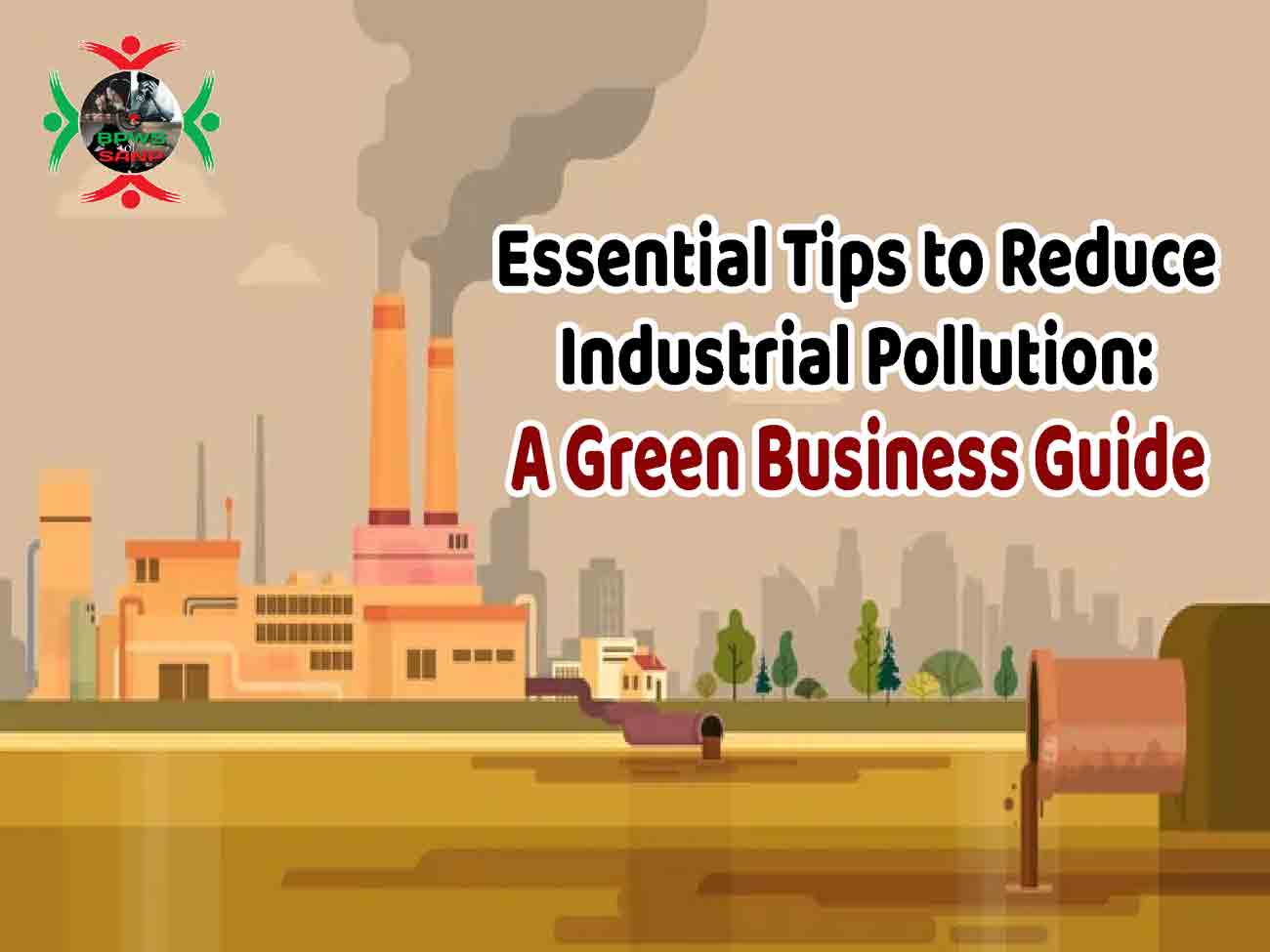
Implementing sustainable practices and adopting cleaner technologies can significantly reduce industrial pollution. Businesses must prioritize environmental responsibility for long-term success.
Industrial pollution causes a severe threat to our environment and public health. Companies must take proactive steps to minimize their environmental impact. Adopting energy-efficient processes, reducing waste, and utilizing renewable resources are crucial strategies. Regular maintenance of equipment can prevent leaks and emissions.
Educating employees about sustainable practices fosters a culture of responsibility. Governments also play a role by enforcing regulations and offering incentives for green initiatives. By integrating these practices, businesses can achieve a cleaner, healthier environment and enhance their brand reputation. Sustainable actions today ensure a thriving planet for future generations.
The Gravity Of Industrial Pollution
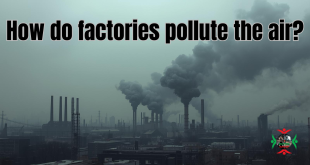
Industrial pollution poses a significant threat to our planet. It impacts both nature and people. Understanding its gravity is crucial for creating a greener world. Factories release harmful substances into air, water, and soil. This pollution has severe consequences.
Impact On Ecosystems
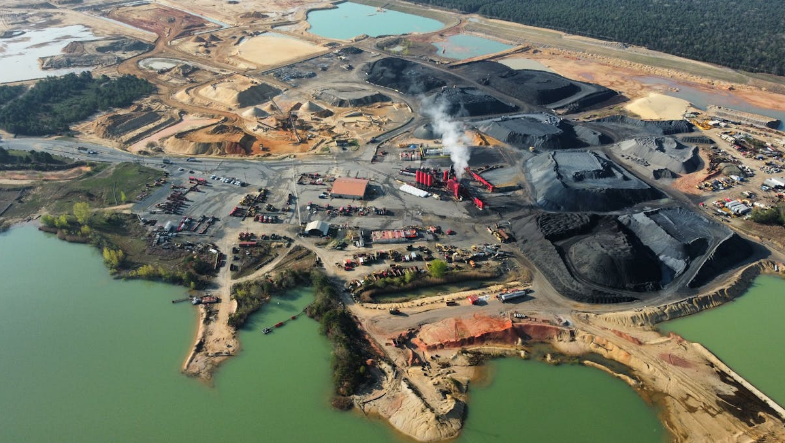
Industrial pollution disrupts natural habitats. Toxic chemicals contaminate water bodies. This affects fish and aquatic plants. Polluted air harms birds and mammals. Soil pollution destroys plant life.
Pollution also leads to biodiversity loss. Many species cannot survive in polluted environments. Trees and plants absorb toxic substances from the soil. This affects their growth and health.
| Pollutant | Source | Effect on Ecosystem |
|---|---|---|
| Heavy Metals | Factories | Contaminates soil and water |
| Particulate Matter | Industrial Emissions | Reduces air quality |
| Plastic Waste | Manufacturing Units | Endangers marine life |
Health Risks For Communities
People living near factories face health risks. Polluted air can cause breathing problems. Children and the elderly are most affected.
Contaminated water can cause serious illnesses. Chemicals in water affect human health. Skin diseases, stomach infections, and other issues can arise.
- Breathing problems from poor air quality
- Skin diseases from contaminated water
- Stomach infections from polluted water
Industrial pollution also affects mental health. Constant exposure to toxins can cause stress. Communities need safer environments to thrive.
Legal Frameworks And Regulations
Reducing industrial pollution is critical for sustainable growth. Legal frameworks and regulations play a key role in guiding industries towards greener practices. Understanding these frameworks can help businesses stay compliant and eco-friendly.
International Protocols
Global agreements set the stage for reducing pollution. These international protocols aim to curb harmful emissions and promote sustainable practices. Countries collaborate to create a safer environment for everyone.
- Kyoto Protocol: Focuses on reducing greenhouse gases.
- Paris Agreement: Aims to limit global warming to 1.5°C.
- Montreal Protocol: Targets substances that deplete the ozone layer.
National Policies And Compliance
Each country has its own set of rules to manage industrial pollution. National policies and compliance ensure industries follow specific guidelines. These policies help maintain air, water, and soil quality.
| Country | Key Regulation | Focus Area |
|---|---|---|
| United States | Clean Air Act | Air Quality |
| India | Water (Prevention and Control of Pollution) Act | Water Quality |
| Germany | Recycling and Waste Management Act | Waste Reduction |
Companies must stay updated on these regulations. Compliance not only avoids penalties but also benefits the environment. Regular audits and monitoring can ensure continuous adherence.
Adopting Cleaner Production Techniques
Reducing industrial pollution requires adopting cleaner production techniques. These techniques help businesses reduce their environmental impact. Cleaner production techniques also boost efficiency and save costs. This section outlines key methods to achieve this goal.
Energy-efficient Machinery
Switching to energy-efficient machinery is crucial for reducing industrial pollution. Modern machines consume less energy and produce fewer emissions. This change can significantly reduce a company’s carbon footprint.
Consider investing in machines with the latest technology. These machines often come with energy-saving features. Regular maintenance also ensures machines run efficiently and last longer.
Here’s a table comparing traditional vs. energy-efficient machinery:
| Aspect | Traditional Machinery | Energy-Efficient Machinery |
|---|---|---|
| Energy Consumption | High | Low |
| Emissions | High | Low |
| Maintenance Costs | High | Low |
Minimizing Waste Generation
Minimizing waste generation is another vital step. Less waste means less pollution. Companies can adopt various strategies to achieve this.
First, opt for materials that generate less waste. For example, use recyclable or biodegradable materials. Second, improve production processes to reduce waste at the source.
Here are some tips to minimize waste:
- Use raw materials efficiently.
- Recycle and reuse materials.
- Implement lean manufacturing techniques.
These practices lead to cleaner production and cost savings. They also improve the company’s reputation as an eco-friendly business.
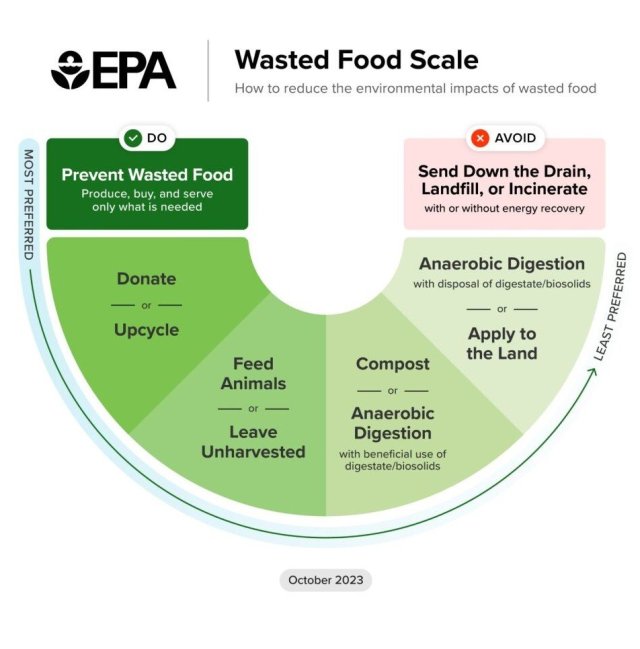
Credit: www.epa.gov
Transitioning To Renewable Energy
Transitioning to renewable energy is vital to reduce industrial pollution. Renewable energy sources are clean and sustainable. They help in cutting down harmful emissions. By adopting renewable energy, businesses can achieve a greener footprint. It also promotes a healthier planet for future generations.
Solar And Wind Power Adoption
Solar and wind power are two major renewable energy sources. They are efficient and cost-effective. Solar panels convert sunlight into electricity. Wind turbines generate power from wind. Both methods do not produce harmful emissions.
Many industries are shifting to solar and wind energy. This shift reduces their reliance on fossil fuels. It also helps in reducing greenhouse gas emissions. Companies can install solar panels on rooftops. Wind turbines can be set up in windy areas.
Here are some benefits of adopting solar and wind power:
- Reduces energy costs
- Decreases carbon footprint
- Increases energy independence
- Promotes a sustainable environment
Benefits Of A Low-carbon Footprint
A low-carbon footprint brings many advantages. It is crucial for environmental health. Businesses that reduce their carbon footprint contribute to a greener planet. They also benefit from cost savings and improved brand image.
Here are some key benefits:
- Cost Savings: Reducing emissions can lower energy costs.
- Health Benefits: Less pollution means cleaner air and water.
- Regulatory Compliance: Meeting standards avoids fines and penalties.
- Customer Loyalty: Consumers prefer eco-friendly companies.
- Investor Interest: Green companies attract more investors.
Businesses can achieve a low-carbon footprint by using renewable energy. This includes solar and wind power. They can also implement energy-efficient practices. These steps lead to a sustainable and profitable future.
Water Use And Management
Effective water use and management is vital for reducing industrial pollution. Managing water resources efficiently saves costs and protects the environment. This section discusses essential strategies for better water use.
Recycling Process Water
Recycling process water is a key method to reduce water waste. Industries can reuse water in various processes. This reduces the need for fresh water and minimizes wastewater. Recycled water can be used for cleaning, cooling, and other non-potable uses.
Here are some steps to recycle process water:
- Install water treatment systems
- Use filtration and purification methods
- Monitor water quality regularly
Water treatment systems can filter out contaminants. Filtration and purification methods ensure water is safe for reuse. Regular monitoring ensures the system works efficiently.
Reducing Effluent Discharge
Reducing effluent discharge is crucial for minimizing water pollution. Effluent discharge contains harmful chemicals and toxins. Proper management can protect water bodies and ecosystems.
Consider the following strategies to reduce effluent discharge:
- Implement advanced treatment technologies
- Optimize production processes
- Regularly inspect and maintain equipment
Advanced treatment technologies can remove more pollutants. Optimized production processes can generate less waste. Regular inspection and maintenance prevent leaks and spills.
Reducing effluent discharge not only protects the environment but also ensures compliance with regulations. Companies can achieve a better reputation and avoid penalties.
Investment In Pollution Control Technology
Reducing industrial pollution is crucial for a greener planet. One effective method is investing in pollution control technology. These technologies help businesses minimize their environmental footprint. Let’s delve into two key technologies: Advanced Filtration Systems and Emission Scrubbers.
Advanced Filtration Systems
Advanced filtration systems are vital for cleaner air. They trap harmful particles before they escape into the atmosphere. These systems use various filters to catch pollutants. Here are some types of advanced filtration systems:
- HEPA Filters: These filters trap 99.97% of particles.
- Electrostatic Precipitators: They use electric charges to remove particles.
- Activated Carbon Filters: These filters absorb gases and odors.
Investing in these systems can significantly reduce pollution. They are efficient and cost-effective in the long run.
Emission Scrubbers
Emission scrubbers are another key technology. They remove harmful gases from industrial emissions. Scrubbers can be wet or dry, depending on the application. Here are some common types of emission scrubbers:
| Scrubber Type | Function |
|---|---|
| Wet Scrubbers | Use liquid to remove pollutants. |
| Dry Scrubbers | Use dry materials to capture gases. |
| Spray Tower Scrubbers | Spray liquid to trap particles. |
Businesses can choose the best scrubber for their needs. This investment not only helps the environment but also complies with regulations.
Implementing these technologies is a smart move. It shows a commitment to a cleaner, greener future.
Employee Training And Awareness
Employee training and awareness are crucial for reducing industrial pollution. Well-informed employees can make a significant impact. They can implement sustainable practices at work. Here are some essential tips for effective employee training.
Regular Workshops
Organize regular workshops to educate employees. Focus on the importance of reducing industrial pollution. Use interactive sessions to engage them.
- Schedule monthly workshops
- Invite industry experts
- Use real-world examples
These workshops should cover various topics. Discuss waste management, energy conservation, and sustainable practices. This keeps employees updated and motivated.
Incentivizing Sustainable Practices
Offer incentives to employees who follow sustainable practices. This encourages them to participate actively. Consider providing small rewards or recognition.
| Incentive | Criteria |
|---|---|
| Gift Cards | Monthly best performer |
| Extra Paid Leave | Quarterly best performer |
| Employee of the Month | Consistent sustainable practices |
These incentives can motivate employees. They will strive to reduce industrial pollution. Recognize their efforts publicly to encourage others.
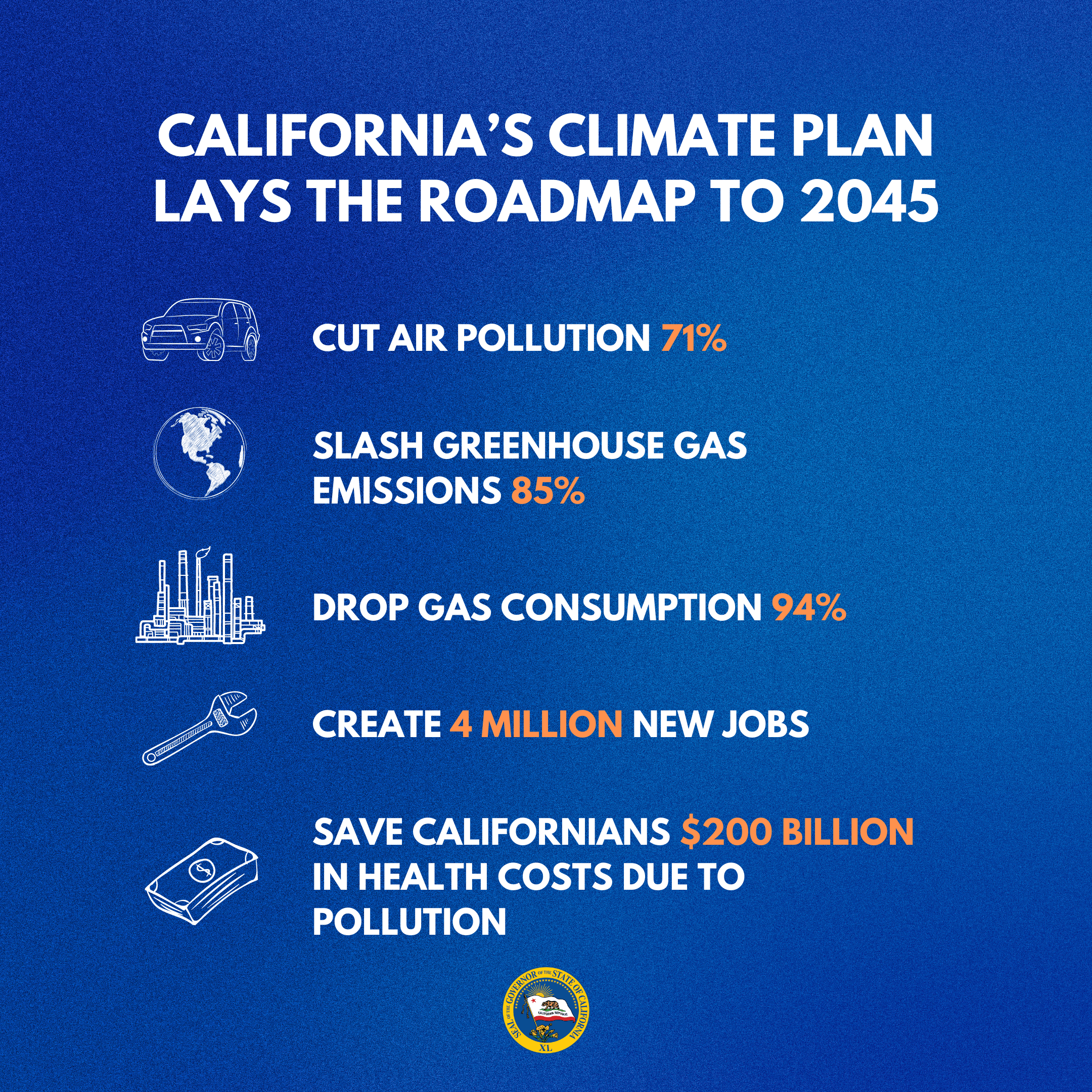
Credit: www.gov.ca.gov
Eco-friendly Material Sourcing
Industrial pollution is a significant concern for businesses worldwide. One effective way to combat this is through Eco-Friendly Material Sourcing. This approach not only reduces environmental impact but also promotes sustainability. Companies can achieve this by focusing on sustainable raw materials and building long-term supplier partnerships.
Sustainable Raw Materials
Choosing sustainable raw materials can significantly reduce industrial pollution. These materials are often renewable and have a lower environmental footprint. Here are some examples:
- Bamboo: Grows quickly and is biodegradable.
- Recycled Plastics: Lowers the demand for new plastic production.
- Organic Cotton: Grown without harmful pesticides.
Using these materials helps in reducing waste and conserving natural resources. It also supports eco-friendly practices and encourages responsible consumption.
Long-term Supplier Partnerships
Building long-term supplier partnerships is crucial for sustainable material sourcing. Here are some benefits:
- Consistency: Reliable supply of eco-friendly materials.
- Quality Control: Ensures high-quality and sustainable products.
- Cost Efficiency: Long-term contracts can reduce costs.
Partnering with suppliers who share your sustainability goals can lead to innovative solutions. These partnerships also foster trust and collaboration, leading to mutual growth.
Here is a table summarizing the benefits of long-term supplier partnerships:
| Benefit | Description |
|---|---|
| Consistency | Reliable supply of eco-friendly materials |
| Quality Control | Ensures high-quality and sustainable products |
| Cost Efficiency | Long-term contracts can reduce costs |
By focusing on sustainable raw materials and long-term supplier partnerships, businesses can significantly reduce their environmental impact. This not only helps the planet but also enhances the company’s reputation and profitability.
Implementing Environmental Management Systems
Implementing Environmental Management Systems (EMS) can significantly reduce industrial pollution. A well-structured EMS helps businesses monitor and manage their environmental impact. By adopting an EMS, companies can achieve sustainable practices, comply with regulations, and improve their overall environmental footprint.
ISO 14001 Certification
The ISO 14001 Certification is a globally recognized standard for EMS. It provides a framework for organizations to manage their environmental responsibilities. Achieving this certification demonstrates a commitment to environmental sustainability.
https://www.youtube.com/watch?v=jERk13d_v74
- Identify Environmental Aspects: Determine the environmental impacts of your operations.
- Set Objectives and Targets: Define goals to reduce these impacts.
- Develop a Management Program: Create plans to achieve your objectives.
- Monitor and Measure: Regularly check your progress.
- Review and Improve: Continuously enhance your EMS.
Continuous Improvement Process
A Continuous Improvement Process (CIP) is vital for an effective EMS. It ensures that environmental performance keeps improving over time. Here are some key steps:
- Plan: Identify areas for improvement and plan actions.
- Do: Implement the planned actions.
- Check: Monitor the effectiveness of the actions.
- Act: Make necessary adjustments based on the results.
Here is a simple table to illustrate the CIP steps:
| Step | Action |
|---|---|
| Plan | Identify improvement areas |
| Do | Implement actions |
| Check | Monitor actions |
| Act | Adjust as needed |
By following these steps, businesses can ensure ongoing environmental improvements. This not only reduces pollution but also enhances efficiency and compliance.
Waste Minimization Strategies
Implementing effective waste minimization strategies is vital for reducing industrial pollution. These strategies not only help in conserving resources but also cut down costs and enhance the overall efficiency of industrial operations. The following are key components of waste minimization strategies that every green business should adopt.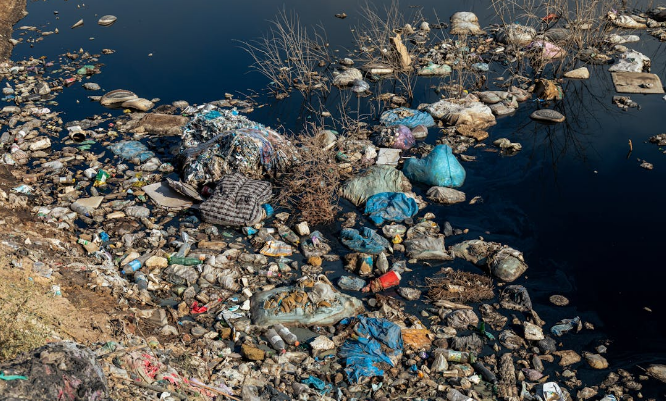
Reuse And Recycling Programs
Initiating reuse and recycling programs can significantly reduce industrial waste. These programs can include:
- Reusing packaging materials within the facility.
- Setting up recycling bins for different types of waste.
- Encouraging employees to participate in recycling efforts.
- Partnering with local recycling centers for proper waste disposal.
Consider implementing a waste audit to identify recyclable materials. This helps pinpoint areas for improvement and track progress over time.
Supply Chain Optimization
Optimizing the supply chain can greatly minimize waste. This involves:
- Choosing suppliers with sustainable practices.
- Reducing packaging materials in transportation.
- Implementing just-in-time inventory systems to reduce excess stock.
- Using eco-friendly packaging alternatives.
A streamlined supply chain reduces waste and lowers costs. It also enhances the sustainability of your business.
| Strategy | Benefits |
|---|---|
| Reuse Programs | Reduces raw material costs and waste disposal fees. |
| Recycling Programs | Conserves natural resources and energy. |
| Supply Chain Optimization | Minimizes waste and improves efficiency. |
Adopting these waste minimization strategies can lead to a more sustainable and cost-effective industrial operation. It is a step forward in the journey towards a greener business environment.
Air Quality Monitoring And Improvement
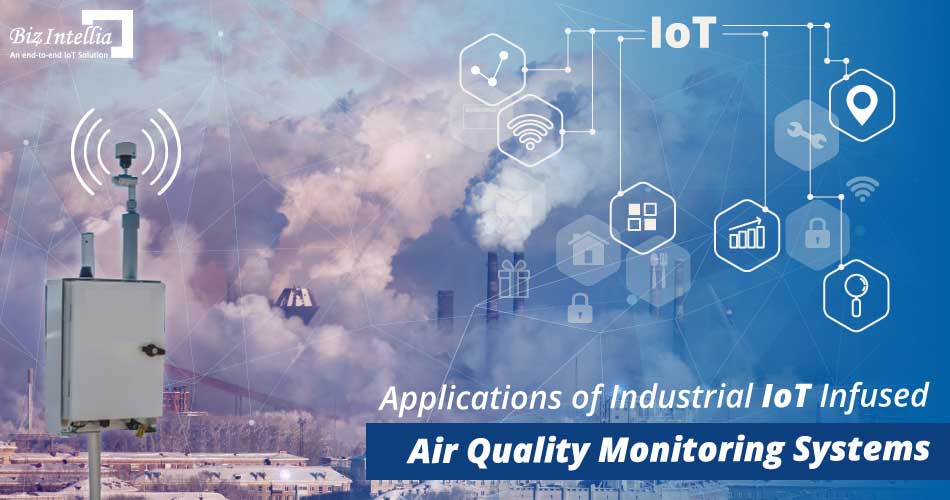
Businesses must monitor and improve air quality. This helps reduce industrial pollution. Clean air supports worker health and the environment.
www.biz4intellia.com
Real-time Emission Tracking
Real-time emission tracking is crucial for reducing air pollution. It involves using sensors to monitor emissions continuously. This data helps businesses identify pollution sources quickly.
Real-time tracking allows for immediate action. Companies can fix problems as they arise. This reduces overall emissions and keeps air cleaner.
Here are some benefits of real-time emission tracking:
- Identifies pollution sources instantly
- Enables quick corrective actions
- Helps comply with environmental regulations
- Improves overall air quality
Enhancing Ventilation
Good ventilation reduces indoor air pollution. It ensures fresh air circulates through the building. This removes harmful pollutants and improves air quality.
There are several ways to enhance ventilation:
- Install exhaust fans: These remove stale air and bring in fresh air.
- Use air purifiers: These devices filter out pollutants.
- Open windows: Fresh air naturally enters and cleans the space.
- Maintain HVAC systems: Regular maintenance keeps them working efficiently.
Enhancing ventilation creates a healthier workplace. Employees breathe cleaner air and stay healthier. This also boosts productivity and morale.
Community Engagement And Transparency
Engaging with the community and maintaining transparency is crucial for reducing industrial pollution. Businesses can build trust and promote environmental responsibility through open communication. This approach helps companies gain public support and adhere to environmental standards. Let’s explore some essential tips for community engagement and transparency.
Public Reporting
Public reporting involves sharing environmental performance and pollution data with the community. This practice ensures accountability and fosters trust. Companies should publish regular reports detailing their environmental impact.
- Share emission levels and reduction targets.
- Provide updates on waste management practices.
- Highlight energy consumption and conservation efforts.
Transparent reporting can be achieved through various channels:
- Company websites
- Social media platforms
- Local community meetings
Regular updates keep the community informed and engaged, promoting a culture of environmental stewardship.
Local Community Projects
Participating in local community projects demonstrates a business’s commitment to environmental protection. These projects can include planting trees, cleaning up local parks, or supporting green initiatives.
Benefits of local community projects:
| Benefit | Description |
|---|---|
| Improved public image | Shows commitment to the environment |
| Stronger community ties | Builds relationships with local residents |
| Employee engagement | Encourages employee participation in green activities |
Businesses can organize or sponsor events to showcase their dedication. These activities make a visible impact, reinforcing the company’s environmental values.
Green Infrastructure And Landscaping
Green infrastructure and landscaping can help reduce industrial pollution. By incorporating natural elements, businesses can create healthier environments. This approach improves air quality and promotes biodiversity.
Planting Trees
Planting trees is a simple yet effective method. Trees absorb carbon dioxide and release oxygen. They also filter pollutants and provide shade. This helps to cool the surroundings. Select native trees for better survival rates.
- Oxygen production: Trees produce oxygen for us to breathe.
- Pollutant absorption: Trees help absorb pollutants from the air.
- Cooling effect: Trees provide shade and cool the area.
Creating Green Belts
Green belts are areas of trees and plants around industrial zones. These belts act as buffers. They reduce noise and air pollution. They also provide habitats for wildlife. Green belts are essential for a sustainable environment.
| Benefits | Description |
|---|---|
| Noise Reduction | Green belts help reduce industrial noise. |
| Air Purification | Plants in green belts purify the air. |
| Wildlife Habitat | Green belts provide homes for various animals. |
Evaluating The Lifecycle Of Products
Evaluating the lifecycle of products is crucial for reducing industrial pollution. This involves examining every phase, from design to disposal. By focusing on each stage, businesses can minimize environmental impact and promote sustainability.
Design For Environment
Designing for the environment involves creating products with a minimal ecological footprint. This starts with choosing eco-friendly materials that are renewable or recycled. Avoid using harmful chemicals and non-biodegradable substances.
Consider energy-efficient manufacturing processes. Use less energy and water during production. Implement techniques that reduce waste and emissions. Another key aspect is product durability. Create long-lasting items that do not need frequent replacement. This reduces waste and conserves resources.
Think about the product’s end-of-life. Design it to be easily recyclable or biodegradable. This makes disposal easier and less harmful to the environment.
End-of-life Product Management
End-of-life product management ensures products are disposed of responsibly. Start by setting up a take-back program. Encourage customers to return old products for recycling or proper disposal.
Sort and separate materials for recycling. Create a system to handle different types of waste. For instance, separate metals, plastics, and electronic components.
Consider refurbishing or repurposing old products. This can extend their lifespan and reduce waste. For example, old electronics can be upgraded and resold. This is both eco-friendly and cost-effective.
Educate customers on proper disposal methods. Provide clear instructions and information. This helps ensure products are not thrown away improperly.
| Design Phase | End-of-Life Management |
|---|---|
|
|
Credit: sftool.gov
Frequently Asked Questions
How Can The Environmental Impact Of Industry Be Prevented?
Industries can reduce their environmental impact by adopting sustainable practices, using renewable energy, minimizing waste, and implementing energy-efficient technologies.
What Can Businesses Do To Reduce Air Pollution?
Businesses can reduce air pollution by using energy-efficient equipment, adopting renewable energy, reducing waste, and encouraging remote work. Implementing green transportation options and supporting eco-friendly policies also help.
What Are The Strategy Framework For Eco Advantage?
The strategy framework for eco advantage includes sustainability integration, resource efficiency, innovation, stakeholder engagement, and transparent reporting. Focus on reducing environmental impact while enhancing business value.
How Do You Understand About Green Business?
A green business prioritizes sustainability and environmental responsibility. It reduces waste, conserves energy, and uses eco-friendly materials.
Conclusion
Implementing sustainable practices can significantly reduce industrial pollution. Adopting green technologies and efficient waste management benefits both the environment and businesses. By prioritizing eco-friendly strategies, companies contribute to a healthier planet. Embrace these essential tips for a greener, more sustainable industrial future.
Every small step towards reducing pollution makes a big difference.