Prevention from Suicide, Addiction, Narcotics and Pollution. Withdrawal and Recovery Facts of Narcotics | Symptoms of Suicidal thoughts & Ideations | Effects of Environment Pollution | Understand Addiction withdrawal
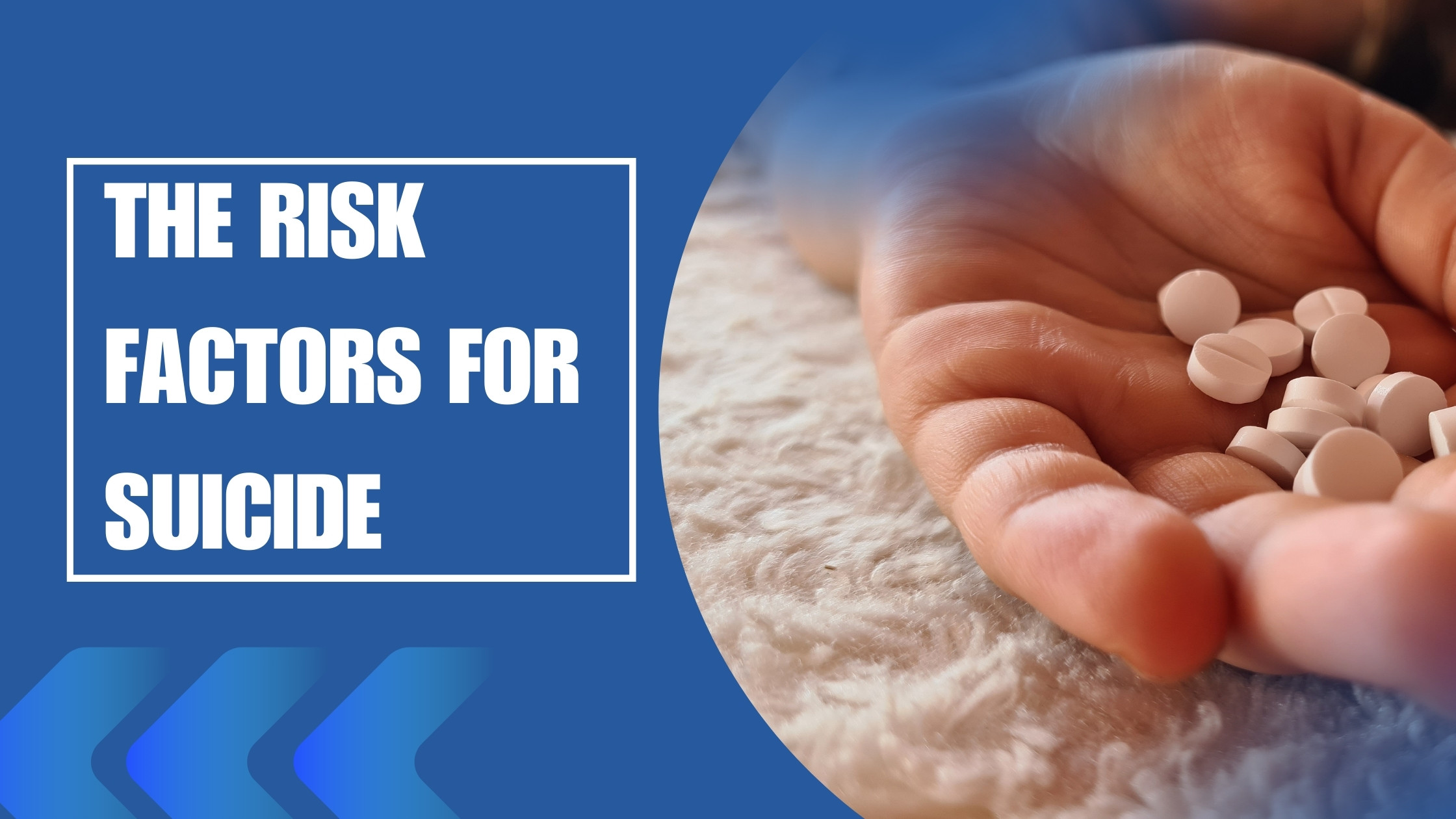
Welcome to our discussion of Risk factors for suicidality, a deep and touchy subject. In this in-depth article, we look at the many factors that can lead to suicidal thoughts and actions, including psychological, social, and demographic factors. Suicide is a worldwide public health issue, and understanding the underlying risk factors is key to preventing it.
Demographic Factors
Differences in population are a key part of risk factors for suicidality. Vulnerability is affected by age, gender, race, and socioeconomic status. Teenagers and young adults are more likely to be hurt, and older adults have their own problems to deal with. Different suicide rates for men and women show how important it is to tailor interventions. Socioeconomic inequality also makes people more vulnerable, which shows how important it is to have all-around support systems.
Psychological Factors
Looking into the mind reveals a range of risk factors for suicidality. Mental health problems, like depression and anxiety, make people more likely to be affected. Trauma and bad experiences in childhood leave lasting marks that make emotional pain worse. Personality traits like impulsivity and hopelessness raise the risk of harm, so specific interventions are needed to treat the underlying mental illness.
Biological Factors
Beyond the field of psychology is the complex web of interactions in biology. Genetic factors can make people more likely to have mental health problems and suicidal thoughts. Emotional dysregulation is caused by neurological issues, such as changes in brain chemistry. By understanding these biological bases, personalised treatment plans can be made, with a focus on combining medication and therapy.
Social Factors
Connections with other people and the way society works have a big effect on risk factors for suicidality. Family problems, peer pressure, and being alone all make people more vulnerable. Also, how people in society feel about mental health and suicide affects how people act when they need help. The most important things that can be done to reduce the social causes of suicide are to create supportive environments and encourage open conversations.
Environmental Factors
The environment in which people live has a big impact on their risk factors for suicidality. With easy access to deadly weapons like guns or drugs, people are more likely to act without thinking. On the other hand, cultural attitudes and community support networks about mental health act as buffers to protect. To make targeted prevention plans, it’s important to understand the environmental context.
Behavioral Factors
By looking at patterns in behaviour, you can find important risk indicators. Abusing drugs makes people more impulsive and makes mental health problems worse. Getting angry or hurting yourself are warning signs that someone is more likely to commit suicide. To build resilience, it is important to deal with unhealthy ways of coping through all-encompassing interventions.
Signs to Beware
Early intervention depends on being able to spot warning signs. Behavioural changes, mood swings, and signs of hopelessness need to be look at right away. It can save a person’s life to read their body language and offer support without judgement. One important part of efforts to stop suicide is teaching people how to spot and react to warning signs.
Protective Factors
When people are feeling hopeless and down, protective factors shine like lights. Having supportive relationships and building resilience can help you deal with problems. A strong safety net is built by teaching people how to deal with problems and making it easier for them to get mental health care. A strengths-based approach gives people the tools they need to deal with problems in a strong way.
Strategies for Preventing Suicide
A proactive approach to preventing suicide includes many different methods. Intervention programmes, such as crisis hotlines and community outreach programmes, help people who are in trouble right away. Mental health education programmes make getting help less of a taboo and give communities the tools they need to help in a healthy way. It is very important for healthcare providers, policymakers, and community stakeholders to work together when putting in place comprehensive prevention strategies.
Screening and Assessment
Systematic screening and assessment make it easier to find suicide risk factors early on. Standardised tools are use by healthcare professionals to check on mental health and figure out how bad suicidal thoughts are. Adding screening protocols to primary care settings raises the rate of detection and lets doctors act quickly. Promoting trust and privacy is also important for allowing open communication during assessments.
Methods of Treatment
Treatment plans that are tailor to the specific needs of people who are at risk of suicide work best. Cognitive-behavioral therapy and dialectical behaviour therapy are two therapies that have been shown to help people deal with problems and control their emotions. When use with psychotherapy, medication therapy can help ease the symptoms of mental health disorders. People who are going through serious crises may need to be hospitalis to make sure they are safe and stable.
Help with prevention
Helping people who have been affect by suicide loss is an important part of reducing the effects of trauma. Posttension efforts include community memorials, grief support groups, and counselling services. Making an environment that is caring and doesn’t judge helps survivors heal and become stronger. Making people more aware of posttension resources also takes away the shame of asking for help and helps people heal.
New findings and trends
Researchers are still figuring out how to make suicide risk factors less complicated. Longitudinal studies look at how genetic, environmental, and psychological factors affect each other over time. Targeted prevention strategies are based on new trends, like how social media affects mental health. Working together on research projects leads to new ideas and changes in policy to meet changing needs.
Reducing the stigma
Fighting the social stigma that surrounds mental health and suicide is a key part of encouraging people to get help. Education programmes bust myths and false beliefs, which helps people understand and care about each other. Sharing stories of resilience and bringing up lived experiences can help people who feel shame and alone. Collective advocacy efforts fight unfair practices and encourage everyone to feel welcome in communities.
Conclusion
A crucial first step in building resilience and promoting mental health is to comprehend Suicide Risk Factors. By recognising how demographic, psychological, and social factors are link, we can create helpful environments and give people the confidence to ask for help. On our way to preventing suicide, let’s work together to get rid of stigma, increase compassion, and welcome hope.
FAQs:
-
- What are the most common risk factors for suicide?
Suicide risk factors vary, but common ones include mental health disorders, substance abuse, and interpersonal conflicts.
-
- How can I support someone at risk of suicide?
Listen non-judgmentally, offer empathy, and connect them with professional help resources such as hotlines or mental health professionals.
-
- Are there warning signs that someone may be contemplating suicide?
Yes, warning signs include talking about wanting to die, withdrawing from social activities, and giving away possessions.
-
- Can suicide be prevent?
Yes, suicide prevention efforts focus on early intervention, destigmatizing mental health, and fostering supportive environments.
-
- What should I do if I suspect someone is suicidal?
Take their concerns seriously, express care and concern, and encourage them to seek professional help immediately.
-
- Is there a genetic component to suicide risk?
While genetics may predispose individuals to mental health disorders, suicide risk is influence by a complex interplay of genetic and environmental factors.