Prevention from Suicide, Addiction, Narcotics and Pollution. Withdrawal and Recovery Facts of Narcotics | Symptoms of Suicidal thoughts & Ideations | Effects of Environment Pollution | Understand Addiction withdrawal
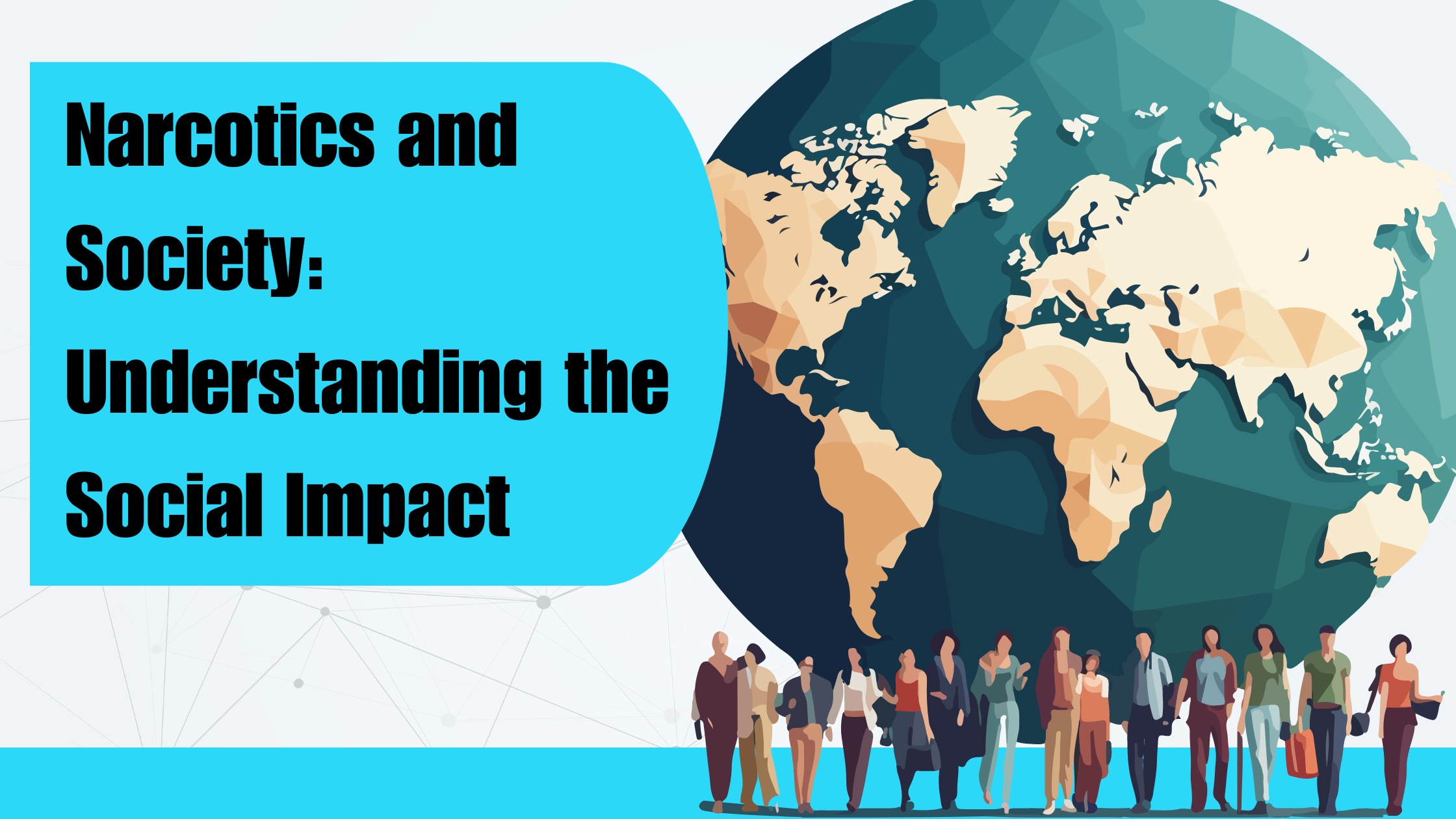
Narcotics, which people sometimes just call “drugs,” have a deep and complicated relationship with society that affects many parts of people’s lives. To solve the difficult problems they cause, it is very important to understand and recognize their social effects. This article tries to go into more detail about the history, different kinds, and big social effects of drugs. It also looks at possible solutions and the future.
History of Narcotics
Social effect of narcotics have a long and interesting history that goes back to ancient civilizations, when they were used for rituals and as medicine. For example, the opium poppy was grown in Mesopotamia as early as 3400 BCE because it could ease pain. People in ancient Egypt used opium to ease their pain, while people in Greece and Rome used it to relax and have fun.
Narcotics, on the other hand, slowly turned into illegal substances over time. The colonization of new areas and the ensuing globalization made the spread of drugs across borders simpler. In China in the 1800s, for example, the British Empire heavily supported the opium trade, which caused a lot of people to become addicted and caused a lot of social problems.
Different Types of Narcotics
Narcotics include a wide range of substances, each with its own effects on the body and society. Opiates, which come directly from the opium poppy, are drugs like morphine and codeine that are often used to treat pain. Opioids, which are synthetic or semi-synthetic forms of opiates like heroin and oxycodone, are known to be very addicting and to have contributed to the opioid crisis.
Stimulants like cocaine and methamphetamine make you more alert and happy, but they also pose serious risks of addiction and bad health effects. The central nervous system slows down when depressants are used, such as alcohol and benzodiazepines. This makes you feel calm and relaxed, but it also makes overdose and dependence more likely.
Social Impact of Narcotics
Narcotics have a wide range of effects on society, going beyond the people who use them and affecting families, communities, and society as a whole. Narcotic abuse and addiction can make it challenging to do routine activities and lead to a lot of psychological, physiological, and social issues. .
Additionally, drugs raise crime rates, both directly through drug-related crimes like trafficking and possession and indirectly through related crimes that people do to keep their addiction going. Communities become even less stable as a result of the violence that frequently accompany the illegal drug trade, such as gang-related fights and “turf wars.”
Stigmatization and Unfair Treatment
People who are struggling with drug addiction often face a lot of stigma and discrimination, which makes their problems even worse. There are many ways in which this kind of bias manifests in society, including discrimination at work, rejection by others, and difficulty accessing health care and other support services.
Stigmatization not only makes it harder for people to get help and treatment, but it also keeps people abusing drugs and being left out. Getting rid of the social stigma surrounding addiction is therefore very important for making the world a more caring and supportive place for people who are struggling with it.
Policies and Actions by the Government
To deal with the drug problem, governments all over the world use a variety of policies and actions to try to reduce both the supply and demand for illegal drugs. Law enforcement is trying to stop drug trafficking networks and illegal drug markets. They often do this by working together with other law enforcement agencies and with countries around the world.
Along with enforcement measures, governments also spend money on harm reduction strategies that try to lessen the bad effects of drug use. Some of these are needle exchange programs, places to inject drugs where someone is watching, and giving out naloxone to stop opioid overdoses. To help people get better, treatment-focuse approaches are also give top priority. These include medication-assisted therapy and cognitive-behavioral therapy.
Learning and Being Aware
Education and awareness campaigns are very important for stopping drug abuse and lowering the shame that surrounds addiction. Communities can give people the power to make smart choices and get help when they need it by spreading accurate information about the risks and effects of drug use.
Also, removing the shame surrounding addiction through open communication and personal stories can help clear up misunderstandings and increase understanding and empathy. There are prevention programs in schools, efforts to reach out to the community, and media campaigns that all help to raise awareness and encourage healthy behaviors.
Help and Resources for the Community
Community support networks are essential for helping people who are social effect of narcotics addict to drugs and giving them access to resources. These groups help people feel like they belong and are understand.
People who are struggling with addiction need to be able to get to a wide range of treatment facilities, such as detoxification centers, outpatient clinics, and residential rehabilitation programs. Also, wraparound services like counseling for mental health issues, job training, and help with housing make it easier to get back into society.
Views from Around the World
Different countries have very different ways of controlling drugs because of differences in culture, politics, and the economy. Some countries focus on harsh punishments and strict enforcement of drug laws, while others use harm reduction strategies and put more emphasis on public health approaches.
Because the drug trade crosses borders, it is very important for countries to work together and coordinate their efforts. The UNODC, Interpol, and regional groups work together to fight drug trafficking and organized crime networks by sharing information, building up people’s skills, and doing operations together.
Problems and Ways to Fix Them
To solve the drug problem, we need to look at it from many angles, including prevention, treatment, law enforcement, and reducing harm. But there are many problems that make it hard for responses to work. These include not enough money for treatment and prevention programs, unequal access to care, and the shame that comes with addiction.
To deal with these problems, policymakers need to focus on interventions that have been show to work and make sure there are enough funds to support comprehensive drug control plans. Investing in early intervention programs, making medication-assisted treatment more available, and combining mental health services with addiction treatment are all important ways to lower the number of people who abuse drugs and make society healthier.
Looking to the Future
Even though the drug epidemic has caused a lot of problems, there is reason to be hopeful and optimistic. Addiction science and pharmacology need to keep researching and coming up with new ideas in order to make treatments and interventions for substance use disorders more effective.
Moving forward with drug policy changes and changing how people feel about social effect of narcotics addiction can also lead to more compassionate and fact-based ways of controlling drugs. We can imagine a future where people and communities are strong and able to beat the drug problem by tackling the causes of addiction, promoting harm reduction, and putting public health first.
Conclusion
Social effect of narcotics have a wide-ranging and profound effect on society, having many different effects on people, families, and communities. By fully understanding the social effects of drugs and using strategies that have been show to work, we can lessen their bad effects and make the world a safer, healthier, and more supportive place for everyone.