Prevention from Suicide, Addiction, Narcotics and Pollution. Withdrawal and Recovery Facts of Narcotics | Symptoms of Suicidal thoughts & Ideations | Effects of Environment Pollution | Understand Addiction withdrawal

Narcotics are a group of drugs that are highly addictive and have powerful effects on the brain and body. They are either made from opium or are synthetic versions of opium. Understanding these effects is important for dealing with addiction and reducing the bad effects it has. This article goes into detail about how drugs affect the brain and body, including their short- and long-term effects, how they might affect mental and physical health, treatment options, ways to stop people from using drugs, and issues that affect society as a whole.
What are narcotics?
Narcotics are drugs that include substances like heroin, morphine, and codeine. Pain killers like oxycodone and fentanyl that you get from a doctor are also include. People often take these drugs to ease pain. However, because they make you feel good, they can be addicting. An opioid is any drug that is similar to an opiate. Synthetic opioids are also opioids. They change how people feel pain by binding to receptors in the brain and spinal cord. This makes people feel good or calm. Even though they are use in medicine, narcotics are closely control because they can be abuse and lead to addiction.
Understanding the Brain and Body
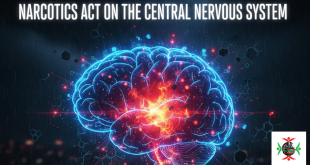
Brain and body communicate with neurotransmitters and receptors, which manage various body functions. Narcotics work like endorphins when they bind to opioid receptors in the brain and spine. Endorphins are chemicals that your body makes that help with both happiness and pain. Narcotics change how we feel pain and pleasure by acting like endorphins. This is one reason why drugs can make people feel calm or happy. But since drugs aren’t natural, they can be addicting and cause problems if they’re use too much. So, they can help with pain, but they need to be use carefully and be watch over.
Immediate Effects of Narcotics
Narcotics turn on opioid receptors and block pain signals, which makes people feel good, calm, and satisfied. They’re mostly use to ease pain by making the brain feel less of it. Narcotics can do more than just ease pain. They can also make you sleepy, calm, and unable to coordinate your movements.
This might make them less alert and likely to act. These effects are the reason why drugs should only be use with care, especially when you need to be alert and quick to react, like when you’re driving or operating machinery. Even though narcotics can help with pain, their sedative effects can be dangerous if they are not used properly.
Long-Term Effects of Narcotics
When you use drugs for a long time, your body can become physically dependent on them. This means that if someone tries to cut down on or stop using the drug, they might have withdrawal symptoms like anxiety, sweating, and feeling sick. As the body gets used to the drug, people may need higher doses to get the same effects. This makes the risk of overdose higher. When someone is addicted to drugs, they keep looking for them even when they know it’s hurting them. Once someone is addicted to drugs, it’s hard to stop, and they often start using again after stopping or cutting down.
Impact on Brain Chemistry
Narcotics cause the release of dopamine, a neurotransmitter linked to reward and pleasure, which makes people want to use drugs even more. Long-term drug use can throw off the balance of neurotransmitters in the brain, which can cause changes in the brain and addictive behaviors.
Effects on Mental Health
Narcotics change the chemistry of the brain in ways that can make mental health problems worse, like anxiety, depression, and mood disorders. Long-term drug use may hurt your brain’s ability to think, remember, and make decisions, which can make it harder to do things in general.
Physical Health Consequences
One of the worst things that can happen when you use drugs is respiratory depression, which is when your breathing slows down so much that it becomes dangerous and could even kill you. Narcotics affect can also hurt the heart and blood vessels, causing irregular heartbeats, lower blood pressure, and a higher risk of heart attacks. It takes time for some drugs to hurt your liver and kidneys, especially if you abuse them with other drugs like alcohol.
Social and Behavioral Effects
Due to their obsession with getting and using drugs, people who are addicted to narcotics frequently withdraw from society, have tense relationships, and spend time alone. Narcotics affect addiction can put a strain on relationships, causing fights, mistrust, and emotional pain among family and friends.
Treatment and Recovery
Detoxification, a medically supervised process that aids in managing withdrawal symptoms as the body gets rid of the drug, is the first step in treating drug addiction. Treatment and rehabilitation programs are very important because they help with all aspects of addiction recovery, such as the mental, physical, and social ones.
Support groups like Narcotics affect anonymous are very helpful because they offer people who are trying to recover from drug addiction support, encouragement, and direction. These groups give people a sense of belonging and understanding, which gives them hope and strength on their way to recovery.
Prevention Strategies
Educating people about the dangers of drug use, the right way to deal with pain, and the resources available for addiction treatment can help stop people from abusing drugs. Enhancing access to treatment options based on scientific evidence, such as therapy and counseling with medication support, is necessary to deal with drug addiction. For effective prevention, it is important to deal with the underlying causes of substance abuse, such as trauma, mental health disorders, and differences in income.
Legal and social Implications
If you are caught with narcotics or selling them illegally, you could face fines, jail time, or even a criminal record. Addiction to narcotics has many negative impacts on communities, such as higher crime rates, higher healthcare costs, and more people needing help from social services.
Challenges in Addressing Narcotics
Avoiding treatment and support services for people with substance use disorders can be hard because of stigma and discrimination, which can keep them addicted. There are big problems with trying to treat drug addiction because there aren’t many affordable, evidence-based treatment options, and there are differences in how people get medical care.
Research and Innovation
Researchers and innovators in the field of addiction medicine are always looking for better ways to treat, intervene with, and prevent drug addiction. Neurobiological studies have made progress that helps us understand how drug addiction works and how to treat it more effectively.
Conclusion
Narcotics have very serious effects on the body and mind, which have wide-ranging effects on health, mental health, and the way society works. Understanding these effects is important for dealing with addiction, helping people get better, and coming up with good ways to stop people from becoming addicted. We can lessen the narcotics affect harms of drug abuse and help people on their way to recovery by addressing the complicated ways that biological, psychological, and social factors interact with each other.