Prevention from Suicide, Addiction, Narcotics and Pollution. Withdrawal and Recovery Facts of Narcotics | Symptoms of Suicidal thoughts & Ideations | Effects of Environment Pollution | Understand Addiction withdrawal
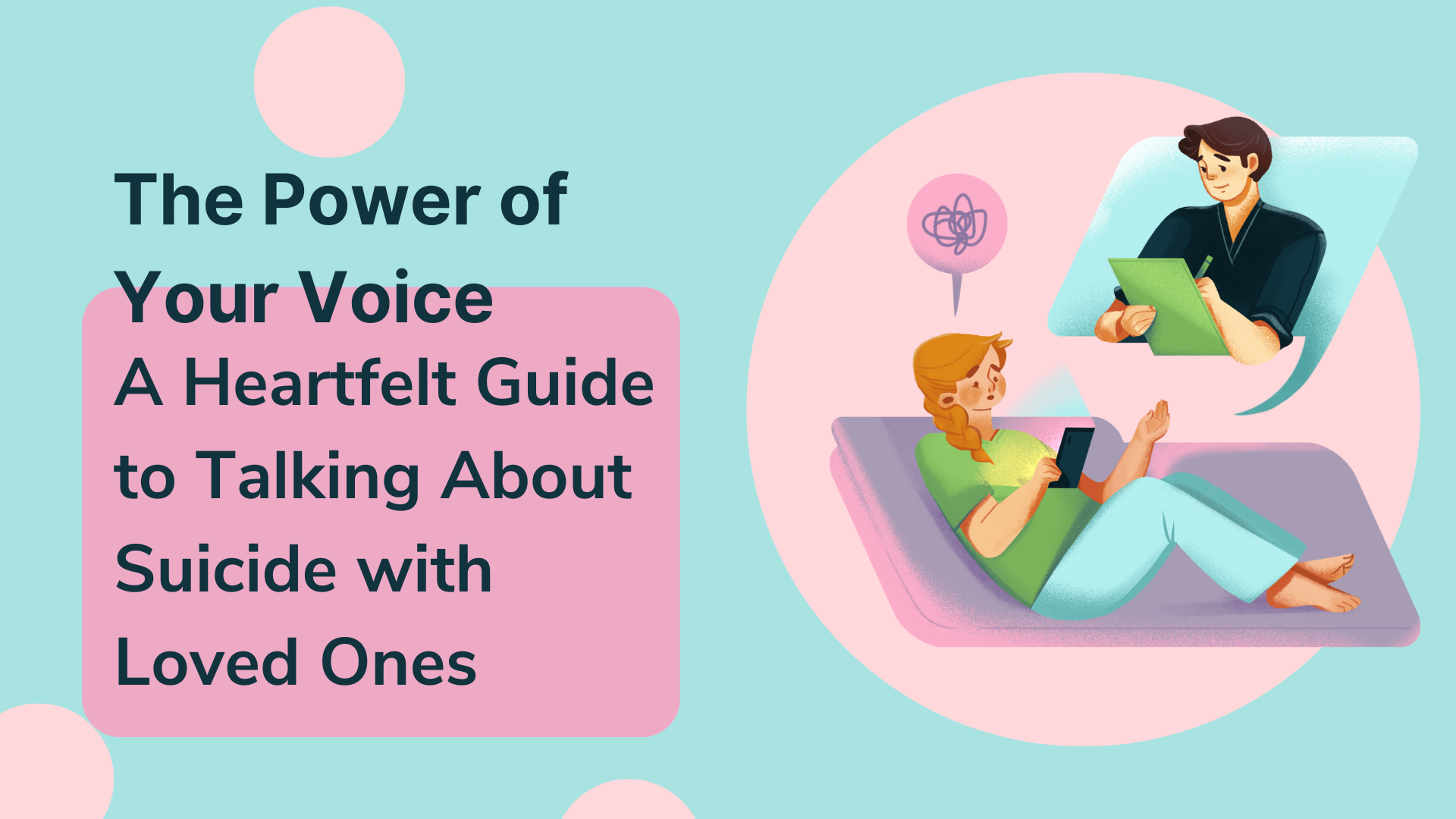
The word itself hangs heavy in the air, carrying a weight of despair and the chilling possibility of losing someone we hold dear. It’s a topic that can feel shrouded in silence, a secret battle fought within the dark corners of someone’s mind. The Power of Your Voice but here’s the truth: silence doesn’t fight suicide. Open communication, on the other hand, is a powerful weapon in its prevention. Maybe you’ve noticed a change in your loved one. They seem withdrawn, their laughter less frequent, their eyes a little dimmer. Perhaps you’ve overheard a hurtful whisper, a longing for a world without them. It can be terrifying, watching someone you care about grapple with such darkness. But the most important thing you can do is reach out, to bridge that gap of silence with the warmth of your voice and the strength of your love.
Why Talk About Suicide?
Fear often holds us back from starting this conversation. We might worry about making things worse, about planting the idea in their head. But here’s the secret: the idea of suicide is likely already there, whispering in their ear during moments of despair. Opening the door to conversation doesn’t create the problem; it allows you to walk alongside them, offering a beacon of light in the darkness.
Here’s why talking about suicide is powerful:
- It shows you care. It demonstrates that you’ve noticed their pain, that you haven’t turned a blind eye to their struggles. It’s a message of love and concern, a lifeline thrown across the churning waters of despair.
- It reduces isolation. Suicide thrives in silence. By talking openly, you create a safe space where your loved one doesn’t have to carry this burden alone. They can express their feelings, their fears, and know that someone is listening with an open heart.
- It encourages help-seeking. Talking about suicide can be the first step on the road to recovery. It opens the door to discussing available resources, therapy options, and support groups. Together, you can explore ways to get them the help they need.
- It breaks the stigma. Suicide is often shrouded in shame and secrecy. But by having an open and honest conversation, you can help chip away at that stigma. It shows that mental health struggles are real, treatable, and deserve open discussion.
Creating a Safe Space for Conversation
Before diving headfirst into the conversation, remember to create a safe and supportive environment. Here are some steps to consider:
- Choose the right time and place. Seek a quiet, private space where you won’t be interrupted. Ideally, choose a time when your loved one is relatively calm and receptive.
- Start by expressing your concern. Let them know that you’ve noticed a change in their behavior and that you’re worried about them. Be specific about the changes you’ve observed.
- Listen with empathy. This is where your heart takes center stage. Put yourself in their shoes. Listen without judgment, allowing them to express their feelings without interruption.
- Be patient. Don’t expect an immediate flood of emotions. Allow them to take their time, to share as much or as little as they feel comfortable with.
What Words to Choose (and What to Avoid)
Words have the power to build bridges or tear them down. When navigating this conversation, choose them with care. Here are some helpful phrases:
- “I’m here for you, no matter what.”
- “Is there anything you want to talk about?”
- “I’ve noticed you haven’t seemed like yourself lately. Are you okay?”
- “Have you ever thought about hurting yourself?”
- “If you are thinking about suicide, I want you to know that there is help available.”
- “Would you be open to talking to a therapist or counselor?”
Phrases to Avoid:
- “You shouldn’t feel that way.” (This invalidates their feelings)
- “It could be worse.” (Minimizes their struggle)
- “Just get over it.” (Dismissive and unhelpful)
- “Everyone feels that way sometimes.” (Not true for someone struggling with suicidal thoughts)
Here’s the key takeaway: Focus on open-ended questions, statements that show concern, and a willingness to listen. This creates a safe space for honest conversation.
What to Do After the Conversation
The conversation doesn’t end with the last spoken word. Here’s how to support your loved one going forward:
- Offer support. Let them know you’re there for them, whatever the future holds. Offer practical support, such as helping them find a therapist or creating a safety plan.
- Encourage professional help. Let them know there are people trained to help navigate these difficult emotions. Explore therapist options together, researching online resources or contacting mental health organizations in your area They can also reach out to national hotlines like the National Suicide Prevention Lifeline (988 in the US) or the Crisis Text Line (Text HOME to 741741 in the US) for immediate support.
- Follow up. Don’t disappear after the initial conversation. Check in with them regularly, even if it’s just a simple text or phone call to see how they’re doing and offer continued support.
Taking Care of Yourself
Supporting someone struggling with suicidal thoughts can be emotionally draining. It’s crucial to prioritize your own well-being. Here are some ways to take care of yourself:
- Set boundaries. It’s okay to tell your loved one you need some space for yourself. Setting healthy boundaries prevents burnout and allows you to offer more effective support.
- Practice self-care. Engage in activities that nourish your mind, body, and soul. This could include exercise, relaxation techniques, spending time in nature, or pursuing hobbies you enjoy.
- Seek support for yourself. Talk to a therapist or counselor about your experiences. Joining a support group for those supporting loved ones struggling with suicidal thoughts can also be beneficial.
Remember, you are not alone in this journey. There are resources available to support both you and your loved one.
Remember, There is Hope
Suicide may seem like a permanent solution to a temporary problem, but it’s not. There is hope, and there is help available. Here are some things to keep in mind:
- Recovery is possible. Millions of people have struggled with suicidal thoughts and found their way back to a life filled with hope and joy.
- Help is just a phone call or text away. Reaching out for support is a sign of strength, not weakness.
- You are not alone. There are people who care about you and your loved one, and there are resources available to help you navigate these dark times.
By talking openly and honestly about suicide, encouraging professional help, and prioritizing self-care, you can make a significant difference in your loved one’s life. Remember, the power of your voice can be a life raft in the stormiest of seas.
Talking about suicide isn’t easy. It requires courage and vulnerability. But let me remind you, your voice can be a life-saving lifeline. By starting an open the power of Your voice conversation, offering support, and encouraging professional help, you can make a significant impact on your loved one’s life. Together, let’s break the silence surrounding suicide, promote mental health awareness, and create a world where reaching out for help is the norm, not the exception. Remember, hope exists. There is help available. And your voice has the power to guide someone back from the brink of despair towards the light of recovery.