Prevention from Suicide, Addiction, Narcotics and Pollution. Withdrawal and Recovery Facts of Narcotics | Symptoms of Suicidal thoughts & Ideations | Effects of Environment Pollution | Understand Addiction withdrawal
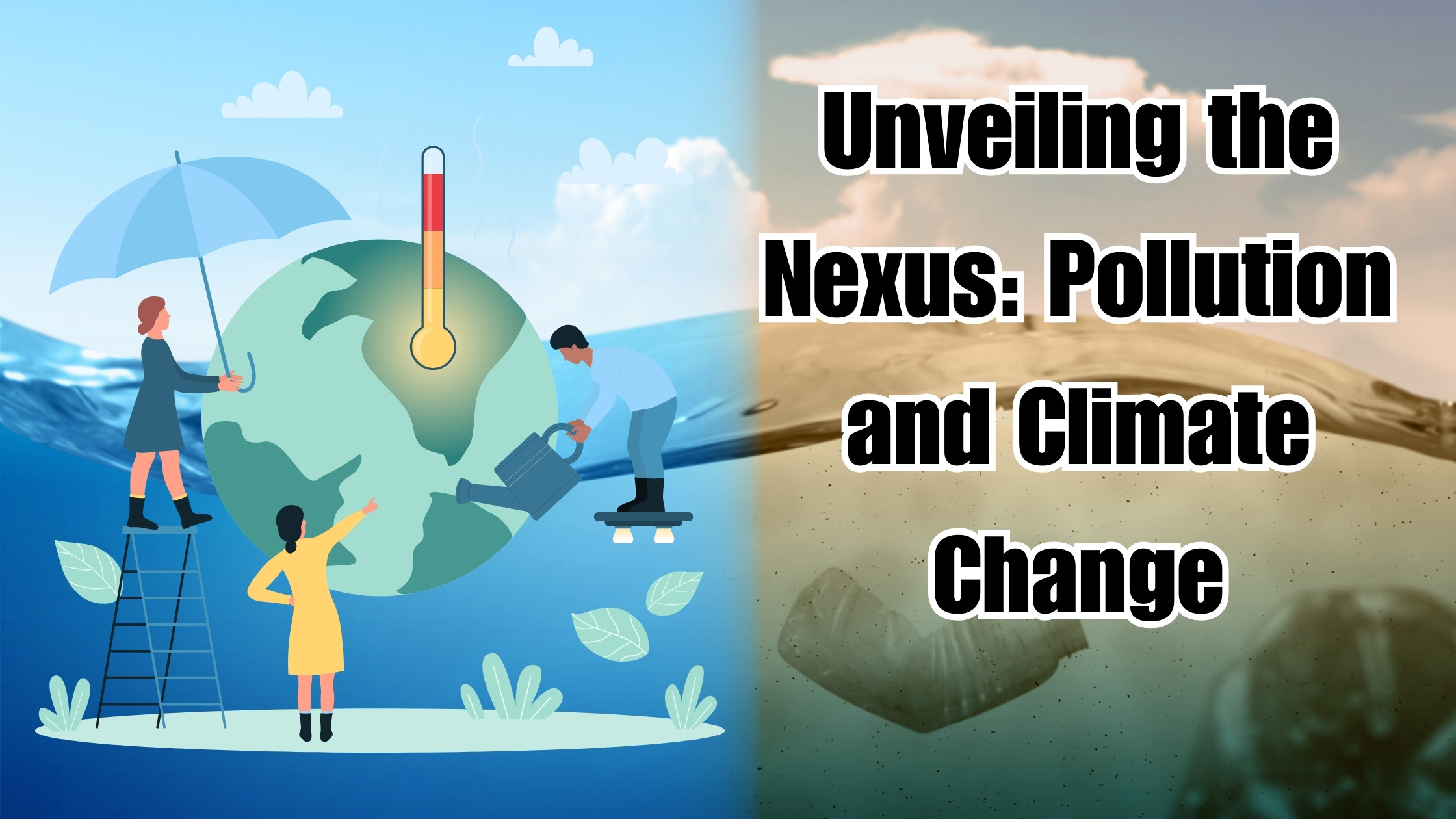
In today’s world, the terms “pollution” and “climate change” are omnipresent, and often used interchangeably in discussions about environmental degradation. However, understanding the intricate connection between these two phenomena is crucial for tackling the complex challenges they present. Pollution, in its various forms—air, water, and land—plays a significant role in driving climate change, while the impacts of climate change, in turn, exacerbate pollution. Exploring this relationship sheds light on the urgency of addressing both issues comprehensively.
Defining Pollution and Climate Change
Pollution encompasses a broad spectrum of contaminants released into the environment, ranging from emissions from industrial activities and vehicles to plastic waste polluting our oceans. On the other hand, climate change refers to the long-term alteration of temperature and typical weather patterns across the globe, primarily driven by human activities such as burning fossil fuels and deforestation.
The Interplay between Pollution and Climate Change
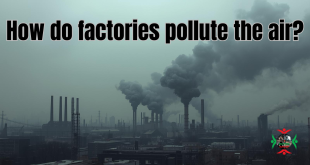
Pollution is a key contributor to climate change through various mechanisms. For instance, greenhouse gas emissions, such as carbon dioxide and methane, trap heat in the Earth’s atmosphere, leading to global warming. According to the Intergovernmental Panel on Climate Change (IPCC), carbon dioxide levels in the atmosphere have increased by about 47% since the pre-industrial era, primarily due to human activities like burning fossil fuels and deforestation. Additionally, pollutants like aerosols can have both warming and cooling effects, depending on their composition and location. For example, black carbon, an element of particulate matter, consumes sunlight and causes warming, whereas sulfates can behave as reflective aerosols, lowering temperatures. Furthermore, pollution exacerbates climate change impacts, such as the melting of ice caps and altered weather patterns, creating feedback loops that amplify the crisis.
Case Studies and Examples
Examining specific instances highlights the intertwined nature of pollution and climate change. For instance, air pollution from burning fossil fuels not only harms human health but also contributes to the warming of the planet. According to a study published in the journal Nature, air pollution from fossil fuel combustion is responsible for approximately 25% of global warming. The combustion of coal, oil, and natural gas releases carbon dioxide, methane, and other greenhouse gases into the atmosphere, trapping heat and leading to changes in temperature and precipitation patterns. Deforestation caused by the expansion of agriculture not only releases carbon contained in trees but also disturbs ecosystems, resulting in biodiversity loss and exacerbating climate change. The destruction of forests reduces the Earth’s capacity to absorb carbon dioxide, contributing to higher atmospheric concentrations of greenhouse gases.
Human Activities Driving Pollution and Climate Change
Human activities, particularly industrialization and unsustainable consumption patterns, are primary drivers of both pollution and climate change. The burning of fossil fuels for energy production and transportation releases vast amounts of pollutants and greenhouse gases into the atmosphere. According to the World Health Organization (WHO), air pollution from burning fossil fuels is responsible for approximately 4.2 million premature deaths worldwide each year. Similarly, deforestation for agriculture and urbanization disrupts natural carbon sinks and exacerbates pollution. The expansion of agricultural land for crop cultivation and livestock grazing leads to deforestation, releasing carbon stored in trees and contributing to greenhouse gas emissions. Moreover, urbanization results in increased emissions of pollutants such as particulate matter, nitrogen oxides, and volatile organic compounds from vehicles, industries, and other sources.
Impacts on Ecosystems and Human Health
The impacts of pollution and climate change extend beyond environmental degradation to affect ecosystems and human health. Biodiversity loss resulting from habitat destruction and pollution threatens the stability of ecosystems and vital ecosystem services. According to the Millennium Ecosystem Assessment, biodiversity loss can reduce the resilience of ecosystems, making them more vulnerable to disturbances such as climate change. Additionally, air and water pollution, coupled with extreme weather events driven by climate change, pose significant risks to human health, particularly in vulnerable communities. Exposure to air pollution increases the risk of respiratory and cardiovascular diseases, including asthma, lung cancer, and heart attacks. The WHO estimates that air pollution is responsible for approximately 7 million premature deaths worldwide each year. Moreover, climate change exacerbates health risks by altering the distribution of infectious diseases, increasing the frequency and intensity of heat waves, and exacerbating food and water insecurity.
Mitigation and Solutions
Addressing pollution and climate change requires concerted efforts at individual, community, and global levels. Policy interventions, such as emissions regulations and international agreements like the Paris Agreement, play a crucial role in mitigating both pollution and climate change. The Paris Agreement, signed in 2015, aspires to keep global warming to far below 2 degrees Celsius above pre-industrial levels while pursuing measures to restrict temperature increases to 1.5 degrees Celsius. Signatories to the agreement commit to reducing greenhouse gas emissions and enhancing resilience to the impacts of climate change. Additionally, technological innovations, such as renewable energy and sustainable waste management practices, offer pathways towards a cleaner, more sustainable future. Renewable energy sources, such as solar, wind, and hydropower, produce electricity with lower greenhouse gas emissions compared to fossil fuels.
Conclusion
Understanding the connection between pollution and climate change is essential for developing effective strategies to address these intertwined challenges. By recognizing the shared drivers and impacts of pollution and climate change, we can work towards holistic solutions that promote environmental sustainability, protect human health, and preserve biodiversity. Ultimately, by taking collective action, we can pave the way for a cleaner, healthier, and more resilient planet for future generations.
References:
-
- Intergovernmental Panel on Climate Change (IPCC). (n.d.). Retrieved from https://www.ipcc.ch/
- Nature. (n.d.). Retrieved from https://www.nature.com/
- World Health Organization (WHO). (n.d.). Retrieved from https://www.who.int/
- Millennium Ecosystem Assessment. (n.d.). Retrieved from https://www.millenniumassessment.org/
- Paris Agreement. (n.d.). Retrieved from https://unfccc.int/process-and-meetings/the-paris-agreement/the-paris-agreement