Prevention from Suicide, Addiction, Narcotics and Pollution. Withdrawal and Recovery Facts of Narcotics | Symptoms of Suicidal thoughts & Ideations | Effects of Environment Pollution | Understand Addiction withdrawal
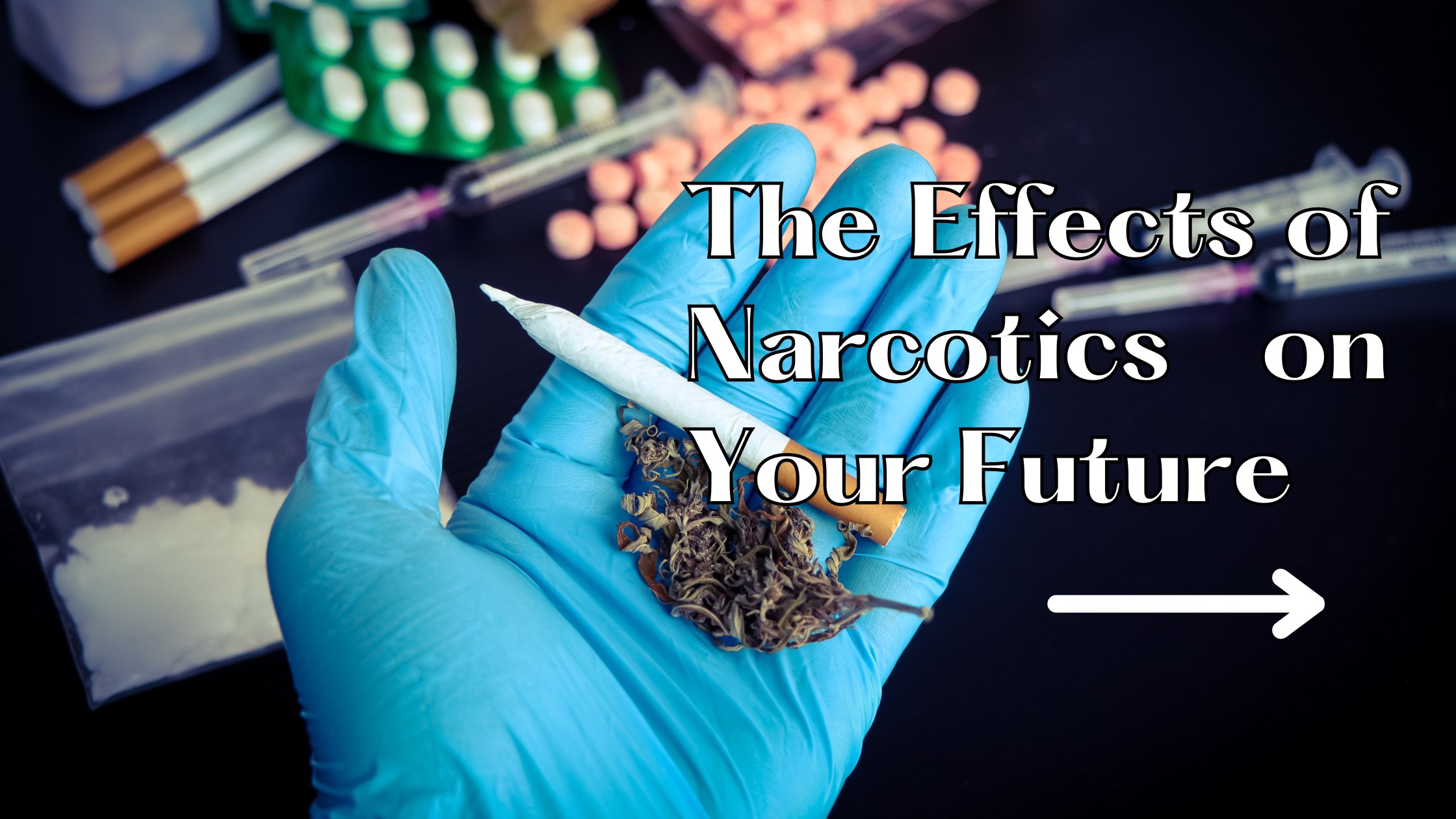
The effects of narcotics on your future. The weight of the word itself goes deep into the soul. They offer relief, escape, and a short break from the problems of everyday life. They may seem appealing at first, but they have a dark side: they take away your future. This in-depth look at addiction takes you through its entire body, revealing its grip from the roots to the branches and shedding light on the way to recovery.
Narcotics: An Overview
The effects of narcotics on your future come in many forms, from legal drugs like heroin to painkillers that you get from your doctor. No matter where they come from, they all have one thing in common: they can take over the brain’s reward system, flooding it with dopamine and making you feel happy. But this pleasure has a very high price. Narcotics are very bad for your body and brain and can cause tolerance, dependence, and addiction.
What Makes People Abuse Drugs
When genetics and environmental factors work together, they can make addiction more likely to happen. While some people may be more genetically likely to become addicted, others may use drugs as a way to deal with trauma, stress, or peer pressure.
Early Signs of Drug Abuse
To help, it’s important to be able to spot the early signs of drug abuse. Changes in behavior, like mood swings, withdrawing from others, and keeping things to yourself, could be signs of a problem. Also, you shouldn’t ignore physical signs like pinpoint pupils, drowsiness, and weight loss that you can’t explain.
How drug addiction gets worse
What starts out as a test run can quickly turn into a full-on addiction. Over time, the body gets used to the drug and needs higher doses to get the same effect. As dependence grows, withdrawal symptoms appear when the drug is not taken. The cycle of addiction gets stronger, trapping people in a downward spiral of hopelessness.
Narcotics Pose Health Risks
Narcotics hurt people in many ways, not just by making them addicted. In terms of the body, they can slow down breathing, cause heart problems, and spread infectious diseases. On a mental level, they can cause anxiety, depression, and psychosis, which can destroy a person’s whole the effects of narcotics on your future health.
Effects on society and the economy
Addiction spreads to all parts of life and can’t be stopped. When people lie and betray each other, their relationships fall apart, leaving them alone. People who are addicted lose their financial stability because they spend their money on their addiction, which traps them in a cycle of poverty and hopelessness.
Strategies for prevention and intervention
Getting people educated and aware are very effective ways to fight drug abuse. Giving people the information they need about the risks and effects will help us keep them from going down the wrong path. Getting to treatment is also very important because it gives people who are ready to break free from addiction support and tools.
Healing and getting better
Getting clean from drugs or alcohol is not easy, but it is a journey that is worth taking. The first step is detoxification, which gets rid of toxins in the body and makes room for healing. Therapy and counseling are very helpful because they get to the root causes of addiction and teach people how to deal with problems in the the effects of narcotics on your future.
Support Systems
On the way to recovery, no one should go it alone. Peer support groups offer friendship and understanding, while family support gives you a base of love and support. These support systems work together like a safety net, helping people get through the worst times.
Legal Implications
When people abuse drugs, they can face serious legal consequences, such as criminal charges and fines. But the focus shouldn’t just be on punishment; it should also be on rehabilitation. We can break the cycle of addiction and lower the number of people who go back to prison by getting them into treatment programs instead of the prison system.
Getting Over Stigma
People who are addicted often don’t get help because they are afraid of being judged. We can make a place where people accept and understand each other by changing how people think about things and building communities that help each other. Everyone should have a chance to make things right, without being judged or shamed.
What health care professionals do
Health care workers are very important in the fight against addiction. They can help people take back their lives and build new ones by stepping in early, diagnosing problems, and making individualized treatment plans. Long-term support and monitoring make sure that people stay on the path to recovery and have the tools they need to do well.
Alternative Methods for Dealing with Pain
Because of the opioid crisis, different ways of dealing with pain are becoming more popular. Physical therapy, acupuncture, and mindfulness are all good alternatives to traditional painkillers that don’t involve drugs. Holistic therapies treat the whole person, including the mind, body, and spirit, helping the body heal itself.
Looking ahead to the future
Here we are, on the edge of change, and there is hope ahead. New treatments and interventions are being made possible by research and new ideas in addiction treatment. With each new discovery, we get closer to a time when addiction is not a death sentence but a part of a bigger story of recovery and redemption.
Conclusion
Hope flickers like a faraway beacon in the darkness of addiction, calling us to a better tomorrow. By understanding how addiction works, from its causes to the health risks it poses, we can plan a way to get better and take back the futures that drugs try to take away. There is a bright future ahead of us if we all work together to break free from the chains of addiction.
FAQs
Q: How do narcotics affect the brain?
A: Narcotics hijack the brain’s reward system, flooding it with dopamine and creating a euphoric high. Over time, this leads to tolerance, dependence, and addiction.
Q: What are the physical health effects of narcotics abuse?
A: Narcotics abuse can cause respiratory depression, cardiovascular complications, and infectious diseases such as HIV and hepatitis.
Q: Can addiction be overcome?
A: Yes, addiction can be overcome with the right support and treatment. Recovery is possible, and countless individuals have reclaimed their lives from the grip of addiction.
Q: Are there alternatives to traditional painkillers?
A: Yes, there are several alternatives to traditional painkillers, including physical therapy, acupuncture, and mindfulness techniques.
Q: How can I help a loved one struggling with addiction?
A: Offering support and encouragement is crucial. Encourage your loved one to seek professional help and provide them with resources and assistance along the way.
Q: What role do healthcare professionals play in addiction treatment?
A: Healthcare professionals play a vital role in addiction treatment, providing diagnosis, personalized treatment plans, and long-term monitoring and support.