Prevention from Suicide, Addiction, Narcotics and Pollution. Withdrawal and Recovery Facts of Narcotics | Symptoms of Suicidal thoughts & Ideations | Effects of Environment Pollution | Understand Addiction withdrawal
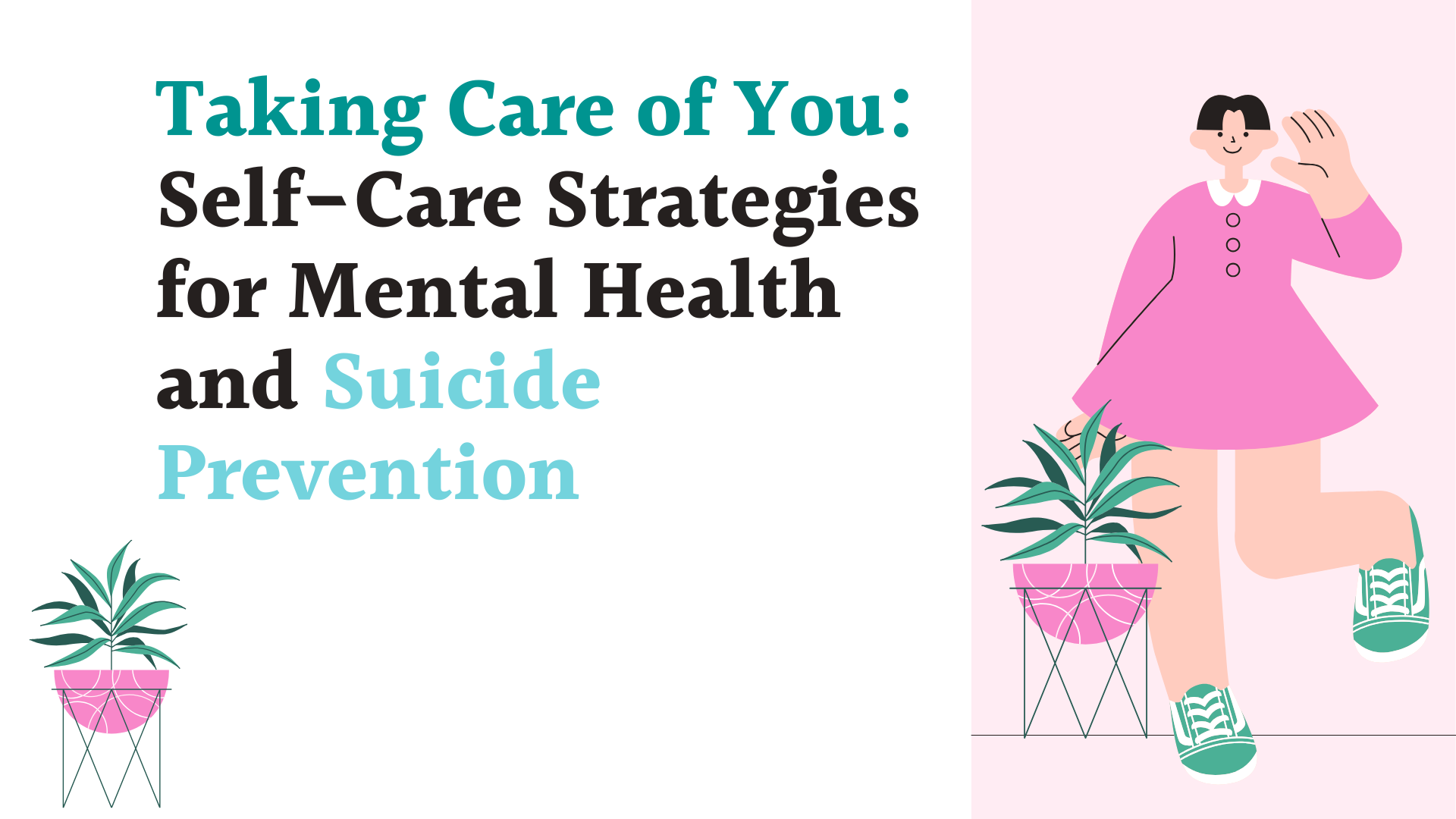
Taking Care of You. The world can be a demanding place. We juggle work, relationships, family obligations, and our own personal goals, often leaving ourselves feeling depleted and overwhelmed. This constant pressure can take a toll on our mental health, leading to anxiety, depression, and even suicidal thoughts.
But there is hope. Taking care of you – the act of prioritizing our physical and mental well-being – is a powerful tool that can help us build resilience, manage stress, and prevent mental health crises. In this comprehensive guide, we’ll explore the importance of self-care for mental health and suicide prevention, offering practical strategies you can incorporate into your daily life.
The Crucial Connection Between Self-Care and Mental Health
Mental health is an essential part of overall well-being. It encompasses our emotional, psychological, and social functioning, impacting how we think, feel, and act. When our mental health suffers, it can affect our relationships, work performance, and physical health.
Self-care is the foundation of good mental health. By taking care of ourselves, we build emotional reserves and resilience, making us better equipped to handle life’s challenges. Here’s how self-care contributes to improved mental well-being:
-
Reduces Stress:
Chronic stress can wreak havoc on our mental health. Self-care practices like relaxation techniques, exercise, and getting enough sleep help us manage stress levels, promoting a calmer and more balanced state of mind.
-
Boosts Mood:
Self-care activities that bring us joy, such as spending time with loved ones, pursuing hobbies, or spending time in nature, can significantly improve our mood and reduce symptoms of depression.
-
Increases Self-Esteem:
Taking care of ourselves physically and mentally demonstrates self-compassion and respect. This can lead to a stronger sense of self-worth and confidence.
-
Improves Emotional Regulation:
Self-care practices like mindfulness and journaling help us develop a better understanding of our emotions. This allows us to manage them more effectively and prevent them from spiraling out of control.
Self-care is not selfish; it’s essential. By prioritizing our well-being, we become better equipped to handle life’s challenges, support others, and contribute positively to the world around us.
The Role of Self-Care in Suicide Prevention
Suicide is a global public health concern, claiming the lives of hundreds of thousands of people every year. While there’s no single cause, risk factors such as mental health conditions, substance abuse, and social isolation all contribute.
Self-care plays a vital role in suicide prevention by promoting mental well-being and reducing risk factors. Here’s how:
-
Early Intervention:
Self-care practices can help us identify early warning signs of mental health struggles, such as changes in mood, sleep patterns, or appetite. Early intervention can prevent these issues from escalating and potentially leading to suicidal thoughts.
-
Building Resilience:
Self-care strengthens our emotional resilience, allowing us to cope with challenges and setbacks without feeling overwhelmed. This reduces the risk of feeling hopeless, a significant factor in suicidal ideation.
-
Creating a Support System:
Engaging in self-care activities that involve connecting with others can help us build a strong support network. Knowing that we have people who care about us and are there for us can be a powerful buffer against suicidal thoughts.
Self-care is not a cure for suicide, but it’s a crucial piece of the puzzle. By taking care of ourselves and promoting mental well-being in our communities, we can create a world where suicide is less likely.
Self-Care Strategies for Everyday Life
Self-care doesn’t have to be complicated or expensive. Here are some practical and effective strategies you can incorporate into your daily life:
1. Mind-Body Practices:
-
Meditation:
Mindfulness meditation helps us focus on the present moment and cultivate inner peace. There are many guided meditations available online and through apps.
-
Yoga:
This ancient practice combines physical postures with breathing exercises and meditation, promoting relaxation and stress reduction.
-
Deep Breathing:
Taking slow, deep breaths activates the relaxation response in our bodies, calming the nervous system and reducing anxiety.
2. Physical Activity:
-
Exercise:
Regular physical activity is a powerful mood booster. Aim for at least 30 minutes of moderate-intensity exercise most days of the week.
-
Spending Time in Nature:
Studies show that spending time outdoors can significantly reduce stress and improve mental well-being. Take a walk in the park, go for a hike, or simply sit outside and soak up the sunshine.
3. Healthy Habits (Continued):
-
Sleep:
Getting enough quality sleep is essential for both physical and mental health. Aim for 7-8 hours of sleep each night.
-
Nutrition:
Eating a balanced diet rich in fruits, vegetables, whole grains, and lean proteins provides the body with the nutrients it needs to function optimally and support mental well-being.
-
Hydration:
Dehydration can contribute to fatigue, headaches, and difficulty concentrating. Drink plenty of water throughout the day to stay hydrated.
4. Social Connection:
-
Spend Time with Loved Ones:
Social connection is vital for mental health. Make time for friends, family, and loved ones who support and uplift you.
-
Join a Club or Group:
Connecting with others who share your interests can be a great way to combat loneliness and build a sense of belonging.
5. Setting Boundaries:
-
Learn to Say No:
Don’t be afraid to say no to requests that will overload you or deplete your energy. Setting boundaries is essential for preventing burnout and maintaining your well-being.
-
Disconnect to Reconnect:
Take breaks from technology and social media. Excessive screen time can contribute to stress and anxiety.
6. Creative Expression:
-
Engage in Hobbies:
Pursue hobbies you enjoy, whether it’s painting, writing, playing music, or anything else that brings you a sense of fulfillment and allows you to express yourself creatively.
-
Journaling:
Writing down your thoughts and feelings can be a powerful way to process emotions and gain clarity.
7. Seeking Help:
-
Therapy: If you’re struggling with your mental health, don’t hesitate to seek professional help. A therapist can provide guidance and support to develop coping mechanisms and improve your well-being.
Remember: Self-care is a journey, not a destination. It’s about finding what works best for you and incorporating these practices into your daily routine. Be kind to yourself, celebrate your progress, and don’t be afraid to adjust your approach as needed.
Additional Resources
- The National Alliance on Mental Illness (NAMI): https://www.nami.org/Home
- The Jed Foundation: https://jedfoundation.org/
- The Trevor Project (LGBTQ+ Youth Suicide Prevention): https://www.thetrevorproject.org/
- The American Foundation for Suicide Prevention: https://afsp.org/
Self-Care for Specific Populations
Taking care of you while the self-care strategies outlined above can be beneficial for everyone, it’s important to acknowledge that different populations may have unique needs and challenges. Here are some additional considerations:
-
Students: Students face academic pressure, social anxiety, and financial stress. Self-care for students might include:
- Time Management Skills: Developing effective time management skills can help students feel less overwhelmed and stressed.
- Study Breaks: Taking regular breaks during study sessions can improve focus and retention.
- Healthy Eating and Sleeping Habits: Maintaining a healthy diet and getting enough sleep are crucial for students’ cognitive function and emotional well-being.
- Campus Resources: Many universities offer mental health resources and support groups for students.
-
Working Professionals: Work-life balance can be a significant challenge for working professionals. Self-care for this group might include:
- Setting Boundaries: Setting clear boundaries between work and personal life is crucial for preventing burnout.
- Taking Breaks: Taking regular breaks throughout the workday, including a lunch break, can help improve focus and productivity.
- Disconnecting After Work: Avoid checking work emails or messages outside of work hours to allow for proper mental detachment.
- Mindfulness Practices: Incorporating mindfulness exercises like meditation or deep breathing can help manage stress in the workplace.
-
Parents: Parents often juggle multiple responsibilities and experience significant stress. Self-care for parents might include:
- Delegation: Delegate tasks and responsibilities within the home to avoid feeling overwhelmed.
- Asking for Help: Don’t be afraid to ask for help from partners, family, or friends with childcare or household chores.
- Me-Time: Schedule some time for yourself, even if it’s just 30 minutes a day, to engage in activities you enjoy.
- Support Groups: Connecting with other parents through support groups can provide a sense of community and shared experiences.
Creating a Sustainable Self-Care Routine
Remember, self-care is a lifelong journey, not a one-time fix. The key is to find practices that resonate with you and create a sustainable routine you can integrate into your daily life. Here are some tips for creating a self-care routine that sticks:
- Start Small: Don’t overwhelm yourself by trying to change everything at once. Begin with small, manageable steps.
- Find Activities You Enjoy: Self-care shouldn’t feel like a chore. Choose activities you find pleasurable and relaxing.
- Be Flexible: Life doesn’t always go according to plan. Be flexible and adjust your self-care routine as needed.
- Track Your Progress: Keeping track of your progress can help you stay motivated. Consider journaling or using a self-care app.
- Be Kind to Yourself: There will be days when you don’t feel like doing your self-care routine. Don’t beat yourself up; just pick yourself up and try again tomorrow.
Conclusion
Self-care is an investment in your mental and emotional well-being. By prioritizing these practices, you’ll be better equipped to navigate life’s challenges, build resilience, and create a more fulfilling and joyful life. Remember, you are not alone. If you’re struggling with your mental health, please reach out for help. There are many resources available to support you on your journey towards emotional wellness.
Statistics:
According to the World Health Organization (WHO), depression affects more than 260 million people worldwide [1]. In the United States alone, an estimated 12 million adults experience major depressive episodes each year [2]. Suicide is the fourth leading cause of death among young adults aged 15-34 in the US [3].
References:
- World Health Organization: https://www.who.int/news-room/fact-sheets/detail/depression
- National Institute of Mental Health: https://www.nimh.nih.gov/
- Centers for Disease Control and Prevention: https://www.cdc.gov/index.htm
By taking care of ourselves, we can create a ripple effect of positive change, promoting mental well-being not just for ourselves but for those around us. Let’s prioritize self-care, break the stigma surrounding mental health, and work together to create a world where everyone feels supported and hopeful.