Prevention from Suicide, Addiction, Narcotics and Pollution. Withdrawal and Recovery Facts of Narcotics | Symptoms of Suicidal thoughts & Ideations | Effects of Environment Pollution | Understand Addiction withdrawal

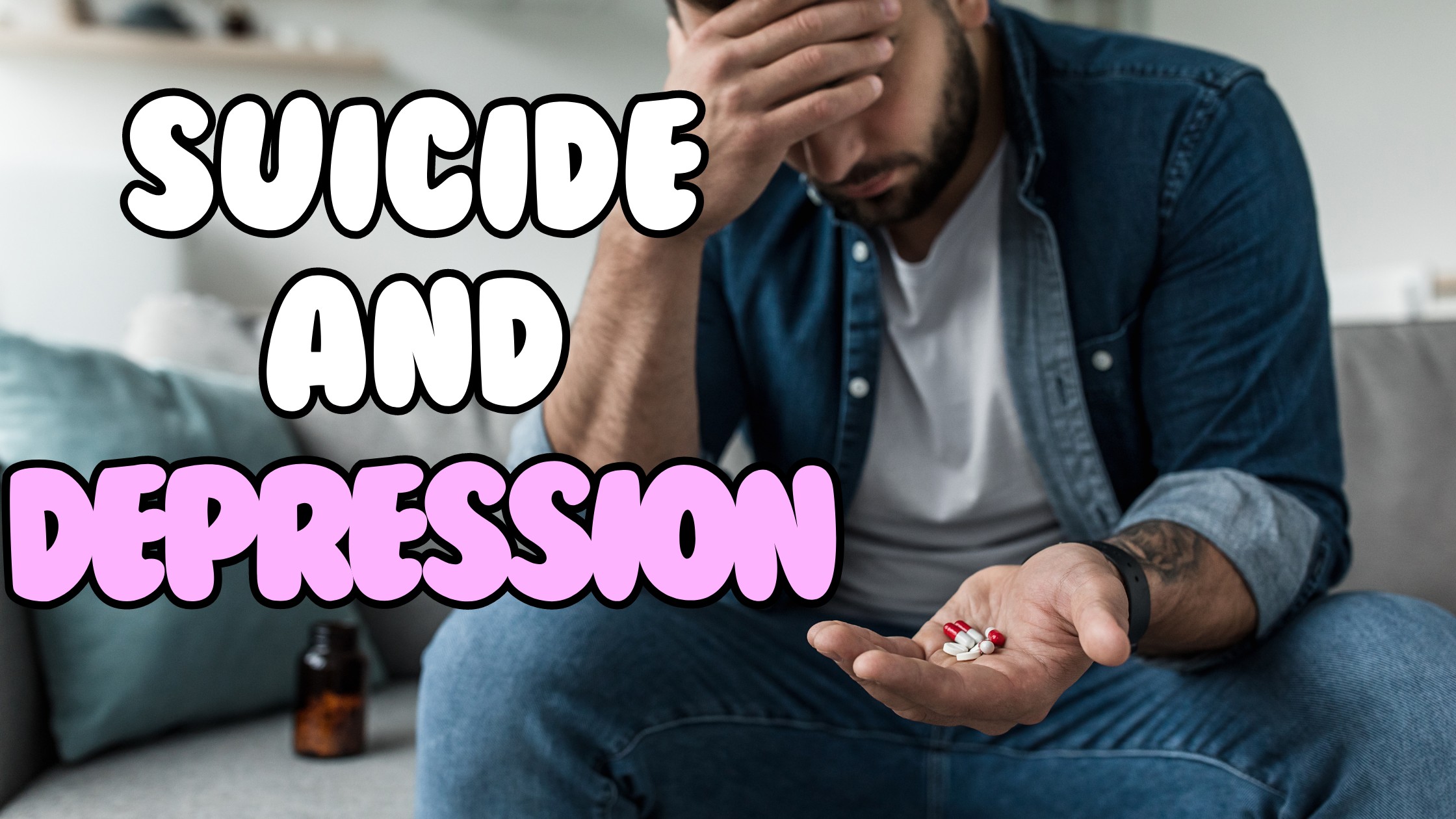
Millions of people around the world are impacted by depression, a serious mental illness. A lot of the time, it comes with sadness, hopelessness, and losing interest in things that used to be fun. In the worst cases, depression can make people think and act like they want to kill themselves. We look at the complicated link between depression and suicide in this article. We look at how the two affect and are affected by each other. To deal with and stop these problems, it’s important to understand the link between suicide and depression.
Understanding Depression and Suicide
To understand suicide and depression, you have to look into many complicated and multifaceted areas of mental health. Depression is a common mental illness that can show up in many ways, affecting a person’s mood, thoughts, and actions. It often involves feeling sad and hopeless all the time and losing interest in things you used to enjoy.
Suicide is a terrible result of major depression or other mental illnesses. However, not all depressed people consider suicide, and not all suicide attempts are caused by depression.
Suicide risk is affected by a number of things, such as:
- Mental health problems: Depression, bipolar disorder, schizophrenia, and substance abuse disorders all make the chance of committing suicide much higher.
- Life Events That Are Traumatic: Being abused, losing someone close to you, or going through big changes in your life can make you feel hopeless and depressed.
3. Biological Factors: Chemicals in the brain, genetics, and changes in the levels of neurotransmitters can all affect both depression and suicidal thoughts.
- Psychological Factors: Having suicidal thoughts can be caused by low self-esteem, a sense of not being worth anything, and trouble dealing with stress.
- Social and environmental factors: Being alone, not having enough social support, having money problems, and having easy access to weapons of mass destruction can all make the chance of committing suicide higher.
Learning the early warning signs of depression and suicidal thoughts is very important for getting help and intervening quickly. These are signs:
-
- Putting into words how hopeless or worthless you feel
- Pulling away from activities and social interactions
- More people abusing drugs
- Changes in the way you sleep or eat
- When people talk about death or suicide
- Giving away things you value
- Doing things that are careless or dangerous
If you or someone you know is depressed or suicidal, get help immediately. Helplines, support groups, and mental health professionals can provide advice, therapy, and other resources to heal. Asking for help shows strength, not weakness.
Link Between Depression and Suicide
Depression is a major suicide risk factor. Depressed people are much more likely to consider and act on suicidal thoughts. Depression makes people feel hopeless and distorts reality, making suicide seem like the only way to end their emotional pain.
According to statistics, there is a clear connection between depression and the number of suicides. The World Health Organization (WHO) says that about 90% of people who kill themselves have a mental illness that can be diagnose. Depression is one of the most common of these conditions. Know the warning signs of suicide, such as wanting to die, abusing drugs more, and withdrawing from loved ones.
Statistics on Suicide and Depression
According to the WHO, depression affects 264 million people worldwide and causes disability. Unfortunately, 800,000 people die by suicide annually. It is the second leading cause of death for 15-29-year-olds. Depression symptoms like feeling sad all the time, having trouble sleeping or eating, and feeling worthless make daily life difficult. Young adults are more likely to have suicidal thoughts than others with depression.
Strategies for Preventing Suicide
Getting help from a professional
People who are depresse or having suicidal thoughts need to get professional help right away. Therapists, counselors, and psychiatrists can help with support, advice, and treatments that have been show to work, like therapy and medication.
Setting up networks of support
For preventing suicide and dealing with depression, it’s important to build strong support networks. Friends, family, and support groups can be there for you during hard times to offer support, understanding, and practical help.
How to Cope and Stay Strong
People can better deal with stress, control their emotions, and get through tough situations by learning healthy ways to cope and building resilience. Mindfulness, exercise, and creative expression are all things that can improve mental health and lessen the effects of depression.
Depression Support for Loving Ones
Hearing and confirming
Being there for someone who is depress and actively listening can make a big difference in their life. Don’t criticize or judge. Instead, show understanding, compassion, and support.
Trying to Get Treatment
It’s very important for someone who is depress to get help from someone they care about. Help them find a therapist or psychiatrist, keep their appointments, and do what they’re told during treatment.
Giving Help in Real Life
Giving practical help, like doing chores around the house, running errands, or making meals, can ease some of the stress that comes with depression. Offer to go to appointments with your loved one or help them get to community resources.
Dispelling the Myths
Learning and Being Aware
Getting people to learn more about depression and suicide can help them stop feeling ashamed of their problems. By dispelling myths and spreading true information, we can help people understand and care about people who are having mental health issues.
Language and talking to each other
When talking about depression and suicide, it’s important to use respectful, non-stigmatizing language. Instead of labeling people or guessing about what they’ve been through, try to encourage open and helpful communication.
Help and Advocacy Groups
People who are depresse or have suicidal thoughts may find it easier to get care and support if they push for policy changes and more money for mental health services. Support groups and grassroots advocacy efforts can also bring people together and give them power.
Prevention of Suicide and Depression Resources
People who are depress or having suicidal thoughts can get help from a lot of places, like hotlines, online support groups, and community mental health centers. If you or someone you know is having a hard time, it’s important to ask for help.
Conclusion
If left untreated, depression is a serious mental illness that can have terrible effects. We can work to stop suicide and improve mental health for everyone by understanding the link between depression and suicide, recognizing the signs and symptoms, and giving help and resources to those who need them.