Prevention from Suicide, Addiction, Narcotics and Pollution. Withdrawal and Recovery Facts of Narcotics | Symptoms of Suicidal thoughts & Ideations | Effects of Environment Pollution | Understand Addiction withdrawal

Drug addiction recovery involves stages such as detoxification, rehabilitation, and long-term maintenance. Each stage is crucial for achieving lasting sobriety.
Drug addiction recovery is a structured process that helps individuals overcome dependence and regain control of their lives. The journey typically begins with detoxification, where the body purges harmful substances. Rehabilitation follows, offering therapy and support to address underlying issues and develop coping strategies.
Long-term maintenance ensures sustained recovery through ongoing support, lifestyle changes, and possibly medication. Each stage is vital, requiring commitment and professional guidance for successful outcomes. Understanding these stages can provide clarity and hope for those struggling with addiction and their loved ones, highlighting the path to a healthier, addiction-free life.
Initial Recognition
Drug addiction recovery is a journey that starts with the Initial Recognition stage. This stage involves realizing and admitting that there is a problem. Without this step, moving forward in the recovery process becomes challenging. Understanding the need for change and seeking help can lead to a healthier and more fulfilling life.
Acknowledging The Problem
Acknowledging the Problem is the first step in the Initial Recognition stage. This involves a deep, honest look at one’s life and behaviors. Many people find this step difficult, but it is crucial for recovery.
Here are some signs that indicate a problem:
- Neglecting responsibilities at work, school, or home
- Using drugs in risky situations, like driving
- Experiencing legal issues due to drug use
- Strained relationships with family and friends
Recognizing these signs is the first step towards change. Journaling can help in this process. Writing down thoughts and experiences can provide clarity. Another effective method is talking with someone you trust. Open conversations can reveal patterns and concerns that were previously ignored.
| Sign | Impact |
|---|---|
| Neglecting responsibilities | Loss of job or failing grades |
| Risky behavior | Increased chances of accidents |
| Legal issues | Fines or jail time |
| Strained relationships | Isolation and loneliness |
It’s important to remember that acknowledgment is not a sign of weakness. It’s a brave first step towards healing.
Accepting Help
Accepting Help is the next crucial step. Once the problem is acknowledged, the person must be open to assistance. This can come from various sources, including family, friends, and professionals.
Here are some ways to accept help:
- Reaching out to loved ones: Family and friends can provide emotional support. They can help with day-to-day tasks and offer encouragement.
- Seeking professional help: Therapists and counselors specialize in addiction recovery. They can create personalized treatment plans and provide necessary tools for coping.
- Joining support groups: Groups like Narcotics Anonymous offer a community of people with similar experiences. Sharing stories and strategies can be incredibly empowering.
It’s essential to stay open-minded during this stage. Different methods work for different people. Trial and error can help find the most effective form of support.
Some benefits of accepting help include:
- Feeling less alone in the journey
- Learning new coping strategies
- Building a support network
- Gaining insight from others’ experiences
Accepting help is not a sign of failure; it is a proactive step towards recovery and a healthier life.
Credit: www.discoverynj.org
Detoxification Process
Drug addiction recovery is a journey involving multiple stages, each crucial to achieving long-term sobriety. The first and often most challenging stage is the Detoxification Process. Detoxification, or detox, involves clearing the body of harmful substances. This stage sets the foundation for further treatment and recovery.
Physical Withdrawal
During the Physical Withdrawal phase, the body reacts to the absence of the addictive substance. These reactions can be uncomfortable and sometimes severe. Common symptoms of physical withdrawal include:
- Headaches
- Nausea and vomiting
- Muscle aches and pains
- Sweating and chills
- Insomnia
- Fatigue
- Anxiety and depression
Physical withdrawal symptoms vary based on the type of drug, duration of use, and individual health. To manage these symptoms, a comprehensive approach is often necessary. This approach includes:
- Hydration: Drinking plenty of water to stay hydrated.
- Nutrition: Eating balanced meals to support the body’s recovery.
- Rest: Ensuring adequate sleep and relaxation.
- Exercise: Engaging in light physical activity to improve mood and energy levels.
In some cases, physical withdrawal can be life-threatening, especially with substances like alcohol and benzodiazepines. Immediate medical attention is essential if severe symptoms occur.
Medical Support
Medical Support plays a vital role in the detoxification process. rofessionals provide care and supervision, ensuring the safety and comfort of individuals undergoing detox. Key aspects of medical support include:
| Support Type | Description |
|---|---|
| Medication | Prescribed drugs to ease withdrawal symptoms and reduce cravings. |
| Monitoring | Regular health checks to monitor vital signs and symptoms. |
| Counseling | Therapy sessions to provide emotional and psychological support. |
| Emergency Care | Immediate medical intervention if severe symptoms arise. |
Medications used during detox can include:
- Buprenorphine: Reduces opioid withdrawal symptoms.
- Clonidine: Eases symptoms like anxiety and sweating.
- Benzodiazepines: Helps with alcohol and benzodiazepine withdrawal.
Medical support ensures a safer detox process, reducing the risk of complications. This support also prepares individuals for the next stages of addiction recovery.
Therapeutic Interventions
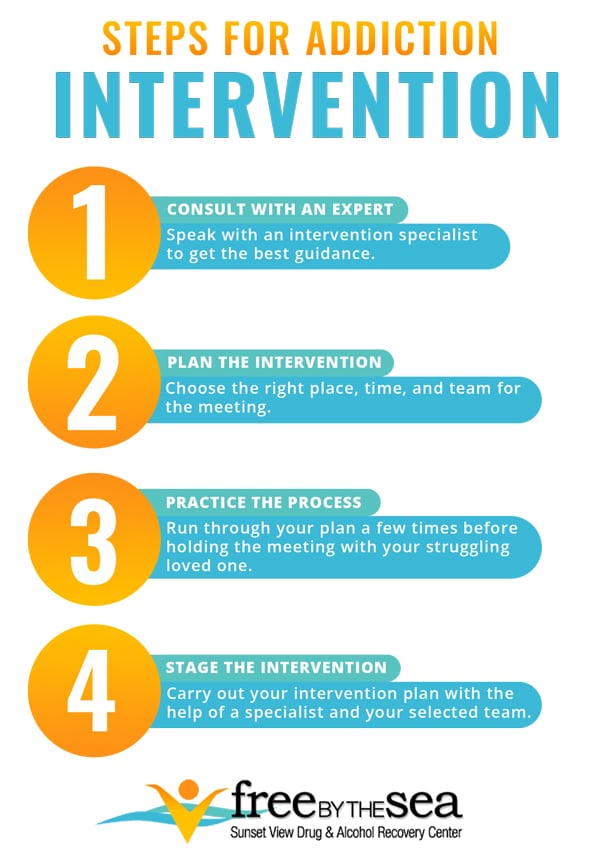
Recovering from drug addiction involves several stages, and therapeutic interventions play a crucial role. These interventions help individuals understand their addiction, develop coping strategies, and build a support system. Two key therapeutic interventions are individual counseling and group therapy.
Individual Counseling
Individual counseling is a one-on-one session between the person in recovery and a therapist. This type of therapy provides a safe space for individuals to explore their thoughts and feelings. The therapist helps them understand the root causes of their addiction and develop strategies to manage triggers and cravings.
Some benefits of individual counseling include:
- Personalized treatment plans: Each person receives a customized plan based on their unique needs.
- Confidentiality: Individuals can speak openly without fear of judgment.
- Focused attention: The therapist can concentrate on one person’s issues, providing more in-depth support.
During sessions, therapists might use different techniques, such as:
- Cognitive Behavioral Therapy (CBT): Helps change negative thought patterns.
- Motivational Interviewing (MI): Encourages individuals to find their motivation for change.
- Dialectical Behavior Therapy (DBT): Teaches skills for managing emotions and relationships.
Individual counseling is a key part of the recovery process, offering tailored support and guidance.
Group Therapy
Group therapy involves sessions where multiple individuals in recovery meet with a therapist. This setting provides a unique opportunity for people to share their experiences and learn from others. Group therapy fosters a sense of community and belonging, which is essential for recovery.
Some advantages of group therapy include:
- Peer support: Individuals can connect with others who understand their struggles.
- Shared experiences: Hearing others’ stories can provide new insights and perspectives.
- Accountability: Group members can hold each other accountable for their progress.
Typical group therapy sessions might include:
| Activity | Description |
|---|---|
| Check-ins | Members share their recent experiences and progress. |
| Discussion Topics | Therapist-led discussions on relevant issues like coping strategies. |
| Role-Playing | Practicing responses to triggers in a safe environment. |
Group therapy is an invaluable component of addiction recovery, providing communal support and collective wisdom.
Credit: www.freebythesea.com
Building Coping Skills
Recovering from drug addiction is a challenging journey. One crucial part of this journey is building coping skills. These skills help individuals manage stress and avoid relapse. Let’s explore some essential aspects of this process.
Stress Management
Managing stress is vital for someone in recovery. Stress can trigger cravings and lead to relapse. Here are some effective techniques:
- Exercise: Physical activity releases endorphins, which improve mood.
- Meditation: Meditation helps calm the mind and reduce anxiety.
- Hobbies: Engaging in hobbies can distract from stressful thoughts.
- Sleep: Quality sleep helps the body recover and manage stress better.
Creating a daily routine can also aid in stress management. Here’s a simple routine to follow:
| Time | Activity |
|---|---|
| 6:00 AM | Wake up and meditate |
| 7:00 AM | Exercise |
| 8:00 AM | Healthy breakfast |
| 9:00 AM | Work or study |
| 12:00 PM | Lunch break |
| 1:00 PM | Continue work or study |
| 5:00 PM | Hobby time |
| 6:00 PM | Dinner |
| 7:00 PM | Relaxation or family time |
| 10:00 PM | Sleep |
Relapse Prevention
Relapse prevention involves planning and strategies to stay on track. Here are some key elements:
- Support Network: Surround yourself with supportive friends and family.
- Triggers: Identify and avoid places, people, and situations that trigger cravings.
- Therapy: Regular therapy sessions can provide ongoing support.
- Healthy Lifestyle: Maintain a balanced diet and regular exercise.
- Goal Setting: Set short-term and long-term goals to stay motivated.
Here’s a table to help track your goals:
| Goal | Target Date | Status |
|---|---|---|
| Stay sober for 30 days | April 30 | In Progress |
| Attend 10 therapy sessions | May 15 | Completed |
| Run a 5K | June 1 | Not Started |
Having a plan and sticking to it can significantly reduce the chances of relapse. Remember, each day is a step forward in your recovery journey.
Support Systems
Drug addiction recovery is a journey. Support systems play a crucial role in ensuring success. They provide encouragement, accountability, and resources. Let’s explore the various support systems that can aid in the recovery process.
Family Involvement
Family support is vital in drug addiction recovery. The family offers emotional support and helps maintain a stable environment. Here are some ways families can help:
- Open Communication: Talk openly about feelings and challenges. It builds trust and understanding.
- Setting Boundaries: Establish clear rules and expectations. It creates a structured environment.
- Participating in Therapy: Join family therapy sessions. It helps address underlying issues and improves relationships.
- Encouraging Healthy Habits: Promote a healthy lifestyle. Encourage exercise, proper nutrition, and hobbies.
Families can also use various resources to support their loved ones:
| Resource | Benefit |
|---|---|
| Support Groups | Connect with other families facing similar challenges. |
| Educational Programs | Learn about addiction and recovery strategies. |
| Counseling Services | Get professional guidance and advice. |
Peer Support Groups
Peer support groups are essential in recovery. They provide a sense of community and shared experiences. Some benefits of peer support groups include:
- Shared Experiences: Connect with others who understand the struggle. It reduces feelings of isolation.
- Accountability: Regular meetings encourage accountability. Members support each other in staying on track.
- Practical Advice: Gain practical tips and strategies. Learn what has worked for others.
- Encouragement: Receive constant motivation and encouragement. It helps in staying committed to recovery.
Popular peer support groups include:
- Alcoholics Anonymous (AA): Focuses on alcohol addiction recovery.
- Narcotics Anonymous (NA): Addresses various drug addictions.
- SMART Recovery: Uses a scientific approach to recovery.
- Celebrate Recovery: Combines spiritual principles with recovery practices.
Joining a peer support group can make a significant difference. It provides a structured support network. It also offers an opportunity to build lifelong friendships.
Lifestyle Changes
Recovering from drug addiction involves several stages, each playing a crucial role in the journey towards sobriety. One important stage is making significant lifestyle changes. Transforming your daily habits and routines can help maintain long-term recovery and prevent relapse. Let’s explore some essential lifestyle changes that support this process.
Healthy Habits
Adopting healthy habits is vital during recovery. These habits improve physical and mental well-being, making the journey smoother and more manageable.
Here are some key healthy habits:
- Regular Exercise: Physical activity boosts mood and reduces stress. Aim for at least 30 minutes of exercise daily.
- Balanced Diet: Eating nutritious meals helps restore your body and mind. Include plenty of fruits, vegetables, and lean proteins.
- Hydration: Drink plenty of water. Staying hydrated aids in detoxification and overall health.
- Sleep Hygiene: Get 7-9 hours of sleep each night. A good night’s rest is essential for recovery.
Consider the following table for a simple daily routine incorporating these habits:
| Time | Activity |
|---|---|
| 7:00 AM | Wake up and hydrate |
| 7:30 AM | Exercise (jogging, yoga, etc.) |
| 8:30 AM | Healthy breakfast |
| 12:00 PM | Balanced lunch |
| 6:00 PM | Nutritious dinner |
| 10:00 PM | Wind down and sleep |
New Routines
Creating new routines helps in breaking old, harmful patterns. It brings structure to your day and reduces the risk of relapse.
Here are some tips for establishing new routines:
- Set Goals: Define daily, weekly, and monthly goals. This gives you something positive to work towards.
- Plan Your Day: Use a planner or app to organize your tasks. This reduces idle time and keeps you focused.
- Engage in Hobbies: Find activities you enjoy, such as painting, reading, or gardening. Hobbies keep your mind occupied and stress levels low.
- Social Connections: Build a support network. Spend time with family, friends, or support groups.
Below is an example of a new daily routine:
- Morning: Meditation, exercise, and a healthy breakfast.
- Afternoon: Work, school, or volunteer activities, followed by a balanced lunch.
- Evening: Hobbies, family time, and a nutritious dinner.
- Night: Relaxation activities like reading or listening to music, then sleep.
By incorporating these new routines, you build a healthier, more structured life. This greatly supports your recovery journey.

Monitoring Progress
Drug addiction recovery involves multiple stages, each essential for a full recovery. One critical aspect is Monitoring Progress. This stage ensures individuals stay on track, make improvements, and adjust strategies as needed. Here, we delve into two key elements: Setting Goals and Regular Check-ins.
Setting Goals
Setting goals is a fundamental part of the recovery journey. It provides direction and motivation. Goals should be specific, measurable, achievable, relevant, and time-bound (SMART).
Consider these steps for effective goal setting:
- Identify Short-term Goals: These can be daily or weekly tasks, such as attending support meetings or practicing mindfulness.
- Define Long-term Goals: These might include staying sober for a year or rebuilding relationships with family.
- Break Down Goals: Divide large goals into smaller, manageable steps.
- Track Progress: Use a journal or app to monitor daily achievements.
Here’s an example table to illustrate SMART goals:
| Goal | Specific | Measurable | Achievable | Relevant | Time-bound |
|---|---|---|---|---|---|
| Attend support meetings | Yes | Count meetings attended | Yes | Supports sobriety | Weekly |
| Rebuild family relations | Yes | Number of family interactions | Yes | Improves personal life | Yearly |
Regular Check-ins
Regular check-ins are vital for accountability and support. These check-ins can be with a therapist, support group, or a trusted friend or family member.
Consider incorporating these elements:
- Weekly Meetings: Schedule sessions to discuss progress and challenges.
- Daily Self-assessment: Reflect on daily achievements and setbacks in a journal.
- Feedback: Encourage honest feedback during check-ins.
Here’s a simple self-assessment template:
| Day | Progress | Challenges | Next Steps |
|---|---|---|---|
| Monday | Attended meeting | Cravings | Practice mindfulness |
| Tuesday | No cravings | None | Continue current plan |
Regular check-ins ensure that goals are met and adjustments are made timely. This continuous monitoring fosters a strong, supportive environment, crucial for long-term recovery.
Long-term Recovery
Recovering from drug addiction is a journey that involves several stages. One of the most crucial stages is Long-term Recovery. This stage is vital for sustaining a drug-free life and ensuring that the individual can live without the constant threat of relapse. Long-term recovery focuses on building a sustainable lifestyle, continued support, and personal growth.
Continued Support
Continued support is essential for those in long-term recovery. It provides a safety net and a sense of community. Support groups, therapy sessions, and check-ins help keep individuals on track.
- Support Groups: These groups offer a sense of belonging. Sharing experiences with others who understand can be incredibly healing.
- Therapy Sessions: Regular therapy helps address underlying issues. It also equips individuals with coping strategies.
- Check-ins: Regular check-ins with a sponsor or mentor provide accountability. This can prevent relapse.
A table summarizing different types of continued support:
| Type | Benefits |
|---|---|
| Support Groups | Provides community and shared experiences |
| Therapy Sessions | Addresses underlying issues and offers coping strategies |
| Check-ins | Ensures accountability and prevents relapse |
Continued support is not just for crises. It’s a constant part of long-term recovery. It builds a foundation for a stable and fulfilling life.
Personal Growth
Personal growth is another critical aspect of long-term recovery. It involves self-improvement and finding new passions. Growth leads to a fulfilling life, free from addiction.
Key areas of personal growth include:
- Education: Learning new skills can be empowering. It opens up new career opportunities.
- Hobbies: Finding new hobbies can replace old, harmful habits. It also provides a sense of achievement.
- Health: Physical well-being is crucial. Regular exercise and a balanced diet improve mental health too.
A simple table to illustrate key areas of personal growth:
| Area | Benefits |
|---|---|
| Education | Empowerment and new career opportunities |
| Hobbies | Sense of achievement and replacing harmful habits |
| Health | Improved physical and mental well-being |
Personal growth is a lifelong journey. It ensures that individuals not only stay sober but also find joy and meaning in their new lives.
Additional Resources
Drug addiction recovery is a challenging journey that requires various stages of healing and support. To help individuals navigate this path, there are many additional resources available. These resources can provide extra support, information, and encouragement for those in recovery. This section will cover some of the most useful resources, including helplines, support groups, books, and articles.
Helplines And Support Groups
Helplines and support groups offer immediate assistance and a sense of community for those in recovery. They provide an essential lifeline during difficult times, offering support from professionals and peers who understand the challenges of addiction recovery.
- National Helpline: The Substance Abuse and Mental Health Services Administration (SAMHSA) offers a free, confidential helpline available 24/7. This can be reached at 1-800-662-HELP (4357).
- Narcotics Anonymous (NA): NA provides regular meetings and support for individuals recovering from drug addiction. Visit their website to find local meetings.
- Alcoholics Anonymous (AA): AA is a well-known support group for those struggling with alcohol addiction. They also offer meetings and resources for recovery.
- Hotline for Drug Abuse: The National Institute on Drug Abuse (NIDA) offers a hotline that provides information and resources. Call 1-800-662-HELP (4357) for assistance.
Support groups and helplines are crucial because they provide immediate access to help. They also connect individuals with others who have similar experiences, fostering a sense of community and shared understanding.
Books And Articles
Books and articles are valuable resources that offer in-depth information and personal stories about addiction and recovery. They can provide guidance, inspiration, and a better understanding of the recovery process.
- “The Big Book” by Alcoholics Anonymous: This book is a cornerstone of the AA program, offering insights and steps for recovery from alcoholism.
- “Clean” by David Sheff: This book provides a comprehensive look at addiction and recovery, written by a journalist who experienced his son’s struggle with addiction.
- Articles from SAMHSA: The Substance Abuse and Mental Health Services Administration offers numerous articles and resources on addiction and recovery. Visit their website for more information.
- “In the Realm of Hungry Ghosts” by Gabor Maté: This book explores the root causes of addiction and offers insights into the recovery process.
Reading books and articles can help individuals better understand their own experiences. They also provide practical advice and strategies for maintaining sobriety.
Credit: www.northernillinoisrecovery.com
Frequently Asked Questions
What Are The 5 Stages Of The Recovery Process?
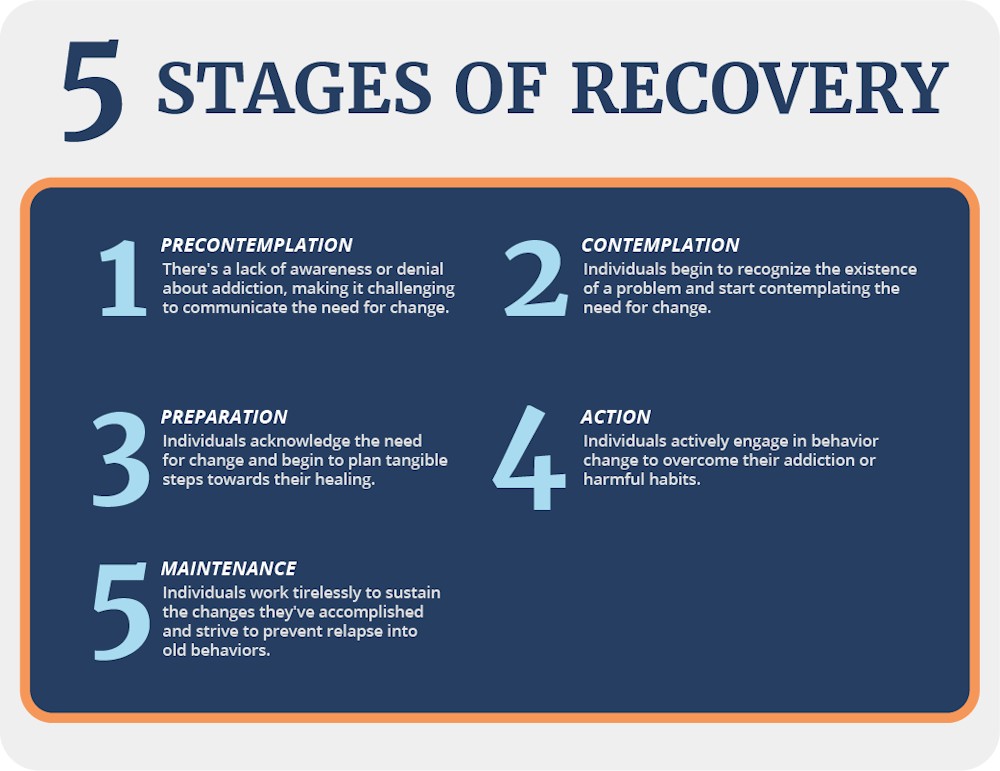
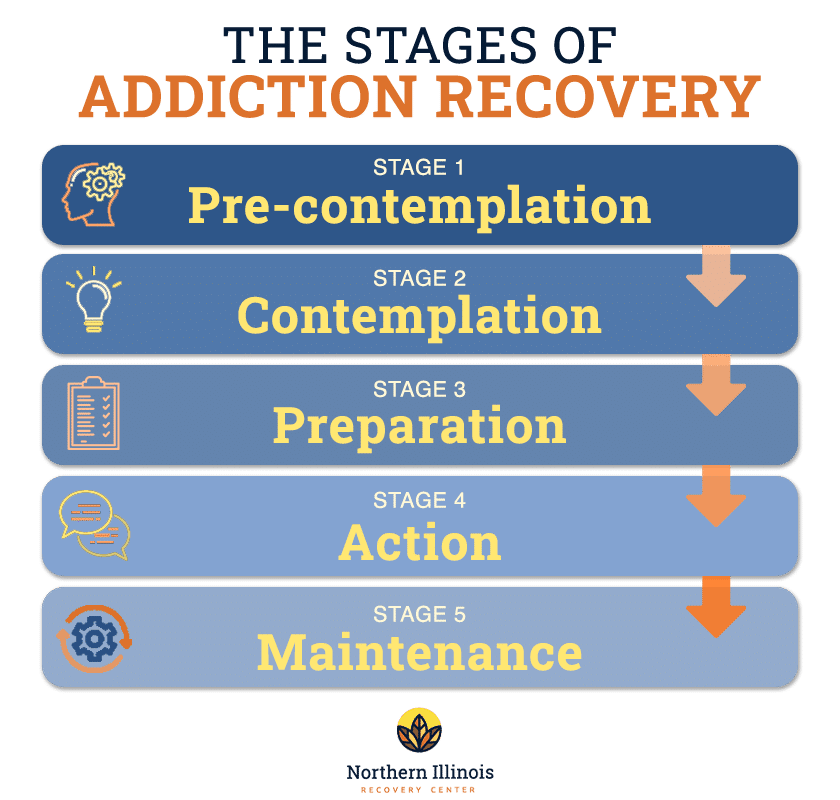
The 5 stages of the recovery process are: 1) Precontemplation, 2) Contemplation, 3) Preparation, 4) Action, and 5) Maintenance.
What Are The 5 Steps To Recover?
1. Acknowledge the issue. 2. Seek professional help. 3. Follow a structured plan. 4. Stay consistent with treatments. 5. Monitor progress regularly.
What Are The 5 Stages Of Change In Addiction?
The 5 stages of change in addiction are: Precontemplation, Contemplation, Preparation, Action, and Maintenance.
What Are The 4 Steps Of Recovery?
The 4 steps of recovery are assessment, detoxification, therapy, and aftercare. Assessment identifies issues, detox removes toxins, therapy addresses underlying causes, and aftercare supports long-term sobriety.
Conclusion
Recovery from drug addiction is a challenging journey. Each stage requires commitment and support. Understanding these stages can guide individuals and their loved ones toward lasting sobriety. Remember, recovery is possible with the right resources and determination. Embrace the journey and celebrate every small victory along the way.