Prevention from Suicide, Addiction, Narcotics and Pollution. Withdrawal and Recovery Facts of Narcotics | Symptoms of Suicidal thoughts & Ideations | Effects of Environment Pollution | Understand Addiction withdrawal
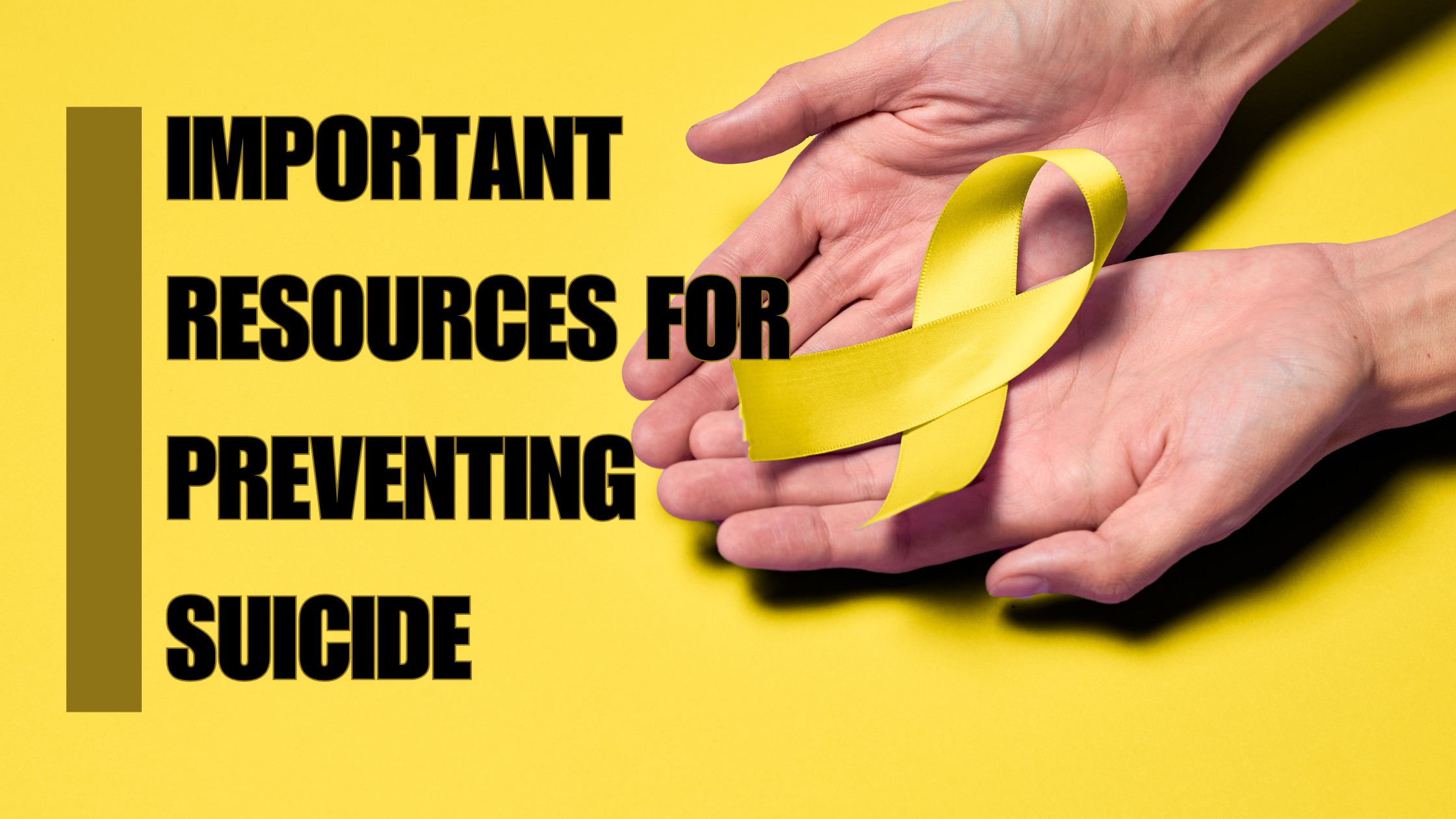
In today’s stressful world, anyone of any age, gender, or background can have mental health problems, such as suicidal thoughts. People who are having thoughts can find hope and help, though, if they have access to the right resources and support networks. In this article, we will talk about important Resources for preventing suicide that people in need can use, such as crisis hotlines, online support groups, and educational programs.
Learning About How to Stop Suicide
There are many strategies and actions that can be used to help stop people from attempting or completing resources for preventing suicide. It means giving people who are having suicidal thoughts or actions support, resources, and education, as well as support for their families and communities.
Millions of people die every year by suicide, making it a major public health problem around the world. Getting people involved in efforts to stop suicide can save lives, lower the shame that surrounds mental illness, and make it easier for people to ask for help.
Key Suicide Prevention Resources
National Lifeline for Suicide Prevention
The National resources for preventing Suicide Lifeline is a confidential hotline that people in crisis can call 24 hours a day, seven days a week. Callers can talk to trained counselors at 1-800-273-TALK (8255), who can offer advice, resources, and connections to mental health services in their area.
Text Line for Crisis
For people who would rather text than talk, the Crisis Text Line offers free text message support 24 hours a day, seven days a week. People can text “HELLO” to 741741 to talk to trained crisis counselors who can offer emotional support and help during times of crisis.
Helplines for preventing suicide
Along with national hotlines, many local and regional groups run suicide prevention hotlines staffed by trained volunteers. People in crisis can call these hotlines to get a listening ear, emotional support, and information about resources in their area.
Online communities for support
There are a lot of support groups and forums on the internet where people can connect with others who have been through similar things. People can share their problems and get help from their peers in these communities, which make them feel like they belong and are understood.
Help with therapy and counseling
People who are having suicidal thoughts or mental health problems need to get professional help from therapists, counselors, or psychologists. Therapy gives people a safe place to talk about their feelings, learn how to deal with problems, and come up with ways to handle stress.
Educational Resources
Suicide Prevention Training Programs
A lot of groups offer training programs to help people avoid suicide. These programs teach people how to spot warning signs, help people in crisis, and support people who are at risk. People who take part in these programs are given the tools they need to act, which could save lives.
Mental Health Awareness Campaigns
Campaigns to make people aware of mental illness and suicide are very important for reducing the stigma that surrounds these issues. These campaigns encourage people to get help when they need it and build supportive communities by encouraging open conversations about mental health.
Support for Vulnerable Groups
Programs for kids and teens
Teenagers who are dealing with problems like being bullied, having to do well in school, or family arguments may be more likely to have suicidal thoughts or act on them. Programs that focus on youth offer support, education, and resources to help young people deal with these problems.
Services to help LGBTQ+ people
LGBTQ+ people face unique problems with identity, discrimination, and social stigma, which can make them more likely to have mental health problems and commit suicide. LGBTQ+-affirming support services provide welcoming and understanding spaces where people can get the help and resources they need.
Help for Veterans and the Military
People in the military, veterans, and their families may have mental health problems like PTSD, depression, and anxiety because of the stressful parts of life in the military. Specialized support services give this group of people the resources and help they need that are best suited to their needs.
International Suicide Prevention Resources
World Health Organization (WHO)
The World Health Organization is a leader in the fight against suicide around the world. It does this by promoting mental health policies, raising awareness, and backing interventions that have been shown to work.
International Association for Suicide Prevention (IASP)
The International Association for Suicide Prevention works worldwide to prevent suicidal thoughts and actions. By minimizing their effects and providing assistance to those who have been affect by suicide. IASP collaborates with professionals, researchers, and policymakers to promote strategies and programs that prevent suicide.
Technological Advancements in Suicide Prevention
AI-Powered Intervention Apps
As technology has improve, intervention apps power by AI have been create to help people with mental health problems, such as suicidal thoughts, by giving them support and resources. You can use these apps at any time, from anywhere, to get personalize help, keep track of your mood, and get crisis support.
Online Tools for Screening
People can use online screening tools to get an honest look at their mental health and suicide risk. These tools can help people find warning signs, get help early.
Overcoming Stigma and Misconceptions
Raising awareness about mental health
Fighting the stigma that surrounds mental illness and suicide requires ongoing education and advocacy. By educating people about mental health issues .
Fighting Language That Stigmatizes
Language has a big impact on how people think and feel about mental health. We can help reduce stigma and create a culture of acceptance and support for people with mental illness.
References:
-
- National Suicide Prevention Lifeline. (n.d.). Retrieved from https://suicidepreventionlifeline.org/
- Crisis Text Line. (n.d.). Retrieved from https://www.crisistextline.org/
- American Association of Suicidology. (n.d.). Retrieved from https://suicidology.org/resources/hotlines/
- World Health Organization. (n.d.). Suicide prevention. Retrieved from https://www.who.int/health-topics/suicide#tab=tab_1
- International Association for Suicide Prevention. (n.d.). Retrieved from https://www.iasp.info/
- Mental Health America. (n.d.). Screening Tools. Retrieved from https://www.mhanational.org/screening-tools