Prevention from Suicide, Addiction, Narcotics and Pollution. Withdrawal and Recovery Facts of Narcotics | Symptoms of Suicidal thoughts & Ideations | Effects of Environment Pollution | Understand Addiction withdrawal

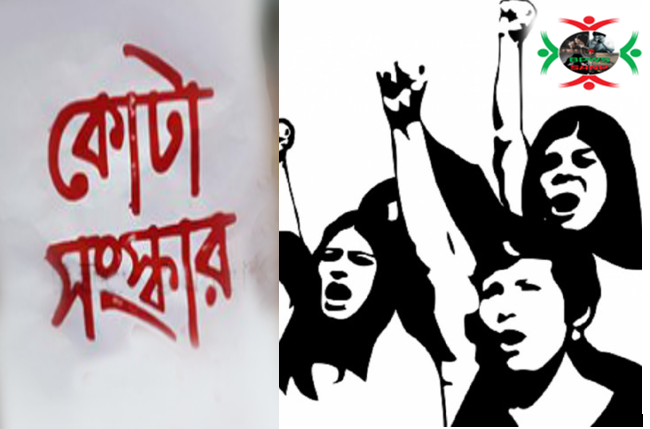
The Quota Reform Movement in Bangladesh began as a student-led protest demanding fair rights in government job allocations. The movement aimed to revise the existing quota system that many viewed as outdated and unjust.
Bangladeshi students initiated the Quota Reform Movement to address perceived inequalities in the government’s job allocation system. They believed the existing quota system was unfair, favoring certain groups disproportionately. The movement gained significant traction, with thousands of students protesting in the streets and on university campuses.
Their primary demand was to reduce the quota percentage and implement a more merit-based system. This struggle highlighted the broader issues of fairness and equality in Bangladesh’s job market, making it a landmark moment in the country’s recent history.
Introduction To The Quota Reform Movement
The Quota Reform Movement in Bangladesh is a significant student-led struggle. This movement aimed to ensure fair rights for Bangladeshi students in government jobs. It sought to address the imbalance in the existing quota system. Let’s delve deeper into this movement and understand its origins and driving factors.
Historical Background
The quota system in Bangladesh was established after the country’s independence in 1971. It aimed to provide opportunities for underrepresented groups. Over time, the system became outdated. The system’s flaws started impacting students’ futures.
The original quota system allocated 56% of government jobs to various reserved categories. Only 44% of jobs were open for merit-based competition. This created a significant disparity. Many deserving candidates faced challenges in securing government jobs.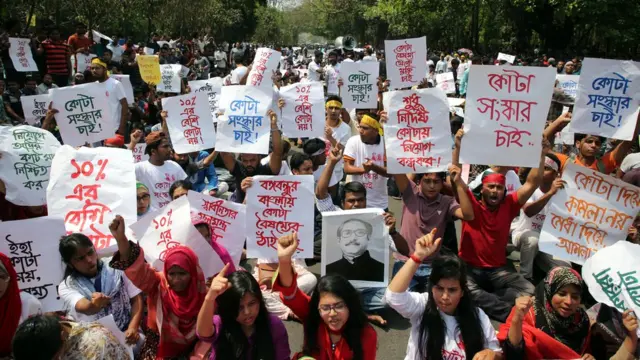
Catalysts For Change
Several key events ignited the Quota Reform Movement. One major catalyst was the growing frustration among students. Many felt that the quota system was unfair. They believed it hindered merit-based opportunities.
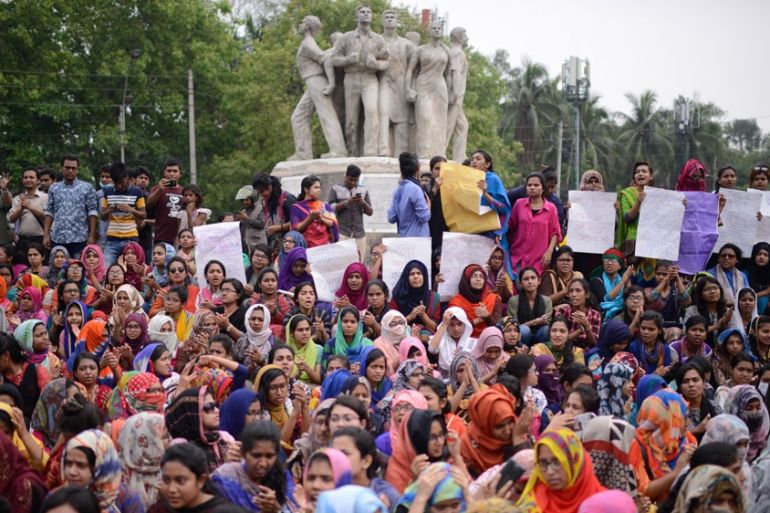
Another pivotal moment occurred in April 2018. Thousands of students took to the streets. They demanded reforms in the quota system. Their protests were peaceful but powerful. The sheer number of participants highlighted the issue’s importance.
The movement gained momentum through social media. Platforms like Facebook played a crucial role. Students used these platforms to organize and spread their message. The movement’s widespread support showcased the collective demand for change.

Credit: www.aljazeera.com
The Genesis Of The Movement
The Quota Reform Movement in Bangladesh began as a student-led initiative to demand fairer rights. Students felt the existing quota system in public sector jobs was unfair. They believed it favored certain groups at the expense of merit. This movement quickly gained momentum and became a significant force for change.
Early Protests
The first wave of protests started in early 2018. Students from various universities came together. They organized peaceful rallies and marches. Their main demand was a reformation of the quota system. They wanted 56% of jobs to be based on merit. The remaining 44% could be reserved for special categories.
The protests were initially small but grew rapidly. Within weeks, thousands of students were participating. They used social media to spread their message. The movement soon caught national attention.
Key Figures
Several key figures emerged as leaders. They played a crucial role in the movement. Among them were:
- Hasan Al Mamun – A student leader from Dhaka University.
- Rashed Khan – Known for his strong speeches and organizing skills.
- Faruk Hossain – A pivotal figure in mobilizing students.
These leaders coordinated protests and negotiations. They ensured the movement remained peaceful. They also engaged with the media to highlight their cause.
| Key Figure | Role |
|---|---|
| Hasan Al Mamun | Student Leader |
| Rashed Khan | Orator and Organizer |
| Faruk Hossain | Mobilizer |
The dedication of these leaders inspired many. They showed that students could fight for their rights. The movement continued to grow stronger each day. Their efforts eventually led to significant changes in the quota system.
Student Involvement
The Quota Reform Movement in Bangladesh saw significant student involvement. Students from various universities played a key role in demanding fair rights. Their collective voice and actions brought national attention to the cause.
University Activism
Universities across Bangladesh became the epicenters of the movement. Students organized rallies, sit-ins, and demonstrations within their campuses. These activities were often peaceful but powerful. They highlighted the urgency of reforming the quota system.
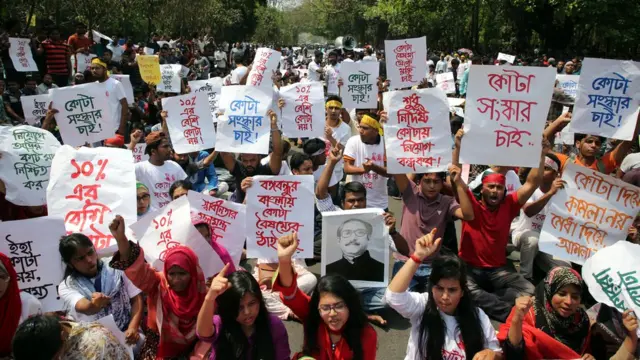
Many student leaders emerged during this time. They coordinated efforts and ensured the movement stayed focused. Their leadership inspired more students to join the cause. University activism became a crucial part of the movement’s success.
| University | Activities |
|---|---|
| Dhaka University | Rallies, Sit-ins, Demonstrations |
| Jahangirnagar University | Peaceful Protests, Meetings |
| Chittagong University | Awareness Campaigns, Marches |
Role Of Social Media
Social media played a crucial role in the Quota Reform Movement. Platforms like Facebook and Twitter were used extensively. Students shared information, organized events, and spread awareness online.
Hashtags related to the movement trended frequently. This helped in reaching a broader audience. It also ensured that the movement gained international attention. The use of social media made coordination easier and more efficient.
- Facebook: Used for organizing events and sharing updates
- Twitter: Effective for spreading awareness with trending hashtags
- YouTube: Videos of protests and speeches were shared widely
Social media also allowed students to document their struggles. They posted live videos and photos from the ground. This transparency built trust and garnered more support.
Government Response
The Quota Reform Movement in Bangladesh saw students demanding fairer job quotas. The government’s response to this movement was pivotal. It shaped public perception and the future of these reforms.
Initial Reactions
Initially, the government was slow to respond to the student protests. Many students felt ignored. They continued to protest peacefully. The government then noticed the growing unrest.
Officials made some statements. They asked for patience. But students wanted clear actions. The government’s first steps were cautious.
The police were often present. They monitored the protests. At times, there were clashes. This made the situation tense. The government had to act quickly.
Policy Changes
The continuous protests led to policy changes. The government formed a committee. This committee reviewed the quota system. They wanted to understand student demands.
A major decision was made. The Prime Minister announced reforms. She declared the end of the quota system for government jobs. This was a significant victory for the students.
The new policy aimed for fairness. It focused on merit-based recruitment. This change was welcomed by many. It showed the power of student voices.
Here is a summary of key policy changes:
| Old Policy | New Policy |
|---|---|
| Quota-based recruitment | Merit-based recruitment |
| Limited job opportunities | Equal job opportunities |
| Complex quota system | Simplified process |
These changes reflected the students’ demands. They wanted a fairer system. The government’s response was crucial.
Major Protests And Demonstrations
The Quota Reform Movement in Bangladesh has seen significant protests and demonstrations. Students demanded fair rights and equitable opportunities in government jobs. These movements were powerful and gathered attention nationwide.
Significant Events
The movement gained momentum in early 2018. Students from various universities united. They organized rallies and sit-ins. One of the most notable events happened in April 2018. Thousands of students gathered in Dhaka. The protests were peaceful but massive.
On April 8, 2018, students occupied the Shahbagh intersection. This is a significant place in Dhaka. They demanded reforms to the existing quota system. The government responded by promising to review the quota system.
Public Support
The movement received widespread public support. People from all walks of life showed solidarity. Social media played a crucial role. Many people shared their support online. Hashtags like #ReformQuotaBD trended on Twitter.
Parents, teachers, and alumni also joined the cause. They believed in fair opportunities for all students. This collective effort made the movement stronger.
In rural areas, the support was equally strong. People organized local rallies and discussions. The movement was not just limited to urban areas.
Notable Incidents
| Date | Event |
|---|---|
| April 8, 2018 | Massive rally at Shahbagh intersection |
| April 11, 2018 | Government promises to review quota system |
| May 21, 2018 | Students resume protests for immediate action |
In summary, the Quota Reform Movement was a crucial period for Bangladeshi students. Their unity and determination brought attention to their cause. The major protests and demonstrations were essential in pushing for fair rights.
Challenges Faced
The Quota Reform Movement in Bangladesh aimed at ensuring fair rights for students. Despite its noble cause, it encountered several challenges. These obstacles were mainly from opposition groups and legal hurdles. Each of these challenges created significant barriers for the movement’s progress.
Opposition Groups
The movement faced strong resistance from various opposition groups. These groups included political entities and organizations benefiting from the existing quota system. They used different tactics to discredit the movement. False information and propaganda were spread to mislead the public. Some opposition groups also resorted to violence and intimidation. This created a hostile environment for the activists.
Despite these challenges, the students remained firm in their resolve. They organized peaceful protests and rallies. Their aim was to raise awareness about the need for quota reforms. The opposition groups tried to suppress these efforts. But the students’ determination continued to shine through.
Legal Hurdles
Another major challenge was the legal hurdles. The existing laws and regulations favored the quota system. Changing these laws required a lengthy and complex process. The movement had to navigate through bureaucratic red tape. They faced delays and obstacles in getting their voices heard.
Here are some specific legal challenges:
- Lengthy court procedures
- Lack of support from lawmakers
- Complex legal documentation
Despite these hurdles, the students did not lose hope. They sought support from legal experts. They also engaged with policymakers to push for necessary changes. Their persistence was crucial in overcoming the legal barriers.
In summary, the Quota Reform Movement faced significant challenges. Opposition groups and legal hurdles were the main obstacles. Yet, the students’ determination and resilience helped them persevere.
Impact On Students
The Quota Reform Movement significantly impacted the lives of Bangladeshi students. This section delves into the various ways the movement influenced students’ academic lives and future opportunities.
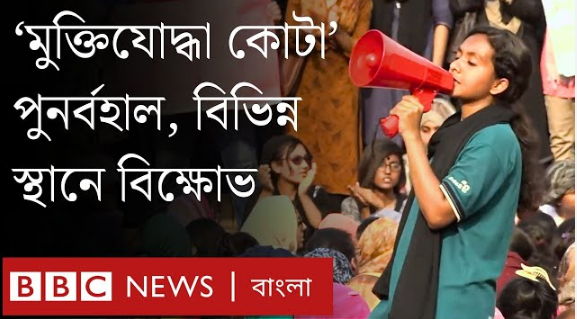
Academic Life
The movement disrupted the academic calendar. Many students missed classes and exams. Protests filled campuses across Bangladesh. This caused stress among students.
Despite the challenges, students showed resilience. They balanced activism and studies. Their determination grew stronger every day.
Student unity became a powerful force. They supported each other through difficult times. This fostered a sense of community and solidarity.
Future Opportunities
The movement opened doors for future opportunities. Many students felt empowered. They believed their voices mattered.
Changes in the quota system aimed to provide fairer job opportunities. Students hoped for a merit-based system. This would ensure equal chances for all.
The movement also taught valuable life lessons. Leadership skills were honed. Students learned the importance of standing up for rights.
| Impact | Description |
|---|---|
| Unity | Students came together to support each other. |
| Empowerment | Students felt their voices could bring change. |
| Opportunities | A fairer system for job opportunities emerged. |
The Quota Reform Movement left a lasting mark. Students grew stronger and more united. They looked to the future with hope and determination.
Role Of Media
The media played a crucial role in the Quota Reform Movement in Bangladesh. It shaped public opinion and influenced the government’s response. This section explores the media’s involvement, focusing on their coverage and bias.
Coverage Of Protests
The media’s coverage of the protests was extensive and varied. Major news channels and newspapers covered the events live. This helped to bring national attention to the students’ demands.
- Television channels aired live footage of the protests.
- Newspapers published detailed reports and interviews.
- Online news portals provided real-time updates.
Social media platforms also played a significant role. Students used Facebook, Twitter, and YouTube to share their experiences. Hashtags related to the movement trended, spreading the message quickly.
| Media Type | Role |
|---|---|
| Television | Live coverage of protests |
| Newspapers | In-depth reports and interviews |
| Online Portals | Real-time updates and articles |
| Social Media | Spreading information through posts and hashtags |
Media Bias
Not all media coverage was impartial. Some outlets showed a clear bias. This affected the public’s perception of the movement.
- State-owned media often downplayed the protests.
- Private media sometimes sensationalized the events.
- International media provided a more balanced view.
This bias was evident in the language used. Words like “riot” and “chaos” were used to describe peaceful protests. This painted the students in a negative light.
Despite this, the Quota Reform Movement gained widespread support. The media’s role was pivotal in bringing the issue to the forefront.
International Attention
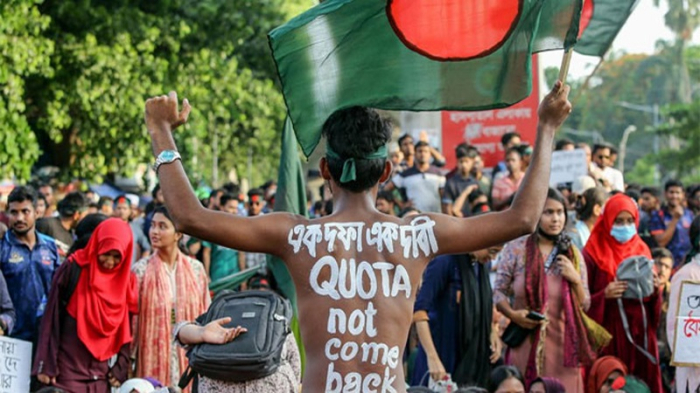
The Quota Reform Movement in Bangladesh has garnered significant international attention. This movement, led by students demanding fair rights, has resonated globally. It highlights the universal struggle for equality and justice.
Global Media Coverage
International media outlets have widely covered the Quota Reform Movement. Renowned news agencies like BBC and CNN reported on the students’ protests. These reports brought global awareness to the students’ demands. Articles and news segments focused on the unfair quota system and its impact on students.
Many journalists praised the students’ courage and determination. They highlighted the peaceful nature of the protests. This global coverage helped amplify the students’ voices worldwide. It also pressured local authorities to address the issue.
Foreign Support
The movement received support from various international organizations. Human rights groups like Amnesty International expressed solidarity with the students. They condemned the unfair treatment and urged for immediate reforms.
Many foreign students and activists also showed their support. They participated in online campaigns and shared the students’ plight on social media. This international backing boosted the morale of the protesting students in Bangladesh. It also highlighted the global nature of the fight for fair rights.
Below is a table summarizing some key international reactions:
| Entity | Type of Support |
|---|---|
| BBC | News Coverage |
| Amnesty International | Solidarity Statement |
| Foreign Students | Social Media Campaigns |
This international attention played a crucial role in the movement’s progress. It showcased the global solidarity for fair and equal rights.
Government Concessions
The Quota Reform Movement in Bangladesh aimed to achieve fair rights for students. The government eventually made concessions to address their concerns. These changes were meant to create a more equitable system for all students.
Policy Amendments
The government announced several policy amendments to address the students’ demands. These included:
- Reducing the quota percentage in government jobs.
- Introducing a merit-based system for recruitment.
- Ensuring special quotas for marginalized groups.
Below is a table summarizing the key policy changes:
| Old Policy | New Policy |
|---|---|
| 56% Quota for Reserved Categories | 10% Quota for Reserved Categories |
| 44% Merit-Based Recruitment | 90% Merit-Based Recruitment |
| No Special Quotas | 5% for Marginalized Groups |
Implementation Issues
Despite policy changes, implementation issues persisted. These included:
- Delayed implementation of new policies.
- Lack of transparency in recruitment processes.
- Resistance from administrative bodies.
Many students felt the changes were not fully realized. They continued to face challenges in securing government jobs. The struggle for fair rights remained ongoing.
Long-term Effects
The Quota Reform Movement in Bangladesh was a turning point for students. This movement sought fair opportunities in government jobs. The impact of this movement has been profound. It has led to changes in politics and education. These changes will benefit future generations.
Political Impact
The movement has reshaped the political landscape of Bangladesh. Students became more involved in politics. They demanded transparency and accountability. The government had to listen to their voices. This has strengthened democracy in the country.
Young people are now more politically aware. They understand their rights and responsibilities. This will lead to a more engaged citizenry. Future leaders will emerge from this movement. They will work towards a fair and just society.
Educational Reforms
The Quota Reform Movement has also impacted education. Students now demand better educational policies. They want a system that rewards merit. This has led to reforms in the admission process. Educational institutions are becoming more transparent.
Policies are being reviewed and updated. This ensures that students get fair opportunities. The focus is on creating a level playing field. This will lead to a more competitive and fair educational environment. The ultimate goal is to nurture talent and provide equal opportunities for all.
Credit: www.aljazeera.com
Lessons Learned
The Quota Reform Movement in Bangladesh taught many valuable lessons. Students fought for fair rights and changed the nation’s policies. Their journey offers insights into effective activism and collective action.
Movement Strategies
The movement’s strategies were diverse and well-planned. They used social media to spread their message. This helped them gain national and international attention.
They organized peaceful protests and marches. These events drew large crowds and media coverage. The students also engaged in dialogues with government officials. They presented their demands clearly and respectfully.
Another key strategy was building alliances. They connected with other student groups and civil society organizations. These alliances strengthened their position and broadened support.
Student Unity
Unity among students was a critical factor in the movement’s success. They stood together regardless of their backgrounds. This unity made their voice stronger and more influential.
They formed a central committee to coordinate actions. This committee ensured that everyone worked towards common goals. Regular meetings and open communication kept everyone informed and engaged.
Students also used symbols and slogans to express their unity. They wore similar clothes and chanted the same slogans. These actions created a sense of belonging and solidarity.
The Quota Reform Movement in Bangladesh is a testament to the power of unity and strategic action. It shows how students can bring about significant change when they work together.
Future Of Quota System
The Quota Reform Movement in Bangladesh has sparked significant discussions about the future of the quota system. Students across the country demand a fair and just system. The movement has raised questions about existing policies and their effectiveness. Let’s explore the ongoing debates and potential reforms in the quota system.
Ongoing Debates
The future of the quota system is a hot topic. Many students believe the current system is unfair. They argue it benefits only a small group. This has led to widespread protests and demands for change.
Supporters of the quota system argue it helps marginalized groups. They believe it provides opportunities to those who need it most. Critics, on the other hand, point out flaws and inefficiencies. They claim the system is outdated and needs an overhaul.
| Supporters | Critics |
|---|---|
| Helps marginalized groups | Benefits a small group |
| Provides opportunities | Outdated system |
| Promotes equality | Needs an overhaul |
Potential Reforms
Reforming the quota system is crucial. Many experts suggest a merit-based approach. This can ensure that deserving students get the opportunities they need.
Another suggestion is to periodically review the system. This can help identify flaws and make necessary adjustments. A transparent and fair process is essential for any reform to succeed.
Potential reforms might include:
- Implementing a merit-based system
- Regular reviews and adjustments
- Ensuring transparency in the selection process
The future of the quota system depends on these debates and reforms. Students continue to fight for a fair and just system. Their voices are crucial in shaping the future of education in Bangladesh.
Frequently Asked Questions
What Is The Quota System In Bangladesh?
The quota system in Bangladesh reserves a percentage of government jobs and educational seats for specific groups. These groups include women, ethnic minorities, disabled individuals, and freedom fighter descendants. This system aims to promote inclusivity and equal opportunities.
What Is The Quota Reform Movement?
The Quota Reform Movement is a student-led protest in Bangladesh seeking fairer employment quotas in government jobs.
Why Did Bangladeshi Students Protest?
Bangladeshi students protested against perceived unfairness in the government job reservation system, demanding merit-based opportunities.
When Did The Quota Reform Movement Start?
The Quota Reform Movement began in 2018, gaining momentum as students rallied for equitable job opportunities.
Conclusion
The Quota Reform Movement highlights the resilience of Bangladeshi students striving for equality. Their efforts underscore the importance of fair opportunities. Through unity and determination, they continue to pave the way for a just educational system. It’s essential to support their cause for a brighter future.