Prevention from Suicide, Addiction, Narcotics and Pollution. Withdrawal and Recovery Facts of Narcotics | Symptoms of Suicidal thoughts & Ideations | Effects of Environment Pollution | Understand Addiction withdrawal

A Silent Crisis: How Pollution Harms Wildlife
The earthly order is confronted with an unprecedented danger. Some 98 percent of rushing groundwater laden with carbon dioxide are diverted, most into rivers and estuaries or the atmosphere, some to spring up completely elsewhere. Everywhere from the ocean floor to mountaintops one can find “the human fingerprint.” EPA’s relaxation dulls the possibilities for fish at a time when pollution, in all its confounding forms, is slithering into ecosystems and inflicting widespread damage on wildlife. It is not some abstract, far-off environmental problem; it is a silent crisis that destroys food chains, obliterates entire habitats and forces legions of our fellow creatures to the brink of extinction.
Acknowledging the scale of the problem is a first step toward addressing it. In this article we will learn about the various types of pollution affecting our planet, give detailed examples on how it affects animals and what can ‘we’ do to change that. By revealing this important issue, we can act together to preserve the richness of life that surrounds us.

12+1 Reusable Organic Cotton Produce Bags
Washable • Eco-Friendly • Lightweight • Double-Stitched
Pack Includes:
-
4× Small (8×10″)
-
4× Medium (10×12″)
-
4× Large (12×14″)
-
1× Muslin Cover Bag (10×10″)
Key Features
Lightweight but Strong
Made from high-grade organic cotton with double stitching, these mesh bags can carry over 20 lbs. The fabric is lightweight and see-through, so you won’t need to spend time deducting bag weight while shopping. Tare weight labels are included for convenience.
Eco-Friendly & Reusable
100% plastic-free, metal-free, and fully biodegradable. These bags can be reused hundreds of times while maintaining their quality. Safe for storing all kinds of food items.
Functional, Portable & Color-Coded
Each size has its own color-coded tag for easy identification. Tare weights are printed in grams, ounces, and pounds. The strong cotton drawstring keeps items secure.
Value Pack of 13
Includes 12 lightweight cotton mesh bags + 1 muslin storage bag.
Bonus: FREE eBook with nutritional values and health benefits of 50+ fruits and vegetables.
Multipurpose & Easy to Clean
Perfect for fruits, vegetables, grains, legumes, school lunches, toy storage, laundry organization, and more.
Hand wash only in cold water; do not use a dryer to prevent shrinkage.
Product Link: Buy Now
The Three Faces of Pollution
Pollution is not monolithic; it’s a sprawling, interlinked web of contaminants that envelop our air, water and soil. These molecules have different sources and are destructive in very different ways for the animals that ingest them.
Air Pollution
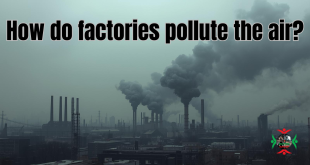
Air pollution is frequently linked with human health issues, such as asthma and other respiratory diseases, but it deeply affects wildlife, too. The sources are mostly emissions in factories, vehicle exhaust and combustion of fossil fuels. The process emits harmful substances such as sulfur dioxide, nitrogen oxides, and heavy metals.
Where these pollutants land, they can pollute soil and water in a chain reaction. Acid rain, for example, can make lakes and streams too acidic to support fish and other aquatic life. It can wreak havoc in forests, too, wiping out the homes of countless birds and land animals.
Water Pollution
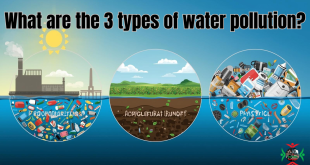
Our rivers, lakes and oceans are turned into dumping grounds for a toxic cocktail of pollutants. Habitual offenders include industrial waste, farm run-off laden with pesticides and fertilizers, oil spills and plastic trash.
Chemical pollutants can kill immediately or cause long-term health problems in aquatic animals such as reproductive issues and cancer. Plastic pollution is especially visible, and lethal. Plastic bags often confuse aquatic animals, causing them to mistake the bags for food. Aquatic animals also get caught in abandoned fishing nets, which causes injury, suffocation, and starvation.
Land Pollution
Land contamination includes improper waste disposal, mining processes, and excessive use of chemical fertilizers and pesticides in agriculture. Landfills can leach harmful substances into the soil where animals eat and breed.
Pesticides, formulated to annihilate insects, frequently have unintended effects — mowing down birds, bees and other natural pollinators and keepers of the ecological balance. The food chain accumulates these compounds as they pass up it, a process commonly called bio-magnification that results in toxic effects for apex predators.
Wildlife Under Siege: Specific Impacts
Pollution does not produce abstract consequences. They can be seen in the plights of animals everywhere.

The Clean People Laundry Detergent Sheets – Fresh Scent (32 Pack)
🌍 Ultra-Concentrated • Eco-Friendly • Recyclable Packaging • Stain Fighting
Brand: The Clean People
Item Form: Sheet
Scent: Fresh
Unit Count: 32 Sheets
Free From: Animal by-products, dyes, formaldehyde, parabens, phosphates
About This Item
Because Ingredients Matter
These laundry sheets contain no 1,4-dioxane, no SLS/SLES, no ethoxylated alcohols, no optical brighteners, no synthetic dyes, and no parabens or phosphates.
Hypoallergenic, dermatologist-approved, and safe for sensitive skin.
Fully vegan & cruelty-free.
Made in Canada (Not China)
Most laundry sheets on the market are made in China Clean People stands out by being proudly made in Canada.
Powerful Yet Gentle
Scientifically formulated with safer ingredients to remove stains, eliminate odors, and clean thoroughly.
Strong enough for sweaty gym socks but gentle enough for delicate fabrics.
Compatible With All Machines & Cycles
Works with top loaders, front loaders, HE machines, and all wash cycles (hot, warm, tap, cold).
Safe for clothes, towels, bed sheets, delicates, and even heavy-smelling laundry.
Also septic-system safe.
Say No to Plastic Jugs
Comes in paper, recyclable packaging to reduce plastic waste.
No more heavy plastic jugs or liquid detergents that are mostly water.
Lower carbon emissions and a greener laundry routine every wash helps make the planet cleaner.
🔗 Product Link: Buy Now
Marine Life in Peril
The ocean is weighed down by human pollution. Eight million metric tons of plastic flow into the ocean every year. Sea turtles confuse plastic bags with their natural food source of jellyfish, and the substance becomes lodged in their digestive systems. Seabirds are frequently discovered with stomachs full of plastic shards, which they ingested thinking it was food.
Not just in plastics: Oil spills create a deadly sheen on the feathers of seabirds and the pelts of marine mammals like otters and seals. This varnish breaks down the insulation of the down and decreases their resistance to water; so, trying to regulate body temperature endangers them at times of cold and frosty weather.
Birds Facing Airborne Threats
Birds are extremely vulnerable to air pollution. Acid rain can wipe out the insect population upon which they feed, and harm the trees in which they make their nests. Crushing of egg shells by other pollutants can also lead to thinning of egg shells, which in turn will result in reproductive failure. The peregrine falcon, for instance, came close to disappearing in North America after the pesticide DDT led their eggshells to grow too thin to survive incubation.
Land Animals and Contaminated Homes
Animals on land are subjected to a steady diet of poisons in their surroundings. Large predators, including bears and wolves, can build up high amounts of pollutants in their bodies by eating contaminated fish and other smaller animals. This can debilitate their immune systems, and reduce their ability to reproduce. Even seemingly innocuous behaviors – say, tossing away scraps of garbage while out on a hike – can endanger smaller mammals and scavengers that may ingest them.
Rays of Hope: Success Stories in Pollution Reduction
But though the future can appear grim, there have been major victories in efforts to clean pollution and safeguard wildlife. These reports are evidence that there can be real progress if we pull together.
President, including rehabilitation of the bald eagle in the United States. The population crashed in the mid-20th century, poisoned by DDT. The 1972 national prohibition of this pesticide was a significant action. This robust program, when combined with the protection of habitat and reintroduction projects, all worked to rebuild bald eagle populations. Today it is removed from the list of endangered species.
Similarly, global accords like the Montreal Protocol, that eliminated the production of ozone-depleting substances, not only helped heal the hole in Earth’s UV blocking blanket but also lowered how much damaging UV radiation makes it to our planet’s surface—shielding both people and wildlife.
Your Role in a Cleaner Future
It takes a village to prevent pollution from affecting our wildlife, but the little things add up to big changes. Everyone has their part to play in building a healthier planet.
Here are some practical steps you can take:
- Minimize plastic use: Use reusable bags, bottles and containers. Make sure you throw your garbage away in its place and recycle, always recycling.
- Be a Smart Consumer: Choose to support companies that take sustainability seriously. Opt for products with less packaging and shun single-use items.
- Reduce Your Carbon Footprint: Walk, bike or use public transportation if you’re able. Save energy at home by switching off the lights and disconnecting electrical appliances when not in use.
- Be Active in Your Community: Volunteer at a river, park or beach clean-up near you. Call your local officials to push for tougher environmental regulations.
- Learn and Teach: Teach people what you know about how pollution is affecting other species. The more people who know about it, the stronger the movement for change gets.

Bee’s Wrap Vegan Beeswax Food Wraps – 3 Pack (S, M, L)
Reusable • Organic • Plastic-Free • Made in USA
Material: Cotton
Brand: Bee’s Wrap
Sizes: Small, Medium, Large
Use: Food Storage
Microwave Safe: No
About This Item
Vegan Beeswax Wraps – 3 Sizes
Comes in Small (7″ × 8″), Medium (10″ × 11″), and Large (13″ × 14″) with a beautiful butterflies-and-flowers design. A sustainable alternative to plastic wrap, aluminum foil, and disposable sandwich bags.
Perfect for Multiple Uses
-
Small: fruits, nuts, snacks
-
Medium: sandwich wrap, cheese storage
-
Large: bowl covers, produce wrap, or reusable storage bags
🇺🇸 Made in the USA – Eco-Friendly
Crafted using organic cotton, plant-based wax, organic plant oil, and tree resin.
Vegan formula uses coconut oil and soy, instead of beeswax.
Free from BPA, phthalates, and synthetic chemicals.
Easy to Use & Reusable
Warm the wrap with your hands to make it flexible and create an airtight seal.
Wash with cool water + mild soap, air dry, and reuse for up to 1 year.
Fully compostable and can even be used as a fire starter truly zero waste.
Perfect Eco-Friendly Gift
Great for housewarming, Earth Day, or anyone trying to reduce plastic waste. Explore more: bread wraps, cut-to-size rolls, sandwich wraps, and snack bags.
🔗 Product Link: Buy Now
Forging a Path Forward
We were made keenly aware of the connection between pollution and our wildlife. The fate of the ecosystems on our planet are inextricably linked to what we do each and every day. The hurdles are not insignificant, but the rebound of species such as the bald eagle demonstrates that positive change can occur when we act boldly.
The survival of so many species is in our hands when we change to a more sustainable lifestyle. Through conscious decision-making, engaging with conservation initiatives and strong-arm industries and governments we have the power to reverse the damage caused and leave a precious gift behind for future generations, bringing wildlife back from the brink so they are not just surviving but thriving.