Prevention from Suicide, Addiction, Narcotics and Pollution. Withdrawal and Recovery Facts of Narcotics | Symptoms of Suicidal thoughts & Ideations | Effects of Environment Pollution | Understand Addiction withdrawal
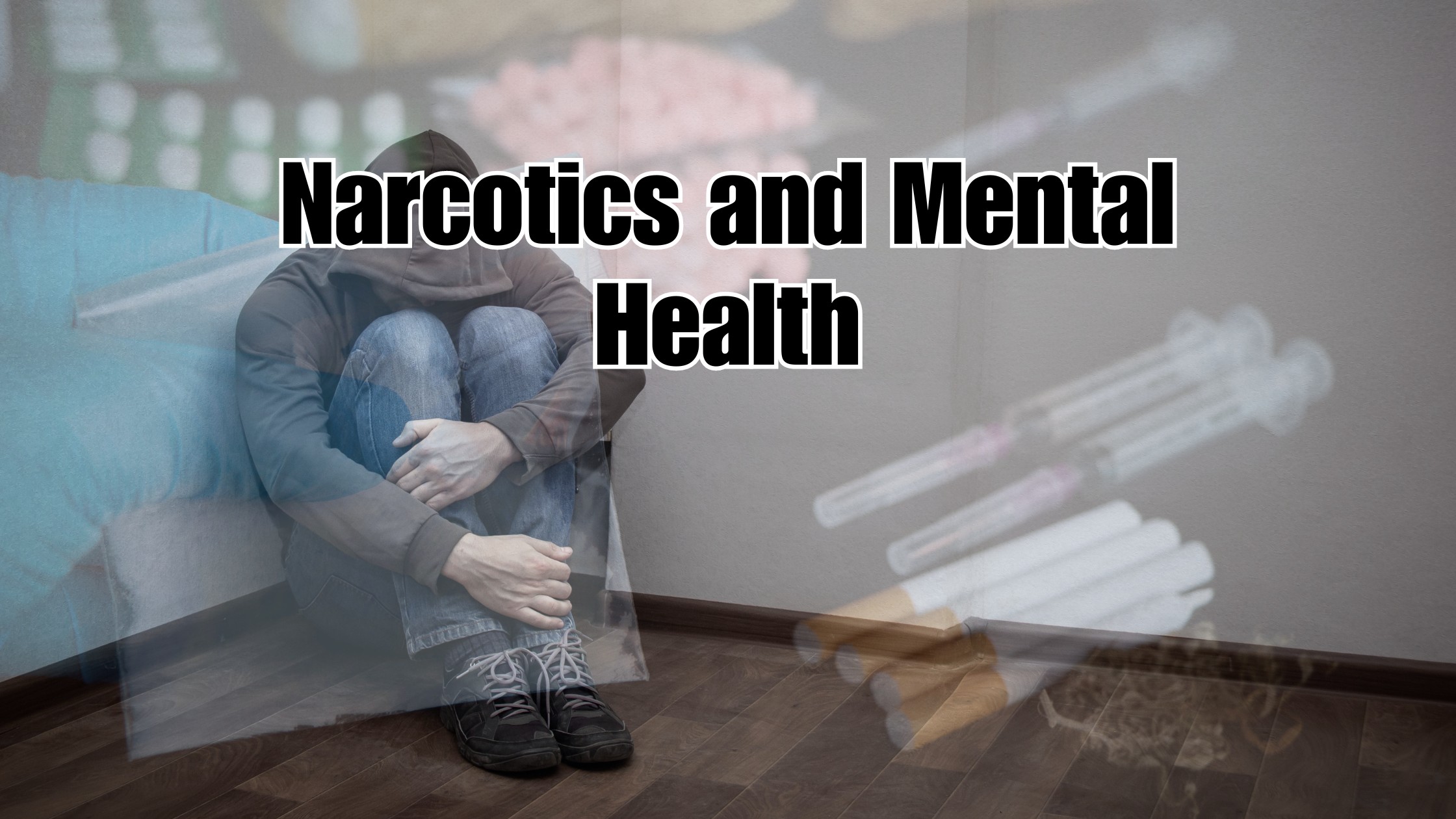
Narcotics have long been associated with addiction and physical health consequences, but their impact on mental health is equally significant. Understanding the connection between narcotics and mental health is crucial for addressing the complex needs of individuals struggling with substance abuse and co-occurring mental health disorders.
What are Narcotics?
Narcotics, also known as opiates or opioids, are a class of drugs derived from the opium poppy plant or synthetically manufactured to mimic their effects. These substances are commonly prescribed for pain relief but are also frequently abused for their euphoric properties.
Definition of Narcotics
Narcotics encompass a range of substances, including prescription painkillers like oxycodone and hydrocodone, as well as illicit drugs such as heroin and fentanyl.
Types of Narcotics
Narcotics can be categorized into three main types: natural opiates (e.g., morphine and codeine), semi-synthetic opioids (e.g., oxycodone and hydrocodone), and synthetic opioids (e.g., fentanyl and tramadol).
Mental Health Disorders Linked with Narcotics
Narcotic use is closely associated with a number of mental health disorders, which exacerbates the difficulties that addicts face.
Depression
Narcotics can contribute to the development or worsening of depression symptoms, including persistent sadness, loss of interest in activities, and feelings of hopelessness.
Anxiety Disorders
Chronic narcotics use can increase anxiety levels and lead to the emergence of anxiety disorders such as generalized anxiety disorder (GAD) or panic disorder.
Post-Traumatic Stress Disorder (PTSD)
Individuals with a history of trauma may turn to narcotics as a means of coping, further complicating their mental health and increasing the risk of PTSD.
Impact of Narcotics on Mental Health
The use of narcotics can have profound effects on mental well-being, disrupting neurotransmitter function and contributing to various psychological symptoms.
Neurotransmitter Imbalance
Narcotics disrupt the balance of neurotransmitters in the brain, leading to mood disturbances and impaired cognitive function.
Mood Swings
Fluctuations in mood are common among individuals using narcotics, ranging from euphoria during drug consumption to dysphoria and irritability during withdrawal.
Cognitive Impairment
Prolonged narcotics use can impair cognitive abilities, including memory, attention, and decision-making skills, further exacerbating mental health challenges.
Risk Factors for Developing Mental Health Disorders Due to Narcotics
Several factors increase the likelihood of developing mental health disorders in association with narcotics use.
Genetic Predisposition
Genetic factors may influence an individual’s susceptibility to both substance abuse and mental health disorders, highlighting the importance of personalized treatment approaches.
Environmental Factors
Exposure to trauma, stress, and social determinants of health can contribute to the development of mental health disorders in conjunction with narcotics use.
Substance Abuse History
A history of substance abuse or addiction increases the risk of developing co-occurring mental health disorders, necessitating comprehensive treatment interventions.
Dual Diagnosis: Narcotics Addiction and Mental Illness
Dual diagnosis refers to the co-occurrence of substance use disorders and mental health disorders, presenting unique challenges in diagnosis and treatment.
Challenges in Diagnosis
Identifying co-occurring disorders can be challenging due to overlapping symptoms and the stigma associated with mental illness and addiction.
Integrated Treatment Approaches
Integrated treatment approaches that address both substance abuse and mental health disorders concurrently are essential for achieving long-term recovery.
Prevention Strategies
Preventing the onset of mental health disorders in individuals using narcotics requires a multi-faceted approach focused on education, awareness, and access to support services.
Education and Awareness
Raising awareness about the risks associated with narcotics use and the potential impact on mental health can help individuals make informed decisions and seek help when needed.
Access to Mental Health Services
Ensuring access to mental health services, including counseling, therapy, and psychiatric care, is critical for early intervention and treatment of co-occurring disorders.
Supportive Communities
Building supportive communities that offer encouragement, understanding, and resources can help individuals navigate the challenges of recovery and maintain mental wellness.
Treatment Options
Effective treatment for individuals with co-occurring narcotics addiction and mental health disorders involves a combination of pharmacotherapy, psychotherapy, and holistic interventions.
Medication-Assisted Therapy
Medications such as methadone or buprenorphine may be used to manage cravings and withdrawal symptoms in individuals with opioid addiction.
Cognitive-Behavioral Therapy (CBT)
CBT helps individuals identify and modify maladaptive thoughts and behaviors associated with substance abuse and mental health disorders.
Support Groups
Participating in support groups such as Narcotics Anonymous (NA) or Dual Recovery Anonymous (DRA) provides peer support and encouragement during the recovery process.
Holistic Approaches to Recovery
In addition to traditional treatment modalities, holistic approaches can enhance overall well-being and support long-term recovery from narcotics addiction and mental health disorders.
Yoga and Meditation
Mind-body practices like yoga and meditation promote relaxation, stress reduction, and emotional regulation, complementing traditional therapy approaches.
Nutrition and Exercise
Maintaining a healthy diet and engaging in regular exercise can improve mood, cognition, and physical health, contributing to overall recovery efforts.
Art and Music Therapy
Creative expression through art and music therapy can facilitate emotional processing and provide a non-verbal outlet for self-expression and healing.
Rehabilitation Centers and Resources
Rehabilitation centers play a vital role in providing comprehensive treatment and support services for individuals recovering from narcotics addiction and co-occurring mental health disorders.
Finding the Right Facility
Choosing a rehabilitation center that offers specialized programs for dual diagnosis and personalized treatment plans is essential for achieving successful outcomes.
Supportive Programs
Rehabilitation centers may offer a range of supportive programs, including individual therapy, group counseling, life skills training, and vocational rehabilitation.
Support Systems for Long-Term Recovery
Building strong support systems is crucial for maintaining sobriety and promoting mental wellness in individuals recovering from narcotics addiction and mental health disorders.
Family Support
Involving family members in the recovery process can provide emotional support, strengthen relationships, and foster a sense of accountability.
Peer Support Networks
Connecting with peers who share similar experiences can offer validation, understanding, and encouragement throughout the recovery journey.
Aftercare Programs
Continued participation in aftercare programs, such as sober living homes, outpatient therapy, and alumni groups, provides ongoing support and relapse prevention strategies.
Stigma Surrounding Narcotics Use and Mental Health
Stigma and discrimination contribute to barriers in accessing treatment and support services for individuals struggling with narcotics addiction and mental health disorders.
Breaking the Stigma
Challenging negative stereotypes and promoting empathy and understanding can help reduce stigma and encourage individuals to seek help without fear of judgment.
Advocacy and Support
Advocacy efforts aimed at policy reform, public education, and destigmatization initiatives are essential for creating more supportive environments for individuals in recovery.
Addressing Co-Occurring Disorders in Treatment Plans
Effective treatment plans for individuals with co-occurring disorders prioritize integrated care and individualized interventions tailored to each person’s unique needs.
Individualized Care
Taking a personalized approach to treatment considers factors such as substance use history, mental health symptoms, and social determinants of health to create tailored interventions.
Continuum of Care
Ensuring seamless transitions between levels of care, from detoxification and residential treatment to outpatient therapy and aftercare, supports long-term recovery and relapse prevention.
Promoting Mental Wellness and Sobriety
Promoting mental wellness and sobriety involves adopting healthy coping mechanisms, making positive lifestyle changes, and fostering resilience.
Coping Mechanisms
Learning adaptive coping skills, such as mindfulness, relaxation techniques, and problem-solving strategies, helps individuals manage stressors and cravings without resorting to narcotics use.
Positive Lifestyle Changes
Engaging in meaningful activities, cultivating supportive relationships, and setting realistic goals for the future.
Conclusion
The connection between narcotics and mental health is complex and multifaceted. By understanding the underlying factors contributing to this relationship.