Prevention from Suicide, Addiction, Narcotics and Pollution. Withdrawal and Recovery Facts of Narcotics | Symptoms of Suicidal thoughts & Ideations | Effects of Environment Pollution | Understand Addiction withdrawal

Narcotics addiction recovery involves a comprehensive approach to overcoming substance dependence. It requires medical support, therapy, and personal commitment.
Narcotics addiction is a serious issue affecting millions worldwide. Overcoming it demands a multifaceted strategy that includes medical intervention, psychological support, and lifestyle changes. Medical professionals often prescribe medications to manage withdrawal symptoms and reduce cravings. Therapy sessions, both individual and group, play a crucial role in addressing the psychological aspects of addiction.
Support from family and friends is essential in maintaining long-term sobriety. Adopting a healthy lifestyle, including regular exercise and a balanced diet, helps in the recovery process. Recovery is a challenging journey, but with the right resources and support, it is entirely achievable.
Stages Of Recovery
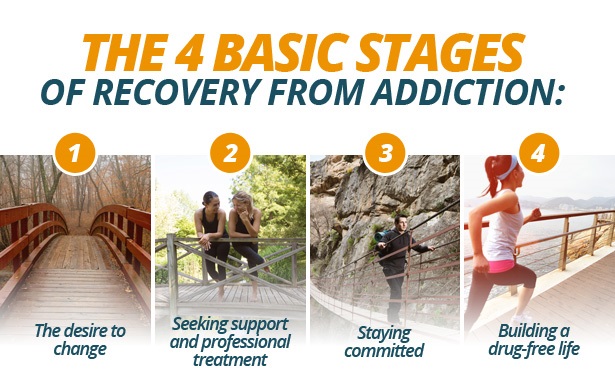
Recovering from narcotics addiction involves several crucial stages. Each stage presents unique challenges and milestones. Understanding these stages can help individuals and their loved ones navigate the recovery process more effectively.
Initial Recognition
The first step in recovery is initial recognition. This is when a person acknowledges their addiction. It often begins with noticing the negative impacts of drug use.
Key signs of addiction might include:
- Loss of control over drug use
- Neglecting responsibilities
- Physical and mental health issues
- Strained relationships with family and friends
Recognizing these signs can be a turning point. It often leads to feelings of guilt and a desire for change. This stage is crucial because it sets the foundation for the journey ahead.
Seeking Help
Seeking help is the next vital step. Once someone recognizes their addiction, reaching out for assistance is essential. There are various avenues for support:
Types of support include:
| Type | Description |
|---|---|
| Professional Therapy | Sessions with licensed therapists who specialize in addiction |
| Support Groups | Meetings like Narcotics Anonymous (NA) where people share experiences |
| Rehabilitation Programs | Structured programs that provide medical and psychological support |
Choosing the right type of help can make a significant difference. Professional guidance and community support are powerful tools in recovery.
Early Sobriety
Early sobriety is a challenging yet rewarding phase. During this stage, individuals start to live without narcotics. The body and mind begin to heal. However, it can be tough as cravings and withdrawal symptoms surface.
Strategies to manage early sobriety:
- Stay active with healthy activities
- Build a support network of trusted friends and family
- Attend regular therapy or counseling sessions
- Set small, achievable goals
Maintaining focus and staying committed to sobriety is crucial during this period. Each day without narcotics is a step closer to recovery.
Long-term Recovery
Long-term recovery is about sustaining the progress made. This stage involves creating a new, drug-free lifestyle. It’s essential to develop habits that support sobriety.
Key components of long-term recovery include:
- Regular participation in support groups
- Continuous personal development
- Healthy lifestyle choices like exercise and balanced diet
- Building new, positive relationships
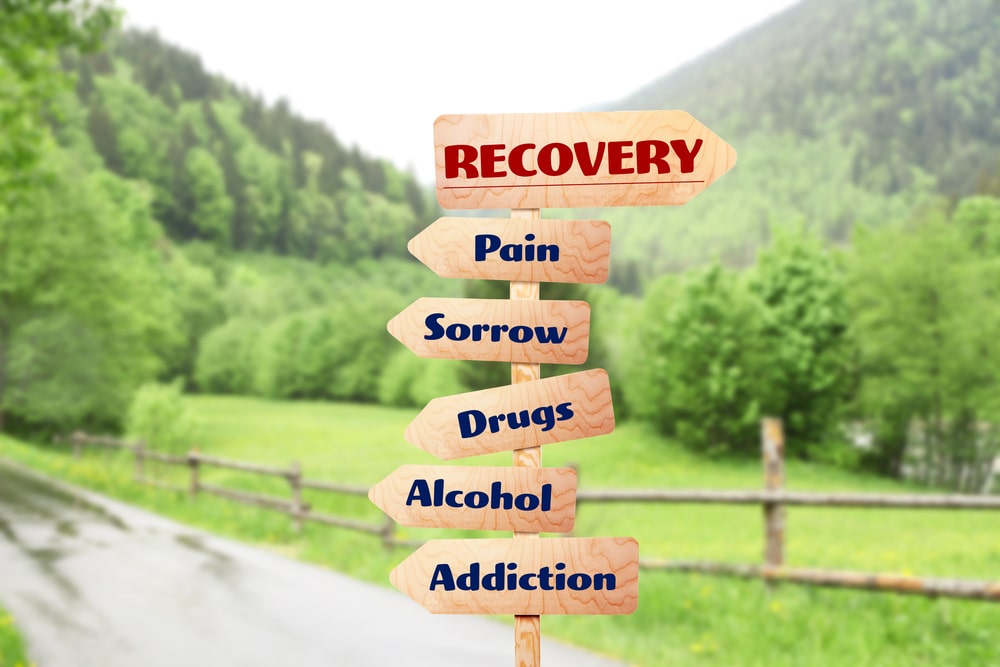
Long-term recovery is a lifelong commitment. It requires ongoing effort and self-awareness. With dedication, a fulfilling and narcotics-free life is attainable.
Credit: sbtreatment.com
Support Systems
Narcotics addiction recovery can be a challenging journey. One of the most crucial elements in this journey is the presence of strong support systems. These support systems can make the difference between relapse and long-term recovery. Let’s explore how different support systems can play a vital role in helping individuals overcome narcotics addiction.
Family Involvement
Family involvement is essential in the recovery process. Families provide the emotional support needed to cope with the challenges of addiction. Here are some ways families can help:
- Emotional Support: Families can offer love, understanding, and encouragement.
- Accountability: Families can help monitor progress and ensure adherence to treatment plans.
- Communication: Open and honest communication helps in addressing issues and misunderstandings.
Creating a supportive home environment is crucial. This involves removing any triggers that could lead to relapse. Families can also educate themselves about addiction to better understand what their loved one is going through. Here is a simple table outlining the benefits of family involvement:
| Benefit | Description |
|---|---|
| Emotional Stability | Reduces stress and anxiety for the recovering individual. |
| Increased Motivation | Encourages the individual to stay on the recovery path. |
| Better Communication | Helps resolve conflicts and misunderstandings. |
Peer Support Groups
Peer support groups are another valuable component of the recovery process. These groups provide a safe space for individuals to share experiences and gain support from others who understand their struggles. Some benefits of peer support groups include:
- Shared Experiences: Members can relate to each other’s challenges and successes.
- Encouragement: Group members motivate each other to stay committed to recovery.
- Accountability: Regular meetings help individuals stay focused on their recovery goals.
There are different types of peer support groups, such as:
- 12-Step Programs: These include groups like Narcotics Anonymous (NA).
- Non-12-Step Programs: These include groups like SMART Recovery.
- Online Support Groups: These offer flexibility and anonymity.
Each type of group offers unique benefits and can be tailored to fit the individual’s needs. Joining a peer support group can significantly enhance the recovery experience.
Professional Counseling
Professional counseling plays a critical role in addiction recovery. Counselors provide expert guidance and therapeutic interventions. Some key benefits of professional counseling include:
- Personalized Treatment Plans: Tailored to address the individual’s specific needs.
- Therapeutic Techniques: Such as Cognitive Behavioral Therapy (CBT) to help change negative thought patterns.
- Coping Strategies: Counselors teach effective coping mechanisms to handle stress and triggers.
Counseling sessions can be conducted in various formats, including:
- Individual Counseling: One-on-one sessions with a counselor.
- Group Therapy: Sessions with multiple participants led by a counselor.
- Family Therapy: Involves family members to address family dynamics and support recovery.
Professional counseling offers a structured and supportive environment for individuals to explore their issues and develop strategies for long-term recovery. Combining professional counseling with family involvement and peer support groups creates a robust support system that significantly enhances the chances of successful recovery.

Treatment Options
Narcotics addiction recovery is a challenging journey, but with the right treatment options, it is possible to overcome the addiction. Choosing the right treatment plan is crucial for a successful recovery. This section will explore various treatment options available for those struggling with narcotics addiction.
Detoxification
Detoxification is the first step in the recovery process. It involves clearing the body of narcotics and managing withdrawal symptoms. Medical supervision is often required during detox to ensure safety and comfort.
Common methods used in detox include:
- Medical Detox: Involves using medications to ease withdrawal symptoms.
- Natural Detox: Focuses on hydration, nutrition, and rest to help the body cleanse itself.
- Rapid Detox: A quicker but more intense method, often performed in a hospital setting.
Detoxification can last from a few days to several weeks, depending on the severity of the addiction. Professional support during this phase can make the process safer and more effective.
Rehabilitation Programs
After detox, rehabilitation programs provide the necessary support and structure for long-term recovery. Rehabilitation programs can be inpatient or outpatient.
Inpatient Rehabilitation:
- Patients stay at a treatment facility.
- Provides 24/7 medical and emotional support.
- Structured daily routines with therapy sessions and activities.
Outpatient Rehabilitation:
- Patients attend therapy sessions while living at home.
- Flexibility to maintain work or family commitments.
- Includes individual and group therapy.
Both types of programs offer counseling, education, and support groups. Choosing the right program depends on the individual’s needs and lifestyle.
Medication-assisted Treatment
Medication-Assisted Treatment (MAT) combines medications with counseling and behavioral therapies. This approach helps manage withdrawal symptoms and reduce cravings.
Common medications used in MAT include:
- Methadone: Reduces withdrawal symptoms and cravings.
- Buprenorphine: Partial opioid agonist that helps with cravings.
- Naltrexone: Blocks the euphoric effects of opioids.
MAT has proven to be effective in improving recovery outcomes. It is often used in conjunction with other treatment methods for a holistic approach.
Consulting with healthcare providers is essential to determine the most appropriate medications and dosage.
Coping Mechanisms
Recovering from narcotics addiction involves many challenges. One essential part of this journey is finding effective coping mechanisms. These strategies help manage stress, build healthier habits, and stay mindful during recovery. Let’s explore some practical coping mechanisms to support your journey to sobriety.
Stress Management
Stress is a major trigger for relapse. Learning to manage stress can significantly aid in recovery. Here are some effective techniques:
- Exercise Regularly: Physical activity releases endorphins, which improve mood and reduce stress.
- Deep Breathing: Practicing deep breathing exercises can calm the mind and reduce anxiety.
- Time Management: Organizing your day and setting realistic goals can prevent feeling overwhelmed.
- Journaling: Writing down thoughts and feelings helps in processing emotions and reducing stress.
Consider the following table for quick stress-relief techniques:
| Technique | Description |
|---|---|
| Meditation | Sit quietly and focus on your breath for 10 minutes. |
| Progressive Muscle Relaxation | Relax each muscle group, starting from your toes to your head. |
| Visualization | Imagine a peaceful scene to distract and calm your mind. |
Healthy Lifestyle Choices
Building a healthy lifestyle is crucial in recovery. Here are some key aspects to focus on:
- Balanced Diet: Eating nutritious foods supports physical and mental health.
- Regular Sleep: Aim for 7-9 hours of sleep each night to restore energy and improve mood.
- Hydration: Drinking plenty of water helps detoxify the body and maintain energy levels.
- Avoid Caffeine and Sugar: These can cause mood swings and anxiety, hindering recovery.
Here’s a simple daily routine to follow:
- Start your day with a healthy breakfast, rich in protein and fiber.
- Incorporate 30 minutes of physical activity, like walking or yoga.
- Plan balanced meals and snacks throughout the day.
- Wind down with a relaxing activity before bedtime, like reading or meditation.
Mindfulness Practices
Mindfulness helps you stay present and aware, reducing the risk of relapse. Try these practices:
- Mindful Breathing: Focus on your breath, noticing each inhale and exhale.
- Body Scan: Pay attention to each part of your body, starting from your feet to your head.
- Mindful Eating: Eat slowly, savoring each bite and noticing the flavors and textures.
- Gratitude Journaling: Write down three things you are grateful for every day.
Consider these benefits of mindfulness:
| Benefit | Description |
|---|---|
| Reduced Anxiety | Mindfulness helps calm the mind and reduces anxious thoughts. |
| Improved Focus | Staying present improves concentration and productivity. |
| Better Emotional Regulation | Being mindful helps manage emotions and reactions more effectively. |
Incorporating these practices into daily life can make a significant difference in your recovery journey.

Relapse Prevention
Narcotics addiction recovery is a challenging yet rewarding journey. One crucial aspect of this journey is relapse prevention. Relapse can happen, but with the right strategies, it can be managed and even prevented. This section will explore how to identify triggers, create a relapse plan, and ensure continued support to stay on the path to recovery.
Identifying Triggers
Identifying triggers is the first step in preventing relapse. Triggers can be people, places, or situations that remind you of using drugs. Recognizing these triggers helps in avoiding them. Here are some common triggers:
- Stress: High levels of stress can prompt cravings.
- Emotional Pain: Feelings of sadness or anger can lead to relapse.
- Social Situations: Being around people who use drugs can be a trigger.
- Environmental Cues: Places where you used drugs can remind you of the habit.
Creating a list of your personal triggers can be very helpful. Write them down and review them regularly. Here is a simple table to help you keep track:
| Trigger | Impact Level (1-10) |
|---|---|
| Stress from work | 8 |
| Arguments with family | 7 |
| Passing by an old hangout | 9 |
Creating A Relapse Plan
Having a relapse plan in place is vital. This plan should outline what to do if you feel tempted to use drugs. Here are some steps to create an effective relapse plan:
- Identify Triggers: List your known triggers.
- Coping Strategies: Develop healthy ways to cope with these triggers.
- Emergency Contacts: Have a list of people you can call for support.
- Activities: Plan activities that keep you busy and away from triggers.
Continued Support
Continued support is crucial for long-term recovery. Support can come from various sources, and having a strong support system helps in staying sober. Here are some ways to ensure continued support:
- Support Groups: Joining a support group like Narcotics Anonymous can provide a sense of community.
- Therapy: Regular sessions with a therapist can help you deal with underlying issues.
- Family and Friends: Engaging with loved ones who support your recovery is essential.
- Online Resources: Websites and forums can offer advice and support.
Here are some examples of support resources:
| Resource | Type |
|---|---|
| Narcotics Anonymous | Support Group |
| Therapy Sessions | Professional Support |
| Online Forums | Community Support |
Maintaining regular contact with your support network and participating in activities that promote recovery can help you stay on track. Remember, you are not alone in this journey.
:max_bytes(150000):strip_icc()/VWH_Illustration_Potential-Treatment-Options-for-Drug-Addiction_Ellen-Lindner_Final-8fd5ec8d87c44151a204dad8a513c1c5.jpg)
Credit: www.verywellhealth.com
Success Stories
Narcotics addiction recovery is a challenging journey. Yet, success stories inspire hope and determination. These stories show that recovery is possible, and life can be beautiful again. Below, we explore personal journeys, community impact, and inspiring role models in narcotics addiction recovery.
Personal Journeys
Personal journeys in narcotics addiction recovery highlight the power of resilience. Each story reveals a unique path to sobriety. Here are some inspiring narratives:
- John’s Transformation: John battled addiction for over a decade. He lost his job and family. Through a rigorous rehab program and strong willpower, John rebuilt his life. Today, he runs a successful business and mentors others.
- Lisa’s Triumph: Lisa struggled with addiction since her teenage years. A near-death experience pushed her to seek help. With therapy and support groups, she achieved sobriety. Lisa now volunteers at a local rehab center.
- Mike’s Redemption: Mike’s addiction led to multiple incarcerations. Determined to change, he joined a rehabilitation program. He found solace in art therapy. Mike now exhibits his artwork and shares his story publicly.
Community Impact
Community support plays a crucial role in addiction recovery. Communities that rally together create a nurturing environment for those in recovery. Here are some ways communities have made a difference:
- Support Groups: Local support groups provide a safe space for sharing experiences. They offer emotional support and practical advice.
- Rehabilitation Programs: Community-funded rehab programs make treatment accessible. They ensure that financial constraints do not hinder recovery.
- Awareness Campaigns: Awareness campaigns educate the public about addiction. They reduce stigma and encourage compassion and understanding.
In many cities, communities have established recovery centers. These centers offer comprehensive services:
| Service | Description |
|---|---|
| Counseling | One-on-one and group therapy sessions |
| Workshops | Skill-building and educational workshops |
| Recreational Activities | Art, music, and sports activities |
Inspiring Role Models
Role models play a vital role in motivating others. Their stories of overcoming addiction inspire many to start their own recovery journeys. Here are some notable figures:
- Robert Downey Jr.: The actor struggled with addiction for years. He turned his life around and made a successful comeback. His story is a beacon of hope for many.
- Demi Lovato: The singer has been open about her battles with addiction. She uses her platform to advocate for mental health and addiction recovery.
- Russell Brand: The comedian and actor overcame addiction and now helps others. He authored books on recovery and runs a podcast on the subject.
These role models show that recovery is possible, regardless of the challenges faced. They inspire others to believe in themselves and pursue a path to sobriety. Their stories remind us that addiction does not define a person. Recovery is within reach.
Resources And Tools
Narcotics addiction recovery is a challenging journey that requires a variety of resources and tools to support individuals in their path to sobriety. From hotlines to local organizations, having access to the right support can make a significant difference. This section explores some of the most valuable resources and tools available for those seeking help with narcotics addiction recovery.
Hotlines And Helplines
Hotlines and helplines offer immediate support for those struggling with narcotics addiction. These services provide confidential assistance and can be a lifeline for individuals in crisis. Here are some essential hotlines and helplines:
- National Helpline (SAMHSA): 1-800-662-HELP (4357) – Available 24/7, this helpline offers free and confidential information for individuals facing substance abuse issues.
- National Suicide Prevention Lifeline: 1-800-273-TALK (8255) – Provides support for those experiencing emotional distress or suicidal thoughts.
- National Poison Control Center: 1-800-222-1222 – Assists with cases of overdose and poisoning.
These helplines are crucial for immediate support, offering a listening ear and guidance on the next steps. Many of these services also provide referrals to local treatment centers and support groups.
| Hotline | Contact Number | Availability |
|---|---|---|
| National Helpline (SAMHSA) | 1-800-662-HELP (4357) | 24/7 |
| National Suicide Prevention Lifeline | 1-800-273-TALK (8255) | 24/7 |
| National Poison Control Center | 1-800-222-1222 | 24/7 |
Online Support
Online support groups and forums offer a sense of community and understanding for those in recovery. These platforms provide a space for individuals to share experiences, seek advice, and find encouragement. Some popular online support options include:
- SMART Recovery: Offers online meetings and resources based on self-empowerment and mutual support.
- In The Rooms: A global recovery community with live meetings and social networking features.
- Reddit Communities: Subreddits like r/stopdrinking and r/OpiatesRecovery provide peer support and discussions.
Online support groups are accessible from anywhere, making them convenient for those unable to attend in-person meetings. They also offer anonymity, which can be comforting for individuals not ready to share their struggles publicly. Many online platforms provide tools such as goal-setting features and progress trackers to aid in recovery.
Local Organizations
Local organizations play a vital role in providing hands-on support and resources. These groups offer various services, from counseling to rehabilitation programs. Some key local organizations include:
- Alcoholics Anonymous (AA): Offers meetings and support for those recovering from alcohol addiction, often providing resources for narcotics addiction as well.
- Narcotics Anonymous (NA): Focuses specifically on narcotics addiction, providing meetings and peer support.
- Community Health Centers: Provide medical and counseling services tailored to addiction recovery.
Local organizations often host meetings, workshops, and events that foster a supportive community. They also offer personalized care and treatment plans, addressing the unique needs of each individual. Many local groups collaborate with healthcare providers and social services to ensure comprehensive support for those in recovery.
References/further Reading
Narcotics addiction recovery is a challenging journey that requires dedication, support, and the right resources. Understanding the complexities of addiction and finding the best recovery methods is crucial. This section provides valuable references and further reading to help you gain more knowledge and support in your recovery journey.
Books
Books offer in-depth insights and personal stories. Here are some recommended reads:
- “Clean: Overcoming Addiction and Ending America’s Greatest Tragedy” by David Sheff
- “Recovery: Freedom from Our Addictions” by Russell Brand
- “In the Realm of Hungry Ghosts: Close Encounters with Addiction” by Gabor Maté
Research Articles
Stay informed with the latest research. Here are some notable articles:
| Title | Author | Publication |
|---|---|---|
| Understanding the Role of Therapy in Addiction Recovery | Jane Doe | Journal of Substance Abuse Treatment |
| The Impact of Community Support on Recovery | John Smith | Substance Use & Misuse |
Online Resources
Explore online platforms for support and information:
- National Institute on Drug Abuse (NIDA) – Comprehensive resources and research.
- Substance Abuse and Mental Health Services Administration (SAMHSA) – Support and treatment resources.
- Recovery.org – Find treatment centers and support groups.
Support Groups
Connecting with others can be very helpful. Consider these support groups:
- Narcotics Anonymous (NA) – Peer support groups worldwide.
- SMART Recovery – Self-empowering addiction recovery support groups.
- Al-Anon Family Groups – Support for families of addicts.
Credit: www.buffalolib.org
Frequently Asked Questions
What Are Common Signs Of Narcotics Addiction?
Common signs include chronic fatigue, mood swings, neglecting responsibilities, and withdrawal symptoms. Behavioral changes and financial issues may also occur.
How Long Does Recovery Take?
Recovery time varies for each individual. It depends on the addiction’s severity, support systems, and treatment methods.
Can Narcotics Addiction Be Treated?
Yes, narcotics addiction can be treated. Treatment includes therapy, medical intervention, and support groups for long-term recovery.
What Are The First Steps To Recovery?
First steps include acknowledging the addiction, seeking professional help, and building a support network for guidance.
Conclusion
Overcoming narcotics addiction is challenging but achievable. Support, determination, and proper treatment are key. Seek professional help and surround yourself with a positive network. Recovery is a journey that starts with the first step. Embrace the process and celebrate small victories.
Your path to a healthier, addiction-free life is possible.