Prevention from Suicide, Addiction, Narcotics and Pollution. Withdrawal and Recovery Facts of Narcotics | Symptoms of Suicidal thoughts & Ideations | Effects of Environment Pollution | Understand Addiction withdrawal
Mental Health Crisis A mental health crisis involves a severe disruption of an individual’s emotional state. It often requires immediate intervention to ensure safety and well-being.
Mental health crises are increasingly common and affect people of all ages and backgrounds. Rising stress, social isolation, and economic pressures contribute significantly to this problem. Individuals experiencing a crisis may show signs of extreme anxiety, depression, or suicidal thoughts.
Immediate support from mental health professionals is crucial to manage these situations effectively. Community awareness and accessible mental health services are essential to address this growing issue. Understanding the signs and knowing how to respond can make a life-saving difference. Prioritizing mental health can improve overall quality of life and societal well-being.
About Mental Health
The mental health crisis affects millions worldwide. It impacts our emotions, thoughts, and behaviors. Understanding mental health is crucial. This section explores what mental health is and why it matters.
Mental Health Definition
Mental health refers to our emotional, psychological, and social well-being. It influences how we think, feel, and act. Good mental health helps us handle stress, relate to others, and make choices.
Here are key aspects of mental health:
- Emotional well-being: This includes managing feelings and coping with life’s challenges.
- Psychological well-being: This involves thinking clearly and making decisions.
- Social well-being: This entails forming healthy relationships and interacting with others.
Maintaining mental health is as important as taking care of physical health. It affects every area of life. Poor mental health can lead to serious issues. Understanding this helps in seeking help early.
The Who Definition Of Mental Health
The World Health Organization (WHO) defines mental health as a state of well-being. In this state, an individual realizes their own abilities. They can cope with normal stresses of life. They can work productively and contribute to their community.
According to WHO, mental health is not just the absence of mental disorders. It includes mental wellness and the ability to manage life’s challenges. Here are some key points from WHO:
- Realizing abilities: Understanding and using personal strengths.
- Coping with stress: Handling life’s pressures without feeling overwhelmed.
- Productivity: Performing daily tasks effectively and efficiently.
- Community contribution: Participating in social activities and helping others.
WHO emphasizes that mental health is vital for overall well-being. It highlights the need for supportive environments and accessible mental health services.
Mental Health Risk Factors
Mental health can be affected by various factors. These risk factors can increase the likelihood of developing mental health issues. Understanding these can help in prevention and early intervention.
Here are some common risk factors:
- Biological factors: Genetics, brain chemistry, and physical health.
- Life experiences: Trauma, abuse, and stressful events.
- Family history: Mental health issues in family members.
- Environmental factors: Living conditions, work stress, and social isolation.
Risk factors can vary from person to person. Recognizing these factors helps in managing mental health effectively. It also aids in seeking professional help when needed.
Types Of Disorders
Mental health disorders are varied and affect people differently. Each type of disorder has its own symptoms and treatment options. Understanding these types can help in identifying and managing them.
Here are some common types of mental health disorders:
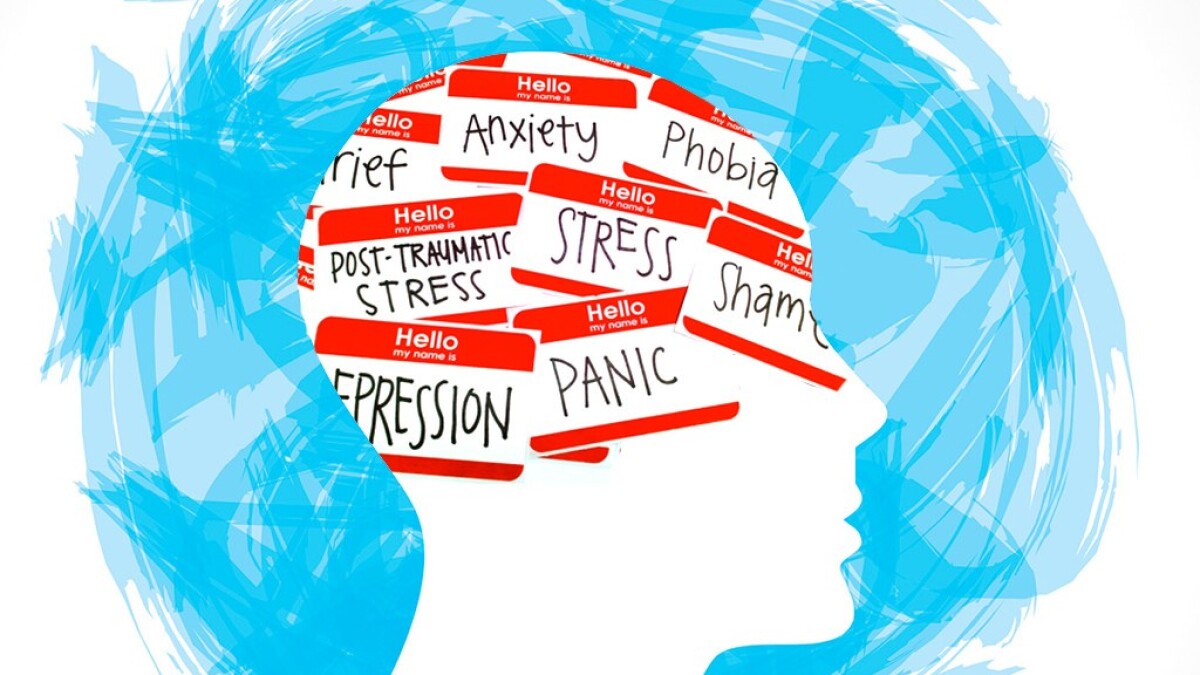
- Anxiety disorders: Includes generalized anxiety disorder, panic disorder, and phobias.
- Depressive disorders: Includes major depression and bipolar disorder.
- Personality disorders: Includes borderline personality disorder and antisocial personality disorder.
- Psychotic disorders: Includes schizophrenia and delusional disorder.
- Eating disorders: Includes anorexia nervosa, bulimia nervosa, and binge-eating disorder.
- Post-traumatic stress disorder (PTSD): A condition triggered by traumatic events.
Recognizing the signs of these disorders is crucial. It helps in seeking timely and appropriate treatment. Early intervention can lead to better outcomes and improved quality of life.
Credit: www.pewtrusts.org
Current State Of Mental Health
The mental health crisis is a growing concern globally. The current state of mental health reveals the urgent need for awareness and intervention. This blog post explores the present situation, statistics, trends, and the impact of COVID-19 on mental health.
How Is The Mental Health In The World Right Now?
Mental health issues are widespread. Millions of people face mental health challenges daily.
Some key points to consider:
- Depression is one of the leading causes of disability worldwide.
- Anxiety disorders affect a significant portion of the population.
- Suicide rates have been rising, especially among young people.
According to the World Health Organization (WHO), around 450 million people currently suffer from mental health conditions.
Mental health issues are not limited to any one region or demographic.
| Region | Prevalence of Mental Health Issues |
|---|---|
| North America | High |
| Europe | Moderate |
| Asia | Rising |
Statistics And Trends
Recent statistics show a worrying trend in mental health conditions.
- One in five adults experiences a mental health issue each year.
- Depression rates have increased by 18% in the last decade.
- Suicide is the second leading cause of death among 15-29-year-olds.
The following table highlights these trends:
| Condition | Prevalence | Increase (last 10 years) |
|---|---|---|
| Depression | 5% | 18% |
| Anxiety Disorders | 7% | 15% |
| Substance Abuse | 3% | 20% |
The statistics indicate a pressing need for better mental health support and resources.
Impact Of Covid-19
The COVID-19 pandemic has significantly affected mental health globally.
Key impacts include:
- Increased anxiety and stress due to health concerns and economic instability.
- Social isolation has led to loneliness and depression.
- The uncertainty of the pandemic has caused a rise in mental health issues.
A survey by the American Psychological Association found that 78% of adults reported that the pandemic was a significant source of stress.
Many people have experienced sleep disturbances and changes in eating patterns due to stress.
The pandemic has highlighted the need for accessible mental health care and support systems.
Mental Health Challenges
Several challenges hinder effective mental health care.
Some of the main challenges include:
- Stigma surrounding mental health issues prevents many from seeking help.
- Lack of resources and funding for mental health services.
- Shortage of mental health professionals in many regions.
Addressing these challenges is crucial for improving mental health care.
Efforts to educate the public and reduce stigma are essential.
Governments and organizations must invest in mental health resources and training.
Collaborative efforts can help create a more supportive environment for those struggling with mental health issues.
Causes Of Crisis
Mental health crises arise from various factors. Understanding the root causes can help us address and prevent these crises. Here, we delve into the main causes of mental health crises.
Childhood Abuse, Trauma, Or Neglect
Experiencing childhood abuse, trauma, or neglect significantly impacts mental health. Children exposed to abuse or neglect often develop trust issues and low self-esteem.
Trauma can manifest in different ways, such as:
- Physical abuse
- Emotional abuse
- Sexual abuse
- Neglect
Long-term effects may include:
| Effect | Description |
|---|---|
| Trust Issues | Difficulty trusting others and forming relationships. |
| Low Self-Esteem | Feeling worthless or unlovable. |
| Anxiety | Persistent worry or fear. |
| Depression | Persistent sadness and loss of interest. |
Social Isolation Or Loneliness
Social isolation or loneliness can lead to mental health crises. Humans are social beings, and lack of social interaction affects our well-being.
Social isolation can result from:
- Living alone
- Lack of close family or friends
- Poor physical health
- Mobility issues
Loneliness can cause:
| Consequence | Description |
|---|---|
| Depression | Persistent sadness and hopelessness. |
| Anxiety | Constant worry and fear. |
| Substance Abuse | Using drugs or alcohol to cope. |
| Sleep Problems | Difficulty falling or staying asleep. |
Economic Factors
Economic factors play a crucial role in mental health. Financial instability can lead to stress, anxiety, and depression.
Common economic stressors include:
- Job loss
- Low income
- High debt
- Housing instability
Impact of economic factors on mental health:
| Impact | Description |
|---|---|
| Stress | Constant worry about finances. |
| Depression | Feelings of hopelessness. |
| Anxiety | Fear of financial future. |
| Relationship Strain | Conflict over money. |
Social Disadvantage, Poverty Or Debt
Social disadvantage, poverty, or debt are significant causes of mental health crises. Living in poverty can limit access to resources and opportunities.
Key factors include:
- Low income
- Lack of education
- Unemployment
- High debt
Effects on mental health:
| Effect | Description |
|---|---|
| Stress | Constant worry about meeting basic needs. |
| Depression | Feelings of sadness and helplessness. |
| Reduced Access to Care | Inability to afford mental health services. |
| Social Exclusion | Feeling isolated from society. |
Severe Or Long-term Stress
Severe or long-term stress can lead to mental health crises. Chronic stress affects both the mind and body.
Common sources of severe stress:
- High-pressure job
- Relationship problems
- Chronic illness
- Caregiving responsibilities
Long-term stress can cause:
| Consequence | Description |
|---|---|
| Burnout | Feeling exhausted and overwhelmed. |
| Anxiety | Persistent worry and fear. |
| Depression | Prolonged sadness and loss of interest. |
| Physical Health Issues | Problems like high blood pressure. |
Having A Long-term Physical Health Condition
Having a long-term physical health condition can impact mental health. Chronic illnesses often cause ongoing pain and discomfort.
Common conditions include:
- Diabetes
- Heart disease
- Arthritis
- Chronic pain
Mental health effects of chronic conditions:
| Effect | Description |
|---|---|
| Depression | Feeling sad and hopeless. |
| Anxiety | Worrying about health and future. |
| Fatigue | Constant tiredness and low energy. |
| Isolation | Withdrawing from social activities. |
Signs And Symptoms
The mental health crisis is a growing concern worldwide. Recognizing the signs and symptoms of mental health disorders can help individuals seek timely intervention and support. Understanding these indicators is crucial in addressing mental health issues effectively.
Common Indicators
Identifying common indicators of mental health issues can be the first step towards getting help. Some signs might be subtle, but they are important to recognize.
- Changes in Mood: Extreme mood swings or prolonged sadness.
- Withdrawal: Avoiding social interactions and activities once enjoyed.
- Changes in Eating or Sleeping Patterns: Eating too much or too little, insomnia, or excessive sleeping.
- Fatigue: Constant tiredness and low energy levels.
- Difficulty Concentrating: Trouble focusing or making decisions.
- Feelings of Guilt or Worthlessness: Persistent feelings of guilt or inadequacy.
- Unexplained Physical Ailments: Frequent headaches, stomach aches, or other physical symptoms without a clear cause.
What Are 7 Symptoms Of A Mental Health Disorder?
Recognizing specific symptoms can help in identifying mental health disorders. Here are seven common symptoms:
- Persistent Sadness: Feeling sad or down for extended periods.
- Anxiety: Excessive worry or fear that interferes with daily activities.
- Social Withdrawal: Avoiding friends, family, and social gatherings.
- Changes in Appetite: Significant weight loss or gain.
- Sleep Disturbances: Trouble falling or staying asleep.
- Loss of Interest: Losing interest in hobbies and activities.
- Irritability: Increased irritability or anger.
What Are The Signs Of Mental Health?
Positive mental health signs indicate well-being and effective coping strategies. Look for these signs:
- Resilience: Ability to bounce back from setbacks.
- Healthy Relationships: Maintaining positive and supportive relationships.
- Emotional Regulation: Managing emotions effectively.
- Productivity: Performing well in work or school tasks.
- Self-care: Engaging in activities that promote physical and mental health.
- Optimism: Having a positive outlook on life.
- Balanced Life: Maintaining a healthy balance between work, rest, and play.
What Are 4 Physical Symptoms Of Mental Illnesses?
Mental illnesses can manifest through physical symptoms. Here are four common physical indicators:
| Symptom | Description |
|---|---|
| Headaches | Frequent or chronic headaches without a medical cause. |
| Stomach Aches | Unexplained stomach pain or digestive issues. |
| Muscle Tension | Persistent muscle aches or tightness. |
| Fatigue | Extreme tiredness not alleviated by rest. |
When To Seek Help
Knowing when to seek help is vital for mental health. Here are some guidelines:
- Persistent Symptoms: If symptoms last more than two weeks.
- Daily Functioning: When symptoms interfere with daily life.
- Thoughts of Self-Harm: Experiencing thoughts of self-harm or suicide.
- Substance Abuse: Using alcohol or drugs to cope with emotions.
- Decline in Physical Health: Noticeable decline in physical health due to mental stress.
Seeking professional help from a therapist, counselor, or doctor is essential. Early intervention can make a significant difference in managing mental health disorders.
Demographic Disparities
The mental health crisis affects people of all ages, but demographic disparities make certain groups more vulnerable. Youth and adolescents and the elderly population face unique challenges. Understanding these disparities is crucial for effective intervention and support.
Youth And Adolescents
Youth and adolescents face unique mental health challenges. The pressures of school, social life, and family can be overwhelming. Anxiety and depression are rising among young people. Social media often worsens these issues.
Common issues faced by youth and adolescents include:
- Bullying: Both in-person and cyberbullying can lead to severe mental health issues.
- Academic Pressure: High expectations can cause stress and anxiety.
- Family Dynamics: Unstable home environments contribute to emotional distress.
- Substance Abuse: Some turn to drugs and alcohol as a coping mechanism.
Studies show the following statistics:
| Issue | Percentage |
|---|---|
| Anxiety Disorders | 32% |
| Depression | 14% |
| Substance Abuse | 10% |
Early intervention is key. Schools and communities must offer mental health resources. Counseling and support groups help. Parental involvement also plays a vital role. Open communication within families can mitigate many issues.
Elderly Population
The elderly population faces different mental health challenges. Isolation and loneliness are common. Many seniors live alone, leading to emotional distress. Physical health issues also contribute to mental health problems.
Common mental health issues in the elderly include:
- Depression: Often linked to loss of loved ones and decreased physical abilities.
- Anxiety: Concerns about health and financial stability.
- Dementia: Cognitive decline affects emotional well-being.
- Chronic Pain: Persistent pain can lead to depression and anxiety.
Statistics show the following:
| Issue | Percentage |
|---|---|
| Depression | 15% |
| Anxiety Disorders | 10% |
| Dementia | 8% |
Community programs and social activities can help. Regular check-ups with healthcare providers are essential. Family support is also crucial. Encouraging social interactions can significantly improve mental health.
Credit: www.newviewmh.com
Barriers To Treatment
The mental health crisis is a growing concern worldwide. Many people struggle to find the help they need due to numerous barriers to treatment. These obstacles make it difficult for individuals to seek and receive the care they deserve.
Identifying Barriers To Mental Health
Understanding the barriers to mental health treatment is crucial. These obstacles can be complex and multifaceted. They range from personal beliefs to systemic issues. Here are some common barriers:
- Financial constraints: Many people cannot afford mental health services.
- Lack of awareness: Some individuals do not recognize they need help.
- Limited availability of services: In some areas, mental health services are scarce.
- Stigma: Fear of being judged prevents people from seeking help.
- Cultural barriers: Cultural beliefs may discourage seeking mental health care.
Each of these barriers can significantly impact an individual’s ability to access mental health treatment. Identifying these barriers is the first step toward addressing them.
5 Barriers To Mental Health Treatment
There are several common barriers to mental health treatment. Here are five significant ones:
- Cost: Mental health services can be expensive. Insurance may not cover all treatments.
- Availability: There might be a shortage of mental health professionals in certain areas.
- Stigma: People fear being labeled or judged for seeking help.
- Lack of Awareness: Some people do not know where to get help or that they need it.
- Cultural Beliefs: Some cultures view mental health issues as a weakness.
These barriers can prevent individuals from accessing the care they need. Addressing these issues is essential for improving mental health treatment accessibility.
Stigma And Misconceptions
Stigma and misconceptions about mental health are significant barriers. They can prevent people from seeking the help they need.
Many people fear being judged or labeled. This fear can stop them from talking about their problems. They might worry about what others will think.
Common misconceptions include:
- Mental health issues are a sign of weakness: People often think that having a mental health issue means they are weak or flawed.
- Mental health problems are rare: Many believe that mental health issues are uncommon. In reality, they are very common.
- Mental health conditions are untreatable: Some think these conditions cannot be treated. This is not true. Many effective treatments are available.
Breaking these misconceptions is essential. Education and open conversations can help reduce stigma. This can encourage more people to seek help.
Access To Care
Access to mental health care is a significant issue. Many people cannot find or afford the care they need.
Common barriers to access include:
- Geographic location: Rural areas often have fewer mental health professionals.
- Insurance coverage: Not all insurance plans cover mental health services.
- Availability of specialists: There may be a shortage of trained mental health professionals.
- Transportation issues: Some people cannot travel to appointments.
- Language barriers: Non-native speakers may have trouble finding help in their language.
Improving access to care involves addressing these barriers. Solutions can include increasing funding for mental health services, expanding telehealth options, and providing more community resources.
Community Support
The mental health crisis affects many people. Community support can play a crucial role in helping those in need. It can provide a sense of belonging and understanding. Community support includes various forms such as peer support groups and local initiatives. These efforts can make a big difference in someone’s life.
Peer Support Groups
Peer support groups allow individuals to connect with others facing similar challenges. These groups offer a safe space for sharing and listening. Benefits of peer support groups include:
- Emotional support – Sharing feelings and experiences can reduce feelings of isolation.
- Practical advice – Members can share tips and strategies that have worked for them.
- Encouragement – Group members can motivate each other to keep going.
Many peer support groups meet in person or online. Some focus on specific issues like anxiety or depression. Others are more general. Here is a table showing different types of peer support groups:
| Type | Description |
|---|---|
| Anxiety Support | Focuses on managing anxiety symptoms and stress. |
| Depression Support | Helps members cope with feelings of sadness and hopelessness. |
| Grief Support | Provides support for those dealing with loss. |
Joining a peer support group can be a powerful step in improving mental health. Finding the right group might take time, but the benefits are worth it.
Local Initiatives
Local initiatives play a big role in addressing the mental health crisis. These initiatives often include various programs and services designed to support community members. Some examples of local initiatives are:
- Mental health workshops – These workshops educate people on mental health topics.
- Crisis hotlines – Available 24/7, these hotlines offer immediate support.
- Community centers – Provide a space for activities and support groups.
Local initiatives often collaborate with schools, workplaces, and healthcare providers. This ensures a broad reach and comprehensive support. Here’s a table showing different types of local initiatives:
| Initiative | Description |
|---|---|
| School Programs | Teach students about mental health and coping skills. |
| Workplace Wellness | Offers mental health resources and support at work. |
| Healthcare Partnerships | Connects people with mental health services and professionals. |
Getting involved in local initiatives can help create a supportive environment. This can make a significant impact on the mental well-being of community members.
Policy And Advocacy
The mental health crisis affects millions worldwide. Effective policy and advocacy are crucial for addressing this growing issue. These efforts aim to improve mental health services, reduce stigma, and ensure that everyone has access to the care they need.
What Is Advocacy Mental Health?
Advocacy in mental health involves actions to support and promote the rights of individuals with mental health conditions. It aims to influence public policies, raise awareness, and provide education. Advocacy helps ensure that mental health services are accessible and of high quality. Key activities include:
- Public awareness campaigns: These educate the public about mental health issues and reduce stigma.
- Policy change efforts: Advocates work to change laws and policies to improve mental health services.
- Support groups: These provide a platform for individuals to share their experiences and offer mutual support.
Effective advocacy involves collaboration between various stakeholders, including individuals, families, healthcare providers, and policymakers. It requires persistent efforts and a clear understanding of the needs and rights of those affected by mental health conditions.
What Is The Mental Health Policy?
Mental health policy refers to the plans and actions taken by governments to address mental health issues. These policies aim to improve mental health outcomes by providing a framework for delivering services and support. Key components of mental health policy include:
- Access to care: Ensuring that mental health services are available and affordable to all.
- Quality of care: Setting standards for mental health services to ensure they are effective and respectful.
- Workforce development: Training and supporting mental health professionals to provide high-quality care.
- Research and innovation: Promoting research to develop new treatments and improve existing ones.
Effective mental health policies require a comprehensive approach that addresses prevention, treatment, and support for individuals with mental health conditions. They must be regularly reviewed and updated to meet the changing needs of the population.
What Are Examples Of Advocacy?
Advocacy can take many forms, from grassroots efforts to large-scale campaigns. Some examples of mental health advocacy include:
- Community programs: Local initiatives that provide education and support to individuals and families.
- Legislative campaigns: Efforts to pass laws that protect the rights of individuals with mental health conditions.
- Media campaigns: Using social media, television, and print media to raise awareness and reduce stigma.
- Peer support groups: Groups where individuals with similar experiences can share and support one another.
Advocacy efforts can be led by individuals, community groups, or larger organizations. The goal is to create a supportive environment where individuals with mental health conditions can thrive.
Legislative Efforts
Legislative efforts play a crucial role in mental health advocacy. These efforts focus on enacting laws that protect the rights of individuals with mental health conditions and ensure access to care. Some key legislative efforts include:
- Mental Health Parity Laws: These laws require insurance companies to provide equal coverage for mental health services.
- Funding for mental health services: Advocates work to secure government funding for mental health programs and services.
- Anti-discrimination laws: Legislation that protects individuals with mental health conditions from discrimination in the workplace and other areas of life.
Effective legislative advocacy requires collaboration between advocates, policymakers, and the public. It involves educating lawmakers about the importance of mental health and the impact of their decisions on individuals and communities.
Nonprofit Organizations
Nonprofit organizations play a vital role in mental health advocacy. These organizations work to support individuals with mental health conditions and their families. Some key activities of nonprofit organizations include:
- Providing support services: Offering counseling, support groups, and other services to individuals and families.
- Raising awareness: Educating the public about mental health issues and reducing stigma.
- Advocating for policy change: Working to change laws and policies to improve mental health services.
Nonprofit organizations often collaborate with other stakeholders, including government agencies, healthcare providers, and community groups. Their efforts help ensure that individuals with mental health conditions receive the support they need to live healthy and fulfilling lives.

Credit: www.buzzrx.com
Frequently Asked Questions
What Is Considered A Mental Health Crisis?
A mental health crisis involves severe emotional distress or behavior that poses a risk to oneself or others. Symptoms may include extreme mood swings, hallucinations, or suicidal thoughts. Immediate professional help is crucial.
What Are The Four Types Of Crisis In Mental Health?
The four types of crisis in mental health are developmental, situational, existential, and environmental. Developmental crises occur during life transitions. Situational crises arise from unexpected events. Existential crises involve inner conflicts. Environmental crises result from natural or man-made disasters.
How Do I Know If I’m In A Crisis?
You might be in a crisis if you feel overwhelmed, anxious, or unable to cope with daily life. Seek help immediately if you experience severe emotional distress, harmful thoughts, or significant life disruptions. Consulting a mental health professional can provide clarity and support.
What To Do If I’m Having A Mental Health Crisis?
Contact a mental health professional immediately. Call a crisis hotline or visit the nearest emergency room. Reach out to trusted friends or family for support. Stay safe and avoid harmful actions.
Conclusion
Addressing the mental health crisis is essential for a healthier society. Support, awareness, and resources can make a significant difference. Prioritize mental wellness and seek help when needed. Together, we can break the stigma and build a supportive community. Let’s advocate for mental health and create lasting change.