Prevention from Suicide, Addiction, Narcotics and Pollution. Withdrawal and Recovery Facts of Narcotics | Symptoms of Suicidal thoughts & Ideations | Effects of Environment Pollution | Understand Addiction withdrawal

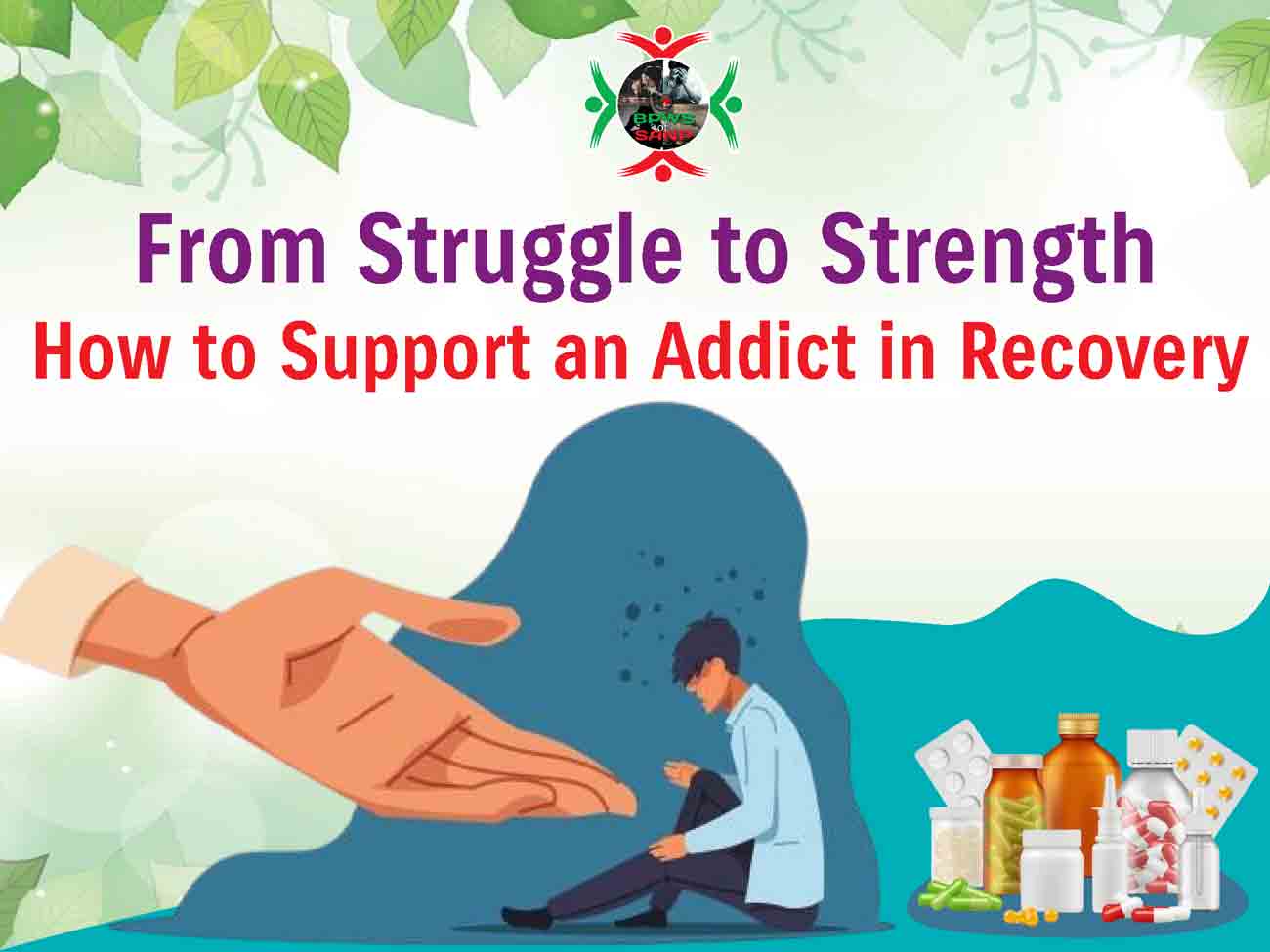
Supporting an addict in recovery requires patience and understanding. Encourage open communication and offer consistent emotional support.
Recovery from addiction is a challenging journey which requires unwavering support from loved ones. Building a strong support system is crucial for an addict’s successful recovery. Open communication encourages trust and allows the individual to express their struggles and achievements.
Emotional support helps them navigate through difficult moments and reinforces their commitment to sobriety. Providing a safe and non-judgmental environment is essential for their mental and emotional well-being. By understanding their needs and being there for them, you play a vital role in their journey from struggle to strength. Your support can make a significant difference in their path to a healthier, substance-free life.
The Journey Of Recovery
The journey of recovery is a path full of challenges and triumphs. Understanding the stages and providing support can make a significant difference. This section delves into the key steps of recognizing addiction and embracing the need for change.
Recognizing Addiction
The first crucial step is to recognizing addiction. Addiction often hides behind denial and shame. It’s vital to observe signs of substance abuse. Common indicators include:
- Changes in behavior
- Neglecting responsibilities
- Physical health issues
- Financial problems
Family and friends play a key role here. They help identifying these signs early. Open communication and empathy are essential. Avoid judgment and offer a listening ear.
Embracing The Need For Change
Once addiction is recognized, the need for change follows has to be embraced. This involves acknowledgment and acceptance. The individual must understand the impact of their addiction. They should feel empowered to seek help.
Support can come in many forms:
- Professional counseling
- Support groups
- Family therapy
- Rehabilitation programs
Creating a supportive environment is important which includes encouraging healthy habits and routines, celebrating small victories and keeping patience. Recovery is a long journey but it becomes manageable with consistent support.
Remember, every step forward is progress. Offer unwavering support and understanding.

Credit: landmarkrecovery.com
Setting The Foundation For Support
Supporting an addict in recovery demands a solid foundation. This foundation is built on a supportive environment and trust. Both elements are crucial for recovery success. Let’s explore how to establish this foundation.
Creating A Supportive Environment
A supportive environment is key to recovery. Here are some ways to create one:
- Remove Triggers: Eliminate items that might trigger a relapse.
- Encourage Healthy Habits: Promote activities like exercise and healthy eating.
- Provide Emotional Support: Offer a listening ear and understanding.
Establishing Trust And Open Communication
Trust and communication are vital in supporting recovery. Here’s how to establish them:
- Be Honest: Always speak the truth, even when it’s hard.
- Listen Actively: Pay attention and show that you care.
- Avoid Judgement: Show empathy instead of criticism.
| Action | Why It’s Important |
|---|---|
| Remove Triggers | Helps prevent relapse |
| Encourage Healthy Habits | Promotes overall well-being |
| Provide Emotional Support | Builds a strong emotional foundation |
| Be Honest | Establishes trust |
| Listen Actively | Shows that you care |
| Avoid Judgement | Encourages open communication |
These steps help create a strong support system. This system is crucial for recovery success.
Educate Yourself On Addiction
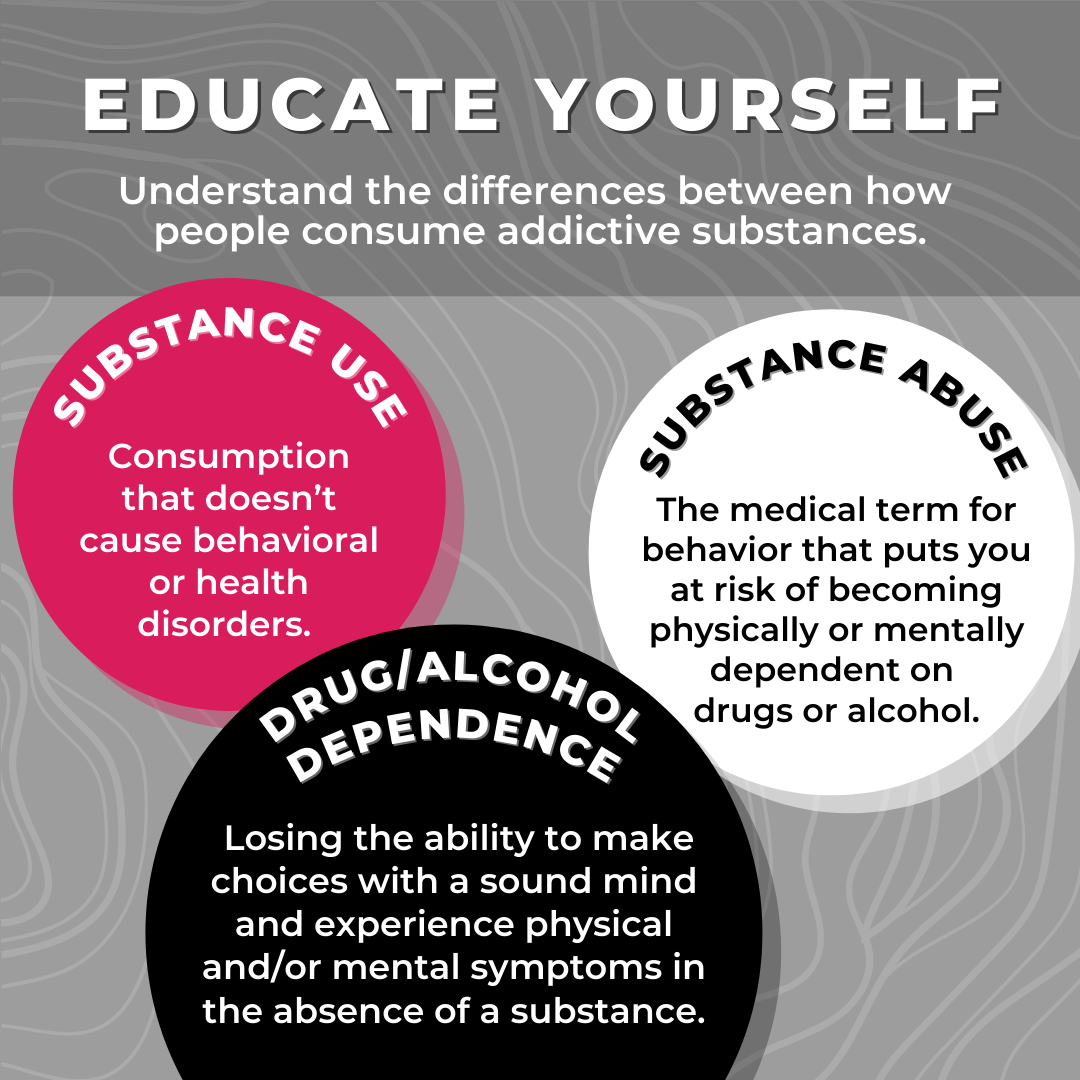
Supporting someone in recovery begins with understanding addiction. This knowledge helps to provide better support. Educating yourself on addiction reduces stigma and misconceptions.
landmarkrecovery.com
Learning About The Recovery Process
The recovery process is both complex and unique for each person. It often involves medical treatment, therapy and support groups. Understanding these elements can help you offer more effective support.
- Medical Treatment: Medications may help manage withdrawal symptoms.
- Therapy: Counseling can address underlying issues and coping mechanisms.
- Support Groups: Groups like AA provide a community of understanding and encouragement.
Each stage of recovery requires patience and understanding. Be aware of the different phases.
Understanding Relapse As A Part Of Recovery
A part of the recovery journey is relapse. It is not a failure but a common occurrence. Understanding this helps you react supportively rather than with disappointment.
| Myth | Fact |
|---|---|
| Relapse means failure | Relapse is a common part of recovery |
| Relapse only happens once | Relapse can happen multiple times |
Support during relapse involves encouragement to return to treatment. Avoid blaming the person. This can help them feel understood, better and motivated to continue their recovery.
Encouraging Professional Help
Supporting an addict in recovery requires more than just love and patience. Professional help plays a vital role for long-term success. Seeking expert assistance can provide the structured care and guidance needed. Below, we explore the significance of therapy, counseling and rehabilitation centers.
The Role Of Therapy And Counseling
In addiction recovery, a crucial role is played by therapy and counseling. These services offer a safe space for individuals to share and heal.
Therapists help addicts understand their triggers and develop coping strategies. Counseling sessions provide emotional support and mental clarity. Group therapy sessions can also foster community and shared experiences.
| Type of Therapy | Benefits |
|---|---|
| Individual Therapy | Personalized care and attention |
| Group Therapy | Community support and shared experiences |
| Family Therapy | Healing family dynamics |
Exploring Rehabilitation Centers
Rehabilitation centers give a structured environment for recovery. These centers provide 24/7 medical and emotional support.
Rehab centers have various programs like detox, inpatient and outpatient care. Detox programs help in safely managing withdrawal symptoms. Inpatient care offers an immersive recovery environment. Outpatient programs allow flexibility for daily routines.
- Detox Programs: Safe management of withdrawal
- Inpatient Care: Immersive recovery environment
- Outpatient Programs: Flexible scheduling
For effective recovery, right rehab center must be chosen. Which indicates centers with experienced staff and positive reviews. Personalized programs can better address individual needs.
Building A Support Network
To recover an addict, it is essential to build a strong support network. This network proposes encouragement, accountability and a sense of belonging. It can determine the difference between relapse and long-term recovery.
Connecting With Support Groups
A game-changer step can be taken by joining a support group . Support groups offers a safe space to share experiences and feelings. Members offer each other advice and understanding. These groups can be found in-person or online.
- Alcoholics Anonymous (AA): For those recovering from alcohol addiction.
- Narcotics Anonymous (NA): For those recovering from drug addiction.
- Smart Recovery: Focuses on self-empowerment and self-reliance.
Being part of such groups reduces the feeling of isolation. It helps addicts realize they are not alone.
Family Involvement In Recovery
Family support always plays a crucial role in recovery. Family members can offer motivation, emotional and practical support. They provide a sense of stability and love.
Ways families can support:
- Educate themselves: Understanding addiction helps them provide better support.
- Attend family therapy: This strengthens family bonds and improves communication.
- Set healthy boundaries: This ensures that support does not become enabling.
Family involvement fosters a supportive environment. It helps in rebuilding trust and relationships.
Setting Healthy Boundaries
Supporting an addict in recovery is a challenging yet rewarding journey. Setting healthy boundaries is a crucial aspect of this process. Boundaries help in maintaining emotional well-being and ensure the addict’s progress remains sustainable. This section explores how to set these boundaries effectively.
Knowing Your Limits
For supporting an addict, understanding your limits is important. Determination of what you can and cannot handle is necessary. This awareness helps you avoid burnout and frustration.
- Identify your emotional triggers.
- Set clear expectations and communicate them.
- Be firm but compassionate in your approach.
Use a journal to keep track of your feelings. This can help you understand your emotional limits better.
The Importance Of Self-care For Supporters
Self-care is significant for those supporting an addict. It ensures you remain emotionally and physically healthy and it enables you to provide effective support.
| Self-Care Activity | Benefits |
|---|---|
| Regular Exercise | Reduces stress and improves mood |
| Mindfulness Meditation | Enhances emotional resilience |
| Healthy Diet | Boosts overall well-being |
Incorporate these activities into your daily routine. This helps maintain your well-being and keeps you strong for the journey ahead.
The Power Of Positive Reinforcement
Supporting an addict in recovery is very challenging. Positive reinforcement plays a crucial role. It includes rewarding good behavior and progress. This method boosts self-esteem and encourages further improvement. Let’s explore how positive reinforcement can make a difference.
Celebrating Milestones
Milestones in recovery are significant. Each step forward deserves recognition. Celebrate small victories to keep motivation high.
- Completing a week of sobriety
- Attending a support group meeting
- Reaching a personal goal
Acknowledge these achievements with words of encouragement. You can also give small rewards. These could be a favorite treat. Celebrating milestones helps to build confidence.
Maintaining A Positive Outlook
In recovery, a positive outlook is very important. It helps to face challenges and setbacks and to overcome them. Support the addict by staying optimistic.
- Encourage them to focus on their strengths
- Remind them of past successes
- Help them set realistic goals
Use positive language and affirmations. Say motivating things like, “You are doing great” or “I believe in you”. Ignore negative comments or criticism. Maintaining a positive outlook fosters a hopeful and encouraging environment.
| Strategy | Benefit |
|---|---|
| Celebrating Milestones | Boosts confidence and motivation |
| Maintaining a Positive Outlook | Encourages persistence and resilience |
Addressing Co-occurring Disorders
Understanding and addressing co-occurring disorders can be supportive in recovery of an addict. These are mental health issues that exist alongside addiction. Identifying and treating these disorders is key to successful recovery.
Identifying And Treating Mental Health Issues
Many addicts suffer from mental health issues like depression or anxiety. Early identification is essential. Here are some signs to watch for:
- Sudden mood changes
- Chronic sadness
- Extreme worry or fear
- Changes in sleep patterns
Treatment must involve a combination of therapy and medication. Cognitive Behavioral Therapy (CBT) is effective for many. Medications can also help stabilize mood and reduce symptoms.
Integrating Dual Diagnosis Approaches
Addiction and mental health issues are simultaneously addressed in dual diagnosis treatment. This integrated approach leads to better outcomes. Here’s how you can support:
- Encourage participation in dual diagnosis programs
- Support consistent therapy attendance
- Assist with medication management
- Promote a healthy lifestyle
Combining these methods helps ensure a holistic recovery process. This approach reduces the risk of relapse and improves overall well-being.
The Role Of Lifestyle Changes
Supporting an addict in recovery involves many facets. One of the most crucial aspects is implementing lifestyle changes. These changes can greatly affect the success of the recovery process. By focusing on healthy habits and new routines, you can provide a solid foundation for a lasting recovery.
Promoting Healthy Habits
For a successful recovery, healthy habits must be acquired. Encouraging a balanced diet and regular exercise can help to improve both physical and mental well-being.
- Balanced Diet: A diet rich in fruits, vegetables, and lean proteins.
- Regular Exercise: Activities like walking, jogging, or yoga promote physical health.
- Adequate Sleep: Ensure 7-9 hours of sleep each night.
These habits help to reduce stress and enhancing mood. They also boost the immune system, making the body stronger and more resilient.
Creating New Routines
Structure and stability can be provided by new routines. This is vital during the recovery journey. Establishing a daily schedule can help manage time effectively.
- Morning Routine: Start with a healthy breakfast and some light exercise.
- Work/Activity Schedule: Engage in productive tasks or hobbies during the day.
- Evening Routine: Wind down with relaxing activities like reading or meditation.
New routines also eliminate idle time which can be a trigger for relapse. Consistency in these routines builds a sense of normalcy and purpose.
Implementing lifestyle changes may seem challenging. But with patience and support, they become manageable and beneficial. Focus on small, achievable goals to build confidence and momentum in the recovery process.
Financial Management During Recovery
Supporting an addict in recovery involves many difficult challenges. One major challenge is managing finances. Financial stability plays a crucial role in successful recovery. Let’s explore effective ways to manage finances during this period.
Budgeting For Treatment
Creating a budget for treatment is significant. List all potential costs associated with recovery. These may include:
- Rehabilitation center fees
- Medication costs
- Counseling sessions
- Transportation expenses
Use a simple table to track these expenses:
| Expense | Estimated Cost |
|---|---|
| Rehabilitation Center Fees | $5,000 |
| Medication Costs | $300 |
| Counseling Sessions | $1,200 |
| Transportation Expenses | $200 |
Review and adjust the budget regularly. Ensure funds are allocated wisely. Prioritize essential needs over wants.
Avoiding Financial Triggers
Financial triggers can derail recovery efforts. Identify and manage these triggers. Some common financial triggers include:
- Unplanned spending
- Access to large sums of money
- High-interest loans
Implement strategies to avoid these triggers:
- Set spending limits for non-essential items.
- Use prepaid cards instead of credit cards.
- Seek financial counseling to manage debts.
Encourage the addict to maintain a simple lifestyle. Focus on long-term financial health.
Navigating Social Situations
Supporting a loved one in recovery can be very challenging. One significant challenge is navigating social situations. Social interactions can be difficult for someone in recovery. Learning how to handle these moments can make a big difference.
Handling Peer Pressure
Peer pressure is tough to handle. Friends may not understand the significance of sobriety. Here are some tips to help:
- Set clear boundaries: Tell friends what is acceptable and what is not.
- Practice saying no: Have a few phrases ready to decline offers of alcohol or drugs.
- Find supportive friends: Spend time with people who respect your loved one’s recovery.
Choosing Sober Activities
Choosing sober activities is essential for keeping a healthy lifestyle. Here are some fun and safe ideas:
- Outdoor activities: Hiking, biking, and picnics are great ways to stay active.
- Creative hobbies: Painting, writing, or playing music can be fulfilling.
- Sports and fitness: Joining a gym, playing team sports, or practicing yoga.
| Activity | Benefits |
|---|---|
| Hiking | Improves mental health and fitness |
| Painting | Boosts creativity and reduces stress |
| Yoga | Enhances flexibility and mindfulness |

Credit: landmarkrecovery.com
Relapse Prevention Strategies
A crucial aspect of addiction recovery is relapse prevention. Supporting someone in their journey involves understanding the strategies that help them stay on track. These strategies are crucial for their long-term success.
Recognizing Warning Signs
Recognizing the warning signs of a relapse is essential. Here are some common indicators:
- Increased stress and anxiety.
- Changes in sleeping patterns.
- Isolation from friends and family.
- Engaging in risky behaviors.
By being aware of these signs, you can help your loved one address issues early. This proactive approach can prevent a full-blown relapse.
Developing A Relapse Prevention Plan
Creating a relapse prevention plan is an effective effort. It involves the addict, their support system, and professionals. Here are some steps to consider:
- Identify high-risk situations and triggers.
- Develop coping strategies for these situations.
- Set up a support network of trusted individuals.
- Regularly attend therapy or support group meetings.
Having a solid plan in place helps the addict feel supported. It provides them with tools to manage their recovery effectively.
Consider using the following table for tracking progress:
| Trigger | Coping Strategy | Support Contact |
|---|---|---|
| Stress at work | Deep breathing exercises | Contact therapist |
| Social gatherings | Attend with a sober friend | Call sponsor |
Tracking progress helps the addict and their support system stay on top of their recovery. It also provides a clear plan of action for challenging situations.
The Role Of Medication In Recovery
Supporting an addict in recovery is challenging but can be rewarding. Medication can play a vital role in this process. It helps manage withdrawal symptoms and reduces cravings. This makes the road to sobriety smoother. Understanding how medication fits into recovery is vital for effective support.
Understanding Medication-assisted Treatment
Medication-Assisted Treatment (MAT) combines medications with counseling and behavioral therapies. This holistic approach is effective for treating substance use disorders. MAT helps restore balance in the brain’s chemistry.
- Buprenorphine reduces cravings and withdrawal symptoms.
- Methadone helps manage pain and blocks the euphoria of opioids.
- Naltrexone prevents relapse by blocking the effects of opioids.
These medications do not replace one addiction with another. They help individuals function normally and focus on recovery.
Managing Medication Responsibly
Managing medication responsibly is important for success. The prescription and dosage instructions need to be followed in a regular basis. Misuse can lead to dependence or other health issues.
Create a medication schedule to stay organized. Use alarms or reminders if needed. This ensures that doses are not missed.
| Medication | Use | Common Side Effects |
|---|---|---|
| Buprenorphine | Reduces cravings | Nausea, constipation |
| Methadone | Manages pain | Drowsiness, dry mouth |
| Naltrexone | Prevents relapse | Headache, dizziness |
Keep medications in a secure place away from children. Never share medications with others. Each person’s treatment plan is unique.
Regular check-ins with healthcare providers are crucial. They can adjust dosages or change medications if needed. Always communicate any side effects or concerns.
Support from loved ones is invaluable. Encourage adherence to the treatment plan. Celebrate small victories and progress.
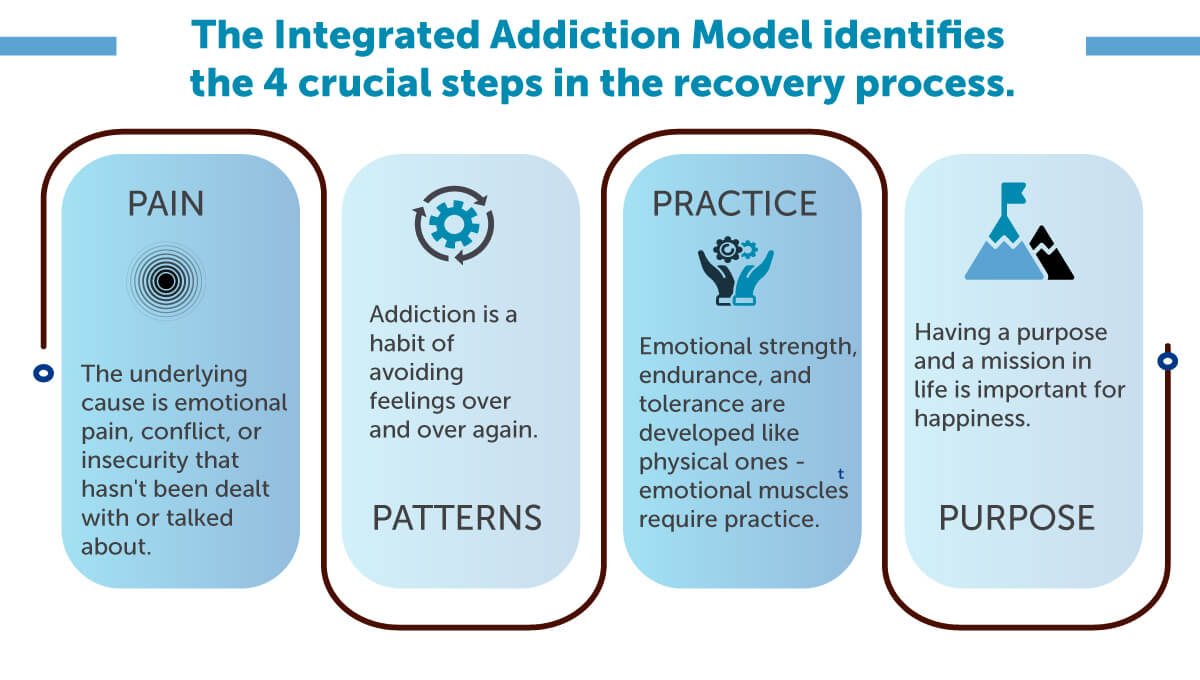
Credit: www.healingspringsranch.com
Long-term Recovery And Wellness
Long-term recovery from addiction is an ongoing process. It requires dedication and support. Achieving wellness involves continuous effort, growth and commitment. This journey is unique for each person. Support from loved ones is vital for sustained sobriety.
Committing To Continued Growth
Recovery is not finished after rehab. It’s a lifelong journey. Personal growth and development play a vital role. Setting goals helps. These goals should be realistic and acquirable. Celebrate small wins. Each victory builds confidence.
Here’s a table outlining some growth activities:
| Activity | Benefit |
|---|---|
| Meditation | Reduces stress and anxiety |
| Exercise | Boosts mood and health |
| Reading | Increases knowledge and focus |
Encourage new hobbies. Hobbies help fill time and provide joy. They reduce the risk of relapse.
Supporting Lifelong Sobriety
Supporting lifelong sobriety involves understanding and patience. Stay by their side. Listen without judgments. Offer words of encouragement and motivation. Maintain open communication. This builds trust.
Here are some ways to support:
- Attend meetings together
- Encourage healthy habits
- Help avoid triggers
- Celebrate milestones
Building a strong support network is crucial. Join support groups. These provide shared experiences and advice. Encourage participation in community activities. This fosters a sense of belonging.
Remember, recovery is a marathon, not a sprint. Your support can make a difference.
Frequently Asked Questions
How To Help Someone Who Doesn’t Want Help?
Respect their choice but express your concern. Offer support and listen without judgment. Encourage professional help subtly. Stay patient.
What Are Inspirational Words For Someone In Recovery?
Stay strong. Believe in yourself. One day at a time. You are not alone. Keep moving forward. You can do this.
What Is The Strength Based Approach In Substance Abuse?
The strength-based approach in substance abuse focuses on individuals’ strengths and resources to aid recovery. It emphasizes positive reinforcement, self-efficacy, and resilience, encouraging personal growth and empowerment.
What Are The Most Important Factors That Help People Recover From Addiction?
The most important factors for addiction recovery include strong support systems, professional treatment, healthy lifestyle changes, ongoing therapy, and personal motivation.
Conclusion
Supporting an addict in recovery requires patience, empathy and understanding. Small consistent efforts can make a huge difference. Celebrate their milestones and provide a non-judgmental environment. Stay educated on addiction and recovery processes. Your support plays a crucial role in their journey from struggle to strength.