Prevention from Suicide, Addiction, Narcotics and Pollution. Withdrawal and Recovery Facts of Narcotics | Symptoms of Suicidal thoughts & Ideations | Effects of Environment Pollution | Understand Addiction withdrawal
How Long to Get Sick from Contaminated Water?
Access to clean drinking water is something many of us take for granted. We turn on the tap and assume what comes out is safe. But what happens when that water is contaminated? Water sources can harbor a range of unseen threats, from bacteria and viruses to chemical pollutants. Exposure to these contaminants can lead to a variety of waterborne illnesses, some of which can be severe.
Understanding the risks associated with contaminated water is the first step toward protecting yourself and your family. The time it takes to feel sick after drinking contaminated water can vary significantly, depending on the specific pathogen or chemical you’ve ingested. This post will explain how long it typically takes to get sick, explore the common types of water contaminants, and outline the steps you can take to ensure your water is safe.
Common Water Contaminants and Their Effects
Water can become contaminated in many ways, including through agricultural runoff, industrial discharge, or failing septic systems. These sources can introduce a variety of harmful agents into the water supply. Here’s a look at the most common types and how quickly they can affect you.
Bacteria
Bacterial contamination is a frequent cause of waterborne illness. Common culprits include E. coli and Salmonella.
- Sources: These bacteria often enter water supplies through fecal contamination from humans or animals. This can happen when sewage systems overflow or when agricultural runoff carries animal waste into rivers and groundwater.
- Onset Time: Symptoms from bacterial infections typically appear within 24 to 72 hours after consumption.
- Symptoms: Common symptoms include diarrhea, abdominal cramps, nausea, and vomiting. Some strains of E. coli can cause more severe complications, like bloody diarrhea and kidney failure.
Viruses
Viruses are another significant threat in contaminated water. They are much smaller than bacteria and can be more difficult to remove through standard filtration methods.
- Sources: Norovirus and Hepatitis A are common waterborne viruses, often spread through water contaminated with sewage.
- Onset Time: Norovirus symptoms can appear very quickly, often within 12 to 48 hours. Hepatitis A has a much longer incubation period, with symptoms appearing anywhere from 15 to 50 days after exposure.
- Symptoms: Norovirus causes acute gastroenteritis, with symptoms like vomiting, diarrhea, and stomach pain. Hepatitis A affects the liver, leading to symptoms like fatigue, nausea, abdominal pain, and jaundice (yellowing of the skin and eyes).
Parasites
Parasites are organisms that live in a host and get their food from or at the expense of that host. Several waterborne parasites can cause significant illness.
- Sources: Giardia and Cryptosporidium are microscopic parasites that can be found in water sources worldwide. They are introduced into water through the feces of infected animals or humans.
- Onset Time: The onset time for parasitic infections is generally longer. Giardia symptoms usually begin 1 to 3 weeks after exposure, while Cryptosporidium symptoms typically start within 2 to 10 days.
- Symptoms: Both parasites cause a diarrheal disease known as giardiasis and cryptosporidiosis, respectively. Symptoms include watery diarrhea, stomach cramps, dehydration, nausea, and weight loss. These symptoms can last for several weeks.
Chemicals
Chemical contaminants can also pose serious health risks. These can be naturally occurring or the result of industrial pollution.
- Sources: Lead can leach into water from old pipes and plumbing fixtures. Arsenic is a naturally occurring element that can be found in groundwater in certain regions.
- Onset Time: The effects of chemical exposure can be acute (short-term) or chronic (long-term). Acute symptoms from high levels of chemical exposure can appear within hours. Chronic effects from long-term, low-level exposure may take years or even decades to develop.
- Symptoms: Acute symptoms of chemical poisoning can include nausea, vomiting, and abdominal pain. Chronic exposure to lead can lead to developmental issues in children and high blood pressure in adults. Long-term exposure to arsenic is linked to skin problems and an increased risk of cancer.
Factors Influencing the Onset of Illness
The question of “how long does it take to get sick from drinking contaminated water?” doesn’t have a single answer. Several factors can influence how quickly you become ill and the severity of your symptoms.
- Type and Concentration of Contaminant: As seen above, different pathogens have different incubation periods. A higher concentration of the contaminant can also lead to a faster and more severe onset of illness.
- Individual Health and Immunity: A person with a strong immune system may be able to fight off a low-level infection or experience milder symptoms. Conversely, individuals with weakened immune systems, such as the elderly, young children, or those with chronic illnesses, are more susceptible to severe illness.
- Amount of Water Consumed: Ingesting a larger volume of contaminated water increases the dose of the contaminant, which can lead to a quicker onset of symptoms.
- Age and Pre-existing Conditions: Children and the elderly are particularly vulnerable to waterborne illnesses. Pre-existing health conditions, especially those affecting the digestive or immune systems, can also increase the risk.
A Timeline for Waterborne Illnesses
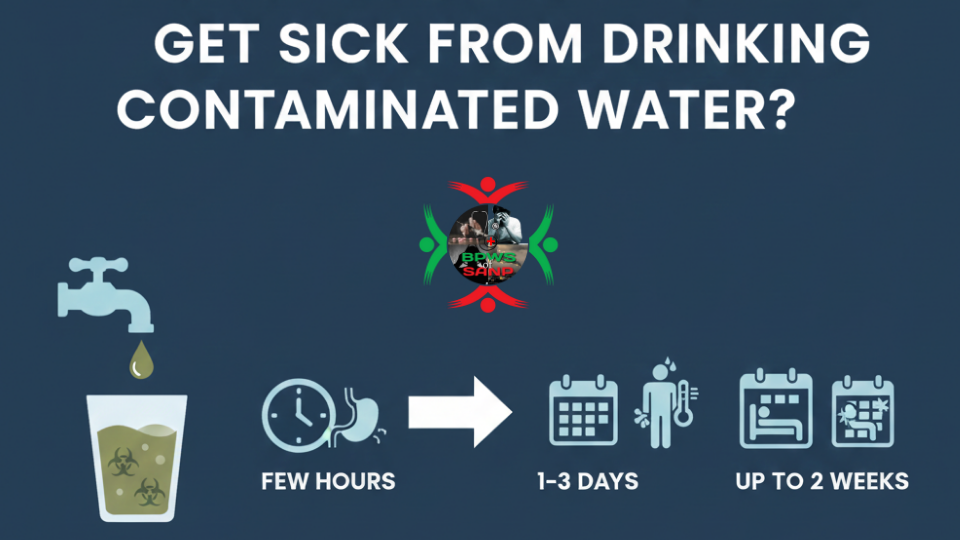
To simplify, here’s a general timeline for when you might expect symptoms to appear after drinking contaminated water:
- Immediate Effects (within hours): Certain chemical irritants can cause immediate reactions like nausea or stomach irritation.
- Short-Term Effects (1-3 days): This is the most common window for bacterial and viral infections like E. coli, Salmonella, and Norovirus.
- Long-Term Effects (weeks or months): Parasitic infections like Giardia often take a week or more to manifest. The chronic effects of heavy metal exposure, such as from lead or arsenic, can take years of consistent exposure to become apparent.
How to Protect Yourself from Contaminated Water
The best approach to waterborne illness is prevention. Taking proactive steps to ensure your water is safe can protect you and your family from these hidden dangers.
- Test Your Water: If you have a private well or are concerned about your municipal water supply, consider having it tested by a certified laboratory. This can identify specific contaminants and help you choose the right treatment solution.
- Heed Boiling Advisories: If your local authorities issue a boil water advisory, take it seriously. Boiling water for at least one minute (or three minutes at high altitudes) is an effective way to kill most bacteria, viruses, and parasites.
- Use Water Filters: A high-quality water filter or purifier can remove many common contaminants. Be sure to choose a filter certified to remove the specific contaminants you are concerned about.
- Practice Safe Water Storage: Store drinking water in clean, covered containers to prevent re-contamination.
When to Seek Medical Attention
While many waterborne illnesses resolve on their own, some can be severe and require medical intervention. You should seek medical attention if you or a family member experiences any of the following symptoms:
- Severe dehydration (dizziness, dry mouth, infrequent urination)
- High fever
- Persistent vomiting or inability to keep liquids down
- Bloody diarrhea
- Neurological symptoms like confusion or severe headaches
Safeguarding Your Health is Key
Understanding how long it takes to get sick from drinking contaminated water highlights the diverse nature of waterborne threats. From the rapid onset of a viral infection to the slow, cumulative damage of chemical exposure, the risks are real. By being aware of the common contaminants, recognizing the factors that influence illness, and taking preventative measures, you can significantly reduce your risk. Always prioritize safe water practices to protect your health and well-being.