Prevention from Suicide, Addiction, Narcotics and Pollution. Withdrawal and Recovery Facts of Narcotics | Symptoms of Suicidal thoughts & Ideations | Effects of Environment Pollution | Understand Addiction withdrawal
Faith-based addiction recovery integrates spiritual beliefs with traditional treatment methods to help individuals overcome substance abuse. It provides a holistic approach to healing.
Faith-based addiction recovery programs offer a unique blend of spirituality and evidence-based practices. These programs often include prayer, meditation, and religious teachings. They aim to strengthen one’s faith while addressing the root causes of addiction. Support from a faith community can provide emotional and spiritual guidance.
This type of recovery program can be particularly effective for those who draw strength from their faith. Participants often find a renewed sense of purpose and hope. By integrating faith with therapy, these programs offer a comprehensive path to lasting recovery and personal growth.
Faith As A Foundation
Faith-based addiction recovery is a powerful approach that integrates spiritual beliefs and community support. Many individuals find that their faith provides a strong foundation for overcoming addiction. This method combines traditional treatment with spiritual guidance, creating a holistic path to recovery. By relying on their faith, individuals can find strength, hope, and a sense of purpose.
Spiritual Beliefs
Spiritual beliefs play a crucial role in faith-based addiction recovery. These beliefs offer a sense of purpose and meaning. They help individuals understand their struggles and find inner peace. Many faith-based programs incorporate prayer, meditation, and scripture reading. These practices provide comfort and guidance. Key components of spiritual beliefs in addiction recovery include:
- Prayer and meditation: Helps in finding inner peace and connection with a higher power.
- Scripture reading: Offers wisdom and guidance through difficult times.
- Faith rituals: Reinforces commitment to recovery and spiritual growth.
A combination of these practices can be very effective. They help in creating a strong support system within the individual. This support system is essential for long-term recovery. https://www.youtube.com/watch?v=9Exv-NoYeUs
Community Support
Community support is another vital aspect of faith-based addiction recovery. Being part of a faith community provides a sense of belonging. It helps individuals feel less isolated in their journey. Benefits of community support include:
- Emotional support: Friends and family offer love and encouragement.
- Accountability: Regular meetings and check-ins help keep individuals on track.
- Shared experiences: Others in the community understand the challenges faced.
Many faith-based programs offer group activities and events. These activities help build strong relationships and foster a sense of camaraderie. Being part of a supportive community can make a significant difference in recovery outcomes. Combining spiritual beliefs and community support creates a powerful framework for overcoming addiction. Both elements work together to provide a comprehensive support system. This system helps individuals find strength, hope, and a path to lasting recovery.
Programs And Approaches
Faith-Based Addiction Recovery offers a unique approach to overcoming addiction. These programs combine spiritual guidance with traditional treatment methods. Many people find strength in their faith during difficult times. Programs and approaches in faith-based recovery provide both emotional and spiritual support.
12-step Programs
12-Step Programs are a key part of faith-based addiction recovery. These programs are rooted in spiritual principles. Participants follow a set of steps to achieve sobriety. Each step involves personal reflection and growth. Group meetings are an important part of the process. Sharing experiences helps members feel supported and understood. A higher power is often mentioned in these steps. This can be interpreted in various ways, depending on one’s beliefs. The 12-Step Programs include:
- Admitting powerlessness over the addiction
- Believing in a higher power for strength
- Making amends with those harmed
- Continuing personal inventory and admitting wrongs
- Praying and meditating for spiritual awareness
These steps guide individuals through recovery. They emphasize moral and spiritual development. Many people find these programs effective and comforting. Support from group members is crucial. It creates a sense of community and belonging. The spiritual aspect can provide hope and motivation.
Faith-based Counseling
Faith-Based Counseling integrates spiritual beliefs with therapy. Counselors often have religious training. This allows them to address both spiritual and emotional needs. Sessions may include prayer, scripture readings, and discussions about faith. This type of counseling helps individuals find inner peace and strength. Benefits of Faith-Based Counseling include:
- Aligning recovery goals with personal beliefs
- Receiving guidance from a spiritual perspective
- Finding comfort in religious practices
- Building a supportive faith community
- Experiencing a holistic approach to healing
Faith-Based Counselors use various techniques to help clients. They may offer individual sessions or group therapy. The goal is to address the root causes of addiction. This includes both emotional and spiritual factors. Many clients feel more connected and understood. Faith-based approaches often lead to long-lasting recovery. They provide a sense of purpose and direction. https://www.bdwelfaresociety.org/group-therapy-for-addiction-recovery/
Role Of Prayer
Faith-based addiction recovery integrates spiritual practices into the healing process. One key aspect is the role of prayer. Prayer provides a sense of peace and strength. It helps individuals feel connected to a higher power. This connection can be vital for those battling addiction. By focusing on prayer, individuals can find new ways to cope. Prayer can be done alone or in groups, each offering unique benefits.
Personal Reflection
Personal reflection through prayer is deeply powerful. It allows individuals to seek guidance and strength. This type of prayer is private and introspective. It encourages people to look within and find their inner strength. Here are some key benefits of personal reflection through prayer:
- Inner Peace: Prayer can bring a sense of calm and serenity.
- Strength: It helps individuals gather the strength to overcome challenges.
- Connection: Feeling connected to a higher power can be comforting.
- Focus: Prayer helps focus the mind and reduce distractions.
Many people find that personal prayer helps them stay committed to their recovery. It can be done at any time, offering flexibility and convenience. Here is a simple table showing the times of day people might pray:
| Time of Day | Benefits |
|---|---|
| Morning | Sets a positive tone for the day. |
| Afternoon | Provides a mid-day boost of strength. |
| Evening | Offers reflection on the day’s events. |
Group Prayer
Group prayer offers a different kind of support. It involves praying with others who are on a similar journey. This can create a sense of community and belonging. People often find comfort in knowing they are not alone. Here are some benefits of group prayer:
- Support: Group prayer provides emotional and spiritual support.
- Community: It fosters a sense of belonging and togetherness.
- Shared Strength: People draw strength from each other’s prayers.
- Encouragement: It encourages individuals to stay committed to their recovery.
Group prayer sessions can be held at various locations. Common places include churches, community centers, and rehab facilities. These sessions can vary in size and format. Here is a table showing different settings for group prayer:
| Setting | Environment |
|---|---|
| Church | Formal and structured. |
| Community Center | Casual and relaxed. |
| Rehab Facility | Focused and supportive. |
Group prayer can strengthen the resolve of those in recovery. It creates bonds and builds a network of support. This can be incredibly beneficial for long-term recovery.
Success Stories
Faith-Based Addiction Recovery combines spiritual practices with addiction treatment. Success stories in this area highlight the power of faith in overcoming addiction. People find strength in their beliefs and communities. This approach offers hope and healing.
Testimonies
Many individuals have shared their testimonies of recovery through faith-based programs. These stories inspire others struggling with addiction. Here are a few examples:
- John found peace and strength in prayer. He overcame his addiction to alcohol.
- Mary relied on her church community. They supported her through her recovery journey.
- David used scripture readings. They helped him stay focused on his goals.
These testimonies show the importance of a supportive community. Faith-based groups offer a sense of belonging. This can be crucial for those in recovery. Many people feel lost and alone. Hearing success stories helps them believe in the possibility of recovery. It shows them that they are not alone. Others have walked the same path and found healing. https://www.bdwelfaresociety.org/nutrition-in-addiction-recovery/
Transformational Journeys
Faith-based recovery programs often lead to transformational journeys. These journeys involve more than just stopping substance use. They lead to a deeper connection with oneself and one’s faith. People often experience significant changes in their lives:
| Aspect | Transformation |
|---|---|
| Spiritual Growth | Increased faith and spiritual practices |
| Relationships | Improved family and social connections |
| Purpose | Renewed sense of life’s purpose and goals |
These transformations make a lasting impact. They help individuals build a new life free from addiction. Personal growth and faith become key parts of their recovery. Many find that their faith gives them a new outlook on life. They feel stronger and more capable. They face challenges with a renewed sense of purpose.
Challenges Faced
Faith-Based Addiction Recovery provides a unique approach to overcoming substance abuse. It integrates spiritual beliefs with traditional recovery methods. This approach helps individuals find strength and support in their faith. Yet, many face significant challenges in this journey. Two major obstacles include skepticism and stigma. Understanding these can help improve support systems and outcomes.
Skepticism
Skepticism about Faith-Based Addiction Recovery is common. Many people doubt its effectiveness. They question how faith can play a role in recovery. Here are some reasons for this skepticism:
- Lack of scientific evidence supporting faith-based methods.
- Misunderstanding of how spirituality aids recovery.
- Fear of religious indoctrination rather than genuine help.
Some believe only medical and psychological methods work. They see faith-based programs as lacking professional oversight. This perception can deter individuals from seeking faith-based help. It also affects funding and support for these programs. Ensuring better education and evidence can help reduce this skepticism.
Stigma
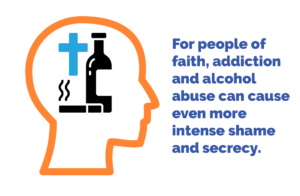
Stigma around addiction and faith can be a major barrier. People often face judgment from their communities. This stigma is harmful for several reasons:
- Fear of being labeled as weak or morally flawed.
- Worry about discrimination in faith communities.
- Shame and guilt associated with addiction.
Stigma can prevent people from seeking help. They may feel embarrassed or scared to admit their struggles. This isolation can worsen their addiction. Faith communities must work to create a supportive and non-judgmental environment. Encouraging open conversations can help reduce stigma.
Credit: sbtreatment.com
Integrating Faith And Science
Faith-Based Addiction Recovery is a unique approach that combines spiritual beliefs with scientific principles. This method helps individuals find inner peace and strength through their faith. Integrating faith and science brings a holistic approach to recovery, addressing both emotional and spiritual needs. This blend can lead to more effective and lasting recovery.
Therapeutic Techniques
Faith-Based Addiction Recovery utilizes various therapeutic techniques that incorporate spiritual elements. These methods help individuals connect with their faith while undergoing treatment. Some common techniques include:
- Prayer and meditation sessions to foster a sense of peace.
- Group therapy led by spiritual leaders to build community support.
- Scripture readings that offer hope and guidance.
- Cognitive-behavioral therapy (CBT) combined with spiritual counseling.
These techniques help individuals reflect on their choices and find spiritual strength. Regular prayer sessions can provide a sense of calm and purpose. Group therapy offers a supportive environment where individuals can share experiences. Scripture readings offer moral guidance and inspiration. CBT, when combined with spiritual counseling, helps address both mental and emotional challenges. This holistic approach ensures that all aspects of the individual’s life are considered. It creates a balanced path to recovery.
Research Findings
Several studies have shown the effectiveness of faith-based addiction recovery programs. Research indicates that individuals who incorporate spiritual practices into their recovery have higher success rates. A study published in the Journal of Substance Abuse Treatment found that participants in faith-based programs had lower relapse rates. Key findings from various studies include:
- Improved mental health and well-being.
- Higher rates of long-term sobriety.
- Stronger support networks through faith communities.
- Increased motivation to stay sober due to spiritual beliefs.
Another study in the American Journal of Drug and Alcohol Abuse highlighted the importance of community support. Participants who engaged in faith-based activities felt more connected and supported. This sense of community helps individuals stay committed to their recovery journey. Faith-based programs also provide a sense of hope and purpose. This can be a powerful motivator for individuals struggling with addiction. The combination of spiritual guidance and scientific treatment creates a comprehensive approach to recovery. This ensures that individuals receive well-rounded care.
Future Of Faith-based Recovery
Faith-Based Addiction Recovery is a unique approach. It combines spiritual and religious practices. People find hope and healing through their faith. The future of this recovery method shows promise. New trends and innovative approaches are emerging. These changes aim to help more people overcome addiction.
Trends
Faith-based recovery is becoming more popular. Many people seek spiritual guidance to overcome addiction. They find strength in their faith communities. There are several key trends in this area:
- Increased Use of Technology: Online support groups and virtual meetings are growing. These tools help people stay connected and receive support.
- Holistic Approaches: Combining faith-based recovery with other therapies. This includes counseling, meditation, and exercise.
- Community Involvement: Local churches and religious organizations play a bigger role. They offer resources and support for addiction recovery.
Another trend is the integration of mental health services. Faith-based programs now include mental health care. This helps address the root causes of addiction. Providing a well-rounded approach to recovery.
Innovative Approaches
New methods in faith-based recovery are emerging. These approaches aim to enhance the recovery process. Some notable innovations include:
- Personalized Recovery Plans: Tailoring recovery plans to individual needs. This ensures that each person receives the right support.
- Faith-Based Apps: Mobile apps provide daily prayers, scripture readings, and support. These apps help people stay focused on their recovery journey.
- Integration of Art and Music: Using art and music therapy in recovery programs. These creative outlets help people express their emotions.
Another innovative approach is the use of peer support. Former addicts mentor those in recovery. They share their experiences and offer guidance. This peer-to-peer support is invaluable. It helps build trust and understanding. https://www.youtube.com/watch?v=5sVFrK7ryz4
References/further Reading
Faith-based addiction recovery programs use spiritual practices. These programs often include prayer, meditation, and scripture study. They aim to help individuals find strength through faith. Many people find comfort and guidance in these programs. They offer a sense of community and support. These programs can be a powerful tool for those seeking recovery.
Importance Of Faith In Recovery
Faith can play a crucial role in recovery. Many people find strength in their beliefs. Faith can provide hope and motivation. It can also offer a sense of purpose. This helps individuals stay committed to their recovery journey. Spiritual practices can reduce stress and anxiety. Prayer and meditation can calm the mind. They can also promote inner peace. This can make the recovery process easier.
Types Of Faith-based Programs
There are many types of faith-based programs. Some are based on specific religions. Others are more general. They all focus on spiritual growth and support. Here are some common types of programs:
- Christian-based programs
- Islamic-based programs
- Jewish-based programs
- Interfaith programs
Benefits Of Faith-based Recovery
Faith-based recovery programs offer many benefits. They provide a strong support system. Participants often feel a sense of belonging. This can be very comforting during tough times. These programs also focus on the whole person. They address both physical and spiritual needs. This holistic approach can lead to better outcomes.
Challenges Of Faith-based Recovery
Faith-based recovery programs can have challenges. Not everyone has the same beliefs. This can cause conflicts or discomfort. Some people may not feel comfortable with spiritual practices. It is important to find a program that fits your beliefs. This ensures you feel supported and understood.
Finding The Right Program
It is important to find the right program for you. Research different options. Look for programs that align with your beliefs. Talk to others who have been through the program. This can give you a better idea of what to expect. Here are some tips for finding the right program:
- Check online reviews
- Visit the program in person
- Ask about the program’s success rates
- Talk to the staff and participants

Credit: www.starliterecovery.com
Frequently Asked Questions
What Is Faith-based Addiction Recovery?
Faith-based addiction recovery integrates spiritual beliefs with traditional treatment methods to help individuals overcome addiction.
How Does Faith-based Recovery Work?
It combines prayer, counseling, and support groups to foster spiritual healing and personal growth during the recovery process.
What Are The Benefits Of Faith-based Recovery?
It offers spiritual support, community connection, and a sense of purpose, enhancing the overall recovery experience.
Is Faith-based Recovery Effective?
Yes, many individuals find faith-based recovery effective due to the added spiritual and emotional support it provides.
Who Can Join Faith-based Recovery Programs?
Anyone seeking addiction recovery with a spiritual component can join faith-based recovery programs, regardless of religious background.
Conclusion
Faith-based addiction recovery offers hope and healing through spiritual guidance. Embracing faith can foster lasting, positive change. It provides a supportive community and a sense of purpose. Individuals can find strength in spirituality, leading to a fulfilling, addiction-free life. Explore faith-based programs for a transformative recovery journey.