Prevention from Suicide, Addiction, Narcotics and Pollution. Withdrawal and Recovery Facts of Narcotics | Symptoms of Suicidal thoughts & Ideations | Effects of Environment Pollution | Understand Addiction withdrawal
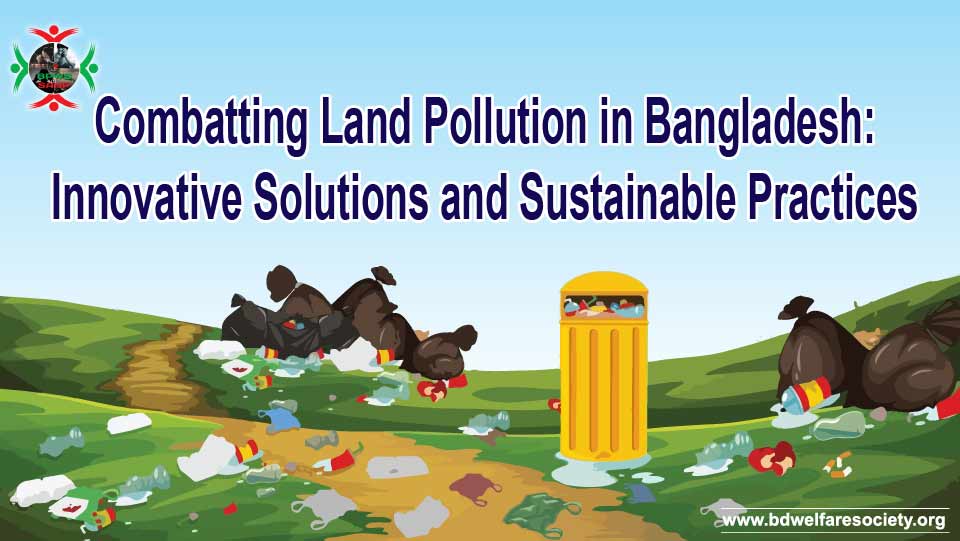
Innovative solutions and sustainable practices are crucial for combatting land pollution in Bangladesh. Effective strategies can mitigate environmental damage and improve public health.
Land pollution is a growing concern in Bangladesh, affecting both urban and rural areas. Rapid industrialization, improper waste management, and agricultural practices contribute to this issue. Innovative solutions like waste recycling, organic farming, and green technologies can significantly reduce pollution levels.
Sustainable practices, such as community-led clean-up drives and stricter environmental regulations, also play a vital role. These measures not only protect the environment but also enhance the quality of life for the population. Awareness and education are key in promoting these practices, ensuring a healthier and cleaner Bangladesh for future generations.
Introduction To Land Pollution In Bangladesh
Bangladesh faces a severe issue of land pollution. This problem impacts health and the environment. Understanding the causes and effects is crucial.
Current Scenario
Land pollution in Bangladesh is widespread. Cities and rural areas both face challenges.
- Urban areas generate more waste.
- Rural areas suffer from agricultural chemicals.
Waste management systems are often inadequate. This leads to littering and illegal dumping. Industrial activities also contribute heavily.
| Source | Impact |
|---|---|
| Household Waste | Soil contamination, health hazards |
| Industrial Waste | Toxic chemicals, water pollution |
| Agricultural Chemicals | Soil degradation, water contamination |
Historical Context
Bangladesh has a history of environmental issues. Rapid urbanization started in the 1980s. This led to increased waste production.
- Initial efforts focused on waste disposal.
- Later, attention shifted to recycling and waste reduction.
Traditional farming methods used fewer chemicals. Modern practices rely heavily on fertilizers and pesticides. This shift has degraded soil quality.
Industrial growth also spiked in recent decades. Factories often lack proper waste management systems.
Major Causes Of Land Pollution
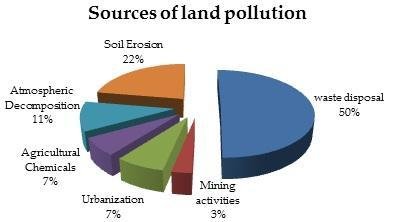
Land pollution in Bangladesh is a growing concern. Identifying the major causes is crucial. Here, we will explore the primary contributors to land pollution. These include industrial waste and agricultural chemicals. Understanding these causes will help us find effective solutions.
www.researchgate.net
Industrial Waste
Industrial waste is a major cause of land pollution in Bangladesh. Factories produce a large amount of waste. This waste often contains harmful chemicals. When not properly managed, it pollutes the land. The following types of industrial waste contribute significantly:
- Hazardous Waste: Includes chemicals and materials that are dangerous.
- Non-Hazardous Waste: Includes materials that are not immediately harmful.
Industries often dump waste in landfills. This contaminates the soil and groundwater. The improper disposal of electronic waste is another problem. Electronics contain toxic substances. These substances can leach into the soil. This harms plant and animal life.
Agricultural Chemicals
Agriculture is vital for Bangladesh’s economy. But it also contributes to land pollution. Farmers use various chemicals to boost crop yields. These include pesticides, herbicides, and fertilizers. While they help crops grow, they also harm the soil. The following points outline their impact:
- Pesticides: Kill pests but also harm beneficial insects and soil health.
- Herbicides: Kill weeds but can also contaminate water sources.
- Fertilizers: Enrich soil but can cause nutrient runoff.
Overuse of these chemicals leads to soil degradation. This makes the land less fertile over time. It also affects the water quality. Contaminated water harms both humans and wildlife. Sustainable farming practices can help reduce this pollution.
Impact On Environment And Health
Land pollution in Bangladesh poses serious threats to the environment and health. This pollution impacts ecosystems and human well-being. Understanding these effects is crucial for finding sustainable solutions.

Ecosystem Disruption
Land pollution disrupts natural ecosystems. Toxic chemicals contaminate soil and water. This contamination harms plants and animals.
Polluted soil reduces agricultural productivity. Farmers struggle with lower yields. This impacts food supply and local economies.
Waste dumps create habitats for disease-carrying pests. These pests spread illnesses to other species. Native wildlife suffers as a result.
Here is a table showing some of the pollutants and their impact:
| Pollutant | Source | Impact |
|---|---|---|
| Pesticides | Agriculture | Harms soil organisms, reduces biodiversity |
| Heavy Metals | Industrial Waste | Contaminates water, toxic to plants and animals |
| Plastic Waste | Urban Areas | Chokes waterways, endangers marine life |
Human Health Risks
Land pollution endangers human health. Exposure to pollutants causes various diseases.
Children are especially vulnerable. They suffer from respiratory issues and skin conditions.
Contaminated food and water lead to severe illnesses. These include cancer, liver damage, and neurological disorders.
Here is a list of common health risks due to land pollution:
- Respiratory problems
- Skin diseases
- Cancer
- Liver damage
- Neurological disorders
Improper waste disposal increases disease spread. This affects both urban and rural populations.
Understanding the impact of land pollution on health is essential. It underscores the need for innovative solutions and sustainable practices.
Government Policies And Regulations
Government policies play a crucial role in combatting land pollution in Bangladesh. Regulations help enforce sustainable practices and protect the environment. Here, we explore the existing laws and policy gaps in addressing land pollution effectively.
Existing Laws
Bangladesh has several laws aimed at reducing land pollution. These laws focus on waste management and environmental protection. Important laws include:
- Environmental Conservation Act, 1995: This act regulates industrial waste disposal.
- Solid Waste Management Rules, 2021: These rules manage urban solid waste.
- Bangladesh Environment Conservation Rules, 1997: These rules set standards for pollution control.
These laws are essential for maintaining clean land. They ensure that industries follow proper waste disposal methods.
Policy Gaps
Despite existing laws, there are gaps in policies. These gaps hinder effective pollution control. Key policy gaps include:
| Policy Gap | Description |
|---|---|
| Enforcement | Weak enforcement of laws leads to non-compliance. |
| Awareness | Lack of public awareness about land pollution issues. |
| Funding | Insufficient funds for waste management infrastructure. |
Addressing these gaps requires stronger regulations and public education. It also needs better funding for waste management projects.
Community Involvement
Effective combat against land pollution in Bangladesh requires community involvement. Local people can bring substantial change through collective efforts. This section explores how communities in Bangladesh address land pollution through local initiatives and grassroots movements.

Local Initiatives
Local initiatives play a significant role in tackling land pollution. Communities come together to implement small-scale but impactful solutions.
| Initiative | Description |
|---|---|
| Waste Segregation | Residents separate waste into organic and inorganic categories. |
| Community Clean-Up Drives | Locals organize regular clean-up events in their neighborhoods. |
| Recycling Programs | People collect recyclable waste for proper disposal and reuse. |
Waste segregation helps in reducing landfill pressure. Community clean-up drives make public spaces cleaner. Recycling programs ensure that useful materials are not wasted.
Grassroots Movements
Grassroots movements are crucial for raising awareness and prompting action. These movements often start at a small scale but can grow rapidly.
- Educational Campaigns: Volunteers educate locals about pollution and its impact.
- Policy Advocacy: Groups lobby for stronger environmental protection laws.
- Social Media Campaigns: Activists use social media to spread their message.
Educational campaigns inform people about the dangers of land pollution. Policy advocacy pushes for stricter regulations. Social media campaigns reach a wider audience quickly.
Both local initiatives and grassroots movements are essential. They empower communities to take action against land pollution. Together, they create a cleaner and healthier Bangladesh.
Innovative Waste Management Techniques
Combatting land pollution in Bangladesh requires innovative waste management techniques. These solutions help reduce environmental damage and promote sustainability. This section explores the most effective methods.
Recycling Programs
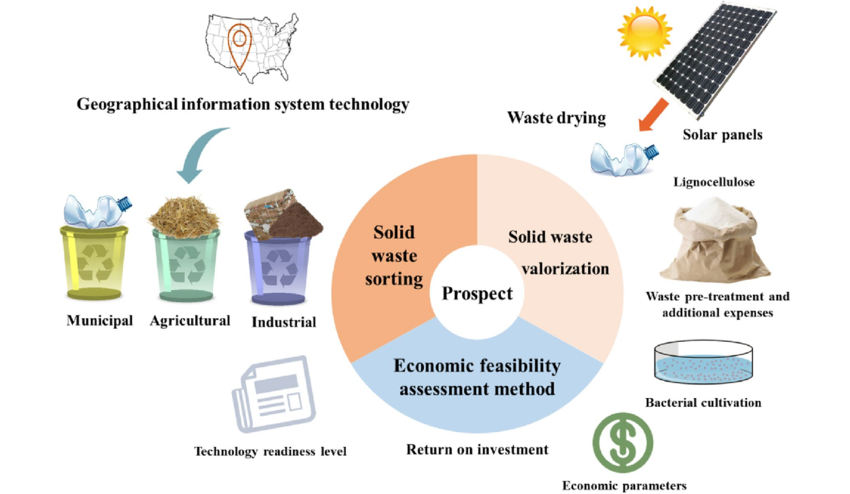
Recycling programs are crucial for reducing waste. Bangladesh has launched several initiatives to boost recycling efforts. These programs focus on plastic, paper, and metal waste. They encourage citizens to separate their waste at home. This makes recycling more efficient and reduces landfill waste.
Schools and communities often run educational campaigns. These campaigns teach people about the importance of recycling. They explain how to sort waste properly. Some programs offer incentives for recycling. This motivates more people to participate.
Recycling centers are expanding across the country. These centers collect and process recyclable materials. They help reduce the amount of waste that ends up in landfills. This is a significant step towards a cleaner environment.
www.researchgate.net
Composting Solutions
Composting is another effective waste management technique. It involves converting organic waste into valuable compost. This compost can be used to enrich soil. It promotes healthier plant growth and reduces the need for chemical fertilizers.
Many households in Bangladesh are adopting home composting. They use kitchen scraps and yard waste to create compost. This reduces the amount of organic waste in landfills. It also provides a sustainable source of fertilizer for home gardens.
Communal composting facilities are also being established. These facilities handle larger amounts of organic waste. They serve entire communities and produce large quantities of compost. This compost is often used in local agriculture, promoting sustainable farming practices.
| Type of Waste | Composting Method | Benefits |
|---|---|---|
| Kitchen Scraps | Home Composting | Reduces landfill waste, enriches soil |
| Yard Waste | Home Composting | Provides natural fertilizer |
| Community Organic Waste | Communal Composting | Supports local agriculture |
These innovative solutions are helping combat land pollution in Bangladesh. They promote sustainability and environmental health. By adopting these practices, we can create a cleaner and greener future.
Sustainable Agricultural Practices
Combatting land pollution in Bangladesh requires a shift towards sustainable agricultural practices. These practices not only reduce pollution but also boost crop yields. By adopting methods like organic farming and integrated pest management, farmers can create a healthier environment. Let’s explore these innovative solutions.
Organic Farming
Organic farming avoids synthetic pesticides and fertilizers. Instead, it uses natural alternatives to maintain soil health. Farmers use compost, green manure, and animal manure to enrich the soil. This reduces chemical runoff into water bodies and supports biodiversity.
Here are some key benefits of organic farming:
- Improved soil fertility
- Enhanced water retention
- Reduced carbon footprint
Farmers in Bangladesh are now turning to organic practices. They see better crop yields and healthier produce. This shift is vital for long-term sustainability.

Integrated Pest Management
Integrated Pest Management (IPM) is a balanced approach to controlling pests. It combines biological, cultural, mechanical, and chemical methods. The goal is to minimize harm to the environment and human health.
Key components of IPM include:
- Monitoring pest populations
- Using natural predators
- Implementing crop rotation
- Applying pesticides as a last resort
IPM helps reduce the use of harmful chemicals. It promotes healthier crops and safer food. Farmers in Bangladesh are adopting IPM to protect their land and crops.
By embracing sustainable agricultural practices, Bangladesh can combat land pollution effectively. These practices ensure a healthier future for both the environment and the people.
Credit: www.worldbank.org
Role Of Technology
Technology plays a crucial role in combatting land pollution in Bangladesh. It offers innovative solutions to monitor and manage pollution. Advanced tools help in data collection, analysis, and implementation of sustainable practices. By leveraging technology, we can make informed decisions to protect the environment.
Remote Sensing
Remote sensing is a powerful tool in fighting land pollution. It uses satellites to monitor changes in land use and pollution levels. With remote sensing, we can detect illegal dumping sites. It also helps in tracking pollution spread over large areas.
Satellite images provide real-time data. This helps in quick response to pollution incidents. Remote sensing also aids in mapping contaminated areas. This ensures targeted cleanup efforts.
Data Analytics
Data analytics is essential for understanding land pollution patterns. It helps in processing large volumes of data. This includes data from sensors, satellite images, and field reports.
Using data analytics, we can identify pollution hotspots. It helps in predicting future pollution trends. This ensures better planning and resource allocation.
Data analytics tools can also assess the effectiveness of pollution control measures. This ensures continuous improvement in pollution management strategies.
| Technology | Function | Benefits |
|---|---|---|
| Remote Sensing | Monitoring land use and pollution | Real-time data, large area coverage |
| Data Analytics | Processing and analyzing data | Identify hotspots, predict trends |
Incorporating technology in pollution management is crucial. It provides accurate and timely information. This helps in making informed decisions to combat land pollution effectively.
Corporate Responsibility
Corporate responsibility is crucial in combatting land pollution in Bangladesh. Companies play a key role in promoting sustainable practices. Their actions can significantly reduce environmental damage.
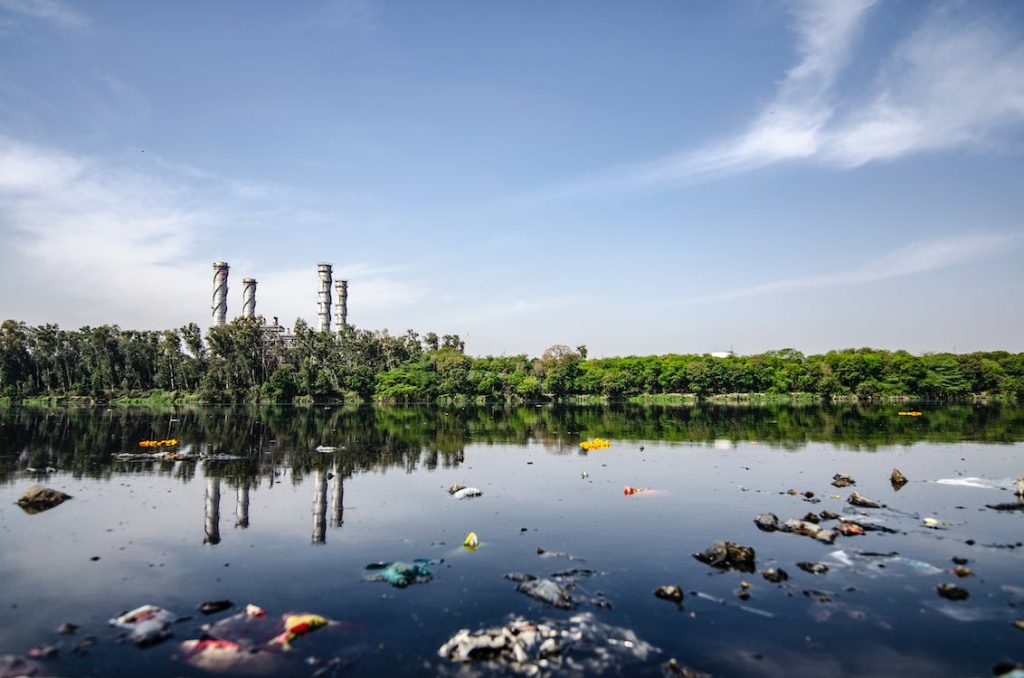
Green Business Practices
Many businesses are adopting green practices to reduce their environmental footprint. These practices include:
- Using eco-friendly materials
- Implementing recycling programs
- Reducing waste production
- Using renewable energy sources
For example, some companies use biodegradable packaging. This helps in minimizing waste. Others invest in energy-efficient technologies. This reduces their carbon emissions.
CSR Initiatives
Corporate Social Responsibility (CSR) initiatives focus on community welfare and environmental protection. Companies in Bangladesh are launching various CSR programs:
| Company | CSR Initiative |
|---|---|
| Company A | Tree-planting campaigns |
| Company B | Waste management projects |
| Company C | Environmental education programs |
These initiatives aim to improve local ecosystems and raise awareness about land pollution. CSR programs also include clean-up drives. These efforts help in cleaning local areas and promote community engagement.
Companies are also partnering with NGOs and government bodies. These partnerships enhance the effectiveness of their initiatives. They also help in pooling resources and expertise.
Educational Campaigns
Educational campaigns are essential in the fight against land pollution in Bangladesh. By raising awareness and educating the population, these campaigns can inspire action and foster sustainable practices.
School Programs
Implementing school programs is a great way to educate young minds. Schools can introduce subjects about the environment and land pollution. Teachers can organize workshops and activities that demonstrate the effects of pollution.
- Interactive lessons on waste management
- Field trips to recycling plants
- Projects on sustainable practices
These initiatives can help students develop a sense of responsibility towards the environment. Eco-clubs can also be established to promote green activities among students.
Public Awareness
Public awareness campaigns are crucial to reach a wider audience. These campaigns can be conducted through various media channels. This includes television, radio, and social media.
- Broadcasting informative programs about land pollution
- Creating social media challenges to promote clean environments
- Distributing pamphlets and posters in public places
Local community centers can host workshops and seminars. These events can educate residents on proper waste disposal and recycling techniques.
| Channel | Activities |
|---|---|
| Television | Broadcasting informative programs |
| Social Media | Creating challenges |
| Community Centers | Workshops and seminars |
Educational campaigns can make a significant impact. By informing both students and the public, we can work together to combat land pollution in Bangladesh.
International Collaborations
Bangladesh faces severe land pollution challenges. International collaborations play a crucial role in addressing these issues. By working together, countries can share knowledge, resources, and technologies to combat land pollution effectively.
Global Partnerships
Global partnerships help Bangladesh gain access to advanced technologies. These technologies assist in waste management and pollution control. Partnering with countries like Japan and Germany provides valuable insights. They have developed effective systems to manage waste.
Organizations like the United Nations Environment Programme (UNEP) and World Bank also play a pivotal role. They provide technical assistance and guidance. This helps Bangladesh implement sustainable practices.
Funding Opportunities
Securing funds is essential for combating land pollution. International collaborations open doors to various funding opportunities. Grants and loans from international organizations can help finance projects.
Here are some key funding sources:
- Green Climate Fund (GCF): Provides financial resources for climate-resilient projects.
- Global Environment Facility (GEF): Offers grants for environmental projects.
- World Bank: Provides loans for sustainable development initiatives.
These funds can be used for:
- Building waste treatment plants.
- Implementing recycling programs.
- Educating communities on sustainable practices.
By leveraging these funding opportunities, Bangladesh can make significant progress in reducing land pollution.
Role Of NGOs
Non-Governmental Organizations (NGOs) play a crucial role in combating land pollution in Bangladesh. They work tirelessly to implement innovative solutions and sustainable practices. Their efforts are essential in creating awareness and driving community projects that address this pressing issue.
Awareness Drives
NGOs conduct awareness drives to educate the public about the dangers of land pollution. They use various methods to reach different audiences. These methods include:
- Workshops
- Seminars
- School programs
- Media campaigns
Through these activities, people learn about the impact of land pollution on health and the environment. NGOs also distribute educational materials like brochures and posters. These materials contain tips on reducing waste and recycling.
Community Projects
NGOs initiate community projects to tackle land pollution locally. They involve community members in these projects to ensure participation and ownership. Some examples of community projects are:
- Tree plantation drives
- Community clean-up events
- Setting up recycling centers
- Composting workshops
These projects help in creating cleaner and greener neighborhoods. They also promote sustainable practices among the community members. By participating in these projects, people feel empowered to make a difference in their environment.
| Project | Objective | Outcome |
|---|---|---|
| Tree Plantation | Increase green cover | Reduced soil erosion |
| Community Clean-up | Remove waste | Cleaner surroundings |
| Recycling Centers | Manage waste | Less landfill waste |
| Composting Workshops | Promote composting | Less organic waste |
NGOs continue to innovate and find new ways to combat land pollution. Their efforts are vital in ensuring a sustainable future for Bangladesh.
Case Studies
Bangladesh faces significant challenges with land pollution. Innovative solutions and sustainable practices are crucial. Let’s explore some successful case studies. These examples demonstrate effective strategies in combatting land pollution.
Successful Models
Several projects in Bangladesh have shown promising results. For instance, the Dhaka Waste Management Project implemented a comprehensive recycling program. The city reduced landfill waste by 30%. This project also created jobs and promoted community involvement.
Another remarkable example is the Rural Composting Initiative. Villages turned organic waste into compost. This reduced the amount of waste going to landfills. It also provided farmers with high-quality fertilizer.
Lessons Learned
From these models, several key lessons emerged. First, community engagement is essential. Projects involving locals tend to succeed more.
Second, sustainable practices like recycling and composting can significantly reduce waste. They also offer economic benefits.
Lastly, government support plays a crucial role. Policies that encourage waste reduction and recycling are vital.
| Project | Key Success | Lessons Learned |
|---|---|---|
| Dhaka Waste Management | 30% waste reduction | Community engagement |
| Rural Composting Initiative | High-quality fertilizer | Sustainable practices |
Challenges In Implementation
Combatting land pollution in Bangladesh faces several challenges. These obstacles hinder the successful implementation of innovative solutions and sustainable practices. Let’s explore some of the key challenges.
Financial Constraints
Financial constraints pose a major challenge in tackling land pollution. Many innovative solutions require significant funding. These include high-tech waste management systems and modern recycling plants.
The government often lacks the necessary budget. This limits the scope of large-scale projects. Private sector investment is also limited due to economic uncertainties.
Here is a breakdown of the financial challenges:
| Challenge | Impact |
|---|---|
| Lack of government funding | Delays in project initiation |
| Limited private investment | Reduced scale of projects |
| Economic uncertainties | Investment risks |
Cultural Barriers
Cultural barriers significantly affect the implementation of sustainable practices. Many people have traditional views on waste disposal. Changing these habits is challenging.
Educational programs are essential but often underfunded. This leads to a lack of awareness and participation. Community involvement is crucial for success.
Key cultural barriers include:
- Lack of awareness about modern waste management
- Resistance to changing traditional practices
- Limited community engagement
Promoting sustainable practices requires overcoming these cultural barriers. Education and community involvement are key.
Future Directions
Bangladesh is committed to combatting land pollution with innovative solutions. This section explores future directions, focusing on long-term goals and groundbreaking ideas. These initiatives aim to create a sustainable and clean environment for future generations.
Long-term Goals
- Reduce Waste Generation: Encourage recycling and composting to minimize waste.
- Promote Sustainable Agriculture: Use organic farming methods to protect soil health.
- Strengthen Waste Management Systems: Develop efficient waste collection and disposal systems.
- Raise Public Awareness: Educate communities about the impact of land pollution.
- Implement Strict Regulations: Enforce laws to prevent illegal dumping and pollution.
Innovative Ideas
Several innovative ideas can help address land pollution in Bangladesh.
| Solution | Description |
|---|---|
| Biodegradable Packaging | Use packaging that decomposes naturally, reducing waste. |
| Waste-to-Energy Plants | Convert waste into energy, reducing landfill use. |
| Urban Green Spaces | Create parks and gardens to absorb pollutants. |
| Eco-Friendly Products | Promote products made from recycled materials. |
| Smart Waste Bins | Use technology to optimize waste collection routes. |
Incorporating these long-term goals and innovative ideas can help Bangladesh tackle land pollution effectively. By taking these steps, the country can achieve a cleaner, healthier environment for all its residents.
:max_bytes(150000):strip_icc()/green_tech.asp-final-ee05c6f7c21049238f5cc85c0d85ee4d.png)
Credit: www.investopedia.com
Frequently Asked Questions
What Is Bangladesh Doing To Reduce Pollution?
Bangladesh is implementing stricter regulations to control industrial emissions. The government promotes renewable energy and sustainable practices. Initiatives include reforestation projects and improving waste management systems.
What Is The Best Solution For Land Pollution?
The best solution for land pollution is waste reduction and proper recycling. Promote sustainable farming and reduce plastic use. Implement strict regulations and clean-up initiatives.
What Are The Sustainable Solutions For Pollution?
Sustainable solutions for pollution include using renewable energy, promoting public transportation, recycling waste, reducing plastic use, and planting trees. These actions help minimize environmental impact and improve air and water quality. Adopting sustainable practices in daily life can significantly reduce pollution levels.
What Are The Solutions To Climate Change In Bangladesh?
Bangladesh can address climate change through reforestation, renewable energy adoption, improved waste management, and climate-resilient infrastructure. Promoting sustainable agriculture and raising public awareness are also essential.
What Causes Land Pollution In Bangladesh?
Land pollution in Bangladesh is caused by industrial waste, agricultural chemicals, deforestation, and improper waste disposal.
Conclusion
Combatting land pollution in Bangladesh requires innovative solutions and sustainable practices. Adopting eco-friendly methods can significantly reduce pollution. Community involvement and government policies play a crucial role. Together, we can protect our environment and ensure a healthier future for all.
Let’s act now to make a lasting impact.