Prevention from Suicide, Addiction, Narcotics and Pollution. Withdrawal and Recovery Facts of Narcotics | Symptoms of Suicidal thoughts & Ideations | Effects of Environment Pollution | Understand Addiction withdrawal
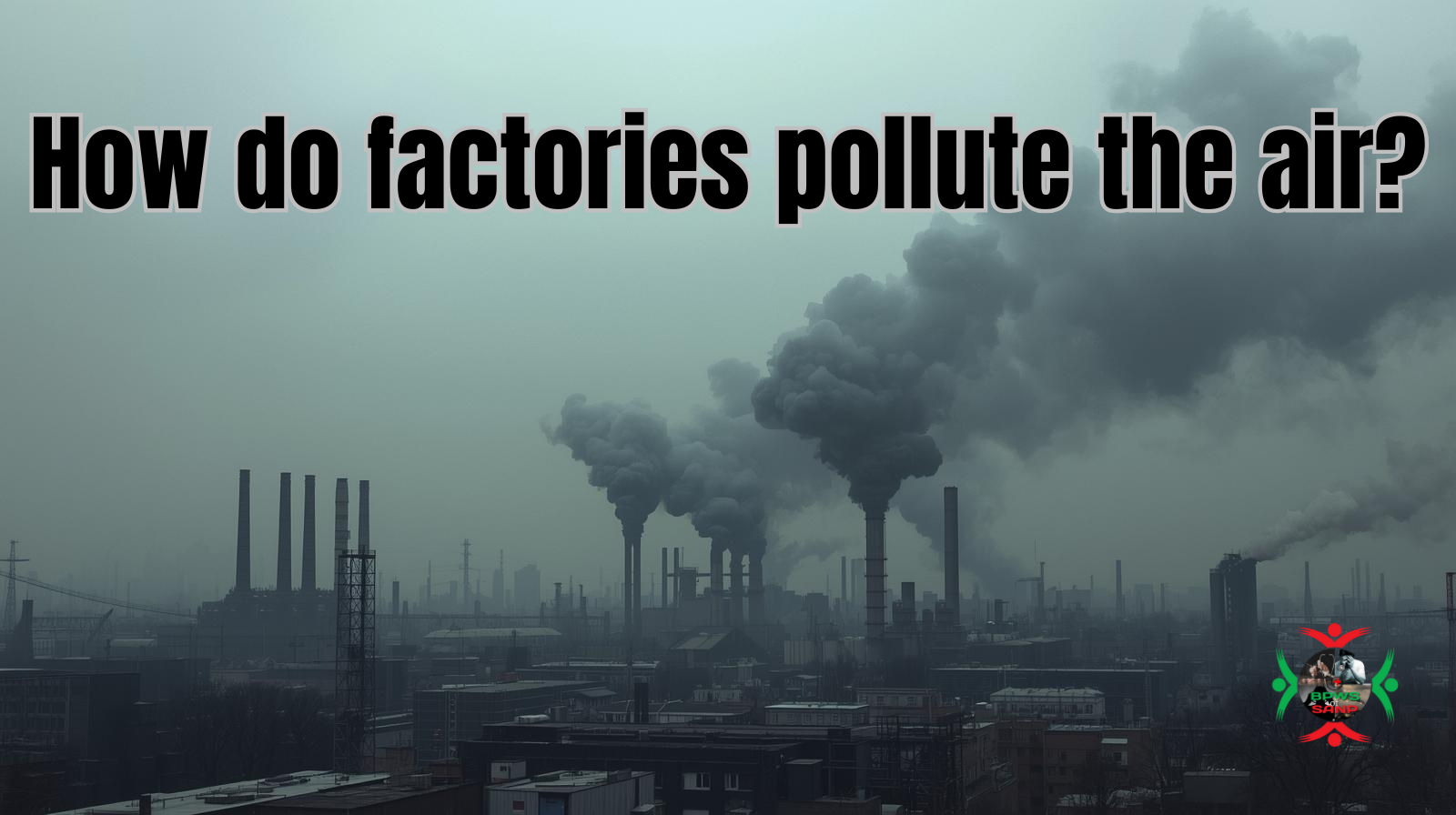 How Do Factories Pollute the Air? The Hidden Cost of Production
We live in an era defined by industrial convenience. From the cars we drive to the smartphones in our pockets, nearly every tangible item in our lives originated on a factory floor. This industrial prowess has undeniably raised living standards globally, but it comes at a steep environmental price. While smokestacks billowing thick gray clouds are a visual cliché, the reality of factory pollution is far more complex and pervasive.
Industrial activities remain a leading contributor to global air pollution. This isn’t just about hazy skylines; it’s about the silent accumulation of microscopic toxins in the air we breathe. Understanding exactly how factories pollute is the first step toward mitigating the damage. It involves unpacking the chemical cocktails released during production, the specific processes that generate them, and the ripple effects these emissions have on public health and the planet.
The Chemical Cocktail: Sources of Factory Pollution
When we talk about “pollution,” it often sounds like a single, monolithic problem. In reality, industrial emissions are a diverse mix of gases and particles, each with unique properties and dangers. Factories release a wide array of harmful substances, but four main categories stand out.
Particulate Matter (PM)
Particulate matter refers to a mixture of solid particles and liquid droplets found in the air. Some, like dust, dirt, soot, or smoke, are large or dark enough to be seen with the naked eye. Others are so small they can only be detected using an electron microscope. Factories that burn fossil fuels or engage in activities like crushing and grinding raw materials are major sources of PM. These particles are particularly dangerous because they can penetrate deep into the lungs and even enter the bloodstream.
Sulfur Dioxide (SO2)
This colorless gas with a pungent odor is produced primarily by the burning of fossil fuels (coal and oil) and the smelting of mineral ores containing sulfur. Power plants and industrial facilities are the largest sources of SO2 emissions. Once in the atmosphere, sulfur dioxide can react with other compounds to form harmful particles and contributes significantly to acid rain.
Nitrogen Oxides (NOx)
Nitrogen oxides are a group of highly reactive gases. These gases form when fuel is burned at high temperatures, common in industrial boilers and furnaces. NOx is a primary ingredient in the formation of ground-level ozone (smog) and, like SO2, plays a major role in the creation of acid rain. It also contributes to nutrient pollution in coastal waters.
Carbon Monoxide (CO)
Most people associate carbon monoxide with car exhaust, but industrial processes are also significant contributors. CO is a colorless, odorless gas released when something is burned. In factories, it is often a byproduct of incomplete combustion in boilers and incinerators. High levels of CO are dangerous because the gas reduces the amount of oxygen that can be transported in the blood stream to critical organs like the heart and brain.
The Mechanics of Pollution: Industrial Processes
Pollution doesn’t just “happen”; it is the byproduct of specific mechanical and chemical processes used to transform raw materials into finished goods.
Combustion is the most common culprit. Whether generating electricity to run machinery or creating heat for chemical reactions, burning coal, oil, or natural gas releases massive amounts of CO2, nitrogen oxides, and particulates.
Chemical Reactions used in manufacturing plastics, pharmaceuticals, and textiles often release Volatile Organic Compounds (VOCs). These compounds easily become vapors or gases and can have long-term health effects. For instance, the production of paint or cleaning agents releases solvents that contribute to ozone formation.
Smelting and Refining metal ores is another high-impact process. To extract metals like copper or lead from rock, facilities must heat the ore to extreme temperatures. This releases heavy metals into the air, including lead, arsenic, and mercury, which are highly toxic even in small quantities.
The Human Cost: Health Impacts of Industrial Air
The particles and gases emitted by factories do not stay contained within industrial zones. They drift into neighborhoods, schools, and city centers, posing severe health risks.
Respiratory issues are the most immediate consequence. Exposure to particulate matter and ground-level ozone can irritate the airways, aggravate asthma, and reduce lung function. Long-term exposure is linked to the development of chronic bronchitis and emphysema.
Beyond the lungs, the cardiovascular system takes a heavy hit. Studies have shown clear links between industrial air pollution and heart attacks, strokes, and irregular heart rhythms. The ultra-fine particles from factory emissions can inflame blood vessels, leading to systemic health failures.
Perhaps most concerning are the carcinogenic effects. Certain industrial pollutants, such as benzene and formaldehyde, are known human carcinogens. Communities living in close proximity to industrial complexes often report higher incidences of specific cancers, a phenomenon sometimes referred to as “cancer clusters.”
Environmental Ripple Effects
The environment bears the brunt of industrial emissions alongside humanity. The damage is often cyclical, creating feedback loops that worsen the initial problem.
Acid Rain is a direct result of sulfur dioxide and nitrogen oxides reacting with water, oxygen, and other chemicals in the atmosphere. This acidic precipitation leaches aluminum from the soil, which can be harmful to plants and animals. It also acidifies lakes and streams, making the water toxic to crayfish, clams, fish, and other aquatic animals.
Ozone Depletion and Climate Change are longer-term consequences. While stratospheric ozone protects us from the sun, ground-level ozone (created by industrial NOx and VOCs) traps heat. Furthermore, the massive CO2 emissions from factories are a primary driver of global warming, leading to more extreme weather patterns that can, ironically, disrupt the very supply chains these factories rely on.
Bioaccumulation occurs when toxins like mercury settle into water bodies. These toxins are absorbed by algae, eaten by small fish, then larger fish, and finally by humans or birds. At each step of the food chain, the concentration of the toxin increases, leading to severe neurological damage in top predators.
Turning the Tide: Regulations and Technological Solutions
The situation is serious, but not hopeless. A combination of strict governance and human ingenuity offers a path toward cleaner production.
Governments worldwide use legislation like the Clean Air Act (USA) or the Industrial Emissions Directive (EU) to set limits on how much pollution a facility can release. These regulations require factories to obtain permits, monitor their emissions, and pay heavy fines for violations.
Technology is catching up to regulation. Scrubbers and filters are now standard in many modern facilities. Electrostatic precipitators, for example, use static electricity to pull dust and smoke particles out of the air before they leave smokestacks. Flue-gas desulfurization (FGD) systems can remove up to 95% of the sulfur dioxide from emissions.
Furthermore, the shift toward Green Chemistry aims to redesign products and processes to minimize the generation of hazardous substances. This might involve using water-based solvents instead of toxic chemicals or engineering production lines that recycle waste heat back into the system.
Case Studies: Innovation in Action
It isn’t just theory; factories are proving that profitability and sustainability can coexist.
Interface, a global commercial flooring company, embarked on “Mission Zero,” a commitment to eliminate any negative impact the company has on the environment. Through redesigning their manufacturing processes to reduce waste and switching to renewable energy, they have drastically cut their greenhouse gas emissions while maintaining market leadership.
In the steel industry, SSAB in Sweden is pioneering “fossil-free steel.” Traditional steelmaking relies heavily on coal-fired blast furnaces. SSAB is developing a process called HYBRIT, which replaces coking coal with hydrogen and fossil-free electricity. The byproduct of this process is water, not carbon dioxide. While still in development, it represents a potential revolution for one of the world’s most polluting industries.
Breathing Easier in the Future
Factory pollution is a formidable adversary, deeply entrenched in our global economy. However, characterizing it as an unavoidable cost of doing business is an outdated mindset. Through understanding the specific pollutants—from particulate matter to nitrogen oxides—and the processes that create them, we can better advocate for change.
The transition to cleaner manufacturing is already underway, driven by stringent regulations and breakthrough technologies. By supporting companies that prioritize green manufacturing and demanding stricter environmental oversight, we can ensure that the air we breathe is not the price we pay for the products we use.