Prevention from Suicide, Addiction, Narcotics and Pollution. Withdrawal and Recovery Facts of Narcotics | Symptoms of Suicidal thoughts & Ideations | Effects of Environment Pollution | Understand Addiction withdrawal
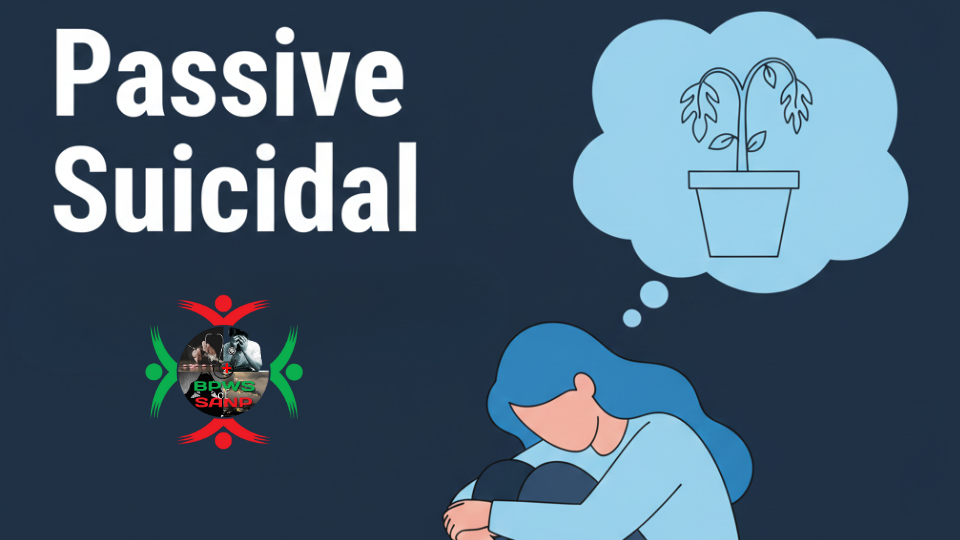
Understanding Passive Suicidal Ideation
It’s a common misconception that suicidal thoughts always involve a clear plan to end one’s life. However, many people experience a different, more ambiguous form of distress known as passive suicidal ideation. This involves a desire to die or a general wish to not exist, but without the active intent or plan to take one’s own life. For example, someone might think, “I wish I wouldn’t wake up tomorrow,” or “I hope I get into a fatal accident.”
Understanding passive suicidal ideation is the first step toward recognizing its seriousness and finding a path to healing. While distinct from active suicidal thoughts, it is a significant indicator of emotional pain and a critical signal to seek help. This post will explain what passive suicidal ideation is, its causes and signs, and how you or a loved one can find effective support.
What is Passive Suicidal Ideation?
Passive suicidal ideation is characterized by thoughts of death or a desire to die without a specific plan to carry it out. It’s often described as being a passenger to one’s own dark thoughts, rather than the driver. This contrasts with active suicidal ideation, which involves thinking about, planning, or intending to commit suicide.
While it may seem less urgent than active ideation, passive suicidal ideation is a serious mental health concern. These thoughts are a clear sign of deep emotional distress and can escalate to active suicidal thoughts if left unaddressed. Recognizing them as a valid and urgent cry for help is crucial for prevention and recovery.
Causes and Risk Factors
Passive suicidal thoughts don’t arise in a vacuum. They are often rooted in a combination of underlying mental health conditions, life stressors, and personal history.
Mental Health Conditions
Many mental health disorders can increase the risk of passive suicidal ideation. These include:
- Depression: Persistent feelings of sadness, hopelessness, and worthlessness are strongly linked to suicidal thoughts.
- Anxiety Disorders: Chronic worry and overwhelming stress can wear down a person’s resilience, making them feel like they can no longer cope.
- Bipolar Disorder: The intense emotional lows of depressive episodes can trigger thoughts of wanting to escape.
- Post-Traumatic Stress Disorder (PTSD): Lingering trauma can lead to feelings of despair and a desire to end the emotional pain.
Environmental Stressors
Difficult life circumstances can contribute significantly to passive suicidal thoughts. Chronic stress without adequate support can feel unbearable. Common stressors include:
- Financial problems or job loss
- Relationship conflicts or the loss of a loved one
- Chronic illness or persistent pain
- Social isolation and loneliness
Personal History
An individual’s past experiences can also play a role. A history of trauma, abuse, neglect, or previous suicide attempts in the family can increase vulnerability to suicidal thoughts later in life.
Recognizing the Signs of Passive Suicidal Ideation
The signs of passive suicidal ideation can be subtle, but knowing what to look for is vital for early intervention. These indicators can be emotional, behavioral, or cognitive.
Emotional and Cognitive Signs
- Expressing feelings of hopelessness, emptiness, or being a burden to others.
- Talking about feeling trapped or having no reason to live.
- Increased mood swings, irritability, or unexplained sadness.
- A preoccupation with death or dying.
- Loss of interest in activities or hobbies that were once enjoyed.
Behavioral Signs
- Withdrawing from friends, family, and social activities.
- Changes in sleep patterns, such as sleeping too much or too little.
- Increased use of alcohol or drugs as a coping mechanism.
- Neglecting personal hygiene and appearance.
- Giving away prized possessions or making final arrangements.
Coping Strategies and Seeking Help
If you are experiencing passive suicidal thoughts, please know that you are not alone and help is available. Recovery is possible, and taking the first step is a sign of immense strength.
Self-Help and Lifestyle Adjustments
While not a substitute for professional help, these strategies can help manage distressing thoughts:
- Mindfulness and Grounding: Practice grounding techniques to bring your focus to the present moment. Notice five things you can see, four you can touch, three you can hear, two you can smell, and one you can taste.
- Create a Safety Plan: Write down coping strategies, reasons for living, and contact information for supportive people and professionals. Keep it in an easily accessible place.
- Build a Support Network: Connect with trusted friends or family members. Talking about your feelings can reduce their power and make you feel less isolated.
- Prioritize Physical Health: Regular exercise, a balanced diet, and consistent sleep can have a significant positive impact on your mental well-being.
Seeking Professional Help
Reaching out for professional mental health support is a critical step toward recovery. A mental health provider can offer a safe space to explore your feelings and develop effective coping mechanisms.
- Therapy: Cognitive Behavioral Therapy (CBT) and Dialectical Behavior Therapy (DBT) are proven to be effective in treating suicidal ideation. They help you identify negative thought patterns and build skills for emotional regulation.
- Medication: In some cases, medication such as antidepressants may be prescribed to help manage the symptoms of an underlying mental health condition.
- Crisis Resources: If you are in immediate distress, do not hesitate to use crisis support services.
If you or someone you know needs support, please contact the National Suicide Prevention Lifeline at 988 or visit 988lifeline.org. You can also text HOME to 741741 to connect with the Crisis Text Line. These services are free, confidential, and available 24/7.
How to Support a Loved One
Discovering that someone you care about is having passive suicidal thoughts can be frightening. Your support can make a profound difference.
- Talk Openly and Without Judgment: Start a conversation by expressing your concern. Say something like, “I’ve noticed you seem down lately, and I’m worried about you. Are you thinking about death or dying?”
- Listen Actively: Let them share their feelings without interruption. Validate their pain by saying, “That sounds incredibly difficult. Thank you for telling me.”
- Encourage Professional Help: Help them find resources and offer to assist with making appointments or accompanying them to their first session.
- Set Healthy Boundaries: Supporting someone through a mental health crisis can be draining. Ensure you are also taking care of your own well-being and seeking support for yourself if needed.
There is Hope for Recovery
Passive suicidal ideation is a serious and painful experience, but it is not a final destination. It is a signal that something needs to change and that support is needed. By understanding the signs, exploring coping strategies, and reaching out for professional help, it is possible to navigate these dark thoughts and move toward a future filled with hope and purpose.
Remember, asking for help is an act of courage. Whether for yourself or a loved one, taking that step is the beginning of the journey toward healing.