Prevention from Suicide, Addiction, Narcotics and Pollution. Withdrawal and Recovery Facts of Narcotics | Symptoms of Suicidal thoughts & Ideations | Effects of Environment Pollution | Understand Addiction withdrawal

Pain Management and Narcotics: A Guide
Millions of individuals suffer from chronic pain that adversely affects their quality of life. Those in pain, of course, want relief. In their search, many are consulting with pain management doctors — specialists trained to diagnose and treat all types of pain. And in their arsenal of weapons, narcotics — strong painkilling drugs — can play a part.
This article examines the murky role of pain management doctors who prescribe narcotics. We will also discuss the ethical issues, potential harms from these medications, and other treatment options. A clear grasp of these issues is essential for patients who are trying to make informed choices about their health, and for appreciating the fine line that doctors must walk by providing relief without endangering the patient.
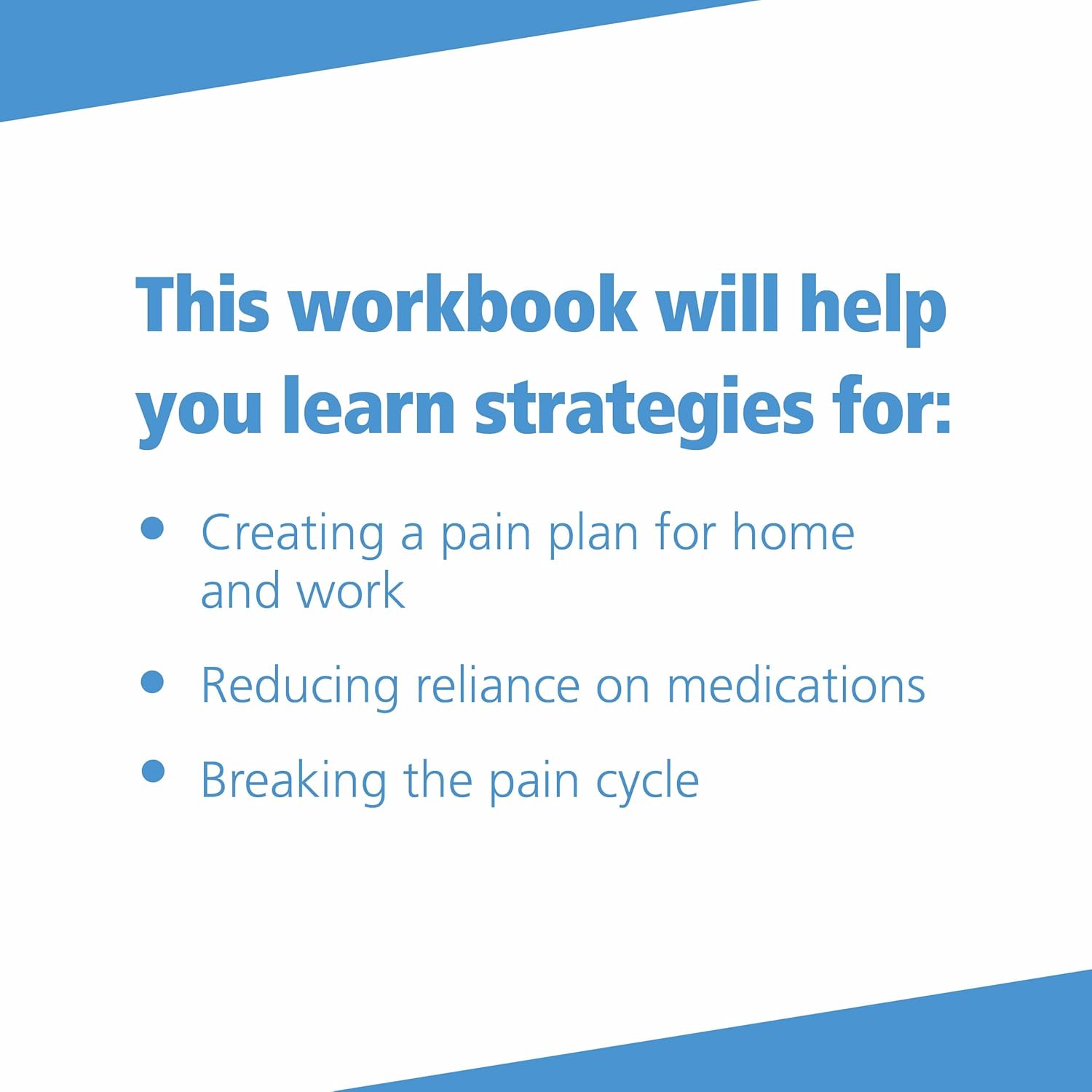
The Pain Management Workbook: Powerful CBT and Mindfulness Skills to Take Control of Pain and Reclaim Your Life
Change your brain, change your pain with this powerful, evidence-based workbook.
Chronic pain affects more than one hundred million Americans, yet it remains one of the most misunderstood health issues. Thankfully, new research supports an effective treatment model that addresses the biological, psychological, and social factors behind pain.
This groundbreaking workbook provides a comprehensive guide to this biopsychosocial approach. Inside, you’ll discover proven techniques based on cognitive-behavioral therapy (CBT), mindfulness, and neuroscience to help you manage pain and regain control over your life. You’ll learn how to develop a personalized pain management plan, reduce dependency on medications, and break free from the pain cycle.
The workbook also includes practical guidance on improving sleep, nutrition for pain reduction, returning to meaningful activities, and building habits that support long-term relief.
If you’re ready to reclaim your life from chronic pain, this workbook gives you the tools and direction to get started.
🔗 Product Link: Buy Now
What is Pain Management?
Pain medicine involves relieving pain and enhancing the life quality for people with chronic pain. Our pain management doctors take a multidisciplinary approach, utilizing medication, procedures, physical therapy and psychological support to build a dynamic treatment plan.
The category of drugs referred to as narcotics, or opioids, includes prescription medications such as oxycodone, hydrocodone and morphine. Opioids work by attaching to opioid receptors in the brain, spinal cord and other areas of the body, producing blocking pain signals. They are powerful, and the stronger ones are typically taken for moderate to severe pain –– like after surgery or for cancer-related pain. But their application in chronic non-cancer pain is a matter of hot debate and careful consideration.
Ethical Duties of Doctors Prescribing Narcotics
When pain management doctors write prescriptions for narcotics, they are working through an ethical minefield. Their paramount obligation is to relieve suffering, but they must also consider the old maxim: “First, do no harm.”
The Duty to Relieve Pain
Doctors have a duty to relieve pain. Untreated or under-treated pain can result in debilitating physical and emotional consequences, such as depression, anxiety, inability to perform daily life activities. In certain patients, it appears that opioids may be the only option to control very severe chronic pain.
The Duty to Prevent Harm
Physicians also must have a high awareness of the potential damaging effects of narcotics.” They can be highly addictive and can easily be taken in excessive amounts. Irresponsible use of medications can destroy lives for patients, their families and the community. This double responsibility itself presents a major ethical conflict, demanding that doctors evaluate both carefully in the case of each individual patient.
Risks and Side Effects of Narcotic Use
Narcotics do work with pain, but they come with all kinds of risks and side effects. Patients must be informed about this before the treatment starts.
Common Side Effects
Even when taken as prescribed, narcotics can cause several side effects, including:
- Drowsiness and sedation
- Nausea and vomiting
- Constipation
- Confusion or “mental fog”
- Slowed breathing
Long-Term Risks
With long-term use, the risks become more serious.
- Tolerance: The body needs more of the drug to get the same amount of pain relief over time.
- Habit/Physical Dependence: Habit or psychological dependence occurs when a person becomes accustomed to the drug, while physical dependence occurs when an individual’s body adapts to the presence of the drug and removal leads to withdrawal symptoms such as muscle pain, anxiety, insomnia.
- Addiction (Opioid Use Disorder): It is a chronic disease involving the loss of control over drug use despite adverse consequences. It is a neurological brain disorder that can happen to anyone.
- Overdose: Overuse of narcotics can shut down breathing until death. The overall risk for overdose also drastically escalates when narcotics are combined with other drugs or alcohol or benzodiazepines.
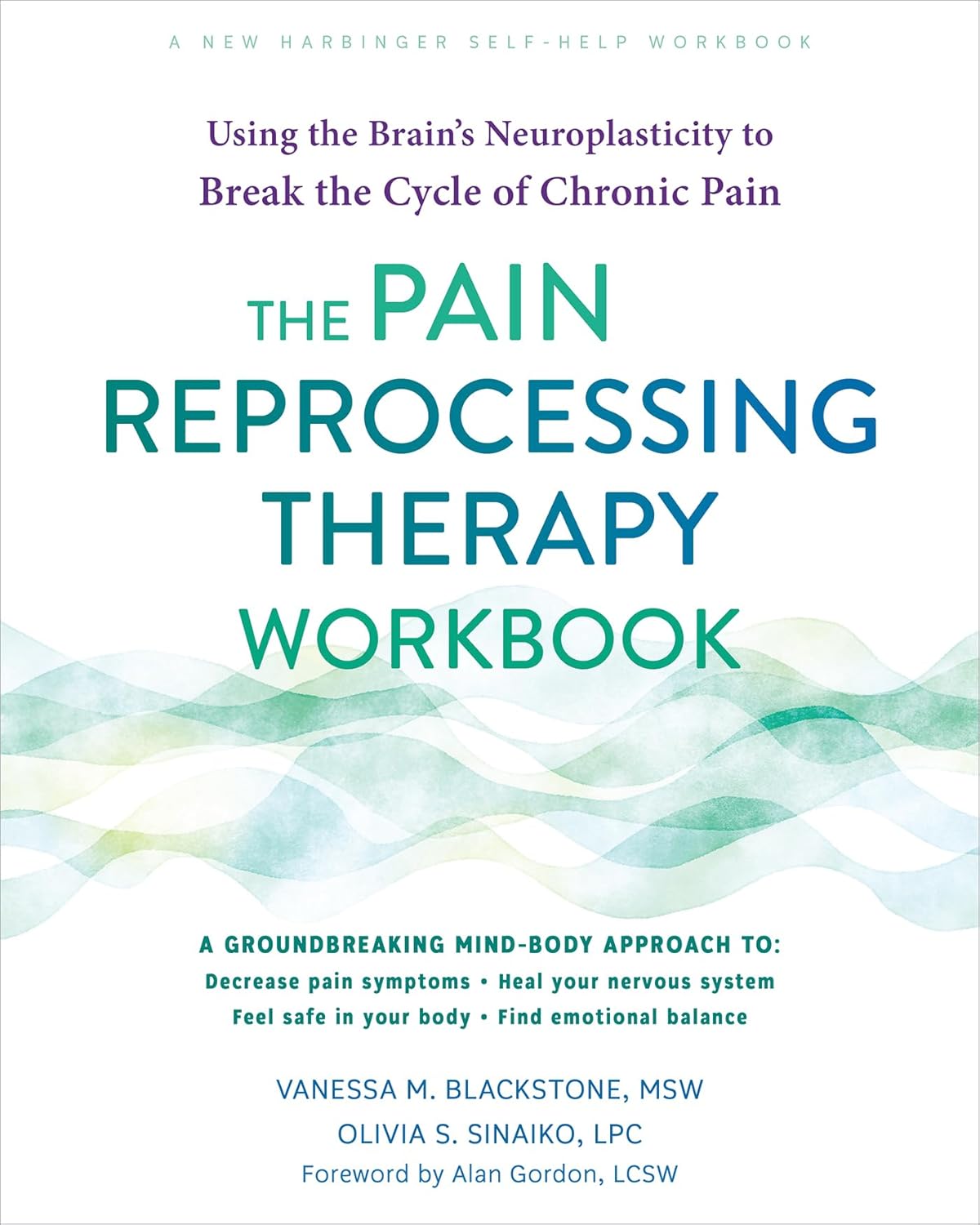
The Pain Reprocessing Therapy Workbook: Using the Brain’s Neuroplasticity to Break the Cycle of Chronic Pain
Break free from chronic pain and reclaim your life with this powerful, evidence-based workbook.
If you suffer from back, knee, or neck pain, migraines, arthritis, fibromyalgia, or any chronic discomfort, you know how discouraging it can be to search for relief and come up empty-handed. Traditional approaches often fall short, leaving you stuck in a cycle of pain that affects your quality of life.
This workbook introduces Pain Reprocessing Therapy (PRT) a cutting-edge, evidence-based method that retrains your brain to interpret sensory signals correctly, breaking the relentless pain cycle. Through clear, step-by-step guidance, you’ll:
-
Understand how pain works and the crucial connection between pain and fear.
-
Learn practical, in-the-moment strategies to manage triggers and reduce discomfort.
-
Harness the brain’s natural neuroplasticity to retrain your nervous system for lasting relief.
If chronic pain has left you frustrated, anxious, or stigmatized, this friendly, science-backed workbook provides a clear path toward comfort, empowerment, and peace of mind. Take control today and start your journey toward a pain-free life.
🔗 Product Link: Buy Now
Alternatives to Narcotics for Pain Management
Because of the dangers or risk involved with narcotics, pain doctors try to look at other options if available. Non-Opiate Alternatives A full pain management strategy will usually include several non-opiate options.
Non-Opioid Medications
Here are several types of other medicines that can be used to treat pain:
- Nonsteroidal Anti-Inflammatory Drugs (NSAIDs): Nonprescription medicines such as ibuprofen and naproxen can help with mild to moderate pain and inflammation.
- Antidepressants: Certain antidepressants, like tricyclics and SNRIs, are known to help with chronic neuropathic pain.
- Anti-Seizure Drugs: These, such as gabapentin or pregabalin, tend to work for nerve pain.
Interventional Procedures
Pain management doctors can perform minimally invasive procedures to target the source of pain directly.
- Blocks on like Nerve Blocks: An injection of local anesthetic that numbs a single nerve or group of nerves.
- Epidural Steroid Injections: These injections, which frequently are used to address back and leg pain, involve the use of a steroid that reduces inflammation in the spinal region.
- Radiofrequency Ablation: This utilises heat to eliminate nervous tissue, which disrupts pain signals.
Physical and Complementary Therapies
A holistic approach is often the most effective.
- Physical Therapy: Strengthening muscles, increasing flexibility and correcting posture often can make a difference in pain levels and function.
- Cognitive-Behavioral Therapy (CBT): A type of therapy that teaches patients to modify their thoughts and behaviors regarding pain, leading to healthier coping strategies.
- Acupuncture, Massage and Chiropractic Care: Some people find relief through these complementary therapies, which can manipulate muscles into relaxation and correct alignment.
Guidelines for Responsible Narcotic Prescribing
Amid the opioid epidemic, the federal and state governments as well as medical associations have implemented tight controls on narcotic prescriptions. These are rules to help pain-dr doctors with their narcotic prescribing.
Key components of these guidelines often include:
- Thorough Patient Assessment: You can’t have satisfied any of these conditions for the drug to be on the market, or to arm doctors who write Rxs Patients must be evaluated: Prescribing physicians are required to give patients a thorough going-over before ever putting them on a dangerous pill.
- Informed Consent: Patients should be informed regarding risk, benefits and available alternatives to narcotic therapy and complete a treatment agreement.
- Prescription Drug Monitoring Programs (PDMPs): Frequently, doctors must consult these state-run databases to see a patient’s prescription history and prevent “doctor shopping.”
- Frequent Monitoring: Patients receiving chronic narcotic therapy should be assessed regularly with office visits and urine testing to ensure appropriate use of the medication and evaluate for complications.
- Exit Strategy: Have a stated plan for weaning off narcotics early.
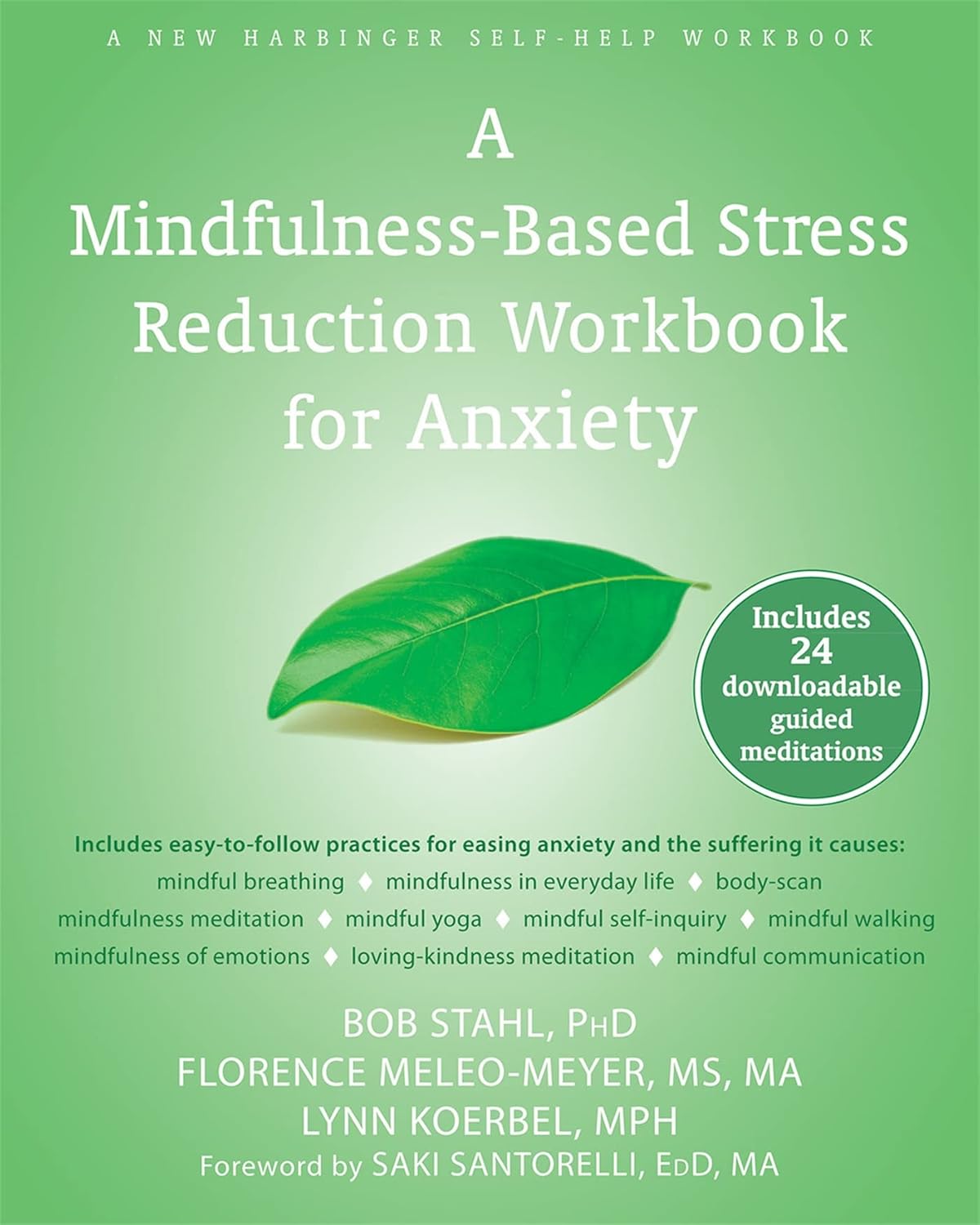
A Mindfulness-Based Stress Reduction Workbook for Anxiety
Everyday situations like driving, attending a party where you don’t know anyone, or even going to the grocery store can feel overwhelming when you struggle with anxiety or panic attacks. Avoiding these situations might seem easier, but it often leads to isolation, loneliness, and unfulfilled living. Avoidance alone cannot help you overcome anxiety it can even make it worse.
This workbook offers a path to take control of your anxiety once and for all. Drawing on mindfulness-based stress reduction (MBSR) techniques developed by Jon Kabat-Zinn, three MBSR experts guide you through practical mindfulness exercises and meditations designed to calm your mind, recognize common anxiety triggers, and live more fully in the present.
MBSR combines mindfulness meditation and yoga in an evidence-based approach proven effective for a wide range of chronic disorders and emotional challenges. Through these practices, you’ll learn to deepen your awareness of the connection between your mind and body, identify toxic thought patterns, and move beyond behaviors that fuel anxiety.
Take the first step toward managing fear, worry, and panic with this empowering, step-by-step workbook. Reclaim your calm, confidence, and peace of mind.
🔗 Product Link: Buy Now
Balancing Pain Relief and Patient Safety
A pain doctor’s job is to achieve the best response between alleviating a person’s pain and guarding them against harm. It demands an individualised, patient-focused approach.
For certain people with severe, disabling pain that is not easing with other treatments, narcotics can be a lifeline. In these instances, a good pain management doctor will prescribe them as part of a larger treatment plan that incorporates close monitoring and is geared towards increasing physical function and making life more bearable.
The end game, after all, is not to relieve pain but to restore patients to greater activity. By melding evidence-based medicine with compassionate care, pain management practitioners strive to strike the right balance and make sure each patient gets exactly what’s best for them: the treatment that is both safest and most effective for their unique case.