Prevention from Suicide, Addiction, Narcotics and Pollution. Withdrawal and Recovery Facts of Narcotics | Symptoms of Suicidal thoughts & Ideations | Effects of Environment Pollution | Understand Addiction withdrawal
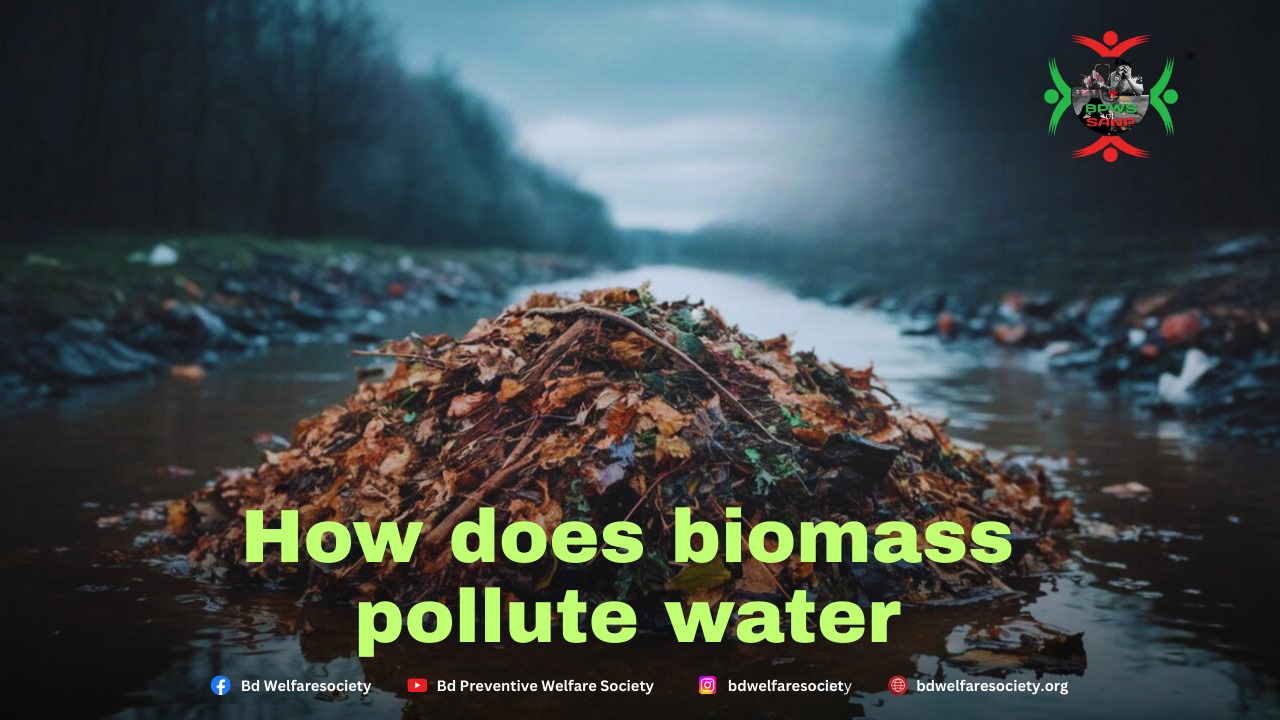 Biomass — widely praised as a sustainable and renewable energy source — is a major global player in the transition toward less planet-threatening energy sources. Biomass energy reduces reliance on fossil fuels and does so by utilizing organic materials like crop residues, wood, animal waste, and even algae. But like many sources of energy, it’s not cost-free in terms of the environment. The water pollution potential associated with biomass energy production is one of the major concerns associated with this type of energy.
In this article, we will discuss how biomass pollutes water, looking specifically at what you use to produce biomass, the types of pollutants generated by biomass production, their effects on aquatic ecosystems, and what we can do to mitigate it. Such dynamics provide us with a basis to consider the place of biomass among sustainable energy sources.
What is Biomass Energy?
So before you dig into the hows and whys, it’s important to understand a little more about what biomass energy actually means. Burning or processing organic materials to create heat, electricity, or biofuels such as ethanol and biodiesel creates biomass energy. Common feedstock used for biomass includes wood, agricultural residues, energy crops (such as switch grass or sugarcane), and animal manure.
Biomass energy is generally perceived as carbon-neutral because the amount of carbon dioxide released during combustion is approximately equivalent to the amount of carbon absorbed by the biomass during its growing phase. This balance, however, ignores other potentially damaging environmental impacts in the hunt for balance, including water pollution.
How Energy Production Biomass Contributes to Water Pollution
Biomass production has multiple stages, and each stage has the potential for water pollution. These stages involve the cultivation and harvesting of feedstocks, processing and conversion of biomass into energy, and the disposal of waste byproducts. Below, we guide through each phase and its relationship to water pollution.
1. Contaminated water of the agriculture practices
Agrofuels: Much of the biomass used for energy, including corn for ethanol or oilseed crops for biodiesel, is produced by agriculture. However, growing these crops comes at the risk of serious water pollution. Here’s how:
Fertilizer Pollution: Farmers widely apply synthetic fertilizers to increase crop yields. These fertilizers are high in nitrogen and phosphorus, which rain or irrigation can wash away and flow into nearby waterways. As a result, a phenomenon known as eutrophication occurs, where the surplus nutrients encourage the profusion of algae. Algal blooms reduce oxygen levels in the water, leading to “dead zones” where aquatic life cannot live.
Pesticide Contamination To protect energy crops from pests and diseases, chemical pesticides are used by farmers. These chemicals frequently enter rivers, lakes and ground water, potentially killing aquatic organisms and contaminating sources of drinking water.
Sediment Runoff: Growing biomass crops may aggravate soil erosion if sustainable agricultural practices are not employed (e.g., crop rotation or cover cropping). During heavy rainfall, this eroded soil, enriched with chemicals and nutrients, is washed into water bodies, leading to turbid water and destroying aquatic habitats.
Irrigation Drainage: The moisture in the atmosphere increases due to the growth of a water-intensive biomass crop such as corn and sugarcane in its dormant state. Over-irrigation not only taps out local water supplies, but also generates runoff that transports salts, nutrients and pollutants into adjacent waterways.
2. Pollution of Water Bodies during Biomass Processing and Conversion
Once harvested, biomass needs to be processed and converted to become a usable energy resource. These industrial processes also threaten water quality.
Leachate from Biomass Storage: Feedstock materials e.g. wood chips, crop residues or animal waste are often held in stockpiles prior to processing. Rainwater or surface water that comes in contact with these storage piles can produce leachate, a contaminated liquid that can infiltrate groundwater or coursing into rivers. These leachates often contain organic components, biogenic materials, and in some cases toxic components.
Industrial Effluents from Processing Facilities: Converting raw biomass into biofuel or biogas involves chemical and thermal processes. Ethanol production uses fermentation while biodiesel production uses transesterification. These processes produce liquid waste streams comprising byproducts such as acids, solvents, and organic compounds, which have the potential to contaminate local water bodies if not adequately treated prior to discharge.
Thermal Pollution: Many biomass energy plants need to consume water for cooling and steam generation. When this hot water is released into rivers or lakes, it increases the temperature of that body of water, which is called thermal pollution. Warmer water contains less oxygen and throws off the natural temperature equilibrium necessary for aquatic ecosystems to flourish.
3. Contamination of Water From Waste Byproducts
But large-scale biomass facilities, like any factory, produce a lot of waste, some of which can seep into water systems.
Bio Mass Combustion Ash: Biomass combustion produces ash that can contain heavy metals, unburned carbon, and other toxic substances. If this ash is not properly disposed of, rain can wash these contaminants into rivers and streams, degrading water quality.
Anaerobic Digestion Residues: Organic waste is often processed in anaerobic digesters to produce biogas, such as manure or food scraps. Digestate is a putative fertilizer, but inappropriate application or storage can lead to nutrient runoff and water pollution.
Spills and leaks: Transporting and storing liquid biomass fuels such as ethanol or biodiesel poses a separate risk. Accidental spills or leaks can contaminate surface and groundwater, especially since some of these fuels are extremely soluble and difficult to remove after release into an aquatic system.
Biomass activities and the pollutants they emit
There are various types of pollutants driven by biomass energy production that will impact water pollution because have their own characteristics. These include:
- Nutrients (nitrogen and phosphorus): These nutrients lead to eutrophication and algal blooms resulting from fertilizer runoff.
- Chemical Pollution: Pesticides and harmful industrial chemicals from biomass facilities can be toxic to aquatic life.
- Heavy metals: Ash from biomass can seep into waterways through metals such as arsenic, lead, and mercury.
- Organic matter: When bacteria in water decompose leachate from biomass storage or waste, its organic compounds consume its available oxygen.
- Thermal load: Heated water released from energy plants affects the natural temperature of aquatic systems, influencing species that require certain temperature ranges.
Biomass Pollution and its Effects on Water Ecosystems
Water pollution as a result of biomass energy production has dire consequences for aquatic ecosystems and human communities. These impacts include:
1. Harm to Aquatic Life
Nutrient overloading, thermal pollution and chemical contamination adversely affect the balance of aquatic ecosystems. Nutrient runoff can also engender algal blooms that block sunlight, deplete oxygen and kill fish or shellfish. Heavy metals and pesticides are deadly to aquatic organisms, building up in their bodies and making their way through the food chain.
2. Deluded Contamination of Drinking Water
Pollutants such as nitrates from fertilizers or toxic chemicals from biomass facilities can seep into the groundwater or reservoirs, creating health dangers for humans. Nitrate contamination, for example, is associated with serious health problems such as “blue baby syndrome,” which lowers blood oxygen levels in infants and is considered fatal in more minor forms especially in susceptible individuals.
3. Economic Implications
Water pollution can bring heavy economic impacts, particularly in communities reliant on fishing, aquaculture or tourism. Polluted waters can cause fish kills, shellfish bans and damaged ecosystems that draw fewer tourists, costing them money.
Strategies to Avoid Water Pollution from Biomass
Biomass energy production can threaten water quality, but proper planning and management can mitigate its environmental footprint. Here are some of the best ways to mitigate:
1. US Environmental Protection Agency (EPA)
- This allows far more efficient application of fertilizers and pesticides, and less run off.
- Use buffer zones of vegetation along the waterways to catch both sediment and nutrients.
- Encourage measures like drip irrigation that are water-intensive to reduce drainage into the water bodies.
- Promote growing agent to perception none human food finite byproducts like switchgrass or miscanthus, non before few chemical comes input and as the smaller invading ecosystems.
2. Enhance Waste Management
- Find ways to treat and safely dispose of ash, digestate, and other byproducts of biomass production.
- What they are: Build impermeable storage pads to avoid creation of leachate due to rainwater.
- Install advanced wastewater treatment plants in biomass processing plants to prevent any pollutants from leaking.
3. Adopt Advanced Technologies
- Use cleaner biomass processing methods that produce less liquid pollutants.
- Eliminate thermal pollution from power plants with closed-loop cooling systems.
- Explore waste-to-energy systems that are efficient in recovery and have minimal waste.
4. Policy and Regulation
Create stricter environmental regulations to prevent runoff, industrial effluents, and byproduct disposal. They can also encourage sustainable farming practices, support investments for water pollution monitoring and research on eco-friendly biomass production methods.
Towards Sustainable Biomass Solutions
How does biomass pollute water energy is a beneficial renewable resource, but the possibility of water pollution should be something to consider carefully. We can still enjoy the benefits of biomass without compromising our water resources; with recognising the risks, following best practices and enforcing regulations.
Solutions that balance economic growth and environmental and societal health delineate the future of energy. Biomass can be an essential part of this mix, but only if its production methods are designed to protect the planet’s most critical resources.
Frequently Asked Questions:
1. Biomass production and its contribution to water pollution
Method of obtaining biomass may affect water quality through agricultural practices to grow energy crops. Excess fertilizers and pesticides used in agricultural fields often get washed away into water bodies, resulting in problems like nutrient loading and chemical poisoning. Also,the irrigation drainage and soil erosion occurred during the crop cultivation can bring the pollutants, sediment and salts into rivers, lakes, and groundwater.
2. What are the key pollutants released during biomass energy production?
The major pollutants from biomass production include nutrients (nitrogen and phosphorus from fertilizers), chemical residues (pesticides, industrial effluents), heavy metals (biomass ash), organic matter (storage leachate), and heat (thermal pollution). These contaminants affect water quality and form threats to aquatic ecosystems.
3. What is the impact of biomass energy on the aquatic ecosystems?
Water pollution from biomass or biofuel can have significant effects on aquatic ecosystems, including reduced oxygen levels, changed water temperatures, and the entry of toxic substances. For instance, nutrient runoff leads to algal blooms that block sunlight and decrease the oxygen that fish and other organisms need to breathe. Chemicals and heavy metals are toxic for aquatic life and accumulate in the food chain, damaging biodiversity and ecosystem health.
4. How to minimize water pollution from biomass?
Mitigation responses can include things like sustainable agricultural practices: precision practices to reduce fertilizer and pesticide runoff, buffer zones to filter pollutants from water, and efficient irrigation systems. Treating wastewater, managing byproducts safely and using advanced technology such as closed-loop cooling systems, at processing facilities reduces the risk of contamination to nearby waterways. Strict regulations and policies may also contribute to minimizing the environmental impact of biomass.