Prevention from Suicide, Addiction, Narcotics and Pollution. Withdrawal and Recovery Facts of Narcotics | Symptoms of Suicidal thoughts & Ideations | Effects of Environment Pollution | Understand Addiction withdrawal
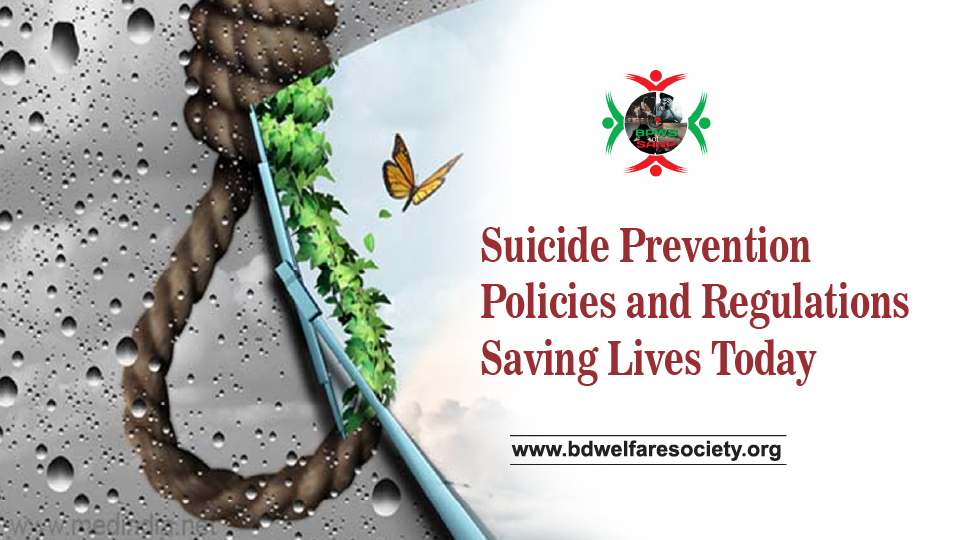
Suicide prevention policies and regulations aim to reduce suicide rates and provide support for those at risk. These measures include public awareness campaigns, crisis intervention services, and mental health education.
Effective suicide prevention policies and regulations are crucial for saving lives and promoting mental well-being. Governments and organizations implement various strategies to address this pressing issue. Public awareness campaigns educate communities about the signs of suicidal behavior and encourage those in crisis to seek help.
Crisis intervention services offer immediate support through hotlines and counseling. Schools and workplaces often include mental health education to foster a supportive environment. By integrating these approaches, societies can create a comprehensive network of care, significantly reducing the risk of suicide and improving overall mental health.
Introduction To Suicide Prevention
Suicide prevention policies and regulations is a critical issue affecting millions worldwide. Effective prevention is crucial. Addressing this problem requires comprehensive policies and regulations. These initiatives aim to reduce the incidence of suicide. Understanding their importance and current statistics is essential.
The Importance Of Addressing Suicide
Suicide prevention policies and regulations impacts families, communities, and societies. It leads to emotional and financial burdens. Prevention policies help save lives and reduce suffering. They provide support to those in need. Educating the public about mental health is vital. Awareness campaigns can change perceptions and reduce stigma. Implementing these policies ensures timely interventions. It helps in providing resources for mental health care. Support systems are essential for individuals at risk. Effective policies promote better mental health services.
Current Global Statistics
Suicide prevention policies and regulations rates vary across countries. Global statistics highlight the severity of the issue. According to the WHO, over 700,000 people die by suicide each year. It is the fourth leading cause of death among 15-29 year-olds. These numbers emphasize the need for effective prevention strategies.
| Region | Annual Suicide Rate (per 100,000) |
|---|---|
| Africa | 11.6 |
| Americas | 9.4 |
| South-East Asia | 13.3 |
| Europe | 12.0 |
| Western Pacific | 10.2 |
Efforts to reduce these rates are ongoing. Policy changes and improved healthcare access are key. Community support and mental health education play significant roles. Continuous monitoring and data collection are necessary for effective interventions.

Credit: northdakotamonitor.com
Government Policies
Government policies play a crucial role in suicide prevention. They provide frameworks and resources for communities. Effective policies can save lives by addressing key risk factors.
National Strategies
Many countries have national strategies for suicide prevention. These strategies often include:
- Raising awareness
- Improving mental health services
- Training healthcare professionals
- Limiting access to means of suicide
For example, the United States has the National Strategy for Suicide Prevention. This strategy focuses on public health approaches. It aims to reduce the suicide rate by providing better support and resources. Australia’s Living Is For Everyone (LIFE) Framework is another example. It emphasizes partnerships across different sectors. These sectors include health, education, and community services.
Local Initiatives
Local initiatives complement national strategies. They address specific community needs. Local governments often take the following actions:
- Setting up crisis intervention teams
- Offering community-based mental health services
- Running awareness campaigns
- Providing school-based education programs
For instance, many cities have crisis intervention teams that work with local police. These teams help manage mental health crises. Schools often run educational programs about mental health and suicide prevention. Local nonprofits also play a vital role. They often partner with government agencies. These partnerships enhance the reach and impact of local initiatives.
Mental Health Regulations
Mental health regulations are crucial in preventing suicides. They ensure that people get the help they need. Good policies save lives. This section covers key areas of mental health regulations.
Access To Care
Access to care is vital for mental health support. Everyone should have access to mental health services.
- Availability: Services should be available in all areas.
- Affordability: Services should be affordable for everyone.
- Accessibility: Services should be easy to reach.
Governments must ensure that care is accessible. This includes funding services and training professionals.
Mental Health Parity
Mental health parity means treating mental health the same as physical health.
- Insurance Coverage: Insurance must cover mental health equally.
- Equal Treatment: Mental and physical health treatments must be equal.
- Policy Enforcement: Governments must enforce parity laws.
Parity helps people get the mental health care they need. It ensures fair treatment in the healthcare system.
| Key Area | Description |
|---|---|
| Access to Care | Making mental health services available, affordable, and accessible. |
| Mental Health Parity | Ensuring mental health is treated the same as physical health. |
Effective mental health regulations protect people. They provide the support needed to prevent suicides.
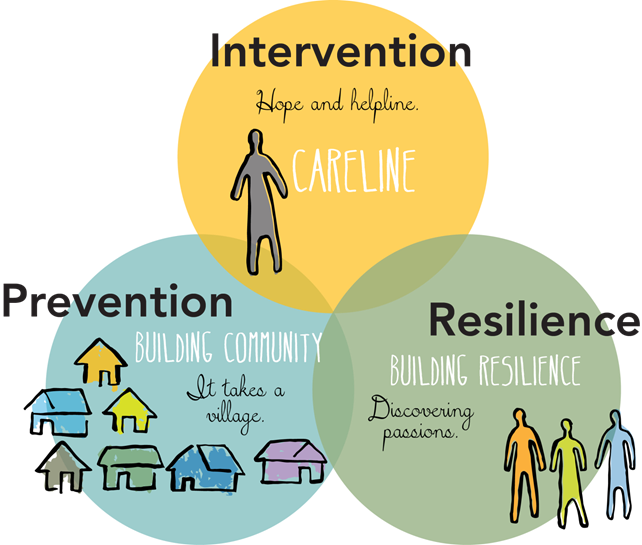
Credit: health.alaska.gov
Community-based Programs
Community-based programs play a crucial role in suicide prevention. These programs are designed to support individuals through local resources. They create a network of care that is accessible and inclusive. Below, we explore the impact of grassroots organizations and community outreach in preventing suicide.
Grassroots Organizations
Grassroots organizations are essential in suicide prevention. These groups are often founded by community members who have a deep understanding of local needs. They provide tailored support and resources to those at risk.
- Offer peer support and counseling
- Create awareness campaigns
- Organize community events to foster connection
These organizations often rely on volunteers. Their approach is personal and empathetic. This creates a sense of belonging and trust within the community.
Community Outreach
Community outreach programs aim to reach individuals who may not seek help on their own. These initiatives are proactive and inclusive. They focus on educating the public and reducing stigma around mental health.
| Outreach Activities | Impact |
|---|---|
| Workshops and seminars | Increase awareness and education |
| Public service announcements | Reach a broader audience |
| Support hotlines | Provide immediate assistance |
Community outreach programs often collaborate with schools, workplaces, and religious institutions. This ensures that support is available where people spend most of their time. By normalizing conversations about mental health, these programs reduce the fear of seeking help.
School And University Initiatives
Schools and universities play a crucial role in suicide prevention. They provide essential resources and support systems for students. These initiatives can save lives and create a healthier environment.
Educational Programs
Educational programs teach students about mental health. They help students recognize signs of distress in themselves and others. These programs often include workshops and seminars. Interactive activities make learning engaging and memorable.
| Program | Description |
|---|---|
| Workshops | Interactive sessions focusing on mental health awareness. |
| Seminars | Expert-led discussions on identifying and managing stress. |
| Peer Support | Training students to support each other emotionally. |
Counseling Services
Counseling services provide one-on-one support for students in need. Professional counselors offer guidance and coping strategies. Schools often have on-site counselors available during school hours. Universities may offer extended hours to accommodate diverse schedules.
- One-on-one counseling sessions
- Group therapy options
- 24/7 mental health hotlines
- Online counseling platforms
These services are confidential and free for students. They ensure that every student has access to mental health care. Creating a safe space for students is a top priority.
Credit: www.lancsd.org
Workplace Policies
Workplace policies play a crucial role in suicide prevention. They provide the framework for a supportive and understanding work environment. These policies ensure that employees have access to the resources they need during difficult times. By implementing comprehensive policies, companies can create a safer and more supportive workplace.
Employee Assistance Programs
Employee Assistance Programs (EAPs) are essential in supporting mental health at work. These programs offer confidential counseling and support services. EAPs help employees manage personal and work-related issues. Some key features of EAPs include:
- 24/7 access to counseling services
- Support for a wide range of issues, from stress to addiction
- Resources for mental health and wellness
Companies with EAPs show they care about employee well-being. This can lead to a more positive work environment.
Mental Health Days
Mental health days are days off specifically for mental well-being. They allow employees to take a break and recharge. This can prevent burnout and reduce stress. Benefits of mental health days include:
- Improved overall mental health
- Increased productivity and focus
- Reduced absenteeism
Offering mental health days shows that a company values mental well-being. It encourages employees to prioritize their health. This can lead to a happier, healthier workforce.
| Policy | Benefits |
|---|---|
| Employee Assistance Programs (EAPs) | Confidential counseling, support for stress and addiction, wellness resources |
| Mental Health Days | Improved mental health, increased productivity, reduced absenteeism |
By implementing these workplace policies, companies can make a significant impact. They can support their employees’ mental health and well-being.
Crisis Intervention Services
Effective suicide prevention requires robust crisis intervention services. These services offer immediate help to individuals in distress. They play a crucial role in saving lives and providing support during crises. Below, we explore various components of crisis intervention services.
Hotlines And Helplines
Hotlines and helplines are essential for immediate support. They provide 24/7 access to trained professionals who offer guidance and reassurance. These services are often free and confidential.
- National Suicide Prevention Lifeline
- Crisis Text Line
- Veterans Crisis Line
Hotlines use a simple and straightforward approach. Users can call or text for help anytime. They connect with someone who listens and offers support.
Mobile Crisis Units
Mobile crisis units are teams of mental health professionals. They provide on-site emergency services. These units travel to the individual in crisis. They offer immediate assessment and intervention. Mobile crisis units include:
- Psychiatrists
- Social workers
- Emergency medical technicians
These units help reduce the need for hospital visits. They provide care in a familiar environment. This approach ensures timely and effective support. https://www.bdwelfaresociety.org/role-of-social-media-in-suicide-prevention/
Role Of Technology
Technology has revolutionized suicide prevention. It offers tools that save lives. From telehealth services to specialized apps, technology bridges gaps in mental health care.
Telehealth Services
Telehealth services have made mental health care more accessible. People can now get help from the comfort of their homes. This reduces the stigma around seeking help. Online therapy sessions are more flexible and convenient. They allow for easier scheduling, making it simpler to get help quickly.
- Video calls with therapists
- Text-based counseling
- 24/7 access to mental health professionals
These services can be especially beneficial for people in remote areas. They might not have access to traditional mental health services.
Suicide Prevention Apps
Suicide prevention apps offer immediate support. They are available at any time, day or night. These apps provide resources and tools to users in crisis. Most apps include features like:
- Hotline numbers for immediate help
- Self-assessment tools to gauge mental health
- Relaxation techniques to manage stress
Some popular apps include:
| App Name | Features |
|---|---|
| BetterHelp | Online therapy, messaging, video calls |
| Calm Harm | Techniques to manage self-harm urges |
| 7 Cups | Anonymous chat with trained listeners |
These apps empower users to take control of their mental health. They provide essential support when it is needed most.
Public Awareness Campaigns
Public awareness campaigns play a key role in suicide prevention. These campaigns educate people about the signs of suicide. They provide information on how to help someone in crisis. Awareness campaigns aim to reduce stigma and promote mental health.
Media Involvement
Media can greatly influence public perception. Positive media coverage of mental health reduces stigma. Media can share stories of hope and recovery. This encourages people to seek help. Reporting guidelines help media cover suicide responsibly. They avoid sensationalizing or romanticizing suicide. This reduces the risk of copycat suicides.
| Type of Media | Role in Suicide Prevention |
|---|---|
| Television | Broadcasts awareness campaigns and educational programs. |
| Radio | Air public service announcements and expert interviews. |
| Print Media | Publishes articles and personal stories of recovery. |
| Online Media | Spreads information quickly through news websites and blogs. |
Social Media Impact
Social media can spread awareness rapidly. It reaches a wide audience in seconds. Campaigns use hashtags to unite people. They create online communities for support. Influencers and celebrities can amplify messages. Their followers trust their advice. This increases the reach of suicide prevention messages.
- Hashtags: Create visibility for campaigns.
- Online Communities: Provide support and share resources.
- Influencers: Amplify messages and encourage help-seeking.
Social media platforms also offer tools for crisis intervention. Users can report suicidal content. Platforms provide resources and contact information for help.
Future Directions
Suicide prevention policies and regulations are evolving. Policymakers and mental health experts are exploring new avenues. This section delves into the future directions of these initiatives.
Innovative Approaches
Innovative approaches are crucial for effective suicide prevention. One such approach is the use of technology. Mobile apps and online platforms can offer immediate help. These tools can provide resources and connect users with counselors. Another promising method is community-based programs. These involve training community leaders and members. They can recognize signs of distress and offer support. Such programs build a strong support network at the grassroots level. Schools and workplaces are also key areas. Implementing mental health education and support services in these settings can make a significant impact. These initiatives can teach coping mechanisms and reduce stigma. https://www.bdwelfaresociety.org/role-of-educational-institutions-in-suicide-prevention/
Policy Recommendations
Effective policies are the backbone of suicide prevention. Policymakers should focus on several key areas. First, there should be increased funding for mental health services. This ensures that help is accessible to everyone. Another important step is the integration of mental health services into primary healthcare. This makes it easier for individuals to seek help without feeling stigmatized. Policies should also focus on restricting access to means of suicide. This includes measures like safe storage of firearms and prescription medications. These steps can significantly reduce the risk of impulsive acts. Lastly, there should be a focus on data collection and research. Understanding the factors contributing to suicide can help in crafting effective interventions.
| Innovative Approaches | Policy Recommendations |
|---|---|
| Use of technology | Increased funding |
| Community-based programs | Integration into primary healthcare |
| Mental health education | Restricting access to means |
| Data collection and research |
Frequently Asked Questions
What Are Suicide Prevention Policies?
Suicide prevention policies are strategies aimed at reducing the risk of suicide through intervention and support.
Why Are Regulations Important For Suicide Prevention?
Regulations ensure consistent implementation of preventative measures, providing a framework for support and intervention.
How Do Schools Implement Suicide Prevention?
Schools implement suicide prevention through training, awareness programs, and support services for students at risk.
What Role Do Healthcare Providers Play?
Healthcare providers identify at-risk individuals and provide treatment and support to prevent suicide.
Are There National Suicide Prevention Strategies?
Yes, many countries have national strategies to coordinate efforts and resources for suicide prevention.
How Does Social Media Influence Suicide Prevention?
Social media can raise awareness, provide support networks, and offer resources for those in need.
What Are The Key Components Of Effective Policies?
Effective policies include education, support services, and crisis intervention strategies.
How Can Workplaces Contribute To Suicide Prevention?
Workplaces can offer mental health resources, training, and support systems for employees.
What Is The Role Of Legislation?
Legislation mandates the implementation of suicide prevention measures and allocates resources.
How Can Communities Support Suicide Prevention?
Communities can support by organizing awareness campaigns, providing resources, and fostering a supportive environment.
Conclusion
Effective suicide prevention policies and regulations save lives. Strong support systems and community awareness are essential. Everyone can contribute to creating a safer environment. Prioritize mental health and advocate for necessary changes. Together, we can make a difference in preventing suicides and fostering hope.