Prevention from Suicide, Addiction, Narcotics and Pollution. Withdrawal and Recovery Facts of Narcotics | Symptoms of Suicidal thoughts & Ideations | Effects of Environment Pollution | Understand Addiction withdrawal
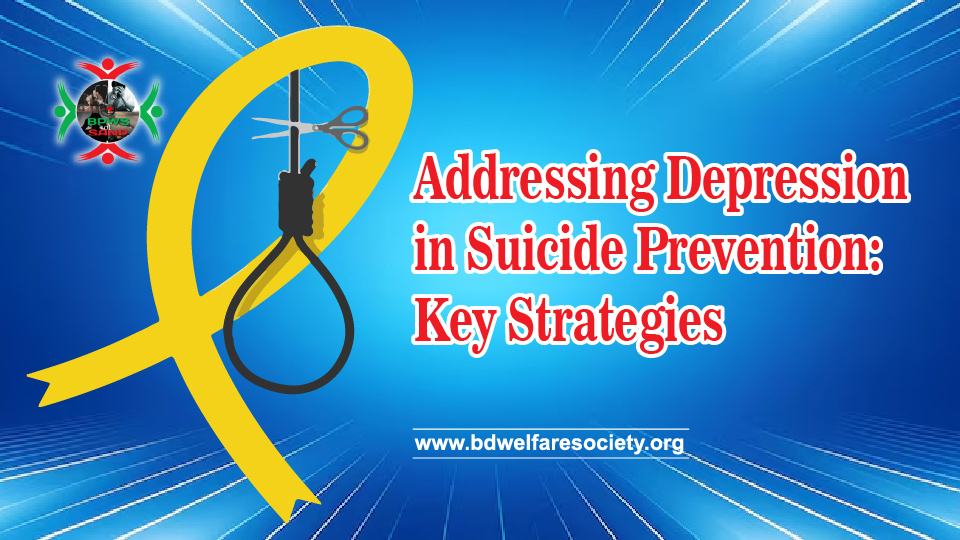
Addressing depression is crucial in suicide prevention. Effective treatment and support can save lives and improve mental health.
Depression is a leading cause of addressing depression in suicide prevention, affecting millions globally. Early intervention can make a significant difference in outcomes. Understanding the signs and symptoms is vital for timely help. Support from family, friends, and mental health professionals plays a key role.
Treatment options include therapy, medication, and lifestyle changes. Encouraging open conversations about mental health reduces stigma. Community programs and educational campaigns raise awareness. Accessible mental health resources are essential. Proactive measures create supportive environments. Everyone can contribute to a culture of care and understanding. Addressing depression head-on is a collective responsibility.
Recognizing Symptoms
People may feel sad or empty. Hopelessness is common. Many feel worthless. Guilt can overwhelm. Irritability and anger often show up. Loss of interest in activities is a red flag. Fatigue is a major sign. Changes in sleep patterns occur. Some people oversleep, while others can’t sleep. Appetite changes. Weight gain or loss might happen. Aches and pains without a clear cause are common. Digestive issues can also appear. People may withdraw from friends and family. Neglecting responsibilities is a sign. Risky behaviors might increase. Substance abuse can start or worsen. Giving away possessions is a serious signal. Talking about death or suicide needs immediate attention. https://www.bdwelfaresociety.org/role-of-educational-institutions-in-suicide-prevention/
Building Support Systems
Family and friends play a crucial role. They provide emotional support and understanding. Regular check-ins help in monitoring mental health. Creating a safe environment encourages open communication. Listening without judgment builds trust. Encouraging professional help is vital. Community resources offer various forms of help. Access to counselors and therapists is essential. Local clinics and hospitals provide immediate assistance.
Online resources can be useful too. Schools and workplaces often have support programs. Utilizing these resources can make a difference. Support groups offer a sense of belonging. Sharing experiences with others reduces feelings of isolation. Many find comfort in group settings. These groups often have trained facilitators. Both online and in-person options are available. Finding the right group can be beneficial.
Therapeutic Approaches
Cognitive Behavioral Therapy (CBT) helps people change their negative thought patterns. It involves working with a therapist. People learn to manage their feelings and actions. CBT is effective for treating depression. It can reduce the risk of suicide. Therapists teach coping skills. These skills help people handle stress and difficult emotions. Dialectical Behavior Therapy (DBT) focuses on emotional regulation. It combines behavioral and cognitive techniques. DBT teaches mindfulness.
People learn to accept their feelings without judgment. It helps reduce self-harm and suicidal behaviors. Therapists work in group and individual sessions. The approach is structured and supportive. Medication management involves the use of drugs to treat depression. Psychiatrists prescribe antidepressants. These medications can balance brain chemicals. Regular follow-up is essential. Patients need to discuss side effects. Medication alone may not be enough. Combined with therapy, it can be more effective. Always consult a healthcare professional.
Creating Safety Plans
Recognizing triggers helps in managing depression. Common triggers include stress, loneliness, and certain places. Noticing these triggers early can prevent a crisis. Keeping a journal can help track these patterns. Having a list of emergency contacts is crucial. This list should include family members, friends, and professionals. Ensure these contacts are easily accessible. Save their numbers in your phone and write them down too. Creating a safe environment is vital. Remove or secure dangerous items like medications, sharp objects, and firearms. Arrange your living space to feel calm and welcoming. Add comforting items like soft blankets and soothing music.
Promoting Mental Health Education
Awareness campaigns help people understand depression. These campaigns use social media, posters, and public talks. They aim to reduce stigma. People learn how to support friends and family. Knowing the signs of depression can save lives. Sharing personal stories can inspire others to seek help. Schools can teach students about mental health. Lessons can include recognizing signs of depression.
Students can learn coping skills. Peer support groups can be formed. Teachers can receive training on mental health. Safe spaces can be created for students to talk. Workplaces can offer mental health resources. Counseling services can be available. Workshops on stress management can help. Employees can take mental health days. Creating a supportive environment is crucial. Managers can be trained to recognize mental health issues.

Credit: integralcare.org
Encouraging Open Communication
Talking about depression can be hard. Many people feel shame or fear. It is important to remind them that depression is a real illness. No one should feel alone. Support from friends and family can make a big difference. Listening without judgment is very helpful. Let the person talk about their feelings. Do not interrupt.
Show them that you care. Nodding and eye contact are good ways to show you are listening. This helps them feel heard and valued. Empathy means trying to understand how someone else feels. Say things like, “I am here for you” or “Your feelings matter.” Offer help without being pushy. Ask, “How can I support you?” Small gestures like a hug or a kind word can mean a lot.
Utilizing Technology
Many mental health apps help people track their moods. These apps offer guided meditations and breathing exercises. They provide tools to manage stress and anxiety. Some apps even connect users with mental health professionals. These resources can be lifesavers for people in distress. Online counseling offers a safe space for individuals. People can talk to therapists from their homes.
This can be very comforting. Online therapy is often more affordable than in-person sessions. It also removes the need for travel. This makes it easier for people to seek help. Crisis hotlines are available 24/7. They offer immediate support to people in crisis. Trained professionals answer these calls. They provide a listening ear and practical advice. Many hotlines also offer text and chat options. This can be helpful for people who find talking difficult.
Monitoring And Follow-up
Regular check-ins help people feel supported. A simple call or visit can make a big difference. It shows you care about their well-being. Make sure to ask how they are feeling. Listen to them without judging. This helps build trust and comfort. Be consistent with your check-ins. Consistency makes them feel secure. Treatment plans should be flexible. People’s needs change over time. Adjusting the plan shows you are attentive. It can include changing medications or therapies. Always discuss changes with a doctor.
This ensures the best care for the person. Review the plan regularly. This helps keep it effective. Long-term support is crucial. Depression can last a long time. Be there for them even after they seem better. Encourage healthy habits like exercise and good sleep. Help them build a strong support network. This can include family and friends. Remind them to seek professional help if needed. Your support can make a lasting impact. https://www.bdwelfaresociety.org/role-of-social-media-in-suicide-prevention/
Frequently Asked Questions
What Are The Signs Of Depression?
Signs of depression include persistent sadness, loss of interest, fatigue, and changes in sleep or appetite. Early recognition is key to prevention.
How Can Depression Lead To Suicide?
Depression can lead to feelings of hopelessness and worthlessness. These feelings can contribute to suicidal thoughts or actions.
What Treatments Are Available For Depression?
Treatments for depression include therapy, medication, and lifestyle changes. Seeking professional help is crucial for effective management.
Can Lifestyle Changes Help Manage Depression?
Yes, lifestyle changes like regular exercise, a healthy diet, and sufficient sleep can significantly improve depression symptoms.
Conclusion
Prioritizing mental health is crucial for addressing depression in suicide prevention. Understanding depression can save lives. Support systems and open conversations make a big difference. Let’s work together to create a safer environment. Seek help and offer support to those in need. Together, we can address depression and reduce the risk of suicide.