Prevention from Suicide, Addiction, Narcotics and Pollution. Withdrawal and Recovery Facts of Narcotics | Symptoms of Suicidal thoughts & Ideations | Effects of Environment Pollution | Understand Addiction withdrawal
Youth suicide rates have been rising globally, posing a significant public health concern. Addressing this issue requires urgent and comprehensive interventions.
Youth suicide is a growing crisis worldwide, affecting families and communities deeply. Mental health challenges, societal pressures, and lack of adequate support are key contributing factors. Early intervention and open communication are essential in prevention efforts. Educational programs and accessible mental health services can provide necessary support for at-risk youth.
Parents, educators, and policymakers must collaborate to create a supportive environment. Empowering young individuals with coping strategies and resilience-building techniques can make a significant difference. Reducing stigma associated with mental health issues also plays a crucial role. By taking these steps, we can work towards lowering youth suicide rates and fostering healthier futures.
Current Statistics Of Youth Suicide
Youth suicide rates are a pressing issue worldwide. Understanding the current statistics of youth suicide can help in developing effective prevention strategies. This section delves into global trends, regional variations, and identifies the countries with the highest youth suicide rates.
Global Trends
Globally, youth suicide rates have shown alarming trends over the past decade. Suicide is the second leading cause of death among 15-29-year-olds, according to the World Health Organization (WHO).
Key global statistics include:
- Approximately 800,000 people die by suicide every year, with many of these deaths occurring among young people.
- The global suicide rate is estimated at 10.5 per 100,000 individuals.
- Male youth are more likely to die by suicide compared to female youth.
- Mental health issues, bullying, and substance abuse are significant contributing factors.
These trends indicate a need for urgent action to address the mental health challenges faced by the youth.
Regional Variations
Youth suicide rates vary significantly across different regions. High-income countries tend to report higher suicide rates compared to low and middle-income countries. However, this does not mean that the issue is less severe in lower-income countries.
For instance:
- Europe has some of the highest youth suicide rates, particularly in Eastern Europe.
- Asia also reports high rates, with countries like Japan and South Korea being notable.
- Africa and Latin America have lower reported rates, but underreporting might be an issue.
A table showcasing regional variations can provide a clearer picture:
| Region | Suicide Rate (per 100,000) |
|---|---|
| Europe | 12.5 |
| Asia | 11.2 |
| Africa | 6.3 |
| Latin America | 5.8 |
Understanding these variations is crucial for tailoring prevention strategies to specific regions.

Credit: www.coloradokids.org
Which Country Has The Highest Youth Suicide Rate?
South Korea holds the unfortunate distinction of having the highest youth suicide rate. The suicide rate among South Korean youth is alarmingly high, driven by intense academic pressure, societal expectations, and mental health stigma.
Key factors contributing to this high rate include:
- High academic stress and competition
- Social isolation and family issues
- Stigma surrounding mental health
Efforts to address this issue in South Korea include:
- Increased mental health education in schools
- Government initiatives to reduce academic pressure
- Support networks for struggling youth
These steps are vital for reducing youth suicide rates in the country.
Where Are The Highest Suicide Rates In The World?
While South Korea has the highest youth suicide rate, other countries also report high overall suicide rates. Lithuania and Russia are notable for their high suicide rates across all age groups.
Key statistics for these countries include:
- Lithuania: Suicide rate of 26.1 per 100,000
- Russia: Suicide rate of 25.1 per 100,000
Factors contributing to high suicide rates in these countries include:
- Alcohol abuse
- Economic challenges
- Mental health issues
Both countries have initiated public health campaigns and mental health support programs to combat these high rates. Continuous efforts are required to bring down these alarming statistics.
Risk Factors
Understanding the risk factors behind youth suicide rates is essential. These risk factors can range from mental health issues to social influences, and they significantly impact the well-being of young individuals. Identifying and addressing these risk factors can help in preventing tragic outcomes and saving lives.
Mental Health Issues
Mental health issues are a leading risk factor for youth suicide. Depression, anxiety, and bipolar disorder are common among young people and can lead to suicidal thoughts. Early diagnosis and treatment are crucial.
Common mental health issues include:
- Depression: Persistent sadness and loss of interest in activities.
- Anxiety: Excessive worry and fear that interfere with daily activities.
- Bipolar Disorder: Extreme mood swings, including emotional highs and lows.
Early intervention and therapy can help manage these conditions. Schools and communities must provide mental health resources to support youth.
A table summarizing mental health issues and their symptoms:
| Mental Health Issue | Symptoms |
|---|---|
| Depression | Sadness, loss of interest, fatigue |
| Anxiety | Worry, fear, panic attacks |
| Bipolar Disorder | Mood swings, high energy, low energy |
Social Influences
Social influences play a significant role in youth suicide rates. Bullying, peer pressure, and social isolation can contribute to feelings of hopelessness.
Key social influences include:
- Bullying: Physical, verbal, or cyberbullying can lead to severe emotional distress.
- Peer Pressure: The need to fit in can push youth towards harmful behaviors.
- Social Isolation: Feeling alone or excluded from social groups.
Providing a supportive and inclusive environment can mitigate these risks. Schools should implement anti-bullying programs and promote inclusivity.
Statistics show that victims of bullying are more likely to consider suicide. Creating awareness and support systems are vital.
Youth Risk Factors
Various risk factors specifically affect youth. Family history of suicide, substance abuse, and access to lethal means are critical risk factors.
Key youth risk factors include:
- Family History of Suicide: A history of suicide in the family increases the risk.
- Substance Abuse: Alcohol and drug use can exacerbate mental health issues.
- Access to Lethal Means: Easy access to firearms or medication can lead to impulsive actions.
Parental involvement and monitoring can help reduce these risks. Educating parents and guardians about these factors is essential.
A table summarizing youth risk factors:
| Risk Factor | Impact |
|---|---|
| Family History of Suicide | Increased risk of suicidal thoughts |
| Substance Abuse | Worsens mental health issues |
| Access to Lethal Means | Higher likelihood of impulsive actions |
Adolescent Suicide
Adolescent suicide is a tragic outcome of various risk factors. Recognizing warning signs and providing timely support can prevent these tragedies.
Common warning signs include:
- Talking about wanting to die: Expressing a desire to end their life.
- Withdrawing from friends and family: Social withdrawal and isolation.
- Changes in behavior: Sudden changes in mood or behavior.
Supportive interventions include counseling, hotlines, and peer support groups. Schools and communities should provide access to these resources.
Statistics highlight the importance of intervention:
- Youth with access to mental health resources are less likely to attempt suicide.
- Peer support groups reduce feelings of isolation.
Early identification of risk factors and timely intervention can save lives. Creating a supportive environment is crucial for preventing adolescent suicide.
Youth Suicide: Facts, Signs And Risk Factors
Youth suicide rates are rising at an alarming rate. Understanding the facts, signs, and risk factors is crucial in preventing these tragedies. Early intervention can save lives. This section will explore the warning signs, risk factors, protective factors, and what parents need to know about teen suicide.
Warning Signs Of Teen Suicide
Recognizing the warning signs of teen suicide is vital. These signs can help parents, teachers, and friends take action before it’s too late. Here are some common warning signs:
- Talking about wanting to die or kill oneself
- Searching for ways to commit suicide
- Expressing feelings of hopelessness or having no reason to live
- Withdrawing from friends, family, and activities
- Showing extreme mood swings
- Increasing use of alcohol or drugs
If you notice any of these signs, it’s important to seek help immediately. Consult a mental health professional or contact a crisis hotline.
Teen Suicides: What Are The Risk Factors?
Several risk factors can increase the likelihood of teen suicide. These factors often overlap and compound the risk. Some key risk factors include:
- Mental health disorders such as depression, anxiety, and bipolar disorder
- Substance abuse issues
- History of trauma or abuse
- Family history of suicide
- Chronic illness or severe physical pain
- Bullying or cyberbullying
- Access to lethal means like firearms or medications
Understanding these risk factors can help in creating effective prevention strategies.
Risk Factors, Protective Factors, And Warning Signs
Balancing risk factors with protective factors is essential in preventing teen suicide. Protective factors reduce the likelihood of suicide and promote resilience. Here is a comparison:
| Risk Factors | Protective Factors |
|---|---|
| Mental health disorders | Strong family support |
| Substance abuse | Access to mental health care |
| History of trauma | Positive school environment |
| Family history of suicide | Engagement in community activities |
Recognizing warning signs early can prevent teen suicide. Support systems and mental health resources play a critical role.
Teen Suicide: What Parents Need To Know
Parents play a crucial role in preventing teen suicide. Awareness and open communication are key. Here are some essential tips for parents:
- Communicate openly with your teen. Encourage them to share their feelings.
- Be attentive to changes in behavior and mood.
- Limit access to lethal means such as firearms and medications.
- Seek professional help if your teen shows signs of depression or suicidal thoughts.
- Foster a supportive environment at home. Show unconditional love and support.
Providing a safe and understanding environment can make a significant difference. Early intervention can save lives.
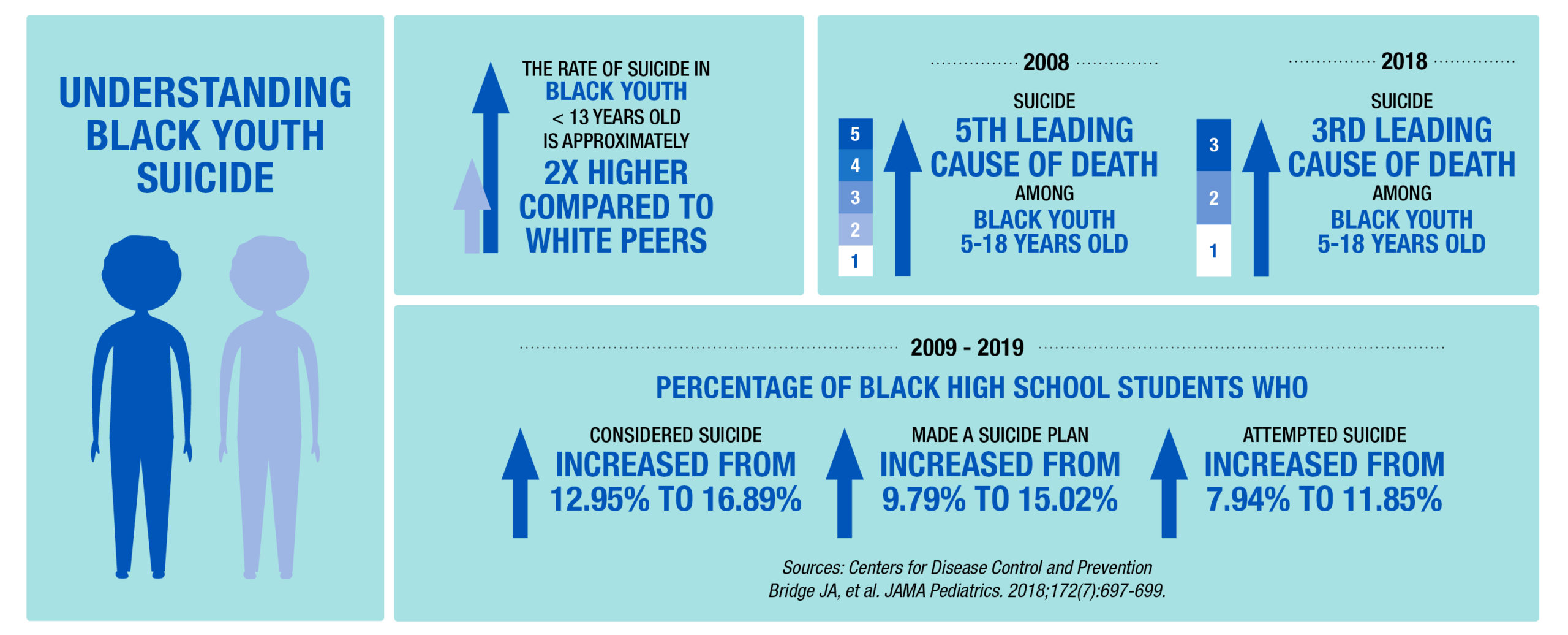
Credit: pediatricsnationwide.org
Prevention Strategies
Youth suicide rates are a growing concern around the world. Understanding and implementing effective prevention strategies can save many young lives. This post will explore various aspects of youth suicide, including vital information, prevention methods, and supportive programs.
What You Need To Know About Youth Suicide
Youth suicide is a serious issue that affects many families and communities. It is the second leading cause of death among teens and young adults aged 15-24. Recognizing the warning signs is crucial.
- Changes in behavior – Sudden mood swings, withdrawal from friends and activities.
- Verbal cues – Talking about feeling hopeless, trapped, or being a burden.
- Physical signs – Changes in eating or sleeping habits, unexplained injuries.
A study revealed that 4 out of 5 teens who attempt suicide have given clear warning signs. It is essential to pay attention to these signals and take them seriously.
| Age Group | Suicide Rate (per 100,000) |
|---|---|
| 15-19 | 14.5 |
| 20-24 | 17.0 |
Preventing Youth Suicide
Preventing youth suicide involves a multifaceted approach. Here are some key strategies:
- Education – Teaching young people about mental health and suicide prevention.
- Communication – Encouraging open and honest conversations about feelings and stress.
- Support Systems – Building strong support networks with family, friends, and professionals.
Early intervention is vital. Schools can incorporate mental health education into their curriculum. Parents should be proactive in discussing mental health with their children.
Creating a safe environment is crucial. Reducing access to means of self-harm and providing resources for help can make a significant difference.
Programs For The Prevention Of Suicide
Several programs are dedicated to preventing youth suicide. These programs offer resources, education, and support.
- National Suicide Prevention Lifeline – Provides 24/7 support via phone or chat.
- The Trevor Project – Focuses on LGBTQ+ youth, offering crisis intervention and suicide prevention services.
- School-based programs – Many schools have implemented programs like Sources of Strength to build resilience and support.
These programs offer valuable resources. They connect individuals in crisis with trained professionals who can provide immediate help.
Community outreach is another effective strategy. Local organizations can host workshops and seminars to educate the public about suicide prevention.
Strategies For Community And School
Communities and schools play a pivotal role in suicide prevention. Implementing effective strategies can create a supportive environment for youth.
- Training for educators – Teachers and staff should receive training to recognize warning signs and provide support.
- Peer support programs – Encouraging students to support one another can build a sense of community and belonging.
- Accessible mental health services – Schools should have counselors available for students in need.
Engaging parents is crucial. Schools can host informational sessions and provide resources to help parents support their children.
Community events can raise awareness. Hosting mental health fairs and workshops can educate the public and reduce stigma.
Being Supportive And Not Intrusive
Supportive relationships are key to preventing youth suicide. Here are some ways to be supportive without being intrusive:
- Listen actively – Pay attention and validate their feelings without judgment.
- Be available – Let them know you are there for them whenever they need to talk.
- Encourage professional help – Suggest seeing a counselor or therapist if needed.
Building trust is essential. Avoid prying or forcing them to share more than they are comfortable with.
Maintaining open communication is important. Regular check-ins can show that you care and are there for support.
Cultural Perspectives Of Suicide
Youth suicide rates have been rising globally, creating a pressing need to understand and address the factors contributing to this tragic trend. One crucial aspect is the cultural perspectives of suicide. Culture significantly influences how suicide is perceived, discussed, and managed. Understanding these cultural dimensions can help create more effective prevention strategies.
How Does Culture Play A Role In Suicide?
Culture shapes our beliefs, values, and behaviors, including attitudes towards suicide. Different cultures have varying views on the acceptability and morality of suicide.
- Western cultures often view suicide as a result of mental illness and a need for medical intervention.
- Eastern cultures, such as Japan, may see suicide as an honorable act in certain contexts.
- Indigenous cultures might have spiritual beliefs that influence their understanding of life and death.
These cultural differences affect how youth perceive their struggles and the solutions they seek. For example, in some cultures, seeking help may be seen as a sign of weakness, deterring youth from accessing mental health services.
Cultural Correlates Of Youth Suicide
Certain cultural factors can correlate with higher or lower youth suicide rates. These include:
| Culture | Correlates |
|---|---|
| Western | High individualism, stigma around mental health |
| Eastern | Honor, societal pressure, family expectations |
| Indigenous | Historical trauma, community disintegration |
In Western cultures, the emphasis on individual success and independence can lead to feelings of isolation. In contrast, Eastern cultures might place high expectations on youth, leading to immense pressure and stress.
Stigma Around Mental Health
The stigma surrounding mental health issues varies across cultures. This stigma can prevent young people from seeking the help they need.
In many Western societies, there is a growing awareness of mental health, yet stigma remains. Youth might fear being labeled as “weak” or “crazy.”
In some Eastern cultures, mental health issues may be viewed as shameful, reflecting poorly on the family. This can lead to secrecy and reluctance to seek professional help.
Indigenous communities might face additional layers of stigma due to historical trauma and mistrust of healthcare systems.
Addressing this stigma is crucial for improving mental health support and preventing youth suicide.
Cultural Responses
Cultural responses to suicide also vary. These responses can influence prevention and intervention strategies.
- Western cultures often rely on medical and psychological interventions.
- Eastern cultures might incorporate traditional practices and community support.
- Indigenous cultures may use spiritual and community-based approaches.
For example, in Japan, there are community support groups that focus on reducing the stigma of suicide. In contrast, Western countries might focus on crisis hotlines and therapy. Indigenous communities may engage in healing ceremonies and community gatherings.
The Cultural Theory And Model Of Suicide For Youth
The Cultural Theory and Model of Suicide for Youth aims to integrate cultural understanding into suicide prevention.
This model suggests that cultural context should be a primary consideration in developing prevention strategies.
Key elements of the model include:
- Recognizing cultural beliefs and values
- Incorporating community leaders and elders in prevention efforts
- Using culturally relevant communication and intervention methods
By understanding and respecting cultural differences, we can create more effective and compassionate approaches to preventing youth suicide.
Support Resources
Youth suicide rates are a growing concern worldwide. Many young people face mental health challenges that lead them to consider taking their own lives. Support resources are vital in providing help and guidance to those in need. Here, we discuss various support resources available to help combat youth suicide rates.
Helplines
Helplines offer immediate support for youth in crisis. Trained professionals are available 24/7 to provide help and listen to those who need someone to talk to. Below are some essential helplines for youth:
- National Suicide Prevention Lifeline: 1-800-273-TALK (8255)
- Crisis Text Line: Text HOME to 741741
- The Trevor Project: 1-866-488-7386 (for LGBTQ youth)
Helplines are confidential and free. They provide a safe space for youth to express their feelings and get professional advice. Many helplines also offer online chat services for those who prefer typing over talking.
Consider adding these numbers to your phone or sharing them with friends. Having these resources at hand can make a significant difference in a crisis situation.
Local Organizations
Many local organizations offer support for youth struggling with mental health issues. These organizations provide a range of services, including counseling, support groups, and educational programs. Some notable local organizations include:
- YMCA: Offers youth counseling and support programs.
- Local Community Centers: Provide mental health workshops and support groups.
- School Counseling Services: Available in most schools for immediate support.
Local organizations often have trained professionals who understand the unique challenges faced by youth. They can provide personalized support and resources tailored to individual needs. Building a support network through these organizations can help youth feel less isolated and more connected to their community.
Check your local listings or community boards for information about these organizations. Many also offer online resources and virtual support, making it easier for youth to access help from home.
Youth Suicide Prevention Resources
Youth suicide prevention resources are designed to educate and empower young people and their families. These resources include educational materials, training programs, and online platforms that provide valuable information and support. Some key resources are:
- Suicide Prevention Resource Center (SPRC): Offers a wide range of materials for youth and educators.
- American Foundation for Suicide Prevention (AFSP): Provides programs and resources to support youth mental health.
- Mental Health First Aid: Training programs to help identify and respond to mental health crises.
These resources can help raise awareness about the warning signs of suicide and provide strategies to support those in need. Educational programs can also equip youth with the skills to manage their mental health and seek help when necessary.
Accessing these resources can make a significant impact on preventing youth suicide. Parents, teachers, and peers can benefit from this information, helping to create a supportive environment for at-risk youth.
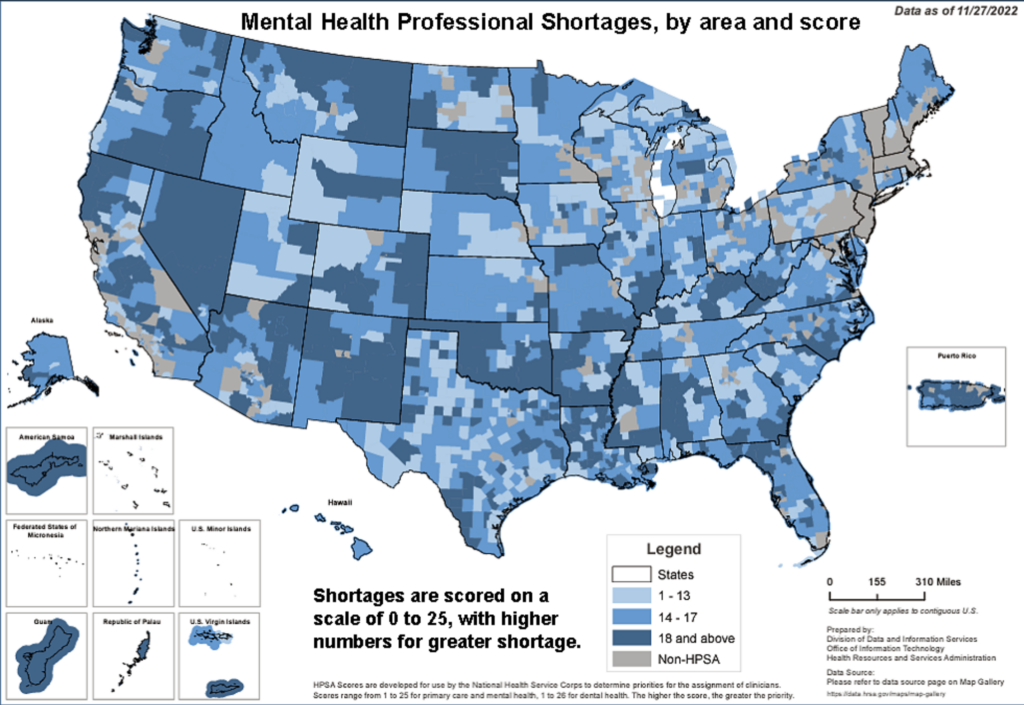
Credit: cidev.uky.edu
Frequently Asked Questions
Is Suicide The Third Leading Cause Of Death In 10 24 Year Old’s?
Yes, suicide is the third leading cause of death for individuals aged 10-24 years. It poses a significant public health concern.
Has Suicide Rate Increased?
Yes, the suicide rate has increased in recent years. Various factors, including mental health issues and economic stress, contribute to this rise. It’s crucial to seek help and support for those in need.
What Is The Suicide Rate For Youth In 2018?
In 2018, the youth suicide rate in the U. S. was 14. 5 per 100,000 individuals aged 15-24 years. This marked an increase from previous years.
What Are Youth Suicide Rates?
Youth suicide rates refer to the number of suicides among young people. These rates are measured per 100,000 individuals within a specific age group. Understanding these rates helps identify trends and risk factors.
Conclusion
Youth suicide rates highlight a critical issue demanding urgent attention. Preventive measures and open conversations can save lives. Communities must unite to support vulnerable youth. Awareness, education, and accessible mental health resources are essential. Together, we can create a safer, more understanding environment for our younger generations.
Let’s prioritize their mental well-being.