Prevention from Suicide, Addiction, Narcotics and Pollution. Withdrawal and Recovery Facts of Narcotics | Symptoms of Suicidal thoughts & Ideations | Effects of Environment Pollution | Understand Addiction withdrawal

Narcotics addiction is a difficult and complicated illness that affects people from all walks of life. To effectively deal with this widespread problem, you need to know the signs, symptoms, and treatment options.
Understanding Narcotics Addiction
Narcotics addiction is the strong, uncontrollable urge to use drugs, even when doing so will hurt you. Heroin, morphine, and prescription painkillers like oxycodone and hydrocodone are some of these drugs that can become addictive and make you unable to function.
What Does Narcotics Mean?
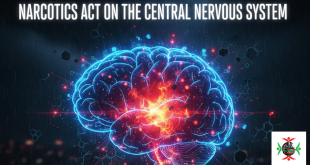
Narcotics are drugs that work on the brain and spinal cord to make you feel good and ease pain. They can help with severe pain, but because they are so strong on the brain, there is a high risk of becoming addicted to them.
How addiction starts
People usually become addicted to drugs over time as their bodies and minds become dependent on the effects of the drug. A person’s genes, their environment, or having another mental health disorder concurrently can all contribute to addiction.
Narcotic Addiction: Risk Factors
Having a history of drug abuse, having a condition that causes chronic pain, or being poor or unemployed are all things that can make you more likely to become addicted to drugs.
Signs of Narcotics Addiction
Physical Signs
Some physical signs of narcotic addiction are narrow pupils, feeling sleepy, speaking more slowly, and having trouble coordinating your movements. People may also have changes in their sleep and eating habits.
Behavioral Signs
Addiction can show up in the form of hiding things, pulling away from social activities, ignoring personal obligations, and doing illegal things to get narcotics.
Symptoms of Narcotics Addiction
Physical Symptoms
Physical symptoms of narcotics addiction may include withdrawal symptoms such as nausea, vomiting, sweating, and muscle aches when attempting to quit or reduce drug use.
Psychological Symptoms
Mood swings and irritability are some of the mental effects of addiction. In the worst cases, people can also experience anxiety, depression, and hallucinations.
Narcotics Addiction’s Effects
The effects of narcotics addiction permeate various aspects of an individual’s life, profoundly altering their relationships, work capabilities, and overall health. Substance dependency strains personal connections, leading to distrust, conflict, and often isolation from loved ones. Employment stability is jeopardized as addiction impairs cognitive function and reliability, resulting in absenteeism or reduced productivity. Moreover, the detrimental impact on physical and mental health is undeniable, manifesting in deteriorating well-being, chronic illnesses, and a heightened risk of overdose. Overall, narcotics addiction exacts a heavy toll on every facet of a person’s existence.
Treatment Options
Detoxification
Detoxification, during which the body rids itself of the drug’s toxins, is the first step in treating narcotics addiction. To make sure that the withdrawal symptoms are safely managed, this process is often done with the help of medical professionals.
Rehabilitation Programs
Rehabilitation programs, like inpatient or outpatient care, offer a wide range of support and therapy to help people deal with the problems that led to their addiction and learn new ways to cope in order to stay sober.
Counseling & Therapy
Therapy and counseling are very important parts of treating addiction because they help people deal with the mental issues that lead to addiction and teach them healthy ways to handle cravings and triggers.
Prevention Strategies
Comprehensive education and awareness campaigns are just one component of the multifaceted prevention strategies for narcotics addiction. The goal of these programs is to teach people about the very real dangers of drug abuse, focusing on how it hurts physical and mental health as well as social and economic ethe social. Also, making sure that a lot of people can access support services is very important so that people who are struggling with addiction can get help and recover quickly. Communities can successfully fight narcotics addiction and encourage healthier lifestyles by creating a supportive environment and giving people the tools and information they need.
Support for Families and Loved Ones
Families and loved ones of individuals struggling with narcotics addiction require support and guidance to understand the complexities of addiction and to access resources for help.
Recovery Journey
The journey to recovery from narcotics addiction is challenging but achievable with the right support and determination. Building a strong support network and engaging in holistic recovery approaches can significantly improve outcomes.
Holistic Approaches to Recovery
Holistic approaches to recovery focus on treating the individual as a whole, addressing physical, emotional, and spiritual needs through practices such as mindfulness, meditation, exercise, and nutrition.
The Role of Medication-Assisted Treatment
Medication-assisted treatment (MAT) combines medication with therapy and counseling to help individuals manage cravings and withdrawal symptoms. While effective for many, MAT remains controversial due to concerns about dependence and diversion.
Stigma Surrounding Narcotics Addiction
The stigma surrounding can hinder individuals from seeking help and accessing treatment. Breaking down stereotypes and promoting empathy and understanding are essential steps in combating this stigma.
Resources for Help
Various resources, including hotlines, helplines, and support groups, are available to individuals and families affected by providing information, support, and guidance throughout the recovery process.
Legal Implications
Narcotic addiction can have legal consequences, including arrest, prosecution, and incarceration. However, increasing recognition of addiction as a medical condition has led to a shift towards rehabilitation rather than punishment in many cases.
Conclusion
Narcotics addiction is a significant public health concern that requires a multifaceted approach to address effectively. By understanding the signs, symptoms, and treatment options, individuals can take proactive steps towards recovery and reclaiming their lives.
FAQs:
- Is narcotics addiction treatable?
A: Yes, narcotics addiction is treatable with the right support and treatment interventions tailored to individual needs.
- Can narcotics addiction be cured completely?
A: While there is no cure for addiction, individuals can achieve long-term recovery and manage their addiction with ongoing support and maintenance.
- What should I do if I suspect a loved one is struggling with narcotics addiction?
A: It’s essential to approach the situation with compassion and empathy, encourage your loved one to seek help, and provide support throughout their recovery journey.
- Are there support groups specifically for families of individuals with narcotics addiction?
A: Yes, there are support groups such as Nar-Anon and Al-Anon that provide support and guidance to families and loved ones of individuals struggling with addiction.
- What role do healthcare professionals play in treating narcotics addiction?
A: Healthcare professionals, including doctors, therapists, and specialists, play a crucial role in assessing and treating providing medical support, therapy, and guidance throughout the recovery process.