Prevention from Suicide, Addiction, Narcotics and Pollution. Withdrawal and Recovery Facts of Narcotics | Symptoms of Suicidal thoughts & Ideations | Effects of Environment Pollution | Understand Addiction withdrawal
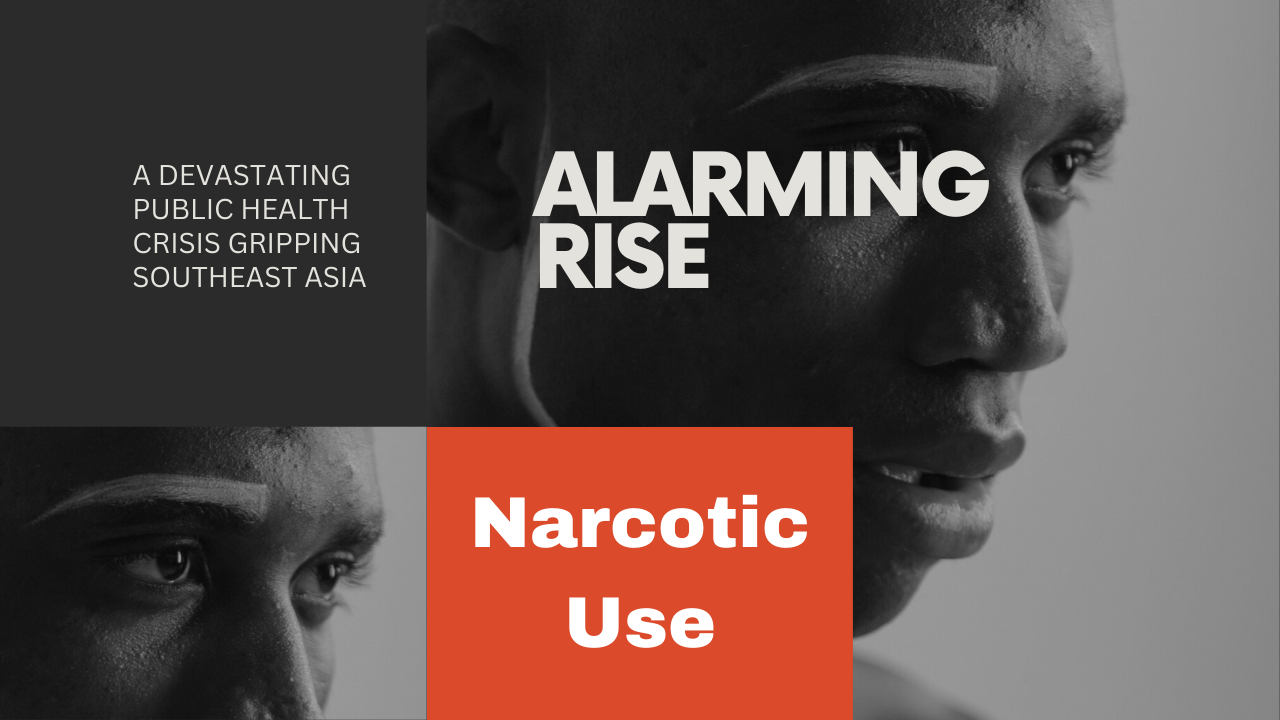
The vibrant tapestry of Southeast Asia, with its rich cultures and stunning landscapes, faces a hidden threat – a dramatic rise in narcotic use. This surge has transformed into a full-blown public health crisis, impacting millions across the region. We’ll delve into the complexities of this issue, exploring the factors fueling it, the devastating consequences it unleashes, and potential solutions to break free from this gripping epidemic.
“The only person you are destined to become is the person you decide to be.” – Ralph Waldo Emerson
What are Narcotics?
Narcotics, also known as opioids, are a class of drugs that primarily act on the central nervous system. They produce feelings of euphoria, pain relief, and relaxation. In Southeast Asia, commonly used narcotics include:
- Prescription pain relievers: oxycodone, hydrocodone, and morphine
- Heroin: an illegal opioid derived from morphine
- Synthetic Opioids: powerful, often illegally manufactured drugs like fentanyl
How Widespread is Narcotic Use in Southeast Asia?
The UN Office on Drugs and Crime (UNODC) reports a significant rise in narcotic use across Southeast Asia. Here’s a glimpse into the alarming statistics:
- Over 37 million people in Southeast Asia are estimated to have used drugs at least once in their lifetime.
- Opioid use disorders are a growing concern, impacting millions in the region.
- Heroin use remains prevalent, particularly in countries bordering the Golden Triangle (Myanmar, Laos, and Thailand).
Table 1: Estimated Number of People Who Used Drugs at Least Once in Their Lifetime in Southeast Asia (UNODC, 2021) [1]
| Country | Estimated Number of People Who Used Drugs |
|---|---|
| Indonesia | 17.5 million |
| Viet Nam | 3.5 million |
| Thailand | 2.4 million |
| Myanmar | 1.3 million |
| Malaysia | 1.2 million |
| Philippines | 1.1 million |
Who is Most Vulnerable to Narcotic Use in Southeast Asia?
Several factors increase vulnerability to narcotic use in Southeast Asia:
- Poverty and Lack of Opportunity: Limited economic prospects can lead to hopelessness and escapism through drugs.
- Weak Regulations and Porous Borders: The availability of illegal drugs like heroin is a major concern.
- Limited Access to Treatment: Treatment options for addiction are often scarce and expensive.
- Social Stigma: Fear of judgment and discrimination discourages people from seeking help.
- History of Conflict: Political instability and war in some regions can contribute to drug use.
Can Narcotics Be Used Safely?
Prescription narcotics can be used safely under a doctor’s supervision for short-term pain management. However, the risk of addiction is significant, especially with long-term use. It’s crucial to follow your doctor’s instructions precisely and to communicate any concerns about dependence.
“The best way out is always through.” – Robert Frost
What are the Effects of Narcotic Use?
Short-Term Effects
- Euphoria
- Relaxation
- Drowsiness
- Constipation
- Nausea and vomiting
- Respiratory depression
Long-Term Effects
- Addiction
- Tolerance (needing higher doses to achieve the same effect)
- Dependence (physical and psychological need for the drug)
- Organ damage (liver, heart, kidneys)
- Mental health problems (depression, anxiety)
- Overdose and death
Table 2: Potential Health Risks of Narcotic Use [2]
| Health Concern | Description |
|---|---|
| Addiction | Loss of control over drug use |
| Tolerance | Needing higher doses to achieve the same effect |
| Dependence | Physical and psychological need for the drug |
| Respiratory Depression | Slowed breathing that can lead to death |
| Organ Damage | Liver, heart, and kidney damage |
| Mental Health Problems | Depression, anxiety, and psychosis |
The Devastating Impact of Narcotic Use in Southeast Asia
The consequences of rampant narcotic use in Southeast Asia are far-reaching and deeply troubling. Let’s explore some key areas impacted:
Public Health:
- Increased HIV/AIDS Transmission: Sharing needles for injecting drugs significantly heightens the risk of HIV transmission.
- Spread of Hepatitis: Similar to HIV, contaminated needles can spread Hepatitis B and C.
- Overdose Deaths: Rising fatalities due to opioid overdoses are a major concern.
- Strain on Healthcare Systems: Addiction treatment and managing drug-related illnesses burden healthcare resources.
Table 3: Estimated Number of New HIV Infections Among People Who Inject Drugs (PWID) in Southeast Asia (UNODC, 2021) [3]
| Country | Estimated Number of New HIV Infections |
|---|---|
| Myanmar | 15,000 |
| Viet Nam | 12,000 |
| Indonesia | 8,200 |
| Malaysia | 2,100 |
| Thailand | 1,800 |
Social and Economic Development:
- Lost Productivity: Addiction takes a toll on people’s ability to work, hindering economic growth.
- Increased Crime Rates: Drug use is often linked to crime to support addiction or fund drug trafficking.
- Family Breakdown: Addiction can strain relationships, leading to family dysfunction and neglect.
- Strain on Social Services: Increased need for addiction treatment, rehabilitation, and social support programs.
“You don’t have to control your thoughts. You just have to stop letting them control you.” – Dan Millman
Tackling the Crisis: Solutions for a Brighter Future
There’s no single solution to this complex issue. A multi-pronged approach is needed to address the roots of the problem and offer pathways to recovery. Here are some promising strategies:
- Prevention Programs: Education campaigns to raise awareness about the risks of narcotic use, targeting youth and vulnerable populations.
- Strengthening Regulations: Implementing stricter border controls and tackling illegal drug production and trafficking.
- Expanding Access to Treatment: Building more treatment facilities and making treatment more accessible and affordable.
- Harm Reduction Strategies: Offering programs like needle exchange and naloxone distribution to reduce overdose deaths.
- Promoting Community Engagement: Mobilizing communities to address the stigma surrounding addiction and advocate for treatment options.
Table 4: Examples of Harm Reduction Programs in Southeast Asia [4]
| Country | Program |
|---|---|
| Thailand | Needle and syringe exchange programs |
| Viet Nam | Methadone maintenance treatment (MMT) programs |
| Malaysia | Harm reduction advocacy and community mobilization |
Conclusion:
The rise of narcotic use in Southeast Asia presents a significant public health crisis. Recognizing the scale of the problem, understanding its causes and consequences, and implementing comprehensive solutions are crucial to pave the way for a healthier and more vibrant future for the region. Through collaborative efforts, increased awareness, and effective prevention and treatment programs, there is hope for a brighter tomorrow.
FAQs
Q: What are some resources for people struggling with narcotic use in Southeast Asia?
A: Availability of resources varies by country. However, some helpful starting points include:
- UNODC Regional Office for Southeast Asia and the Pacific: https://www.unodc.org/roseap/
- International Drug Policy Consortium: https://idpc.net/en/
- Local NGOs and healthcare providers specializing in addiction treatment.
Disclaimer:
The information provided in this blog post is intended for educational purposes only and should not be construed as medical advice. Always consult with a healthcare professional for personalized guidance regarding narcotic use and treatment options.