Prevention from Suicide, Addiction, Narcotics and Pollution. Withdrawal and Recovery Facts of Narcotics | Symptoms of Suicidal thoughts & Ideations | Effects of Environment Pollution | Understand Addiction withdrawal
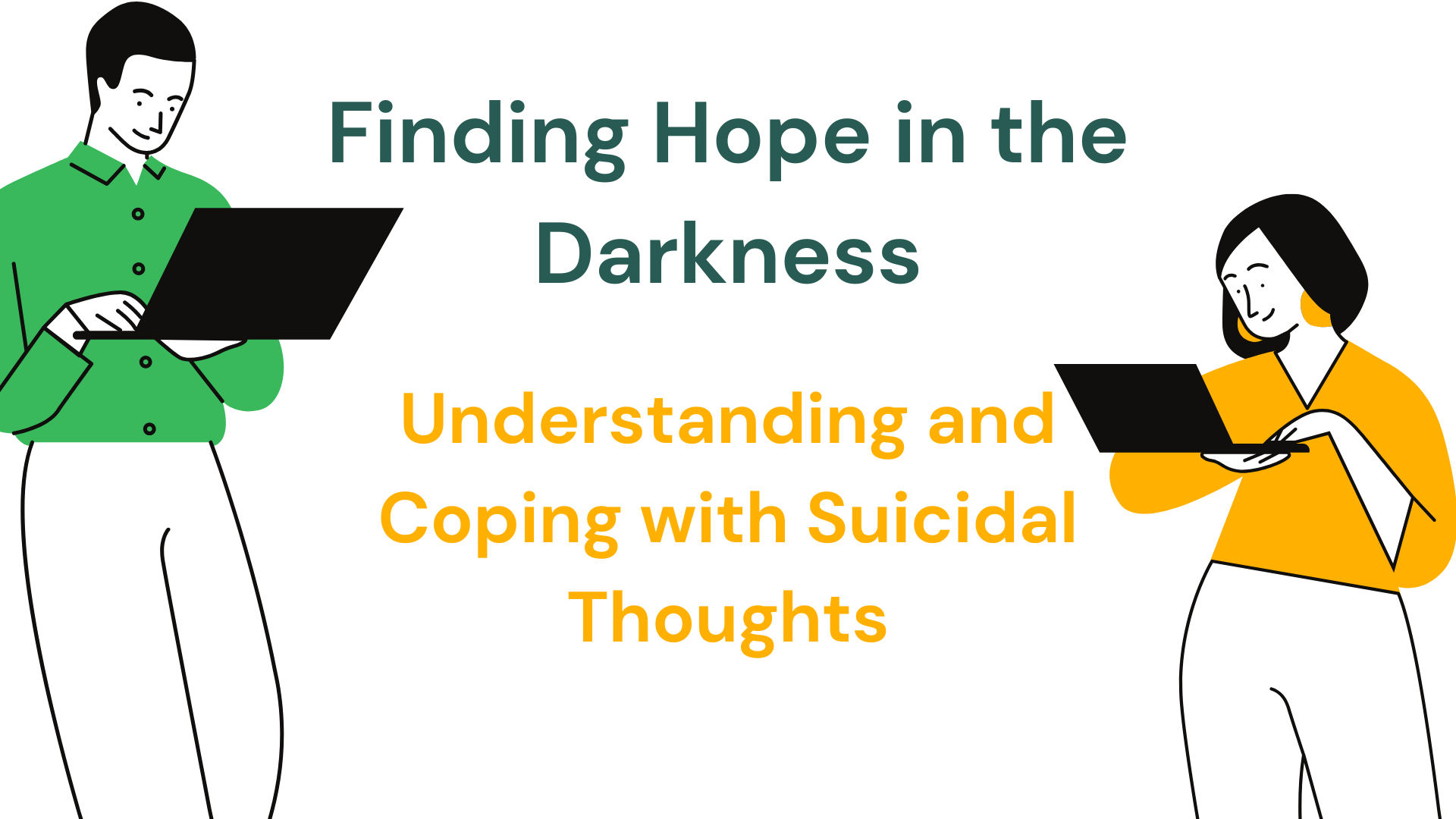
Finding Hope in the Darkness suicide is a global public health issue with devastating consequences. According to the World Health Organization (WHO), close to 800,000 people die by suicide every year. This translates to one suicide occurring every 40 seconds [1]. While suicide can impact anyone, certain demographics are at higher risk, including adolescents, young adults, and the elderly [2].
This article delves into the complexities of suicidal thoughts, exploring the risk factors, warning signs, and most importantly, coping mechanisms. It aims to empower individuals struggling with these thoughts and provide resources for seeking help.
Understanding Suicidal Thoughts
Suicidal thoughts are a spectrum, ranging from fleeting ideations to a persistent desire to end one’s life. These thoughts can be triggered by various factors, including:
- Mental health conditions: Depression, anxiety, bipolar disorder, and post-traumatic stress disorder (PTSD) are significant risk factors for suicide [3].
- Life stressors: Experiencing major life changes, relationship problems, financial difficulties, or academic pressures can contribute to suicidal thoughts [4].
- Substance abuse: Alcohol and drug misuse are often linked to suicidal behavior [5].
- Social isolation: Feeling disconnected from friends, family, or community can increase suicide risk [6].
- Access to lethal means: Having access to firearms, medications, or other means of self-harm can make acting on suicidal thoughts more likely [7].
It’s crucial to understand that suicidal thoughts are not a character flaw; they are a symptom of underlying distress. Seeking help is a sign of strength, not weakness.
Warning Signs of Suicide
If you are concerned about someone who may be struggling with suicidal thoughts, look out for the following warning signs:
- Talking about suicide or wanting to die: This can be explicit statements like “I wish I were dead” or more veiled expressions like “There’s no point anymore.” [8]
- Increased hopelessness, isolation, or withdrawal from social activities
- Sudden changes in mood or behavior, such as becoming more impulsive or reckless
- Putting affairs in order, giving away possessions, or writing a goodbye letter
- Increased anxiety, agitation, or anger
- Changes in sleep patterns, such as insomnia or excessive sleeping
- Loss of interest in activities previously enjoyed
Table 1: Suicidal Warning Signs
| Warning Sign | Description |
|---|---|
| Talk of suicide | Direct statements like “I want to die” or indirect expressions of hopelessness |
| Increased isolation | Withdrawing from social activities and loved ones |
| Mood swings | Sudden changes in mood, becoming more impulsive or reckless |
| Putting affairs in order | Giving away possessions or writing a goodbye letter |
| Increased anxiety or anger | Feeling more anxious, agitated, or angry |
| Sleep disturbances | Difficulty sleeping or sleeping excessively |
| Loss of interest | No longer enjoying things previously found enjoyable |
Coping Mechanisms for Suicidal Thoughts
If you are struggling with suicidal thoughts, there are effective strategies to help you cope. Here are some key coping mechanisms:
- Reach out for help: Talk to a trusted friend, family member, therapist, or crisis hotline. Sharing your thoughts is the first step towards healing. Here are some resources:
- National Suicide Prevention Lifeline: 988 (US)
- Crisis Text Line: Text HOME to 741741 (US)
- Befrienders Worldwide: https://befrienders.org/members/ (International)
- Develop a safety plan: Create a plan for what to do when suicidal thoughts become overwhelming. This may involve removing access to lethal means, identifying safe people to contact, and practicing relaxation techniques.
- Learn healthy coping skills: Develop healthy ways to manage stress and difficult emotions. This may include exercise, relaxation techniques like deep breathing or meditation, spending time in nature, or pursuing hobbies.
- Limit alcohol and substance abuse: Alcohol and drugs can worsen suicidal thoughts and make acting on them more likely.
- Practice self-care: Prioritize activities that promote your well-being, such as getting enough sleep, eating healthy foods, and maintaining good hygiene.
Research has shown that these coping mechanisms can be highly effective in reducing suicidal thoughts and preventing suicide attempts [9, 10].
Additional Considerations
Culture and Suicide: Understanding the Nuances
Cultural factors play a significant role in shaping attitudes towards suicide, help-seeking behaviors, and the expression of suicidal thoughts. Here’s a deeper dive into this critical aspect:
Variations in Expression:
- Directness: In some cultures, individuals may express suicidal thoughts directly, while others may use more veiled language or symbolic gestures [11]. For example, someone from a collectivistic culture might express concern about burdening their family, hinting at suicidal intent.
- Stigma: Shame and stigma surrounding mental health issues might prevent individuals from openly discussing suicidal thoughts in certain cultures. This can lead to delayed help-seeking and increased risk [12].
Help-Seeking Behaviors:
- Family and Community: In some cultures, seeking help from family or religious leaders might be prioritized over formal mental health services. Therapists who understand these cultural norms can provide more effective support [13].
- Religious Beliefs: Religious beliefs can offer solace and a sense of purpose, acting as a protective factor against suicide in some cases. However, certain religious interpretations might make individuals feel guilty or hopeless, increasing risk [14].
Culturally Competent Therapists:
Therapists with cultural competency can bridge the gap between mental health services and individuals from diverse backgrounds. This includes:
- Understanding cultural values and beliefs related to suicide.
- Using culturally relevant language and communication styles.
- Being aware of potential biases within the mental health system.
- Collaborating with family members or religious leaders, if appropriate.
Examples of Culturally Competent Care:
- A therapist working with a Latinx client might integrate elements of “curanderismo” (traditional healing practices) into the treatment plan.
- A therapist treating a South Asian client might explore the concept of “izzat” (family honor) and its potential impact on help-seeking behaviors.
Importance of Cultural Competency:
Culturally competent therapists can create a safe space for individuals to express suicidal thoughts openly and honestly. Finding hope in the darkness this fosters trust and facilitates the development of culturally appropriate coping mechanisms. Finding hope in the darkness research suggests that culturally competent care can improve treatment outcomes and reduce suicide risk in diverse populations [15, 16].
Conclusion:
Finding hope in the darkness suicide is a complex issue with cultural influences that cannot be ignored. Finding hope in the darkness recognizing these nuances and promoting culturally competent care are crucial steps towards preventing suicide and supporting individuals struggling with suicidal thoughts. If you are struggling, remember, reaching out for help, regardless of your background, is a sign of strength and the first step towards a brighter future.
References
- World Health Organization. (2021, September 9). Suicide. https://apps.who.int/gho/data/node.main.MHSUICIDE
- American Foundation for Suicide Prevention. (n.d.). Suicide Statistics. https://afsp.org/learn-the-facts/
- National Institute of Mental Health. (2019, May). Suicide. https://www.nimh.nih.gov/health/statistics/suicide
- Beck, A. T. (1995). The Beck Depression Inventory-II (BDI-II). Psychological Corporation.
- Substance Abuse and Mental Health Services Administration. (2015, September). Key Substance Abuse and Mental Illness (SAMI) Facts and Figures. https://www.samhsa.gov/
- Holt, K. T., Rippere, K., & Harris, K. T. (2015). A review of social isolation and loneliness: The relationship to health and mortality. Psychosomatic Medicine, 77(3), 301-320. https://www.ncbi.nlm.nih.gov/books/NBK557983/
- Betz, T., & Carroll, L. (2000). The relationship between firearm availability and suicide: A review of the literature. Aggression and Violent Behavior, 5(1), 79-118. https://www.sciencedirect.com/science/article/pii/S1359178997000578
- American Foundation for Suicide Prevention. (n.d.). Warning Signs of Suicide. https://afsp.org/learn-the-facts/
- Jobes, D. A. (2016). A comprehensive approach to suicide prevention. Routledge.
- Lenz, K. E., & Blumenthal, S. J. (1999). Reducing suicidal ideation in older adults: A review of psychosocial treatment approaches. The Gerontologist, 39(4), 522-532. https://www.ncbi.nlm.nih.gov/pmc/articles/PMC6333652/
- Gutiérrez, P. M. (2003). Culture and depression: A review of risk and protective factors. Journal of Consulting and Clinical Psychology, 71(3), 589-604. https://link.springer.com/article/10.1007/s40894-019-00114-0
- Hwang, A. C., & Kim, S. Y. (2014). The stigma of seeking help for mental health problems: A review of the literature. Asian Journal of Psychiatry, 8(2), 76-82. https://www.cambridge.org/core/journals/the-british-journal-of-psychiatry/article/association-between-mental-healthrelated-stigma-and-active-helpseeking-systematic-review-and-metaanalysis/013AE32C41016EA531E6CA2B3F3D58FE
- Sue, D. W., & Sue, D. W. (2013). Counseling the culturally diverse: Theory and practice (7th ed.). John Wiley & Sons.
- Eliason, S., & Mojtabai, R. (2010). The association between religious service attendance and suicide attempts among US adults. American Journal of Public Health, 100(7), 1321-1327. https://www.ncbi.nlm.nih.gov/pmc/articles/PMC7228478/
- Sue, D. W., Bernal, M., Ridley, C. R., & Burlew, A. P. (2019). Intercultural competence in counseling and therapy. American Psychological Association.
- Castro, O. G., Alegría, M., & Canino, G. (2012). Culturally competent mental health service delivery for Hispanic populations. Cultural Competence in Health Care Delivery, 31-54. https://www.ncbi.nlm.nih.gov/pmc/articles/PMC6894316/
Remember, you are not alone. There is hope, and help is available.