Prevention from Suicide, Addiction, Narcotics and Pollution. Withdrawal and Recovery Facts of Narcotics | Symptoms of Suicidal thoughts & Ideations | Effects of Environment Pollution | Understand Addiction withdrawal
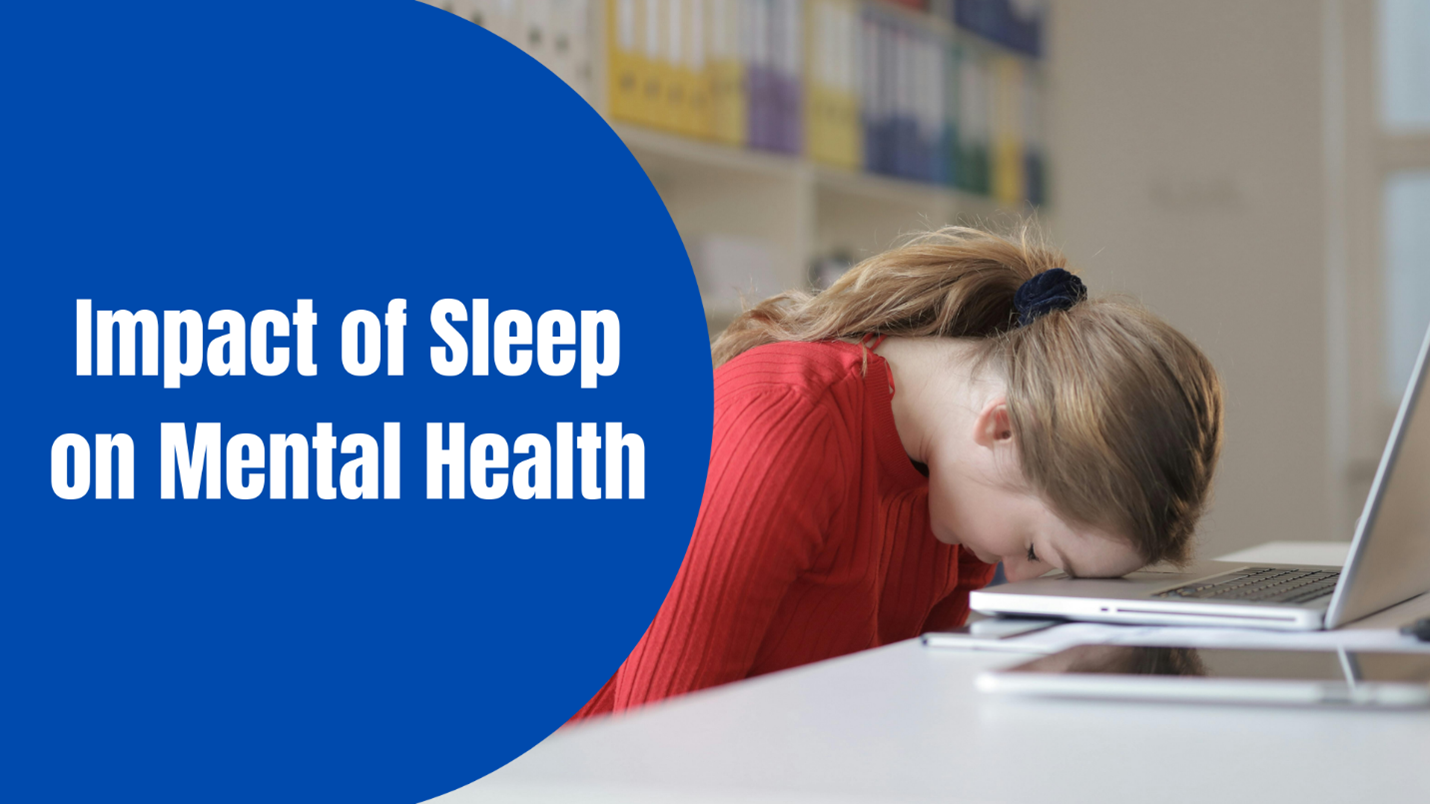
The impact of sleep on mental health moment’s fast- paced world, where the hustle and bustle noway feel to cease, sleep has come a luxury rather than a necessity for numerous. still, what utmost individualities fail to fete is the profound impact that sleep – or warrant thereof – can have on our internal health.
Understanding the Connection
The Foundation of Mental Health
Mental health forms the foundation of our overall well- being, encompassing our emotional, cerebral, and social state of being. It influences how we suppose, feel, and bear, shaping our comprehensions of the world around us. Without a stable foundation of internal health, navigating life’s challenges becomes decreasingly laborious.
The part of Sleep
Enter sleep – nature’s remedy for restoring balance to the mind and body. While numerous view sleep as a period of inactivity, it’s during these precious hours of rest that our smarts suffer essential processes pivotal for internal health. From consolidating recollections to regulating feelings, sleep serves as a vital medium for maintaining cognitive function and emotional stability.
The Impact of Sleep Deprivation
A Tumultuous Relationship
A Tumultuous Relationship still, the delicate equilibrium between sleep and internal health can fluently be disintegrated by sleep privation. In moment’s hyperactive- connected world, where defenses glow late into the night and deadlines impend above, sleep frequently takes a backseat to productivity. Yet, the consequences of this neglect are dire, with sleep privation wreaking annihilation on our internal well- being.
Cognitive Impairment
One of the most palpable goods of sleep privation is cognitive impairment. From difficulty concentrating to disabled decision- timber, the consequences of a restless night extend far beyond bare fatigue. Without acceptable sleep, our cognitive capacities come compromised, hindering our capability to serve effectively in both particular and professional spheres.
Emotional Insecurity
also, the emotional risk of sleep privation can not be exaggerated. shy sleep disrupts the delicate balance of neurotransmitters in the brain, leading to heightened emotional reactivity and increased vulnerability to stress. As a result, individualities may find themselves more prone to mood swings, perversity, and anxiety, farther aggravating being internal health issues. employing the Power of Quality Sleep
Prioritizing Rest
In light of the profound impact that sleep has on our internal health, it’s imperative that we prioritize rest as an integral element of tone- care. By espousing healthy sleep habits and establishing a harmonious bedtime routine, we can guard our internal well- being and enhance our overall quality of life.
Creating an Optimal Sleep terrain
likewise, creating an optimal sleep terrain can significantly ameliorate the quality of our rest. From minimizing exposure to defenses before bedtime to icing a comfortable sleep face, small adaptations can make a world of difference in promoting peaceful sleep and nurturing internal health.
Seeking Support
For those floundering with sleep issues or internal health enterprises, seeking support is consummate. Whether through remedy, support groups, or medical intervention, there are myriad coffers available to help individualities address underpinning sleep diseases and internal health challenges.
Conclusion: A Call to Action
In conclusion, the link between sleep and internal health is inarguable. As we navigate the complications of ultramodern life, prioritizing rest and nurturing our internal well- being must comenon-negotiables.
Cognitive Impairment
One of the most palpable effects of sleep deprivation is cognitive impairment. From difficulty concentrating to impaired decision-making, the consequences of a restless night extend far beyond mere fatigue. Without adequate sleep, our cognitive abilities become compromised, hindering our ability to function effectively in both personal and professional spheres.
Emotional Instability
Moreover, the emotional toll of sleep deprivation cannot be overstated. Inadequate sleep disrupts the delicate balance of neurotransmitters in the brain, leading to heightened emotional reactivity and increased susceptibility to stress. As a result, individuals may find themselves more prone to mood swings, irritability, and anxiety, further exacerbating existing mental health issues.
Harnessing the Power of Quality Sleep
Prioritizing Rest
In light of the profound impact that sleep has on our mental health, it is imperative that we prioritize rest as an integral component of self-care. By adopting healthy sleep habits and establishing a consistent bedtime routine, we can safeguard our mental well-being and enhance our overall quality of life.
Creating an Optimal Sleep Environment
Furthermore, creating an optimal sleep environment can significantly improve the quality of our rest. From minimizing exposure to screens before bedtime to ensuring a comfortable sleep surface, small adjustments can make a world of difference in promoting restful the impact of sleep on mental health.
Frequently Asked Questions
Q Why is sleep important for my internal health?
A Sleep is pivotal for your internal health because it allows your brain to recharge and rejuvenate. Just like your body needs rest after a long day, your brain needs time to reuse feelings, consolidate recollections, and regulate mood. Without acceptable sleep, you may find yourself feeling perverse, anxious, or overwhelmed, making it delicate to manage with life’s challenges.
Q How important sleep do I need to maintain good internal health?
A The quantum of sleep demanded varies from person to person, but utmost grown-ups bear between 7 to 9 hours of quality sleep each night to serve optimally. It’s important to hear to your body and prioritize rest, especially during times of stress or heightened feelings.
Q What can I do if I’ve trouble sleeping?
A If you are floundering with sleep issues, there are several way you can take to ameliorate your sleep quality.
Q How do I know if my sleep problems are affecting my internal health?
Difficulty concentrating, memory problems, and changes in appetite or mood can also be pointers of sleep- related internal health issues.
Q Can perfecting my sleep really make a difference in my internal health?
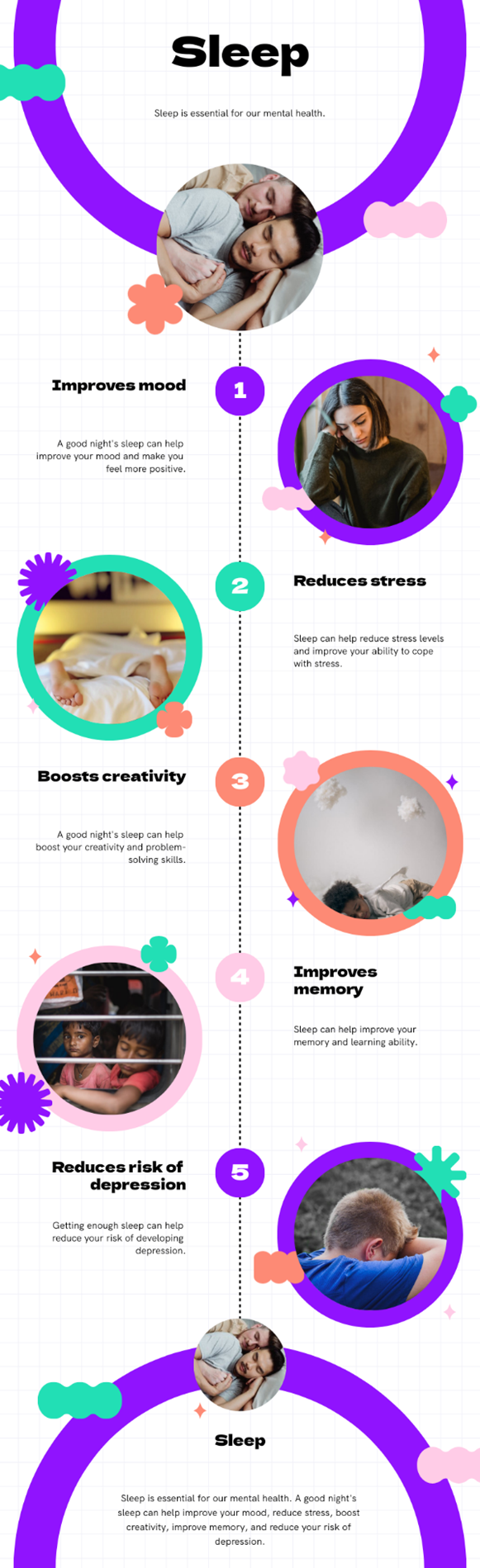
A Absolutely! Research has shown that perfecting sleep quality can have a profound impact on internal health issues. By prioritizing rest and enforcing healthy sleep habits, you can reduce stress, ameliorate mood, and enhance overall well- being.