Prevention from Suicide, Addiction, Narcotics and Pollution. Withdrawal and Recovery Facts of Narcotics | Symptoms of Suicidal thoughts & Ideations | Effects of Environment Pollution | Understand Addiction withdrawal

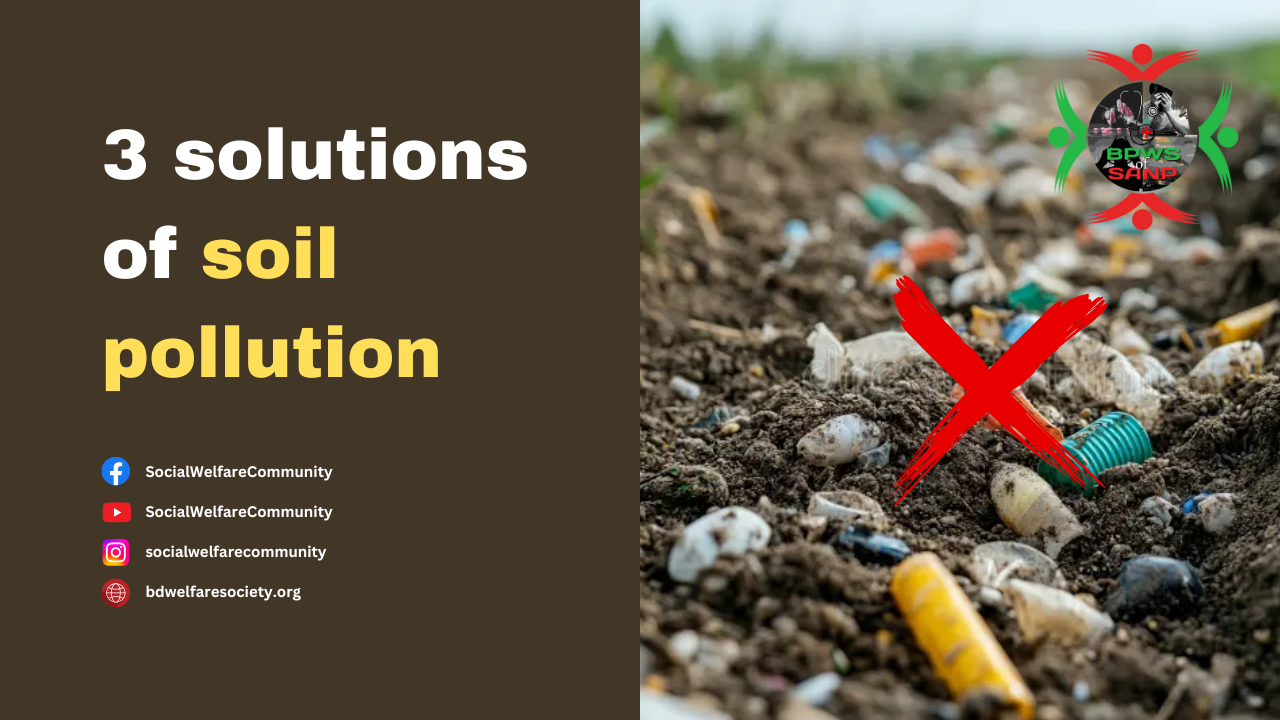 3 solutions of soil pollution— commonly known as the very bedrock of life — plays an integral role in supporting ecosystems, producing food and supporting every living organism on the planet. But this vital resource is being threatened by polluted soil. In other words, Soil pollution is the infiltration of harmful contaminants into the soil, which then makes soil toxic and unworthy for its natural functions. These contaminants can range from chemicals and pesticides to industrial waste, heavy metals, plastic and untreated sewage.
3 solutions of soil pollution can have several different causes, but they are nearly always related to human activity. On top of this, agricultural practices such as chemical fertilizer and pesticide overuse lead to the accumulation of residues, reducing soil quality. Industrial production, waste and disposal — dumping, spilling, overflowing landfills — expose people to a wide variety of toxins. Even mundane habits, such as littering the ground or flinging electronic waste into the trash, are part of this exploding issue.
So why is this a problem we can’t overlook? Contaminated soil harms crop yield and disturbs ecosystems as well. It can leach toxic chemicals into the groundwater, bioaccumulate up the food chain and directly threaten human health. Given how much we rely on healthy soil for food, clean water and biodiversity, the problem is urgent. The good news is that we have solutions. Here are three practical ways to practice against soil pollution.
1. Promote Organic Farming Practices
The overuse of chemical fertilizers and pesticides in conventional farming is one of the reasons for soil pollution. Although they increase agricultural yields in the short run, their residues gradually build up in the soil, destroying its health. The good news? The alternative is organic farming, which is far more sustainable.
At the Heart Of Organic Farming is the use of natural methods to grow crops. It draws on compost, manure and organic waste to colonize the soil, rather than synthetic fertilizers. And biological pest control — a technique that employs natural predators like ladybugs to combat damaging pests—eliminates the need for toxic pesticides.
An example: Crop rotation is a common practice among organic farmers. Rather than using the same crop in the same soil, year after year (depleting nutrients), farmers will rotate crops to level out nutrient levels in the soil. In this system, planting legumes, which fix nitrogen naturally into the soil, is a great idea. This helps keeping soil fertile and require lesser artificial fertilizers.
Another approach is preserving some soil moisture through mulching — covering the soil with organic material such as straw or leaves. Not only does mulch prevent soil erosion, it also keeps moisture in the ground so you do not need to continually keep watering.
2. Improving Waste Management
Soil Pollution Causes Poor waste management Toxic materials such as plastics, metals and chemicals seep into the soil when trash is not properly disposed. These pollutants can last for decades, contaminating the ground and nearby sources of water. Nonetheless, proper waste management helps to reduce this risk.
One way to do that is by supporting proper recycling systems. This prevents recyclable materials from going into landfills and mixing with organic waste, thereby polluting the soil when organic waste decomposes — we separate them based on their physical composition such as plastic, glass, and paper to facilitate this process. This way it makes it much easier for the citizens to recycle, because many countries have adopted curbside recycling programs, which deliver recyclable material directly to residents’ homes. Sweden is one of the leaders in the world in recycling and waste processing (they recycle about 99% of their household waste). Those models demonstrate the difference a well-functioning system can make: less waste overflow that poisons soil.
A second solution is doing more to address hazardous waste as such. Batteries, paints, electronics (e-waste), as examples contain heavy metals that seep into the soil when irresponsibly disposed of. Dedicated drop-off sites for hazardous waste ensure these products are properly disposed of. Many nonprofits and companies organize electronics collection drives, at which old devices can be refurbished, donated or responsibly taken apart.
Composting is another very effective tool, particularly for organic waste. Composting converts food scraps and plants into nutrient-rich fertilizer instead of sending them to a landfill that produces harmful methane toxins. This in turn not only keeps pollution at bay but also aids in naturally improving soil quality. Some neighborhoods even participate in communal composting projects, where neighbors are encouraged to donate their organic waste in order to achieve more effective composting results.
3. Methods of Restoring and Bioremediation
How about land that’s already polluted? Ideal as prevention is, cleaning up existing contamination can do a great deal to restore the health of degraded soil. This is where restoration and bioremediation comes in.
Bioremediation is an innovative process that involves the use of living organisms (plants, bacteria, or fungi) to clean up dirty soil. For example, some plants — so-called hyperaccumulators — absorb heavy metals such as lead and cadmium from the soil extremely well. Sunflowers and Indian mustards are among the plants used in such projects to help restore sites that have been contaminated. Once the plants mature, they can be safely extracted, carrying the toxins along with them.
Likewise, specific strains of bacteria and fungi decompose organic pollutants in the soil, converting poisonous compounds into harmless ones. This is particularly beneficial for removing oil spills, pesticides, and other chemical pollutants. Bioremediation has been effectively employed in diverse areas, such as oil-contaminated soil cleanup in the Amazon rainforest.
Another restoration approach is using soil amendments — substances such as biochar or gypsum that enhance the structure of the soil and detoxify contaminants. Amendments help bind to harmful substances to keep toxins from spreading while adding nutrients back to the soil.
In the meantime, grassroots efforts can repurpose barren or vilified spaces around cities with reforestation initiatives. Transforming an empty, polluted lot into a park or garden not only remediates soil health, but also provides greenery in urban settings. The model is illustrated by New York City’s many community gardens, which have turned lots once filled with waste into green oases for growing city-grown produce.
Conclusion
The fight against soil pollution is one we all have to join — because the cost of not doing so is grim. Decreasing soil health endangers our food supply, toxifies water supplies and threatens ecosystems essential to life on earth.
But as we know, there are effective ways to do that. The conversion to an organic farming model removes agrochemicals from our agricultural systems, preserving soil fertility. Waste management ensures toxic and non-biodegradable materials are a safe distance from our soil, but it needs to be improved. Finally, by restoring and remediating land that has already been polluted, we can do damage control on past harms and build healthier futures.
Each of these solutions hinges on a mix of collective action and personal choice. Whether you’re starting a project to compost in your backyard, purchasing organic produce, or buying from companies that have a focus on sustainability, what you do makes a difference.
This is the time to act on soil pollution. Together we can safeguard the land that literally supports us—in so many ways, ensuring that land is vibrant when we walk on it, and that it is clean and healthy for generations that come after us.
Frequently Asked Questions
-
What is soil pollution?
Soil pollutants are generated when chemicals, heavy metals, plastics, and waste enter the soil. These pollutants throw off its natural balance, creating toxic conditions for plants, animals, and humans.
2. What is the eye behind soil pollution?
Soil pollution decreases agricultural yield, pollutes groundwater, disrupts ecosystems and threatens the health of humans and wildlife. It endangers food security and biodiversity, which is why it is such an important issue to be tackled.
3. Soil pollution is caused by what?
The main contributors are excessive chemical fertilizers and pesticides usage in agriculture, improper waste disposal, and littering and industrial activities. Hazardous waste and plastics are also a sizeable part of the waste stream.