Prevention from Suicide, Addiction, Narcotics and Pollution. Withdrawal and Recovery Facts of Narcotics | Symptoms of Suicidal thoughts & Ideations | Effects of Environment Pollution | Understand Addiction withdrawal
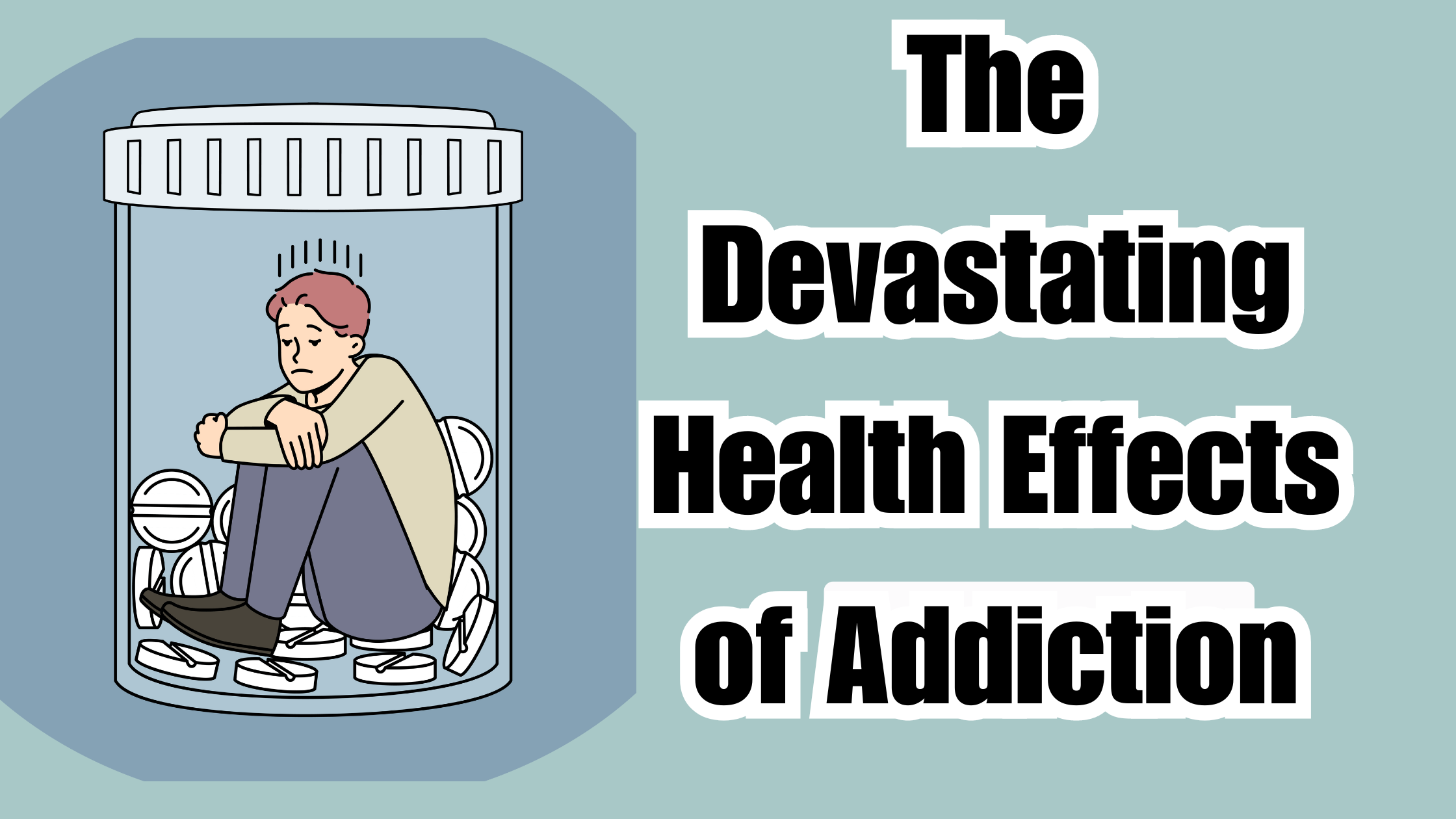
The Devastating Health Effects of Addiction. Millions of people around the world suffer from the complicated and debilitating condition known as addiction. It affects many more people than just the person who is experiencing it, and it doesn’t discriminate on the basis of age, gender, or socioeconomic status. Addiction can have a devastating effect on a person’s physical and mental health as well as every aspect of their life. This article will discuss the serious health consequences of addiction and the reasons that getting treatment is essential to recovery.
Physical Health Consequences:
Addiction harms the body in many ways, causing various physical health issues. Substance abuse inflicts harm on vital organ as the liver, kidneys, and heart. Prolonged and excessive alcohol consumption, for instance, significantly increases the risk of developing liver cirrhosis, a severe and potentially life-threatening condition (National Institute on Alcohol Abuse and Alcoholism, 2021). Smoking poses substantial dangers to health, contributing to the development of lung cancer and respiratory ailments that compromise breathing (Centers for Disease Control and Prevention, 2020). Additionally, intravenous drug use heightens susceptibility to contracting infectious diseases like HIV/AIDS and hepatitis, which pose significant health risks (Substance Abuse and Mental Health Services Administration, 2020). These infections can have severe consequences on overall health and well-being, underscoring the detrimental effects of addiction on physical health. It’s crucial to recognize the profound impact of substance abuse on the body and take proactive measures to address and mitigate these risks.
Mental Health Implications:
In addition to its physical consequences, addiction deeply influences mental health. Substance abuse disrupts brain chemistry, resulting in fluctuations in mood, heightened anxiety, feelings of depression, and impairments in cognitive function (American Psychiatric Association, 2013). Many people resort to drugs or alcohol as a means of coping with underlying mental health challenges, unwittingly worsening their condition over time. The use of substances as a coping mechanism may provide temporary relief but ultimately exacerbates mental health issues and perpetuates the cycle of addiction (Substance Abuse and Mental Health Services Administration, 2020). This dual impact on mental health underscores the complexity of addiction and the urgent need for comprehensive treatment approaches that address both substance use disorders and co-occurring mental health conditions. By recognizing the interconnectedness of substance abuse and mental health, individuals can seek appropriate support and interventions to manage their condition and achieve long-term recovery effectively.
Social and Emotional Consequences:
Addiction doesn’t just affect individuals; it also damages their connections with others, such as friends, family, and coworkers, often resulting in feelings of loneliness and isolation. Substance use becomes the top priority, overshadowing responsibilities and commitments. Consequently, individuals may experience financial struggles, legal troubles, and a diminished sense of self-worth, all of which can worsen their addiction (National Institute on Drug Abuse, 2020). The breakdown of social and emotional bonds underscores the profound impact of addiction beyond individual health, highlighting the importance of holistic approaches to recovery that address interpersonal relationships and emotional well-being.
Impact on Work and Productivity:
Addiction can impair cognitive function and decision-making abilities, making it challenging to maintain employment or fulfill academic responsibilities. Absenteeism, decreased productivity, and conflicts with coworkers are common consequences of substance abuse in the workplace. Ultimately, job loss or academic failure may occur, adding to the cycle of despair and hopelessness.
Risk of Overdose and Death:
One of the gravest consequences of addiction is the risk of overdose and death. As tolerance builds, individuals may increase their dosage to achieve the desired effect, inadvertently putting themselves in danger. Mixing substances or consuming adulterated drugs heightens the risk of overdose, which can result in respiratory failure, cardiac arrest, or coma. Every year, countless lives are lost to substance abuse-related overdoses, leaving behind grieving families and communities.
Long-Term Health Complications:
Chronic substance abuse can lead to a host of long-term health complications, even after achieving sobriety. For example, individuals who struggled with alcoholism may develop conditions such as pancreatitis, gastritis, or neuropathy years after quitting. Similarly, former drug users may experience chronic pain, cognitive deficits, or respiratory problems that persist into recovery.
Barriers to Treatment and Recovery:
Despite the dire health consequences of addiction, many individuals face barriers to seeking treatment and achieving long-term recovery. Stigma, lack of access to healthcare services, and financial constraints often prevent people from getting the help they need. Moreover, denial and fear of withdrawal symptoms can hinder the decision to seek professional assistance.
The Importance of Seeking Help:
It is important to understand that addiction is a treatable illness and that, with the correct resources and support, recovery is achievable. In order to overcome addiction, seeking assistance from trained medical professionals, therapists, or support groups can be extremely beneficial. Therapy, medication-assisted treatment, and peer support programs are examples of treatment modalities that provide people with the skills and techniques they need to control cravings, deal with underlying problems, and start over.
Supporting Loved Ones in Recovery:
Family members, friends, and communities play a vital role in supporting individuals on their journey to recovery. Loved ones can create a supportive environment conducive to healing by offering empathy, encouragement, and understanding. Educating oneself about addiction, practicing effective communication, and setting healthy boundaries are essential steps in assisting a loved one struggling with addiction.
Breaking the Stigma:
Lastly, it’s crucial to break the stigma surrounding addiction and treat it as the medical condition it is. Compassion, empathy, and destigmatization can encourage individuals to seek help without fear of judgment or shame. By fostering a culture of acceptance and support, we can empower those affected by addiction to take control of their health and well-being.
In conclusion, addiction has far-reaching health effects that impact not only the individual but also their loved ones and society as a whole. The Devastating Health Effects of Addiction. By understanding the physical, mental, and social consequences of addiction, we can work towards creating a more supportive and inclusive environment for recovery. Remember, there is hope and help available for those struggling with addiction, and no one has to face it alone.
References:
- Centers for Disease Control and Prevention. (2020). Health Effects of Cigarette Smoking. https://www.cdc.gov/tobacco/data_statistics/fact_sheets/health_effects/effects_cig_smoking/index.htm
- National Institute on Alcohol Abuse and Alcoholism. (2021). Alcohol’s Effects on the Body. https://www.niaaa.nih.gov/alcohols-effects-body
- Substance Abuse and Mental Health Services Administration. (2021). Behavioral Health Treatment Services Locator. https://findtreatment.samhsa.gov/
- National Institute on Drug Abuse. (2021). Overdose Death Rates. https://www.drugabuse.gov/drug-topics/trends-statistics/overdose-death-rates
- National Institute on Drug Abuse. (2021). Principles of Drug Addiction Treatment: A Research-Based Guide (Third Edition). https://www.drugabuse.gov/publications/principles-drug-addiction-treatment-research-based-guide-third-edition/resources