Prevention from Suicide, Addiction, Narcotics and Pollution. Withdrawal and Recovery Facts of Narcotics | Symptoms of Suicidal thoughts & Ideations | Effects of Environment Pollution | Understand Addiction withdrawal
Addiction is a multifaceted issue, intricately woven into the fabric of society, and influenced by a myriad of factors, including social dynamics and environmental cues. To truly combat addiction, it’s imperative to dissect the profound impact these influences wield. In this comprehensive exploration, we delve deep into the interplay between addiction and its social and environmental determinants, drawing upon robust research and expert insights.
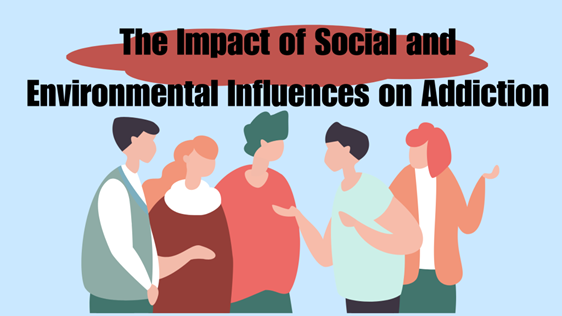
The Role of Social Influences:
Peer Pressure:
Extensive research underscores the pervasive influence of peer pressure on substance use initiation and progression. Adolescents and young adults, in particular, are highly susceptible to the allure of conformity, often succumbing to substance use to gain acceptance or fit in with their peers. Peer pressure manifests in various forms, including direct coercion, implicit social cues, and the desire to emulate perceived social norms.
Social Networks:
Our social circles wield immense power in shaping our behaviors and choices, including those related to substance use. Individuals embedded within networks characterized by high levels of substance use are more likely to adopt similar behaviors, perpetuating a cycle of addiction within communities. Social network analysis reveals the intricate web of connections through which addictive behaviors spread, highlighting the contagious nature of addiction within social circles.
Family Dynamics:
The family unit serves as a crucial influencer in an individual’s susceptibility to addiction. From parental substance abuse to familial conflicts and inadequate supervision, familial factors significantly contribute to a heightened vulnerability among children and adolescents. Family dynamics can shape an individual’s attitudes, beliefs, and behaviors regarding substance use, with familial substance abuse serving as a potent risk factor for intergenerational transmission of addiction.
Environmental Influences on Addiction:
Accessibility:
The availability and accessibility of addictive substances play a pivotal role in shaping addiction prevalence. Communities with lax regulations and widespread availability of alcohol, tobacco, and illicit drugs witness heightened rates of experimentation and regular substance use. Physical proximity to outlets selling addictive substances, such as liquor stores and dispensaries, further exacerbates accessibility issues, particularly in urban environments.
Socioeconomic Factors:
Socioeconomic disparities exacerbate vulnerabilities to addiction, with individuals from marginalized backgrounds bearing a disproportionate burden. Limited access to education, employment opportunities, and healthcare further perpetuate cycles of substance abuse and addiction. Socioeconomic status influences access to resources, social support networks, and coping mechanisms, all of which impact an individual’s susceptibility to addiction.
Cultural Norms:
Cultural attitudes towards substance use vary widely across societies, influencing consumption patterns and norms. Cultures that glorify or normalize substance use contribute to higher rates of addiction within specific cultural groups, perpetuating a cycle of social acceptance. Cultural factors such as religious beliefs, societal values, and historical traditions shape perceptions of substance use and inform cultural practices surrounding addiction prevention and treatment.
Research Insights and Studies:
Longitudinal Studies:
Long-term research endeavors tracking individuals across time unveil the intricate developmental trajectories of addiction. Through longitudinal data, researchers glean invaluable insights into the nuanced interplay between social and environmental factors and addiction onset and persistence. Longitudinal studies allow for the examination of individual-level risk factors, protective factors, and critical periods of vulnerability, providing a comprehensive understanding of addiction’s etiology and progression.
Epidemiological Surveys:
Population-based surveys offer a panoramic view of addiction prevalence and its correlates across diverse populations. These studies serve as invaluable tools in informing evidence-based interventions and policy initiatives aimed at curbing addiction’s societal impact. Epidemiological surveys enable researchers to identify population-level trends, disparities, and emerging patterns of substance use, facilitating targeted intervention efforts and resource allocation.
Implications for Prevention and Intervention:
Targeted Interventions:
Tailoring prevention efforts to address specific social and environmental risk factors is paramount for efficacy. School-based initiatives, community outreach programs, and family-centered interventions play pivotal roles in mitigating the influence of social pressures on addiction. Prevention programs that incorporate peer education, resilience-building activities, and parental involvement are particularly effective in empowering individuals to resist social influences and make healthier choices.
Policy Interventions:
Implementing stringent policies aimed at reducing substance availability, regulating marketing practices, and fostering healthy environments is imperative for addiction prevention. Evidence-based policy interventions hold promise in curbing addiction rates and alleviating associated societal burdens. Policy initiatives such as increased taxation on tobacco products, restrictions on alcohol advertising, and zoning regulations for substance outlets have demonstrated efficacy in reducing substance use rates and mitigating addiction-related harms.
The impact of social and environmental influences on addiction cannot be overstated. By unraveling the intricate interplay between individual, social, and environmental factors, we pave the way for targeted, effective approaches to addiction prevention and treatment.
FAQ:
Q: What is addiction and why is it considered a complex issue?
A: Addiction refers to a chronic condition characterized by compulsive drug seeking and use, despite harmful consequences. It is considered complex due to its multifaceted nature, involving biological, psychological, social, and environmental factors.
Q: How do social influences contribute to addiction?
A: Social influences, such as peer pressure, family dynamics, and cultural norms, significantly impact addiction. Peers can influence substance use behaviors, while family dynamics, including parental substance abuse and familial conflicts, can increase vulnerability. Cultural norms surrounding substance use also play a role in shaping attitudes and behaviors related to addiction.
Q: What environmental factors influence addiction prevalence?
A: Environmental factors, including substance availability, socioeconomic disparities, and cultural attitudes, contribute to addiction prevalence. Easy access to substances, economic hardship, and cultural acceptance of substance use can increase vulnerability to addiction.
Q: How do longitudinal studies contribute to our understanding of addiction?
A: Providing insights into addiction’s developmental trajectories and the interplay between social and environmental factors. They help identify risk and protective factors, critical periods of vulnerability, and inform prevention and treatment strategies.
Q: Can addiction be prevented, and if so, how?
A: While prevention is complex, targeted interventions can reduce risk factors and promote protective factors. Prevention efforts may include education, community outreach, policy changes, and early intervention programs addressing social and environmental influences.
Resources:
- National Institute on Drug Abuse (NIDA): https://www.drugabuse.gov/
- Substance Abuse and Mental Health Services Administration (SAMHSA): https://www.samhsa.gov/
- Centers for Disease Control and Prevention (CDC)Substance Use and Addiction: https://www.cdc.gov/ncbddd/fasd/features/addiction.html
Note: “This blog article is not intended to replace medical advice; rather, it is meant only for informational purposes. Seeking individualized assistance from qualified healthcare specialists is imperative. Any judgments made in response to the content of this post are not the responsibility of the writers or publishers.”