Prevention from Suicide, Addiction, Narcotics and Pollution. Withdrawal and Recovery Facts of Narcotics | Symptoms of Suicidal thoughts & Ideations | Effects of Environment Pollution | Understand Addiction withdrawal
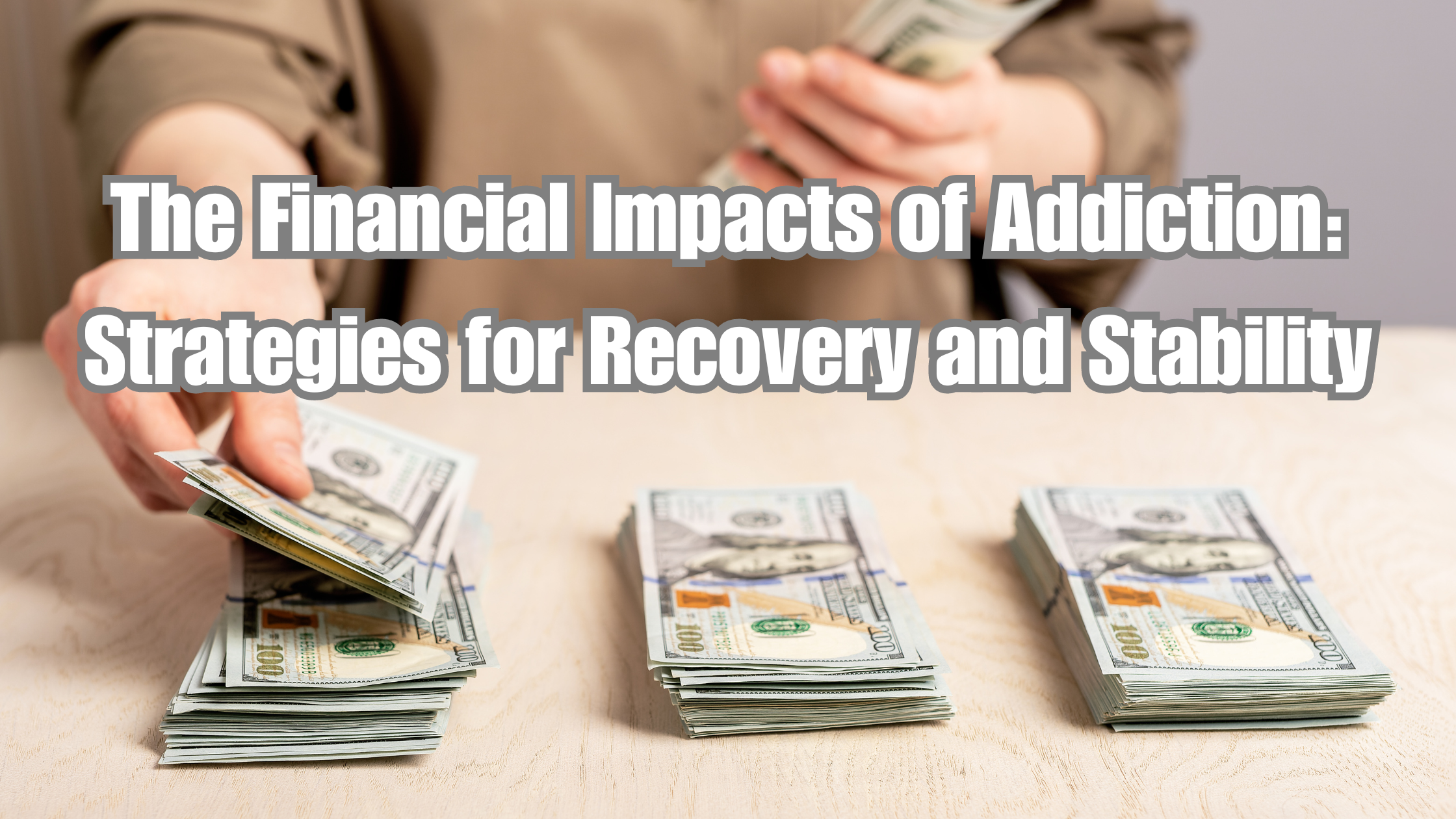
The Financial Impacts of Addiction. Addiction is a multifaceted issue that affects individuals not only on a physical and emotional level but also significantly impacts their financial well-being. Understanding the various ways addiction can lead to financial instability is crucial in order to manage its fallout effectively. In this article, we will delve into the direct and indirect costs associated with addiction and explore practical strategies individuals can employ to regain financial stability and rebuild their lives.
Understanding the Financial Impact of Addiction:
Direct Costs:
Addiction often results in substantial direct expenses, which include the cost of obtaining substances, medical bills incurred due to health complications arising from substance abuse, and legal fees related to any legal issues stemming from addictive behaviors. Research indicates that individuals with substance use disorders are more likely to experience financial difficulties due to their increased expenditure on substances. For instance, a study published in the journal Addiction Science & Clinical Practice found that individuals with opioid use disorder spent an average of $11,500 annually on opioids alone, contributing to financial strain and instability.
Indirect Costs:
In addition to direct expenses, addiction can lead to various indirect costs that further exacerbate financial challenges. These may include lost wages resulting from absenteeism or reduced productivity at work due to the effects of substance abuse. Furthermore, addiction can strain personal relationships, leading to legal fees associated with divorce, child custody battles, or settlements related to domestic disputes. Additionally, individuals may incur expenses related to rehabilitation and therapy, such as the cost of inpatient or outpatient treatment programs, counseling sessions, and support group memberships.
Strategies for Managing Financial Fallout:
Seeking Professional Help:
One of the initial steps in addressing the financial fallout of addiction is seeking assistance from financial counselors or advisors. These professionals can offer guidance and support in developing a comprehensive plan to address debt, create a realistic budget, and rebuild financial stability. By leveraging their expertise, individuals can gain valuable insights into managing their finances effectively during the recovery process.
Creating a Budget and Sticking to It:
Developing a personalized budget is essential for individuals in recovery from addiction. By meticulously tracking expenses and income, individuals can identify areas where they can reduce spending and prioritize essential expenses such as housing, food, and healthcare. Implementing a budgeting system, such as the envelope method or using budgeting apps, can help individuals stay organized and accountable for their financial decisions.
Exploring Insurance Options:
Health insurance coverage can play a significant role in mitigating the financial impact of addiction by covering the cost of treatment and therapy services. It is imperative for individuals to thoroughly explore their insurance options and understand the extent of coverage available for addiction-related services. This may include inpatient detoxification, outpatient counseling, medication-assisted treatment, and mental health services. Additionally, individuals should familiarize themselves with any copayments, deductibles, or out-of-pocket expenses associated with their insurance plan to effectively plan for potential costs.
Identifying Alternative Sources of Income:
Individuals who have experienced job loss or financial instability as a result of addiction may benefit from exploring alternative sources of income. This could involve pursuing freelance opportunities, part-time employment, or participating in government assistance programs such as unemployment benefits or disability insurance. By diversifying their sources of income, individuals can reduce financial strain and create a more resilient financial foundation for themselves and their families.
Rebuilding Financial Stability:
Rebuilding financial stability after addiction requires a concerted effort and a commitment to long-term financial planning. Some key strategies include:
Debt Management and Repayment Plans:
Working with creditors to negotiate manageable repayment plans and exploring options for debt consolidation or settlement can help individuals regain control over their finances. Seeking assistance from credit counseling agencies or debt relief programs can provide additional support in navigating the complexities of debt management.
Building an Emergency Fund:
Establishing an emergency fund is essential for protecting against unforeseen financial setbacks and emergencies. Even small contributions to a savings account on a regular basis can accumulate over time and provide a financial safety net during challenging periods. Individuals should aim to gradually build their emergency fund to cover at least three to six months’ worth of living expenses.
Investing in Financial Education and Counseling:
Investing time and resources in financial education and counseling can empower individuals to make informed decisions about their finances.
Conclusion:
Managing the financial fallout of addiction requires a proactive approach and a commitment to rebuilding financial stability. By seeking professional help, creating a realistic budget, exploring insurance options, identifying alternative sources of income, and investing in financial education, individuals can take control of their finances and lay the groundwork for a brighter financial future.
References:
- Jones, C. M., Campopiano, M., Baldwin, G., & McCance-Katz, E. (2015). National and state treatment need and capacity for opioid agonist medication-assisted treatment. American Journal of Public Health, 105(8), e55-e63.
- Saunders, E. C., & McGovern, M. P. (2016). Costs and effectiveness of substance use disorder treatment programs for pregnant women. Substance Abuse, 37(1), 156-163.
- Substance Abuse and Mental Health Services Administration. (2019). Rockville, MD: Center for Behavioral Health Statistics and Quality, Substance Abuse and Mental Health Services Administration.
- American Psychological Association. (n.d.). The psychology of money. Retrieved from https://www.apa.org/helpcenter/money.aspx
- The National Institute on Drug Abuse. (2022). Principles of drug addiction treatment: A research-based guide (Third Edition). Retrieved from https://www.drugabuse.gov/publications/principles-drug-addiction-treatment-research-based-guide-third-edition/resources
- U.S. Department of Labor. (n.d.). Unemployment insurance. Retrieved from https://www.dol.gov/general/topic/unemployment-insurance