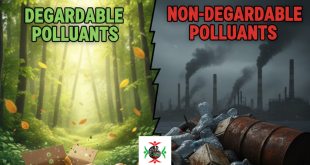
Prevention from Suicide, Addiction, Narcotics and Pollution. Withdrawal and Recovery Facts of Narcotics | Symptoms of Suicidal thoughts & Ideations | Effects of Environment Pollution | Understand Addiction withdrawal

Pollution is a pressing concern in today’s world, with its detrimental effects extending far beyond the environment. It significantly impacts human health, leading to various illnesses and diseases. Understanding the health effects of pollution is crucial for devising effective strategies to combat its adverse consequences.
Introduction
The Detrimental Effects of Pollution on Human Health. Pollution, in its broadest sense, refers to the introduction of harmful substances or contaminants into the environment, adversely affecting its natural balance. While pollution can manifest in various forms, including air, water, and soil pollution, its repercussions on human health are profound and wide-ranging.
Types of Pollution
Air Pollution
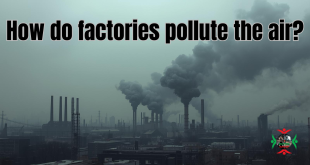
Among the most prevalent forms of pollution is air pollution, which results from the release of pollutants into the atmosphere from various sources such as industrial emissions, vehicle exhaust, and agricultural activities. These pollutants, including particulate matter, sulfur dioxide, nitrogen oxides, and volatile organic compounds, pose serious health risks to individuals exposed to them.
Water Pollution:
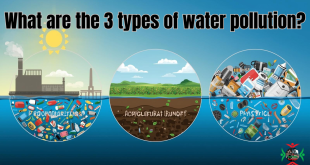
Water pollution occurs when harmful substances contaminate water bodies, such as lakes and rivers, from sources like industrial discharge and agricultural runoff. Pollutants pose risks to aquatic ecosystems and human health. Prevention involves implementing wastewater treatment systems and enforcing pollution control laws.
Soil Pollution:
Soil pollution happens when contaminants accumulate in the soil from activities like waste disposal and agriculture. Contaminated soil harms plant and animal life, degrades soil fertility, and can contaminate food crops. Remediation techniques include soil testing and sustainable agricultural practices.
Health Effects of Air Pollution
Respiratory Problems
Exposure to air pollutants poses a significant risk to respiratory health, manifesting in conditions like asthma, chronic obstructive pulmonary disease (COPD), and bronchitis. Of particular concern is particulate matter, which can infiltrate the deepest recesses of the lungs, triggering inflammation and worsening preexisting respiratory ailments. This heightened vulnerability to respiratory problems underscores the urgent need for comprehensive measures to mitigate air pollution and safeguard public health.
Cardiovascular Diseases
Air pollution is significantly linked to heightened susceptibility to cardiovascular diseases, encompassing heart attacks, strokes, and hypertension. Fine particulate matter, alongside pollutants such as carbon monoxide and ozone, acts as triggers for cardiovascular events by instigating inflammation, oxidative stress, and endothelial dysfunction within the body. These pollutants exacerbate existing conditions and contribute to the onset of cardiovascular ailments by disrupting the delicate balance of physiological processes, thereby amplifying the risk of adverse cardiac events and complications.
Cancer Risk
Furthermore, certain air pollutants have carcinogenic properties, contributing to the development of lung cancer and other malignancies. Prolonged exposure to substances like benzene, formaldehyde, and polycyclic aromatic hydrocarbons heightens the risk of cancer among exposed populations.
Impact of Water Pollution on Health
Water pollution occurs when contaminants contaminate bodies of water, making them unfit for human consumption or recreational activities. Common sources of water pollution include industrial discharge, agricultural runoff, and improper waste disposal.
Waterborne Diseases
Contaminated water sources can harbor pathogens such as bacteria, viruses, and parasites, leading to waterborne diseases like cholera, typhoid fever, and dysentery. These illnesses pose significant health risks, particularly in regions with inadequate sanitation and water treatment facilities.
Toxicity and Heavy Metal Exposure
Moreover, water pollution can result in exposure to toxic substances and heavy metals, which accumulate in the body over time and cause severe health complications. Mercury, lead, arsenic, and cadmium are among the hazardous pollutants found in contaminated water sources, posing risks to neurological, renal, and reproductive health.
Long-term Health Implications
Chronic exposure to polluted water can have long-term health implications, including developmental disorders, organ damage, and increased susceptibility to chronic diseases.
Soil Pollution and Its Health Ramifications
Soil pollution, often overlooked compared to air and water pollution, also poses significant health risks to humans. It occurs due to the accumulation of pollutants in the soil, primarily from industrial activities, improper waste disposal, and agricultural practices.
Contaminated Food Chain
Pollutants present in the soil can contaminate crops and produce, entering the food chain and ultimately reaching consumers. Consumption of contaminated food can lead to ingestion of toxins and heavy metals, potentially causing gastrointestinal disorders, neurological impairments, and other health problems.
Increased Risk of Diseases
Chemical pollutants like pesticides, herbicides, and industrial solvents pose particular health hazards to individuals working or residing in contaminated areas.
Vulnerable Groups Affected by Pollution
Certain demographic groups are more susceptible to the health effects of pollution, including:
- Children: Their developing bodies and immature immune systems make children more vulnerable to the adverse effects of pollution, leading to respiratory infections, developmental delays, and cognitive impairments.
- Elderly Individuals: Age-related decline in physiological functions and pre-existing health conditions render elderly individuals more susceptible to pollution-related health issues, exacerbating cardiovascular and respiratory conditions.
- People with Pre-existing Health Conditions: face unique challenges; moreover, they require tailored support and resources.
Global Perspective on Pollution and Health
The health effects of pollution vary across regions and populations, influenced by socioeconomic factors, environmental policies, and access to healthcare. Disparities in pollution exposure and health outcomes exist between developing and developed countries, highlighting the importance of addressing environmental justice issues and promoting equitable solutions.
Mitigation Strategies for Pollution-Related Health Effects
Addressing the health effects of pollution requires comprehensive strategies encompassing:
- Government Policies and Regulations: Implementation of stringent environmental regulations, emission standards, and pollution control measures to reduce pollutant emissions and protect public health.
- Public Awareness and Education: Raising awareness about the health risks of pollution and promoting sustainable practices to minimize environmental degradation and safeguard human health.
- Technological Advancements: Investing in clean technologies, renewable energy sources, and innovative pollution control technologies to mitigate the adverse effects of pollution on human health and the environment.
Conclusion
The health effects of pollution are undeniable, posing significant challenges to public health worldwide. The Detrimental Effects of Pollution on Human Health. To safeguard human health and well-being, concerted efforts are needed to address pollution at its source, implement effective mitigation measures, and promote sustainable practices for a cleaner and healthier environment.
References:
-
-
- World Health Organization. (2016). Ambient air pollution: A global assessment of exposure and burden of disease. World Health Organization.
- United Nations Environment Programme. (2019). Global environment outlook – GEO-6: Healthy planet, healthy people. United Nations Environment Programme.
- Environmental Protection Agency. (2021). Water pollution: Causes, effects, and solutions. Environmental Protection Agency.
- Sankoh, A. I., & Yan, X. (2019). Heavy metal contamination in surface water, groundwater, and soil of abandoned mines in Nigeria: A review. Journal of Health and Pollution, 9(24), 190609.
- United Nations. (2020). Soil pollution: A hidden reality. United Nations.
- World Health Organization. (2020). Children’s environmental health. World Health Organization.
- Landrigan, P. J., et al. (2018). The Lancet Commission on pollution and health. The Lancet, 391(10119), 462-512.
-