Prevention from Suicide, Addiction, Narcotics and Pollution. Withdrawal and Recovery Facts of Narcotics | Symptoms of Suicidal thoughts & Ideations | Effects of Environment Pollution | Understand Addiction withdrawal

Narcotic drugs are classified based on their medical use, potential for abuse, and safety. These classifications help regulate their distribution and use.
Understanding the classification of narcotic drugs is crucial for both medical professionals and the general public. Narcotics, also known as opioids, are substances primarily used for pain relief. They have significant potential for abuse and addiction. The classification system categorizes these drugs into schedules, reflecting their medical use and risk.
Schedule I drugs, for example, have no accepted medical use and a high potential for abuse. In contrast, Schedule II drugs have medical uses but still carry a high risk of dependency. Knowing these classifications helps ensure that narcotic drugs are used responsibly and effectively.
Introduction To Narcotic Drugs
Narcotic drugs have a significant impact on society. These drugs can reduce pain and induce sleep. They can also cause addiction and misuse. It’s important to understand their classification and effects.

History And Origin
People are using narcotic drugs for centuries. The ancient Greeks and Romans used opium for pain relief. In the 19th century, morphine was extracted from opium. This discovery changed the field of medicine. Doctors used morphine to treat severe pain.
Later on, heroin was synthesized from morphine. Heroin was initially marketed as a cough suppressant. Over time, it became clear that heroin was highly addictive. Laws were created to control its use. This marked the beginning of drug regulation.
Current Global Scenario
Narcotic drugs are considered both legal and illegal now. Prescription narcotics help manage pain. Illegal narcotics often lead to serious health issues. Governments around the world fight illegal drug trade. They implement strict laws and regulations.
A major global issue is opioid crisis . Many people suffer from opioid addiction. Countries are working together to find solutions. They aim to reduce addiction and overdoses.
| Type of Narcotic | Examples | Uses |
|---|---|---|
| Natural | Opium, Morphine | Pain relief |
| Semi-synthetic | Heroin, Oxycodone | Pain management, cough suppression |
| Synthetic | Fentanyl, Methadone | Pain management, opioid addiction treatment |
Understanding narcotic drugs is crucial. It helps in fighting addiction and misuse.
Legal Framework Governing Narcotics
The legal framework governing narcotics includes various laws and regulations. These laws ensure the control and regulation of narcotic drugs. Both international and national bodies oversee these regulations. Understanding these laws helps in comprehending how narcotics are classified and managed.
International Drug Control Conventions
International conventions determines the standards for drug control. They aim to regulate the production and distribution of narcotics. These conventions are agreed upon by many countries.
- Single Convention on Narcotic Drugs (1961): This treaty aims to limit the possession and use of drugs to medical and scientific purposes.
- Convention on Psychotropic Substances (1971): This treaty controls substances that affect the mind.
- United Nations Convention against Illicit Traffic in Narcotic Drugs and Psychotropic Substances (1988): This treaty addresses drug trafficking and related crimes.
National Drug Laws And Regulations
Each country has its own set of drug laws and regulations. These laws align with international conventions but also cater to national needs.
| Country | Main Drug Law | Key Features |
|---|---|---|
| United States | Controlled Substances Act (CSA) | Regulates the manufacturing and distribution of drugs. |
| United Kingdom | Misuse of Drugs Act (1971) | Categorizes drugs into classes A, B, and C. |
| Canada | Controlled Drugs and Substances Act | Controls the import, export, production, and distribution of drugs. |
National laws often categorize drugs into schedules. These schedules determine the legal status and penalties associated with each drug.
- Schedule I: High potential for abuse, no accepted medical use.
- Schedule II: High potential for abuse, some accepted medical uses.
- Schedule III: Lower potential for abuse, accepted medical uses.
- Schedule IV: Low potential for abuse, accepted medical uses.
- Schedule V: Lowest potential for abuse, accepted medical uses.
Understanding these schedules helps in knowing the legal implications of drug use and distribution.
Categories Of Narcotic Drugs
Narcotic drugs, also known as opioids, come in different forms. These drugs are classified based on their origin and chemical structure. Understanding these categories is crucial for proper usage and regulation. Below are the main categories of narcotic drugs.
Naturally Occurring Opiates
These drugs are derived directly from the opium poppy plant. They are the oldest and most well-known narcotics.
- Morphine: Used for severe pain relief. Often in hospitals.
- Codeine: Treats mild to moderate pain. Also used in cough syrups.
These opiates have been used for centuries. They are often found in their pure form or slightly modified versions.
Semi-synthetic Opioids
Semi-synthetic opioids are partly natural and partly synthetic. They offer more potency and different effects.
- Oxycodone: Commonly prescribed for chronic pain. Known by brand names like OxyContin.
- Hydrocodone: Often found in combination with acetaminophen. Known by brand names like Vicodin.
These drugs are created by chemically altering natural opiates. They are designed to improve effectiveness and reduce side effects.

footprintstorecovery.com
Fully Synthetic Opioids
These opioids are entirely man-made. They do not derive from the opium poppy.
- Fentanyl: Extremely potent. Used for severe pain and in surgery.
- Methadone: Used for pain and addiction treatment. Helps reduce withdrawal symptoms.
Fully synthetic opioids can be more powerful than natural opiates. They are often used in medical settings for specific treatments.
Comparison Table:
| Category | Examples | Usage |
|---|---|---|
| Naturally Occurring Opiates | Morphine, Codeine | Pain relief, cough suppression |
| Semi-synthetic Opioids | Oxycodone, Hydrocodone | Chronic pain relief, pain management |
| Fully Synthetic Opioids | Fentanyl, Methadone | Severe pain, addiction treatment |
Medical Uses Of Narcotics
Narcotic drugs, also known as opioids, play a crucial role in medicine. They have various medical applications that benefit patients worldwide. Understanding these uses helps in appreciating their value in medical treatments.
Pain Management
One of the primary medical uses of narcotics is pain management. These drugs are highly effective in treating severe pain. They help patients recover from surgeries or injuries. Doctors prescribe opioids like morphine and oxycodone for pain relief. They work by blocking pain signals to the brain.
- Post-surgery pain
- Chronic pain conditions
- Severe injury recovery
Anesthesia And Sedation
Narcotics are also used effectively in anesthesia and sedation. They help patients relax and reduce anxiety before medical procedures. Anesthesiologists use opioids like fentanyl during surgeries. They ensure patients remain unconscious and pain-free.
| Narcotic | Use in Anesthesia |
|---|---|
| Fentanyl | General anesthesia |
| Remifentanil | Surgical sedation |
Addiction Treatment
Ironically, narcotics also can be helpful in addiction treatment. Drugs like methadone and buprenorphine treat opioid addiction. They reduce withdrawal symptoms and cravings. This makes it easier for patients to recover from addiction.
- Methadone maintenance therapy
- Buprenorphine for opioid dependence
These treatments are often part of a comprehensive recovery program. They include counseling and support groups.
Mechanism Of Action
Understanding the mechanism of narcotic drugs is important. These drugs interact with the body in specific ways. This section will explain how they work. We will look at their interaction with opioid receptors and their effects on the central nervous system.
Interaction With Opioid Receptors
Narcotic drugs bind to opioid receptors in the brain. There are three types of opioid receptors: mu, delta, and kappa. Each receptor type causes different effects.
- Mu Receptors: These are the primary targets. They produce pain relief and euphoria.
- Delta Receptors: These play a role in mood regulation. They also contribute to pain relief.
- Kappa Receptors: These are involved in controlling pain. They also affect consciousness and motor control.
Effects On The Central Nervous System
Narcotic drugs have significant effects on the central nervous system (CNS). They alter the way the brain perceives pain. They also produce feelings of euphoria and relaxation.
The CNS effects can be summarized as follows:
| Effect | Description |
|---|---|
| Pain Relief | Reduces the sensation of pain. |
| Euphoria | Creates a feeling of intense happiness. |
| Relaxation | Induces a state of calm and relaxation. |
| Respiratory Depression | Slows down breathing rate. |
| Drowsiness | Makes the user feel sleepy and lethargic. |
Understanding these mechanisms helps in managing the use of narcotic drugs. It also aids in addressing potential abuse and side effects. Proper knowledge is key to safe usage.

Credit: nurseslabs.com
The Scheduling System
The scheduling system classifies drugs based on their medical use and abuse potential. This helps in regulating the availability and research of these substances. Understanding this system is crucial for everyone. It ensures that drugs are used safely and effectively.
Criteria For Drug Scheduling
Drugs are classified into schedules based on specific criteria. These include:
- Medical use: Whether the drug has any accepted medical usage.
- Abuse potential: The likelihood of the drug being abused.
- Dependence risk: The possibility of physical or psychological dependence.
Here is a table summarizing the criteria for each schedule:
| Schedule | Medical Use | Abuse Potential | Dependence Risk |
|---|---|---|---|
| Schedule I | No accepted medical use | High | Severe |
| Schedule II | Accepted medical use | High | Severe |
| Schedule III | Accepted medical use | Moderate | Moderate |
| Schedule IV | Accepted medical use | Low | Low |
| Schedule V | Accepted medical use | Lower than IV | Lower than IV |
Impact On Availability And Research
The scheduling system affects the availability of drugs. For example, Schedule I drugs are not available for medical use. They are also difficult to obtain for research. This limits scientific studies on these substances.
Schedule II drugs are available with restrictions. Medical professionals can prescribe them, but under strict regulations. This ensures their safe use while allowing medical benefits.
Drugs in Schedules III to V are more accessible. They have recognized medical uses and lower abuse potential. This makes them easier to research and use in medical treatments.
Risks And Side Effects
Narcotic drugs have many risks and side effects. Understanding these dangers is important for your safety and health. This section covers the main risks and side effects of narcotic drugs.
Dependency And Addiction
Narcotic drugs can cause dependency and addiction. Dependency means you need the drug to feel normal. Addiction means you crave the drug even if it harms you.
Here are some signs of addiction:
- Craving the drug all the time
- Needing more of the drug to get the same effect
- Failing to stop using the drug
- Neglecting responsibilities and activities
Overdose And Health Complications
An overdose can happen if you take too much of a narcotic drug. Overdose can be very serious and even cause death.
Here are some signs of an overdose:
- Slow or stopped breathing
- Extreme drowsiness
- Unconsciousness
- Cold, clammy skin
Narcotic drugs can also cause other health complications. These include:
| Health Complication | Description |
|---|---|
| Liver Damage | Caused by long-term drug use |
| Heart Problems | Increased risk of heart attack |
| Respiratory Issues | Breathing becomes difficult |
Understanding these risks and side effects can help you make better choices. Stay informed and stay safe.

Credit: datamyte.com
Non-medical Use And Abuse
The non-medical use of narcotic drugs exerts a significant risk. This section delves into the recreational use and patterns of abuse. Understanding these aspects helps in identifying and mitigating the risks associated with narcotics.
Recreational Use
Recreational use refers to taking narcotics without medical need. People often seek the euphoric effects of these drugs. This practice is dangerous and can lead to addiction. Common drugs used recreationally include opioids, heroin, and prescription painkillers.
- Opioids: Often misused for their pain-relief and euphoric effects.
- Heroin: An illegal drug derived from morphine, highly addictive.
- Prescription Painkillers: Medications like oxycodone and hydrocodone, often misused.
Patterns Of Abuse
Patterns of abuse vary among individuals. Some start with prescribed drugs and then misuse them. Others may begin with illegal substances. The common patterns include:
- Starting with prescription drugs and moving to illegal drugs.
- Combining multiple drugs for a stronger effect.
- Increasing dosage to achieve the same high.
The table below highlights common signs of abuse:
| Sign of Abuse | Description |
|---|---|
| Increased Dosage | Needing more of the drug to feel the same effects. |
| Social Withdrawal | Avoiding family and friends to use drugs. |
| Neglecting Responsibilities | Ignoring work, school, or home duties. |
Awareness of these patterns can help in early intervention. Addressing abuse promptly can prevent severe health consequences.
Prevention And Control Strategies
Effective prevention and control strategies play key role in managing narcotic drugs. These strategies help reduce the misuse and negative impacts of these substances. Below are some essential methods used to prevent and control narcotic drug misuse.
Education And Awareness Programs
Education and awareness programs play a crucial role. These programs inform the public about the dangers of narcotic drugs.
- Schools educate children about drug risks.
- Community workshops provide information to families.
- Media campaigns spread awareness widely.
These initiatives help people make informed choices. They also reduce the stigma around seeking help.
Law Enforcement And Policies
Law enforcement and policies are vital in controlling drug misuse. Strict laws prevent the illegal distribution of narcotic drugs.
| Strategy | Description |
|---|---|
| Strict Regulations | Governments enforce strict drug laws. |
| Monitoring Systems | Track and control drug distribution. |
| Penalties | Severe penalties for illegal activities. |
Effective policies ensure narcotic drugs are used responsibly. Monitoring systems help track drug distribution. Severe penalties deter illegal activities.
Treatment And Rehabilitation
Understanding the classification of narcotic drugs is significant. Equally important is knowing how to treat and rehabilitate those affected. Effective treatment often involves various stages. These stages aim to help individuals regain control of their lives.
Detoxification Processes
Detoxification is the first step in treatment. This process involves clearing the narcotic substances from the body. It can be challenging due to withdrawal symptoms.
- Medical Detox: Supervised by healthcare professionals. It ensures safety.
- Natural Detox: Involves stopping drug use without medical intervention. It requires strong willpower.
- Rapid Detox: Uses medication to speed up detoxification. It is fast but risky.
Each method has its pros and cons. Medical detox is the safest choice for most people.
Support Services And Recovery
Support services play a crucial role in recovery. They provide emotional and psychological help.
| Service | Description |
|---|---|
| Counseling | Offers one-on-one sessions with a therapist. Helps to address underlying issues. |
| Support Groups | Provides a community of people facing similar challenges. Encourages sharing and mutual support. |
| Medication | Helps manage withdrawal symptoms. Prescribed by doctors. |
Recovery is a long-term process. It involves continuous support and dedication.
- Join a support group.
- Attend regular counseling sessions.
- Follow a structured recovery plan.
These steps increase the chances of staying drug-free. Consistency is key.
The Role Of Healthcare Professionals
Healthcare professionals play an important role in managing narcotic drugs. They ensure these drugs are used safely and effectively. Their responsibilities include prescribing, monitoring, and reporting abuse.
Prescribing Practices
Prescribing narcotic drugs requires careful consideration. Doctors must evaluate the patient’s condition. They determine the appropriate dosage and duration.
Healthcare professionals must follow strict guidelines. These guidelines help prevent misuse and addiction. They ensure patients receive the correct treatment.
Below is a table summarizing key points in prescribing practices:
| Step | Description |
|---|---|
| Evaluation | Assess patient’s medical history and condition |
| Prescription | Determine appropriate dosage and duration |
| Guidelines | Follow strict prescribing guidelines |
Monitoring And Reporting Abuse
Monitoring patients is crucial. It helps detect signs of abuse early. Regular check-ups are necessary.
Healthcare professionals must observe and report any signs of drug abuse. Reporting helps authorities take action. It protects other patients from potential harm.
Here are some steps involved in monitoring and reporting abuse:
- Schedule regular check-ups
- Observe patient behavior
- Report any suspicious activity
Healthcare professionals have a significant role in narcotic drug management. Their actions ensure safe and effective use of these drugs.
International Efforts In Drug Control
Understanding the classification of narcotic drugs requires knowing international efforts. These efforts aim to control drug distribution and misuse. Global cooperation plays a crucial role in these initiatives.
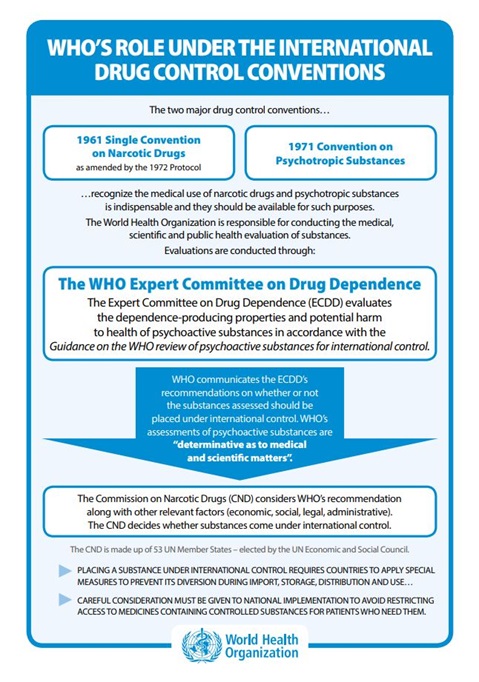
www.who.int
United Nations And Global Partnerships
The United Nations (UN) leads global drug control. The UN Office on Drugs and Crime (UNODC) plays a key role. They work with countries to enforce drug laws and reduce drug abuse.
The Single Convention on Narcotic Drugs of 1961 is a major treaty. It aims to limit the production and trade of narcotic drugs. Over 180 countries have signed this treaty. This makes it a powerful tool in drug control.
Another important treaty is the Convention on Psychotropic Substances of 1971. It regulates drugs like LSD and MDMA. Countries follow this treaty to control these substances.
The UN also works with other global organizations. These partnerships strengthen international drug control. For example, the World Health Organization (WHO) helps classify new drugs. They assess their medical value and potential for abuse.
Cross-border Initiatives And Cooperation
Multiple countries are often involved in drug trafficking. Cross-border initiatives are vital to control this issue. Countries must work together to stop the illegal drug trade.
Many countries share information and resources. This helps them track drug traffickers. They also conduct joint operations to seize illegal drugs.
One example of cross-border cooperation is the Paris Pact Initiative. This involves over 50 countries and organizations. They work together to combat the global drug problem.
Another example is the Triangular Initiative. This involves Afghanistan, Pakistan, and Iran. These countries work together to fight drug trafficking in their region.
Regional cooperation is also essential. Organizations like the European Union (EU) and the African Union (AU) play a role. They help member countries coordinate their drug control efforts.
| Organization | Role |
|---|---|
| UNODC | Leads global drug control initiatives |
| WHO | Classifies new drugs |
| Paris Pact Initiative | Combats global drug trafficking |
| Triangular Initiative | Fights drug trafficking in specific regions |
The Future Of Narcotics Classification
The classification of narcotic drugs is evolving. This evolution responds to new knowledge and changing societal views. Future classifications will be more precise. They will reflect advancements in science and shifts in legal and social norms.
Advancements In Pharmacology
Pharmacology is advancing rapidly. These advancements lead to better drug understanding. Scientists can now identify drug effects more precisely. This helps in creating more accurate classifications.
- New Research: Research provides deeper insights into drug interactions.
- Biotechnology: Biotechnology offers new ways to study drug mechanisms.
- Improved Testing: Testing methods are becoming more sophisticated.
These advancements ensure that drug classifications are based on solid scientific evidence. This will help in creating safer medical treatments.
Changing Legal And Social Landscapes
Legal and social landscapes are also changing. Public opinion on drug use is shifting. Laws are evolving to reflect these changes.
Legal Reforms:
| Country | Reform |
|---|---|
| USA | Decriminalization of marijuana in many states |
| Canada | Nationwide legalization of marijuana |
| Portugal | Decriminalization of all drugs |
These legal changes reflect a growing acceptance of some substances. They also show a shift towards treating addiction as a health issue. This impacts how narcotic drugs are classified.
Social Perception:
- Increased awareness of mental health
- Growing support for medical marijuana
- Changing views on addiction
These social changes influence laws and policies. They also affect the classification of narcotic drugs. Future classifications will be more aligned with contemporary views.
Frequently Asked Questions
What Are The Classification Of Narcotic Drugs?
Narcotic drugs are classified into natural opiates, semi-synthetic opioids and fully synthetic opioids. Natural opiates include morphine and codeine. Semi-synthetic opioids include heroin and oxycodone. Fully synthetic opioids include fentanyl and methadone.
What Are The 7 Categories Of Controlled Substances?
The 7 categories of controlled substances are narcotics, depressants, stimulants, hallucinogens, anabolic steroids, cannabinoids and inhalants. Each category includes drugs with specific effects and potential for abuse.
What Classifies A Drug As A Narcotic?
A drug is classified as a narcotic if it dulls the senses, relieves pain, and can cause addiction. Examples include opioids and certain painkillers.
What Is A Class 5 Narcotic?
A class 5 narcotic includes drugs with low potential for abuse and accepted medical use. Examples are cough preparations with less than 200 milligrams of codeine per 100 milliliters.
Conclusion
Understanding narcotic drug classifications is important for safety and compliance. This guide simplifies the complexities involved. Awareness helps in making informed decisions. Stay updated with regulations to avoid legal issues. Educate yourself and others for a safer community. Your knowledge can make a big difference.