Prevention from Suicide, Addiction, Narcotics and Pollution. Withdrawal and Recovery Facts of Narcotics | Symptoms of Suicidal thoughts & Ideations | Effects of Environment Pollution | Understand Addiction withdrawal
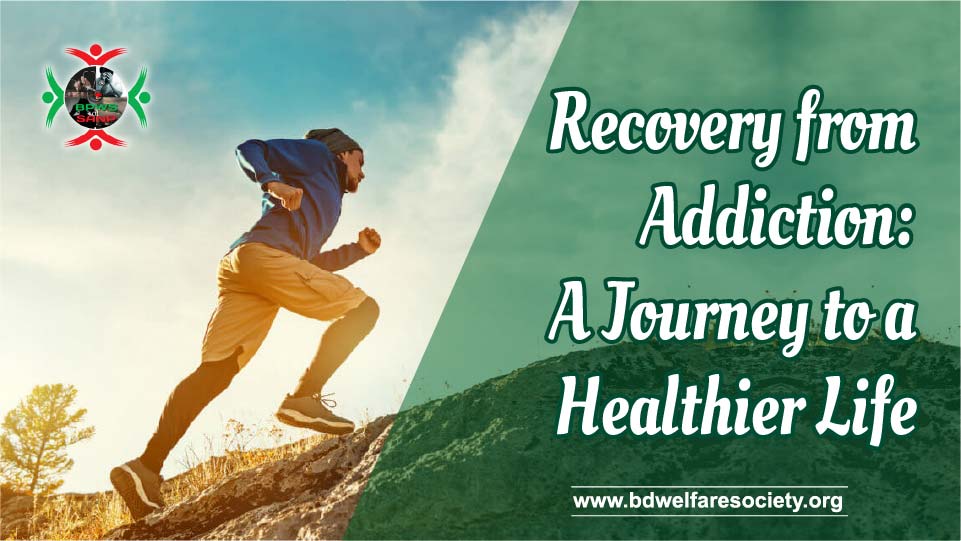
Recovery from addiction requires commitment and support. It is a challenging but achievable journey.
Addiction recovery involves overcoming physical and psychological dependencies. Professional help, such as therapy and counseling, plays a crucial role. Support from friends and family enhances the recovery process. Healthy lifestyle changes, including regular exercise and a balanced diet, aid in healing.
Staying committed to sobriety is essential for long-term success. Joining support groups offers a sense of community and shared experiences. Understanding triggers and developing coping strategies help prevent relapse. Recovery is a continuous process that demands patience and perseverance. Each step forward is progress. Celebrate small victories and stay focused on the ultimate goal of a healthier, addiction-free life.
Introduction To Addiction Recovery
Addiction recovery is a journey. It requires determination and support. Understanding the process can make a difference. This section aims to guide you through the basics.
The Path To Sobriety
The path to sobriety begins with acknowledgment. Accepting you need help is the first step. Next, create a plan. This plan should include your goals and timelines.
Here are some steps to help you on your path:
- Admit you have a problem
- Seek professional help
- Join support groups
- Stay away from triggers
- Adopt a healthy lifestyle
Each step is crucial. Following them increases your chances of success.
Importance Of Seeking Help
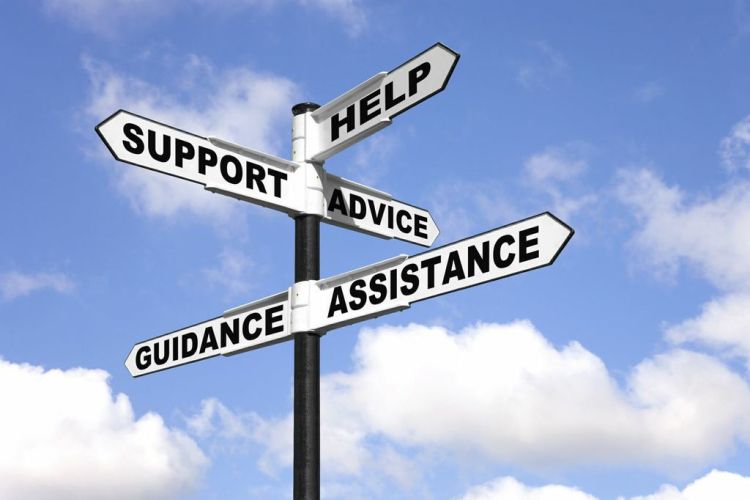
Seeking help is vital in addiction recovery. Professional help provides you with tools and strategies. These tools aid in handling cravings and avoiding relapse.
Support groups offer community and understanding. They give you a sense of belonging. Feeling connected can strengthen your resolve.
Here’s why seeking help is important:
| Reason | Benefit |
|---|---|
| Professional guidance | Offers expert advice and treatment |
| Support groups | Provide emotional support |
| Healthy environment | Avoids triggers and relapse |
Combining professional help and support groups can lead to a successful recovery.
Credit: www.recoveryplace.com
Acknowledging The Problem
Recovery from addiction begins with acknowledging the problem. This crucial step paves the way for healing. Many people struggle to accept their addiction. Acceptance is the first step toward recovery and a better life.
Recognizing Addiction Signs
Recognizing addiction signs helps in acknowledging the problem. Some common signs include:
- Frequent cravings
- Inability to control use
- Neglecting responsibilities
- Isolation from friends and family
- Physical withdrawal symptoms
Spotting these signs early can make a big difference. It helps in taking timely action. Friends and family can also help in recognizing these signs. They often notice changes in behavior and habits.
Overcoming Denial
Denial can be a significant barrier to recovery. Many people refuse to admit their addiction. Overcoming denial is essential for progress.
Here are some steps to overcome denial:
- Self-reflection: Spend time thinking about your behavior.
- Seek feedback: Ask trusted friends and family for their views.
- Educate yourself: Learn about addiction and its effects.
- Join support groups: Hear stories from others in recovery.
These steps can help break through denial. They can lead to acceptance and a willingness to seek help.
Importance Of Professional Help
Professional help is vital in the recovery process. Therapists and counselors can provide the necessary support. They offer tailored strategies to deal with addiction.
Finding a good therapist is crucial. Look for professionals with experience in addiction recovery. They can guide you through the journey with expertise and compassion.
Finding Support Systems
Recovering from addiction is a challenging journey. One of the most crucial steps is finding the right support systems. These systems provide emotional, psychological, and sometimes physical assistance. They play an essential role in ensuring long-term recovery. Let’s explore two key support systems: Family and Friends and Support Groups.
Family And Friends
Family and friends are often the first line of support. They know you best and can provide a sense of belonging and understanding. Their encouragement can be a powerful motivator. Here are some ways family and friends can help:
- Emotional Support: Offering a listening ear and understanding.
- Practical Help: Assisting with daily tasks and responsibilities.
- Accountability: Helping you stay on track with your recovery goals.
Having a trusted network of family and friends can make a significant difference. They can help you navigate the ups and downs of recovery.
Support Groups
Support groups are another vital component of recovery. These groups provide a safe space to share experiences and challenges. They foster a sense of community among individuals who understand your struggles. Here are some benefits of joining a support group:
- Shared Experiences: Learning from others who have been through similar situations.
- Peer Support: Gaining encouragement and advice from fellow members.
- Structured Meetings: Attending regular meetings to maintain focus and commitment.
Support groups often follow structured programs. These programs guide members through various stages of recovery. They can be a cornerstone of your recovery journey.
| Support System | Benefits |
|---|---|
| Family and Friends | Emotional support, practical help, accountability |
| Support Groups | Shared experiences, peer support, structured meetings |
Both family and friends and support groups offer unique benefits. Combining these can enhance your recovery process. They provide a balanced approach to overcoming addiction.
Detoxification Process
The detoxification process is the first step in recovery from addiction. It involves removing harmful substances from the body. This stage is crucial for a successful recovery journey. Understanding different detox options can help you make informed choices.
Medical Detox Options
Medical detox offers a safe and supervised environment. Doctors and nurses monitor your vital signs and provide medication. This helps manage withdrawal symptoms.
- Inpatient Detox: You stay at a facility for round-the-clock care.
- Outpatient Detox: You visit a clinic daily while staying at home.
Both options provide access to medical professionals. They ensure safety and comfort during the detox process.
Home Detox Risks
Home detox might seem convenient, but it carries risks. Without medical supervision, withdrawal symptoms can become severe.
- Health Risks: Severe symptoms can lead to medical emergencies.
- Relapse Risks: Lack of support increases the chance of relapse.
Attempting detox at home can be dangerous. It’s essential to seek professional help for a safer recovery.
Therapeutic Approaches
Recovery from addiction involves various therapeutic approaches. Each method offers unique benefits. These approaches help individuals build a new, healthy life. Two common methods are Cognitive Behavioral Therapy and Group Therapy.
Cognitive Behavioral Therapy
Cognitive Behavioral Therapy (CBT) helps people change their thinking. It focuses on identifying negative thoughts. These thoughts often lead to harmful behaviors. CBT teaches coping skills. These skills help manage triggers and stress.
Through CBT, individuals learn to:
- Recognize and challenge harmful thoughts
- Develop healthier thinking patterns
- Practice positive behaviors
CBT is effective for long-term recovery. It provides tools for everyday life. This approach empowers individuals to stay sober.
Group Therapy
Group Therapy offers support from peers. It creates a sense of community. Sharing experiences in a group helps individuals feel less alone. This support can be crucial for recovery.
Key benefits of Group Therapy include:
- Building a support network
- Learning from others’ experiences
- Receiving and giving encouragement
Group sessions often involve:
- Sharing personal stories
- Discussing challenges and solutions
- Practicing new skills in a safe environment
Group Therapy helps individuals feel understood. It fosters a sense of belonging. This community support is vital for lasting recovery.

Credit: www.marylandrecovery.com
Developing Coping Mechanisms
Recovery from addiction is a challenging journey. One of the critical steps in this journey is developing effective coping mechanisms. These skills help individuals manage stress, avoid triggers, and maintain a healthy lifestyle. Below, we explore some essential strategies for coping with addiction recovery.
Stress Management Techniques
Stress can be a significant trigger for relapse. Developing stress management techniques is essential for anyone recovering from addiction. Here are some effective methods:
- Mindfulness Meditation: This practice helps calm the mind and reduce stress levels.
- Deep Breathing Exercises: Simple breathing techniques can quickly lower stress.
- Progressive Muscle Relaxation: This technique involves tensing and relaxing muscles to release tension.
Incorporating these techniques into your daily routine can significantly help in managing stress.
Healthy Habits
Adopting healthy habits is vital in addiction recovery. These habits can improve physical and mental well-being. Here are some essential healthy habits:
| Habit | Benefits |
|---|---|
| Regular Exercise | Boosts mood, reduces stress, and improves overall health. |
| Balanced Diet | Provides the necessary nutrients for body and mind. |
| Adequate Sleep | Restores energy and improves mental clarity. |
| Hydration | Keeps the body functioning optimally. |
Maintaining these healthy habits can aid in sustaining long-term recovery and well-being.
Creating A Relapse Prevention Plan
Creating a relapse prevention plan is crucial for successful addiction recovery. A well-crafted plan helps to manage triggers and stay on the path to sobriety. Key components include identifying triggers, setting up emergency contacts, and establishing coping strategies.
Identifying Triggers
Triggers are situations or feelings that prompt the desire to use substances. Identifying triggers is essential to prevent relapse. Common triggers include stress, certain locations, or specific people. Make a list of your personal triggers. Recognizing these triggers helps in developing strategies to avoid or manage them.
- Stress: Work pressure, financial problems, family issues.
- Locations: Bars, clubs, old neighborhoods.
- People: Friends who use substances, unsupportive family members.
Once you know your triggers, create a plan to deal with them. This could involve avoiding certain places or seeking support in stressful times.
Emergency Contacts
Having emergency contacts is vital for immediate support. Choose people you trust and who understand your journey. These contacts can provide encouragement and help you stay on track.
| Name | Relationship | Phone Number |
|---|---|---|
| John Doe | Best Friend | 123-456-7890 |
| Jane Smith | Sponsor | 098-765-4321 |
| Mary Johnson | Therapist | 555-123-4567 |
Keep this contact list handy. Reach out to these people during challenging times. Their support can make a significant difference in your recovery journey.
Credit: www.risingphoenixaz.com
Building A Healthy Lifestyle
Recovery from addiction is a challenging journey. Building a healthy lifestyle can make it easier. Embracing healthy habits can support your recovery. Let’s explore how you can do this.
Exercise And Nutrition
Exercise can boost your mood and reduce stress. It’s a natural way to feel good. You don’t need to run a marathon. Simple activities like walking or yoga can help.
Nutrition is equally important. Eating a balanced diet helps your body heal. Focus on fruits, vegetables, and whole grains. Avoid processed foods and sugary drinks. Here’s a simple table to guide you:
| Food Group | Examples |
|---|---|
| Fruits | Apples, Bananas, Berries |
| Vegetables | Carrots, Spinach, Broccoli |
| Whole Grains | Brown Rice, Oats, Quinoa |
| Protein | Chicken, Fish, Beans |
Mindfulness Practices
Mindfulness helps you stay in the present. It reduces anxiety and stress. Try simple practices like deep breathing or meditation. Here are some steps to get started:
- Find a quiet place.
- Sit comfortably.
- Close your eyes.
- Focus on your breath.
- Notice your thoughts without judgment.
Yoga is another great mindfulness practice. It combines movement with breath. This helps calm your mind and strengthen your body. You can join a class or follow online videos.
Journaling is also beneficial. Write down your thoughts and feelings. This helps you understand your emotions better. You can start with simple prompts like:
- What am I grateful for today?
- How do I feel right now?
- What can I do to improve my mood?
Building a healthy lifestyle supports your recovery. Start small and stay consistent. Every positive step counts.
Rebuilding Relationships
Recovery from addiction is a long journey. One of the most important steps is rebuilding relationships. Trust may have been broken. Communication may have suffered. It is essential to restore these aspects. The healing process is vital for long-term recovery.
Restoring Trust
Trust is the foundation of any relationship. It can be hard to rebuild. Here are some steps to help:
- Be honest and open about your journey.
- Show consistency in your actions.
- Apologize sincerely for past mistakes.
- Set clear and achievable goals.
Effective Communication
Communication is key to rebuilding relationships. It involves both talking and listening. Follow these tips for effective communication:
- Practice active listening.
- Express your feelings clearly and calmly.
- Avoid blaming or criticizing.
- Be patient and give it time.
| Action | Benefit |
|---|---|
| Active Listening | Builds understanding and trust |
| Consistent Actions | Shows reliability and commitment |
| Clear Communication | Reduces misunderstandings |
| Patience | Allows time for healing |
Financial Stability
Recovery from addiction is a challenging journey. Achieving financial stability is a crucial aspect of this journey. It enables individuals to regain control over their lives. It also helps rebuild their confidence and independence.
Managing Finances
Effective management of finances is vital for those in recovery. Here are some tips to assist:
- Create a budget to track income and expenses.
- Set up a savings plan for future needs.
- Prioritize essential expenses like rent, utilities, and groceries.
- Avoid unnecessary debts by using cash instead of credit.
- Seek advice from a financial counselor if needed.
Employment Opportunities
Securing a job can significantly boost self-esteem and financial stability. Here are some employment options:
- Apply for entry-level positions in local businesses.
- Explore job opportunities in online platforms.
- Consider volunteer work to gain experience.
- Attend job fairs to network with potential employers.
- Utilize community resources for job placement assistance.
Finding the right job can be a stepping stone. It helps in achieving long-term recovery goals.
Continued Education And Skills
Recovery from addiction involves more than physical and mental health. Continued education and skills help in rebuilding lives. Learning new things can boost confidence and open doors to opportunities.
Pursuing Education
Education can be a powerful tool in recovery. Many find renewed purpose through learning. It offers a structured routine and positive focus.
Here are some ways to pursue education during recovery:
- Enroll in online courses
- Attend community college
- Join adult education programs
Online courses are flexible and accessible. They allow learning at your own pace. Community colleges offer a range of subjects and affordable fees. Adult education programs provide specific skills training and support.
Learning New Skills
Learning new skills can be therapeutic and empowering. It helps in building self-esteem and finding joy in new hobbies.
Consider these activities to learn new skills:
- Cooking classes
- Art and crafts workshops
- Fitness and wellness programs
Cooking classes teach healthy eating habits. Art and crafts workshops offer creative outlets. Fitness programs improve physical health and mental well-being.
Here is a table summarizing some skill-building activities:
| Activity | Benefits |
|---|---|
| Cooking Classes | Promote healthy eating and creativity |
| Art Workshops | Boost creativity and reduce stress |
| Fitness Programs | Enhance physical and mental health |
Engaging in these activities can lead to personal growth. They offer a chance to discover new passions and interests.
Long-term Goals
Recovery from addiction is a lifelong journey. Setting long-term goals helps you stay on track. It gives you purpose and motivation. These goals are essential for maintaining sobriety.
Setting Realistic Goals
Setting realistic goals is crucial for success. Start with small, achievable steps. This makes the journey less overwhelming.
- Identify your strengths and weaknesses.
- Break down big goals into smaller tasks.
- Set a timeline for each task.
Realistic goals boost your confidence. They show you that progress is possible.
Tracking Progress
Tracking your progress keeps you motivated. It helps you see how far you’ve come.
Use a journal or an app to record your achievements. Reflect on your journey regularly.
| Date | Goal Achieved | Notes |
|---|---|---|
| 01/01/2023 | Stayed sober for one month | Feeling stronger every day |
| 02/01/2023 | Attended all therapy sessions | Therapy is helping a lot |
Tracking progress helps you identify what works. It also shows areas that need improvement.

Finding Purpose And Passion
Recovery from addiction can be a challenging journey. One crucial aspect is finding purpose and passion. Engaging in meaningful activities helps you stay focused. It gives you a sense of accomplishment. Below are some ways to find purpose and passion.
Hobbies And Interests
Rediscovering hobbies can be a great start. Think about what you enjoyed before addiction. Maybe it was painting, gardening, or playing a musical instrument. Engaging in these activities can bring joy and fulfillment.
- Painting: Express your emotions through colors and creativity.
- Gardening: Nurture plants and watch them grow.
- Music: Play an instrument or listen to your favorite songs.
Trying new hobbies can also be exciting. Join a cooking class or start a new sport. The key is to stay active and engaged.
Volunteer Work
Helping others can give your life meaning. Volunteer work is a great way to do this. It allows you to give back to the community.
| Type of Volunteer Work | Benefits |
|---|---|
| Animal Shelters | Care for animals, feel their gratitude. |
| Soup Kitchens | Provide meals, meet new people. |
| Community Clean-Ups | Improve your neighborhood, stay active. |
Volunteer work helps you connect with others. It boosts your self-esteem and provides a sense of purpose.
Dealing With Setbacks
Recovery from addiction is a long journey. Setbacks are common. Knowing how to deal with them is crucial. This section covers handling relapses and maintaining motivation.
Handling Relapses
Relapses can feel discouraging. It is important to stay calm. Understand that relapses are part of recovery. Here are some steps to handle them:
- Acknowledge the relapse: Accept what happened. It’s the first step to move forward.
- Seek support: Talk to a counselor or support group.
- Identify triggers: Understand what caused the relapse.
- Create a plan: Develop a strategy to avoid future relapses.
Maintaining Motivation
Staying motivated is key in recovery. Here are some tips to keep your spirits high:
- Set small goals: Achieve them step by step.
- Celebrate progress: Reward yourself for milestones reached.
- Stay connected: Maintain relationships with positive influences.
- Practice self-care: Take care of your body and mind.
Remember, recovery is a journey. Every step forward counts.
Conclusion And Moving Forward
Recovery from addiction is a journey filled with challenges and victories. It requires dedication, patience, and support. As you move forward, it’s crucial to recognize your progress and continue growing. This section will focus on celebrating milestones and continual growth.
Celebrating Milestones
Every step in recovery is a significant achievement. Celebrate small victories to stay motivated. Create a list of milestones to track your progress:
- One Week Sober: Enjoy a special treat or activity.
- One Month Sober: Share your success with loved ones.
- Three Months Sober: Reflect on your journey and set new goals.
- Six Months Sober: Reward yourself with a meaningful gift.
- One Year Sober: Celebrate with a significant event or trip.
Recognizing these milestones can boost your confidence and reinforce your commitment to recovery.
Continual Growth
Continual growth is essential for long-term success. Focus on self-improvement and personal development. Consider these strategies:
| Strategy | Description |
|---|---|
| Education | Learn new skills or pursue further education. |
| Healthy Habits | Adopt a balanced diet and regular exercise routine. |
| Mindfulness | Practice meditation and stress-relief techniques. |
| Support Networks | Engage in support groups and build strong relationships. |
These strategies can help you maintain a positive outlook and continue growing.
Frequently Asked Questions
What Are The Five Recovery Skills?
The five recovery skills are mindfulness, emotional regulation, distress tolerance, interpersonal effectiveness, and self-care. These help in managing stress and promoting mental well-being.
What Does Life Look Like In Recovery?
Life in recovery involves building healthy habits, maintaining sobriety, and reconnecting with loved ones. You gain clarity and purpose.
What Is The Coping Model Of Addiction?
The coping model of addiction views substance use as a maladaptive way to manage stress and emotions. It emphasizes developing healthier coping mechanisms to overcome addiction.
What Are The First Steps To Recovery From Addiction?
The first steps include acknowledging the addiction, seeking professional help, and creating a support network. Detoxification may be required.
Conclusion
Recovery from addiction is a challenging journey, but it’s possible with the right support and dedication. Embrace each step forward. Celebrate small victories and stay connected with a supportive community. Remember, every effort counts towards a healthier, addiction-free life. Stay committed to your recovery and continue seeking positive changes.