Prevention from Suicide, Addiction, Narcotics and Pollution. Withdrawal and Recovery Facts of Narcotics | Symptoms of Suicidal thoughts & Ideations | Effects of Environment Pollution | Understand Addiction withdrawal

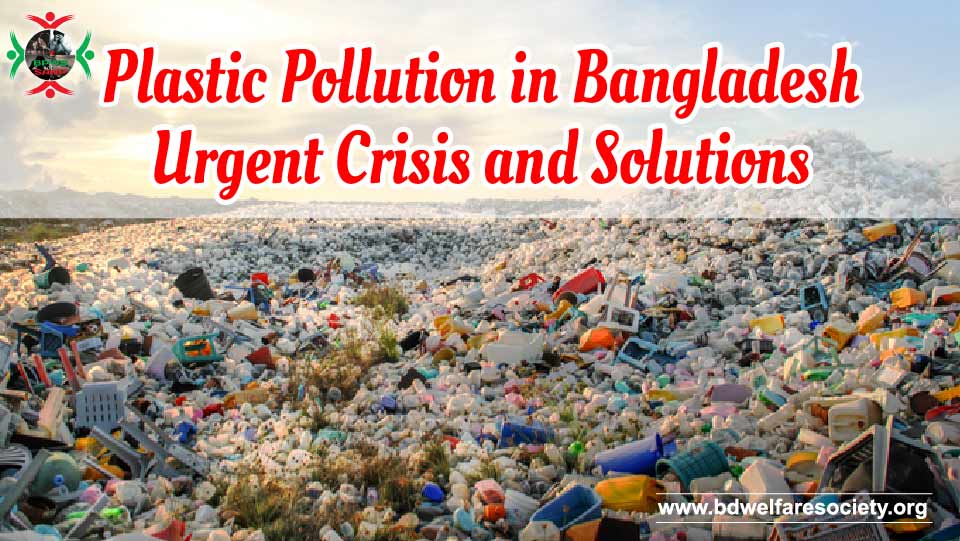
Plastic pollution in Bangladesh is a significant environmental issue. It threatens marine life, human health, and natural ecosystems.
Bangladesh faces an escalating crisis with plastic waste. The country’s rapid urbanization and population growth contribute to increased plastic consumption. Single-use plastics dominate daily life, leading to severe pollution in rivers, oceans, and urban areas. Poor waste management systems exacerbate the problem, as plastic often ends up in landfills or waterways.
This pollution harms marine life and contaminates food sources. Addressing this issue requires stringent policies, public awareness, and effective recycling initiatives. Collaborative efforts between government, communities, and industries are essential for reducing plastic waste and protecting the environment. Sustainable alternatives and responsible consumption can pave the way for a cleaner, greener Bangladesh.
Introduction To Plastic Pollution
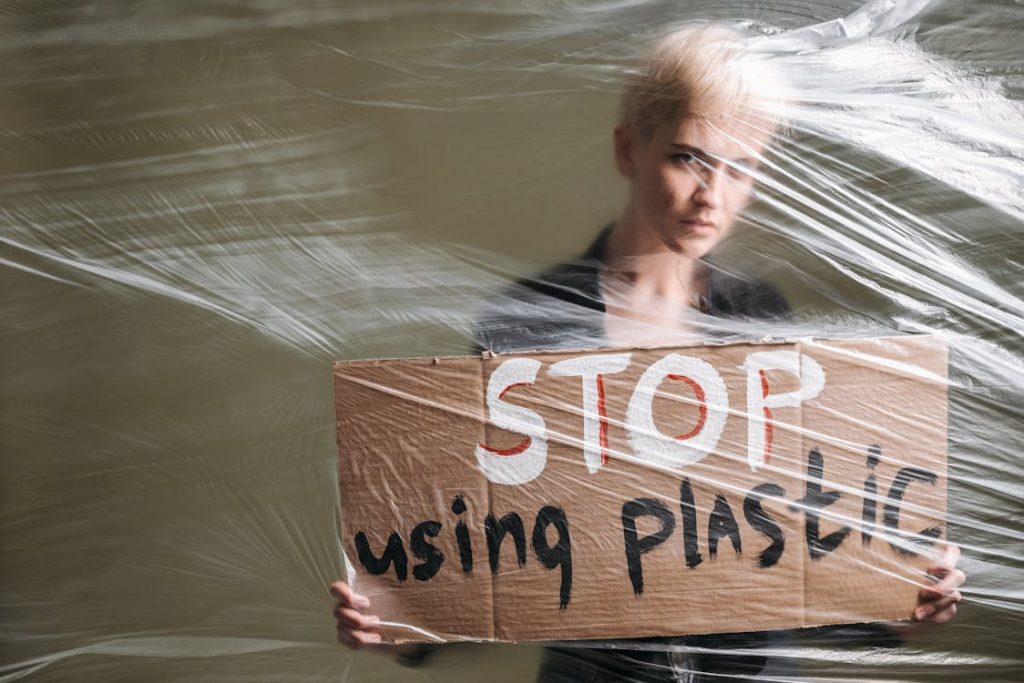
Plastic pollution is a growing issue in Bangladesh. The use of plastic has skyrocketed in recent years. This has led to severe environmental challenges. Understanding the current state and its impact is essential.
Current State
Bangladesh produces an enormous amount of plastic waste each year. A large portion of this waste is not properly managed. Plastic bags and bottles are common litter on streets and in water bodies. According to a recent report:
| Year | Plastic Waste (tons) |
|---|---|
| 2018 | 821,250 |
| 2019 | 890,000 |
| 2020 | 970,500 |
This rapid increase in plastic waste strains waste management systems. Urban areas are particularly affected.
Impact On Environment
Plastic pollution has a severe impact on the environment. It affects both land and water ecosystems. Plastic waste blocks drainage systems, leading to urban flooding. Marine life is also at risk. Animals often mistake plastic for food. This can lead to choking or starvation.
Furthermore, plastic breaks down into microplastics. These tiny particles contaminate soil and water. They enter the food chain, affecting both humans and animals. The presence of plastic in water bodies also reduces water quality. This makes it unsafe for drinking and irrigation.
Efforts to manage plastic waste must be increased. Public awareness and government initiatives can play a crucial role. Addressing plastic pollution is essential for a healthier environment.
Sources Of Plastic Waste
Plastic pollution in Bangladesh is a serious issue. Understanding the sources of plastic waste can help us address the problem. There are two main sources: domestic waste and industrial waste. Each contributes significantly to the pollution levels.
Domestic Waste
Households are major contributors to plastic waste. Daily use items like plastic bottles, bags, and packaging materials add up. Many people use single-use plastics without thinking. These plastics often end up in rivers and oceans.
Improper disposal of plastic items is common. This leads to clogged drains and polluted water bodies. Education on proper waste disposal is essential. Recycling initiatives can also make a big difference.
Industrial Waste
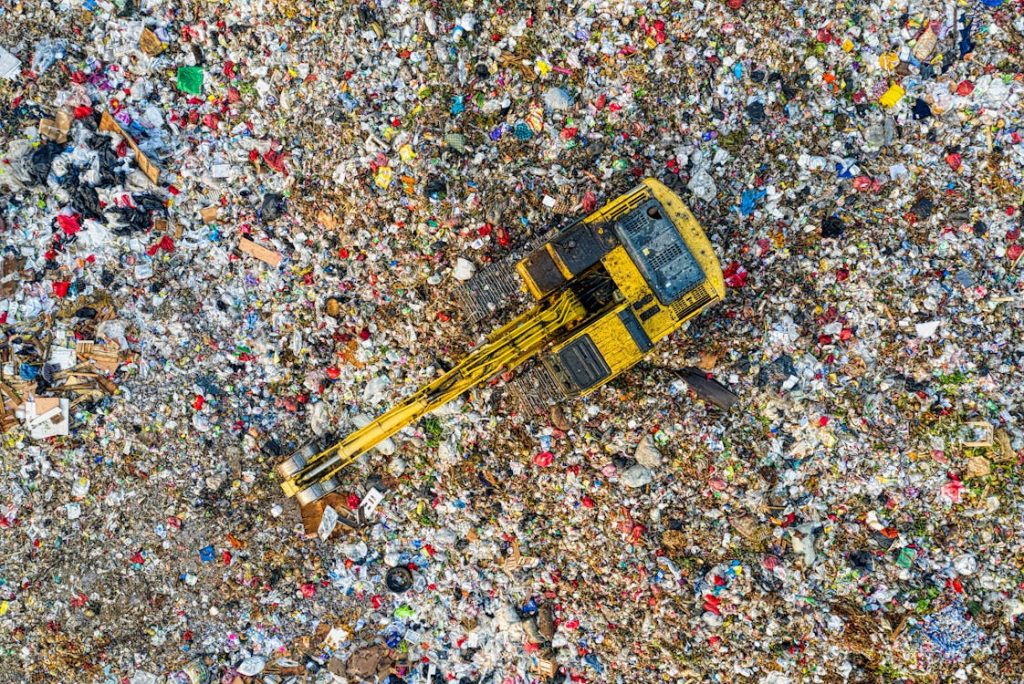
Industries produce large amounts of plastic waste. Factories use plastics in packaging and production processes. This waste often gets dumped in landfills or nearby water bodies.
Some industries lack proper waste management systems. This leads to uncontrolled plastic waste. Strict regulations and better waste management practices are needed. Encouraging industries to use eco-friendly materials can also help.
Effects On Marine Life
Plastic pollution in Bangladesh poses a severe threat to marine life. The country’s coastal and marine ecosystems are increasingly contaminated by plastic waste. This pollution has dire consequences for marine creatures, disrupting their habitats and endangering their lives.
Ocean Pollution
Ocean pollution in Bangladesh is alarming. Tons of plastic waste end up in the ocean every year. This waste includes plastic bags, bottles, and packaging materials. Once in the ocean, these plastics break down into smaller particles called microplastics.
Marine animals, such as fish and turtles, often mistake plastic for food. Consuming plastic can cause choking, starvation, and even death. Furthermore, microplastics can accumulate in the bodies of marine creatures. This accumulation leads to long-term health issues and affects the entire food chain.
Biodiversity Loss
Biodiversity loss is another critical effect of plastic pollution. Marine species in Bangladesh’s waters are increasingly threatened by plastic waste. This threat extends to coral reefs, mangroves, and seagrass beds.
The table below illustrates the impact of plastic pollution on various marine species:
| Species | Impact of Plastic Pollution |
|---|---|
| Fish | Ingestion of plastic particles, leading to internal injuries |
| Turtles | Entanglement in plastic debris, causing restricted movement |
| Seabirds | Feeding plastic to chicks, resulting in malnutrition |
Marine ecosystems are interconnected. The loss of one species impacts others. For example, if fish populations decline, predators like dolphins and sharks suffer. This chain reaction can lead to a significant decline in marine biodiversity.
Reducing plastic pollution is vital to protect marine life in Bangladesh. Efforts must focus on waste management, public awareness, and policy changes to reduce plastic use.
Health Implications
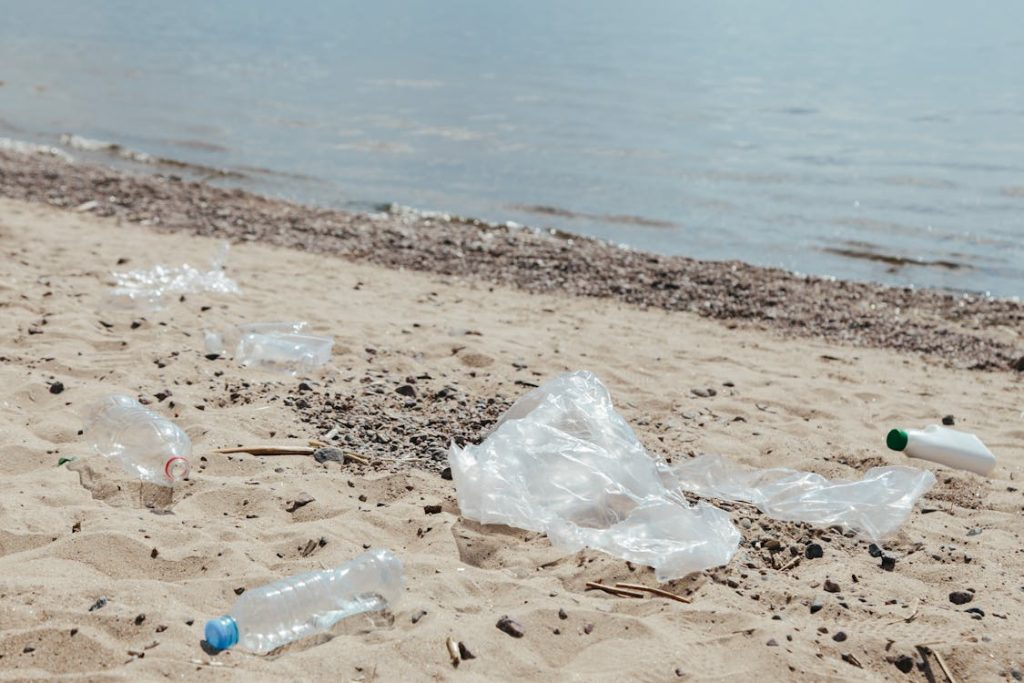
Plastic pollution in Bangladesh poses serious health risks. Exposure to plastic waste affects human health in many ways. This section discusses the key health implications of plastic pollution.
Human Health Risks
Plastic pollution can cause many health issues. Toxic chemicals in plastics can enter the human body. These chemicals disrupt hormones and immune systems.
People living near landfills face greater risks. They inhale polluted air and drink contaminated water. Such exposure leads to respiratory problems and cancers.
Workers handling plastic waste are also at risk. They suffer from skin diseases and respiratory issues. Proper safety measures are often lacking.
Contaminated Food Chain
Plastic pollution affects the entire food chain. Microplastics in water bodies enter fish and other marine life. Humans consuming these fish ingest microplastics too.
Studies show that microplastics are found in salt, honey, and even drinking water. This widespread contamination poses severe health risks.
The table below shows common sources of microplastics in food:
| Source | Microplastics Found |
|---|---|
| Fish | High Levels |
| Salt | Moderate Levels |
| Honey | Low Levels |
Reducing plastic pollution is essential. It safeguards human health and the environment. Everyone must act responsibly to tackle this issue.
Economic Consequences
Plastic pollution poses significant economic challenges in Bangladesh. The costs impact various sectors, including tourism and public health. These economic consequences strain the country’s resources and hinder development.
Tourism Impact
Plastic pollution affects Bangladesh’s tourism industry. Tourists avoid polluted beaches and rivers. This leads to reduced visitor numbers. Fewer tourists mean less income for local businesses.
Hotels and restaurants suffer from fewer customers. Tour guides and transport services also lose earnings. This impacts the livelihoods of many people.
Beach clean-ups become necessary to attract tourists. These clean-ups require significant resources and time.
Clean-up Costs
The government spends money on plastic pollution clean-ups. These costs are high and ongoing. Funds used for clean-ups could be spent on other important areas.
| Expense Type | Annual Cost (in USD) |
|---|---|
| Beach Clean-ups | 1,000,000 |
| River Clean-ups | 500,000 |
| Waste Management | 2,000,000 |
Municipalities face increased waste management costs due to plastic pollution. These costs include collection, transportation, and disposal of plastic waste.
Efforts to reduce plastic use can help lower these costs. Promoting recycling and sustainable alternatives are crucial steps.
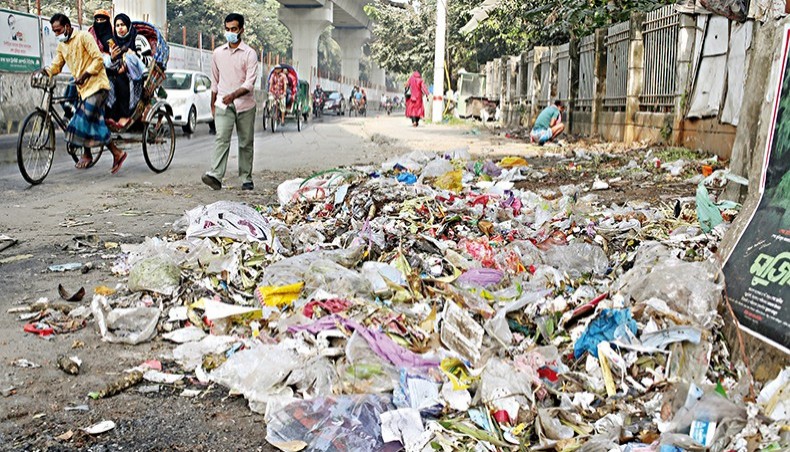
Credit: www.newagebd.net
Government Policies
Bangladesh faces significant plastic pollution. The government has created policies to fight this problem. These policies aim to reduce plastic waste and protect the environment.
Regulations
The government has introduced several regulations. These regulations include bans on plastic bags and single-use plastics. The Plastic Bag Prohibition Act came into effect in 2002. It bans the use of thin plastic bags in the country.
Other regulations focus on promoting biodegradable alternatives. The government encourages businesses to use eco-friendly packaging. There are also guidelines for recycling plastic waste.
Enforcement Challenges
Enforcing these regulations is a big challenge. There are several reasons for this. First, lack of resources is a major issue. Many areas lack the manpower to enforce the laws.
Second, public awareness is low. Many people are unaware of the dangers of plastic pollution. They continue to use plastic products without thinking of the consequences.
Third, there is limited infrastructure for waste management. Proper waste collection and recycling systems are not in place. This makes it hard to manage plastic waste effectively.
| Challenges | Description |
|---|---|
| Lack of Resources | Insufficient manpower to enforce laws. |
| Public Awareness | Low awareness about plastic pollution. |
| Limited Infrastructure | Poor waste management systems. |
Community Initiatives
Plastic pollution in Bangladesh is a growing concern. Community initiatives are crucial in tackling this issue. These efforts involve local clean-up drives and awareness campaigns. Let’s explore how these initiatives make a difference.
Local Clean-up Drives
Local clean-up drives are a great way to fight plastic pollution. Communities gather to pick up plastic waste. These drives often take place in public spaces. Parks, beaches, and streets are common targets. Volunteers work together to clean these areas.
Schools and colleges also join these efforts. Students learn the importance of a clean environment. These drives not only clean spaces but also educate the public. They show the impact of plastic waste on our surroundings.
| Location | Participants | Plastic Collected |
|---|---|---|
| Cox’s Bazar Beach | 200 | 500 kg |
| Sundarbans | 150 | 300 kg |
Awareness Campaigns
Awareness campaigns play a vital role in reducing plastic pollution. These campaigns inform people about the dangers of plastic waste. They teach ways to reduce plastic use. Schools, NGOs, and local governments often lead these efforts.
Campaigns use various methods to reach people. Posters, social media, and workshops are common tools. They emphasize the benefits of recycling and using reusable items. These messages encourage people to make eco-friendly choices.
Some key strategies include:
- Educational workshops in schools
- Social media challenges promoting reusable bags
- Community meetings discussing waste management
These initiatives help create a more informed and responsible community. As a result, they contribute to a cleaner and healthier Bangladesh.

Credit: m.youtube.com
Innovative Solutions
Bangladesh is facing a severe challenge with plastic pollution. Innovative solutions are crucial for addressing this issue. These solutions can help reduce plastic waste and promote a cleaner environment. Below, we explore some of the key initiatives under the subheadings: Recycling Programs and Biodegradable Alternatives.
Recycling Programs
Recycling programs play a vital role in managing plastic waste. These programs involve collecting, sorting, and processing plastics. They transform plastic waste into reusable materials.
Community-based recycling initiatives are gaining popularity in Bangladesh. These initiatives encourage residents to separate and dispose of plastics responsibly. Educational campaigns raise awareness about the importance of recycling.
| Program | Location | Impact |
|---|---|---|
| Waste Concern | Dhaka | Reduces landfill waste by 10% |
| Plastics for Change | Chittagong | Supports local recycling businesses |
Biodegradable Alternatives
Biodegradable alternatives can help reduce plastic pollution. These materials break down faster than traditional plastics. They minimize environmental harm and are safer for wildlife.
Biodegradable bags are becoming more common in Bangladesh. These bags are made from natural materials. They decompose within months instead of years.
- Plant-based plastics
- Compostable packaging
- Eco-friendly utensils
Businesses are adopting these alternatives to reduce their plastic footprint. This shift promotes sustainability and supports a healthier planet.
Corporate Responsibility
Plastic pollution is a major issue in Bangladesh. Corporations play a key role in addressing this crisis. They have the power to make significant changes. By adopting sustainable practices, they can reduce plastic waste. Corporate partnerships can also help tackle this problem. Let’s explore how these strategies can make a difference.
Sustainable Practices
Many companies in Bangladesh are adopting sustainable practices. These practices help reduce plastic pollution. Here are some key initiatives:
- Using biodegradable materials for packaging
- Implementing recycling programs
- Reducing single-use plastics in their operations
For example, some companies are switching to biodegradable packaging. This reduces the amount of plastic waste. Others are setting up recycling programs. These programs encourage consumers to recycle their plastic waste. Reducing single-use plastics is another important step. Many companies are now using reusable materials instead.
Corporate Partnerships
Corporate partnerships are essential in fighting plastic pollution. By working together, companies can have a greater impact. These partnerships often focus on:
- Joint recycling programs
- Awareness campaigns
- Research and innovation
For instance, two companies might create a joint recycling program. This program can collect and recycle plastic waste from both companies. Awareness campaigns are another powerful tool. Companies can educate the public about the dangers of plastic pollution. Research and innovation are also crucial. By investing in new technologies, companies can find better ways to manage plastic waste.
| Initiative | Impact |
|---|---|
| Biodegradable Packaging | Reduces plastic waste |
| Recycling Programs | Encourages recycling |
| Reducing Single-Use Plastics | Less plastic pollution |
| Joint Recycling Programs | Greater impact |
| Awareness Campaigns | Educates the public |
| Research and Innovation | New solutions |
Educational Efforts
Plastic pollution is a major problem in Bangladesh. It harms the environment and people’s health. Educational efforts can help reduce plastic pollution. Schools and public workshops are key ways to spread awareness.

School Programs
Schools in Bangladesh are teaching students about plastic pollution. These programs show students how plastic harms the environment. They also teach kids how to reduce plastic use.
- Schools organize clean-up drives in local areas.
- Teachers conduct interactive sessions on plastic recycling.
- Students participate in art competitions using recycled materials.
These activities make learning fun and engaging. They also encourage students to take action against plastic pollution.
Public Workshops
Public workshops play a vital role in educating communities. These workshops are open to all age groups.
- Workshops provide information on the dangers of plastic waste.
- Experts demonstrate ways to reduce, reuse, and recycle plastic.
- Participants learn to make eco-friendly alternatives.
Workshops often include hands-on activities. For example, people learn how to make bags from old clothes. This helps reduce plastic bag use.
Educational efforts are essential to combat plastic pollution in Bangladesh. School programs and public workshops can create lasting change.
Technological Advances
Plastic pollution in Bangladesh poses a significant environmental threat. Technological advances are crucial to tackling this issue. New innovations provide hope for reducing plastic waste and its impact.
Waste Management Technologies
Bangladesh is exploring advanced waste management technologies to handle plastic pollution. These technologies help in sorting, recycling, and converting waste into useful materials.
One prominent technology is the Mechanical Recycling process. It involves collecting and shredding plastic waste into small pieces. These pieces are then melted and remolded into new products.
Another innovative method is Chemical Recycling. This process breaks down plastic into its original chemical components. The resulting chemicals can be reused to make new plastics or other products.
Waste-to-Energy technology is also gaining attention. It converts non-recyclable plastic waste into energy. This energy can then be used to generate electricity or heat.
Plastic Alternatives
Exploring plastic alternatives is another vital aspect of technological advances. Researchers are developing eco-friendly materials to replace traditional plastics.
Biodegradable Plastics are made from natural materials like corn starch or sugarcane. These plastics break down more easily and reduce environmental impact.
Edible Packaging is an innovative alternative gaining popularity. Made from materials like seaweed or rice paper, this packaging is safe to eat and leaves no waste.
Reusable Materials like stainless steel, glass, and bamboo are also being promoted. These materials can replace single-use plastics in everyday items like straws, bottles, and cutlery.
Plant-Based Plastics are another promising alternative. These are made from renewable resources and have a lower carbon footprint. They offer a sustainable option for reducing plastic pollution.

Case Studies
Plastic pollution is a pressing issue in Bangladesh. This section delves into specific case studies that highlight efforts to combat this environmental challenge.
Successful Initiatives
Several initiatives in Bangladesh have shown promising results in reducing plastic pollution.
| Initiative | Details |
|---|---|
| Waste Concern | Waste Concern is a social business enterprise. It focuses on recycling waste into resources. They have converted waste into compost, which helps reduce plastic waste. |
| Plastic Bank | Plastic Bank empowers communities to collect and trade plastic waste. They offer incentives in exchange for plastic, encouraging more people to participate. |
| Government Ban on Single-Use Plastics | The government has banned single-use plastics in certain areas. This measure has significantly reduced plastic waste in those regions. |
Lessons Learned
From these initiatives, several key lessons have emerged:
- Community Involvement: Local communities play a crucial role. Their participation determines the success of any initiative.
- Incentives Work: Offering incentives for plastic collection motivates people. It encourages them to collect and recycle plastic waste.
- Government Policies: Strong government policies can drive significant change. Bans and regulations help reduce plastic pollution.
- Education and Awareness: Educating people about the dangers of plastic pollution is vital. Awareness campaigns make people more conscious of their actions.
These lessons can guide future efforts in tackling plastic pollution.
International Collaboration
International collaboration plays a crucial role in tackling plastic pollution in Bangladesh. By working together, countries can share resources, technology, and expertise. This united effort is essential to address the growing environmental crisis.
Global Partnerships
Global partnerships bring countries together to combat plastic pollution. Bangladesh has joined forces with nations around the world. These collaborations help develop effective strategies and solutions.
- UN Environment Programme (UNEP): Provides guidance and support for sustainable practices.
- World Bank: Funds projects to reduce plastic waste.
- Global Plastic Action Partnership (GPAP): Connects governments, businesses, and communities.
Shared Strategies
Shared strategies are essential for successful plastic pollution management. By learning from each other, countries can implement best practices. Here are some key approaches:
- Recycling Programs: Establishing effective recycling systems to manage waste.
- Public Awareness Campaigns: Educating citizens about the dangers of plastic pollution.
- Innovative Technologies: Using advanced technologies to reduce plastic waste.
| Country | Strategy | Impact |
|---|---|---|
| Bangladesh | Recycling Programs | Reduced plastic waste |
| Germany | Public Awareness Campaigns | Increased recycling rates |
| Japan | Innovative Technologies | Less plastic in oceans |
Future Outlook
Plastic pollution in Bangladesh is a critical issue. The future looks challenging, but there is hope. Addressing this problem requires commitment and strategic planning. This section explores the long-term goals and a sustainable future for Bangladesh.
Long-term Goals
Bangladesh aims to reduce plastic waste significantly. This involves several key objectives:
- Implementing effective waste management systems
- Promoting recycling and reuse of plastics
- Educating the public about plastic pollution
- Encouraging the use of biodegradable materials
These goals are crucial for a cleaner and healthier environment.
Sustainable Future
Creating a sustainable future involves innovative approaches. Bangladesh can adopt the following measures:
- Investing in research and development
- Supporting eco-friendly businesses
- Implementing strict regulations on plastic production and use
- Collaborating with international organizations
These measures ensure long-term benefits for the environment and economy.
Here is a summary table of the key strategies:
| Strategy | Description | Impact |
|---|---|---|
| Waste Management | Improved systems for collection and disposal | Reduces environmental pollution |
| Recycling | Encouraging reuse of plastic products | Minimizes waste generation |
| Public Education | Informing citizens about the impacts of plastic | Promotes responsible behavior |
| Eco-friendly Materials | Using biodegradable alternatives | Lessens plastic footprint |
Bangladesh can achieve a cleaner and greener environment. This requires collective effort and consistent action.

Credit: www.eeer.org
Frequently Asked Questions
How Much Plastic Pollution Is In Bangladesh?
Bangladesh faces severe plastic pollution, with an estimated 821,250 tons of plastic waste generated annually. Urban areas contribute significantly.
Which Product Is The Most Responsible For Plastic Pollution In Bangladesh?
Plastic bags are the most responsible for plastic pollution in Bangladesh. They are widely used and improperly disposed.
Why Did Bangladesh Ban Plastic?
Bangladesh banned plastic to reduce pollution and protect the environment. Plastic waste clogs drains, causes flooding, and harms wildlife.
What Is The Main Cause Of Pollution In Bangladesh?
The main cause of pollution in Bangladesh is industrial waste. Factories discharge untreated waste into rivers and air, leading to severe pollution.
Conclusion
Plastic pollution in Bangladesh is a growing concern. It harms the environment and public health. Immediate action is needed to reduce plastic waste. Everyone can contribute by using eco-friendly alternatives. Strong policies and public awareness are crucial. Together, we can create a cleaner, healthier Bangladesh.