Prevention from Suicide, Addiction, Narcotics and Pollution. Withdrawal and Recovery Facts of Narcotics | Symptoms of Suicidal thoughts & Ideations | Effects of Environment Pollution | Understand Addiction withdrawal
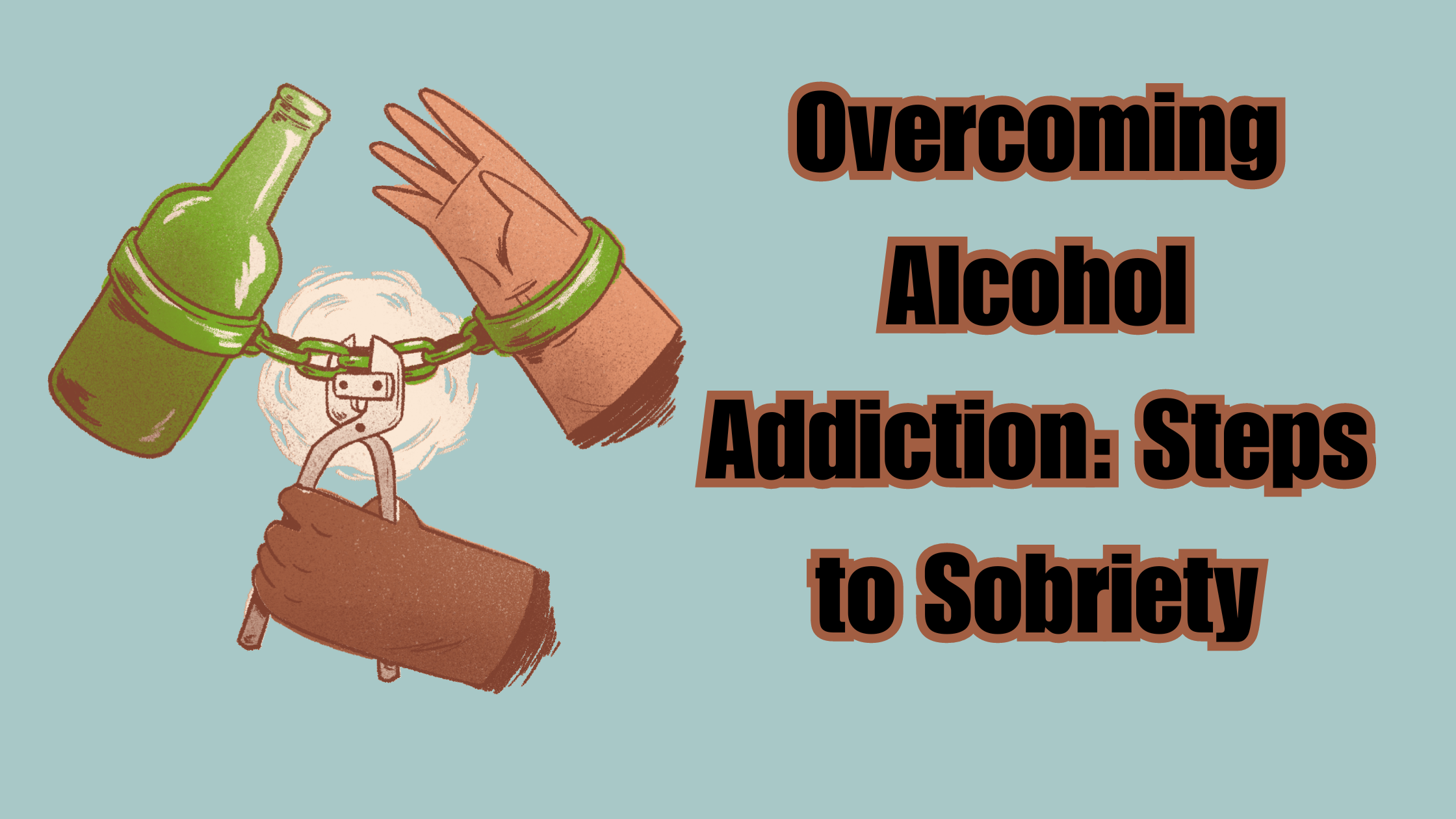
Dealing with alcohol addiction might feel overwhelming, but it’s possible to overcome it with determination and support. In this article, we’ll explore practical strategies and steps that individuals can follow to conquer alcohol addiction and start their journey towards a sober life. Whether you’re struggling with alcohol dependence or supporting someone who is, understanding these strategies can make a significant difference in the recovery process. Let’s dive in and discover the path to sobriety together. Overcoming Alcohol Addiction.
Understanding Alcohol Addiction
Alcohol addiction, or alcoholism, is a long-lasting condition where a person feels a powerful need for alcohol, struggles to control how much they drink, and experiences discomfort when they’re not drinking. Recognizing the signs and symptoms of alcohol addiction is important for dealing with it effectively. This includes understanding the strong desire for alcohol, the inability to manage drinking habits, and the discomfort experienced when not consuming alcohol. Identifying these signs early can help individuals seek the support they need to overcome alcohol addiction and lead healthier lives.
Symptoms and Signs of Alcohol Addiction
Alcohol addiction presents itself uniquely in each person, but several common signs can indicate a problem:
- Increased tolerance: Over time, individuals may find they need to consume larger amounts of alcohol to feel the same effects they once did with smaller amounts.
- Loss of control: Despite wanting to cut down or stop drinking, individuals may find themselves unable to do so, often drinking more than they intended or for longer periods than planned.
- Neglecting responsibilities: Alcohol may begin to take precedence over important obligations such as work, family, or social commitments, leading to neglect of these responsibilities.
- Withdrawal symptoms: When attempting to quit or cut back on drinking, individuals may experience physical symptoms like shaking, sweating, nausea, or psychological symptoms such as anxiety or irritability.
Recognizing these signs early on is crucial for seeking help and beginning the journey towards recovery from alcohol addiction. With support and proper treatment, individuals can regain control of their lives and achieve sobriety.
The Effects of Alcohol Abuse
The consequences of alcohol abuse extend beyond just physical health to affect mental well-being as well:
Physical Effects:
Alcohol abuse over a long period can result in serious health conditions including liver disease, heart problems, and damage to the nervous system. The liver, responsible for processing alcohol, can become damaged, leading to conditions like cirrhosis. Additionally, excessive drinking can harm the heart, leading to high blood pressure and an increased risk of stroke or heart attack. Neurological damage can also occur, affecting coordination and cognitive function.
Psychological Effects:
Alcohol dependence can worsen mental health conditions such as depression and anxiety disorders. Excessive alcohol consumption alters brain chemistry, leading to mood disturbances and exacerbating existing mental health issues. Cognitive impairment is also common, affecting memory, reasoning, and decision-making abilities. These psychological effects can significantly impact overall well-being and quality of life. Seeking help and support is essential for addressing both the physical and psychological consequences of alcohol abuse.
Overcoming Alcohol Addiction: Steps to Sobriety
Admitting the Problem
Recognizing that there’s an issue with alcohol consumption is the initial step. It involves acknowledging the negative impacts alcohol has on one’s life, relationships, and overall well-being. Accepting the problem opens the door to seeking assistance and making positive changes.
Seeking Professional Help:
Consulting healthcare professionals or addiction specialists offers personalized support and guidance. These professionals can assess the severity of the addiction, provide medical assistance for withdrawal symptoms if necessary, and create a tailored treatment plan. Seeking professional help increases the likelihood of successful recovery as it provides access to resources, therapies, and medications designed to address alcohol addiction effectively. With the support of trained professionals, individuals can navigate the challenges of recovery and work towards achieving sobriety.
Developing Coping Mechanisms:
Learning healthy ways to deal with stress, cravings, and emotional triggers is key for maintaining long-term sobriety. This may involve techniques such as deep breathing, mindfulness exercises, or engaging in hobbies or activities that provide distraction and fulfillment. Developing effective coping strategies helps individuals manage difficult situations without turning to alcohol for relief.
Creating a Support Network:
Building a support system of understanding and supportive individuals is crucial for recovery. This network can include friends, family members, or participation in support groups like Alcoholics Anonymous. Surrounding oneself with people who offer encouragement, empathy, and accountability provides a strong foundation for navigating the challenges of recovery. Supportive relationships offer companionship, understanding, and guidance, making the journey towards sobriety more manageable and fulfilling.
Avoiding Triggers:
Identifying and steering clear of situations, places, or people that prompt the desire to drink helps reduce the likelihood of relapse. This may involve avoiding bars, parties where alcohol is prevalent, or individuals who encourage drinking.
Pursuing Healthy Activities:
Engaging in activities that bring joy and fulfillment, such as hobbies, exercise, or creative pursuits, promotes overall well-being. These activities offer healthy outlets for stress relief, distraction, and enjoyment, serving as alternative sources of pleasure to alcohol.
Celebrating Milestones:
Recognizing and celebrating milestones in the recovery journey, whether big or small, boosts self-confidence and reinforces progress. This could involve acknowledging periods of sobriety, achieving personal goals, or overcoming challenges. Celebrating these achievements reinforces the commitment to sobriety and motivates continued progress towards a fulfilling, alcohol-free life.
FAQs
Q: Can I overcome alcohol addiction on my own?
A: Yes, but seeking professional help increases the likelihood of successful recovery.
Q: What should I do if I experience withdrawal symptoms?
A: Seek medical assistance immediately to manage symptoms safely.
Q: How can I support a loved one struggling with alcohol addiction?
A: Offer empathy, encouragement, and assistance in finding appropriate treatment resources.
Q: Is relapse a common occurrence during recovery?
A: Relapse can happen, but it’s essential to view setbacks as opportunities to learn and recommit to sobriety.
Q: What role does therapy play in alcohol addiction treatment?
A: Therapy, such as cognitive-behavioral therapy (CBT), helps individuals address underlying issues contributing to addiction and develop coping skills.
Q: Are there medications available to assist with alcohol addiction treatment?
A: Yes, certain medications can help reduce cravings and manage withdrawal symptoms under medical supervision.
Overcoming alcohol addiction requires dedication, perseverance, and support. By implementing these steps and seeking professional assistance when needed, individuals can embark on a journey towards sobriety and reclaim control over their lives.
Reference:
- “Understanding Alcohol Addiction.” National Institute on Alcohol Abuse and Alcoholism, U.S. Department of Health and Human Services, www.niaaa.nih.gov/alcohol-health/overview-alcohol-consumption/alcohol-use-disorders.
- “Alcoholism Signs and Symptoms.” Alcohol Rehab Guide, www.alcoholrehabguide.org/alcohol/signs-symptoms/.
- “The Effects of Alcohol Abuse on Your Body.” Healthline, www.healthline.com/health/alcohol/effects-on-body.
- “Alcoholism Treatment: Seek Help for Alcohol Addiction.” Mayo Clinic, www.mayoclinic.org/diseases-conditions/alcohol-use-disorder/diagnosis-treatment/drc-20369250.
- “Coping Strategies for Alcohol Addiction.” Substance Abuse and Mental Health Services Administration, www.samhsa.gov/find-help/recovery.
- “Support Groups for Alcoholism.” Alcoholics Anonymous, www.aa.org/.
- “Preventing Alcohol Relapse: Triggers and Cravings.” Verywell Mind, www.verywellmind.com/how-to-prevent-relapse-63584.
- “The Importance of Celebrating Sobriety Milestones.” Addiction Center, www.addictioncenter.com/community/importance-celebrating-sobriety-milestones/.