Prevention from Suicide, Addiction, Narcotics and Pollution. Withdrawal and Recovery Facts of Narcotics | Symptoms of Suicidal thoughts & Ideations | Effects of Environment Pollution | Understand Addiction withdrawal
A narcotics overdose occurs when an individual consumes a dangerous amount of narcotic drugs, leading to severe health complications or death. Immediate medical intervention is crucial to prevent fatal outcomes.
Narcotics, also known as opioids, include drugs like heroin, fentanyl, and prescription painkillers. These substances can be highly addictive and are often misused. Overdose symptoms may include shallow breathing, unconsciousness, and pinpoint pupils. Quick recognition of these signs is vital for effective treatment.
Overdoses can happen due to various reasons, such as taking high doses, mixing drugs, or using contaminated substances. Public awareness and education about the risks of narcotics overdose play a critical role in prevention. Access to resources like naloxone, a life-saving medication, can also help reduce fatalities.
What Is Narcotics Overdose
Narcotics overdose occurs when someone takes a large amount of narcotics, surpassing their body’s tolerance level. This can be life-threatening and requires immediate medical attention. Understanding the signs and symptoms of a narcotics overdose is crucial for timely intervention.
Signs And Symptoms
Recognizing the signs and symptoms of a narcotics overdose can save lives. Here are some common indicators:
- Extreme drowsiness: The person may be unable to stay awake or respond.
- Slow or troubled breathing: Breathing may become shallow or stop entirely.
- Pinpoint pupils: The pupils may become very small, even in low light.
- Cold, clammy skin: The skin may feel cold and sweaty to the touch.
- Blue lips or fingernails: The lack of oxygen can cause a bluish tint.
- Weak pulse: The heart rate may slow down significantly.
- Confusion or stupor: The person may be disoriented or unconscious.
Below is a table summarizing the symptoms:
| Symptom | Description |
|---|---|
| Extreme drowsiness | Unable to stay awake or respond |
| Slow or troubled breathing | Shallow or stopped breathing |
| Pinpoint pupils | Very small pupils |
| Cold, clammy skin | Cold and sweaty skin |
| Blue lips or fingernails | Bluish tint due to lack of oxygen |
| Weak pulse | Significantly slow heart rate |
| Confusion or stupor | Disorientation or unconsciousness |
Immediate Effects
The immediate effects of a narcotics overdose can be severe and life-threatening. These effects occur quickly and require rapid response:
- Respiratory depression: Breathing may become very slow or stop, leading to a lack of oxygen.
- Cardiac arrest: The heart may stop beating, resulting in sudden death if untreated.
- Loss of consciousness: The person may faint or become unresponsive.
- Seizures: Overdose can trigger convulsions or seizures.
- Coma: The person may slip into a coma, a prolonged state of unconsciousness.
Interventions like administering naloxone can reverse the effects of a narcotics overdose. Calling emergency services immediately can also save lives. Witnesses should perform CPR if the person is not breathing.
Below is a summary table for quick reference:
| Immediate Effect | Description |
|---|---|
| Respiratory depression | Very slow or stopped breathing |
| Cardiac arrest | Heart stops beating |
| Loss of consciousness | Unresponsive or fainting |
| Seizures | Convulsions or seizures |
| Coma | Prolonged state of unconsciousness |
Causes Of Overdose
Narcotics overdose is a serious and life-threatening condition. Understanding the causes of overdose can help prevent it. Overdose happens when a person takes too much of a drug, leading to harmful effects. The major causes include drug interactions and high dosage.
Drug Interactions
Drug interactions occur when different drugs are taken together, enhancing or diminishing their effects. These interactions can increase the risk of overdose.
Common drug interactions include:
- Opioids and Benzodiazepines: This combination can depress the central nervous system, leading to slowed breathing and heart rate.
- Alcohol and Narcotics: Alcohol can enhance the effects of narcotics, making an overdose more likely.
- Prescription Medications: Some prescription drugs can interact with narcotics, increasing the risk of overdose.
Doctors may not always know all the substances a patient is taking. This makes it essential for individuals to inform their healthcare providers about all medications they use.
Key Points to Remember:
- Always tell your doctor about all the drugs you are taking.
- Avoid mixing narcotics with alcohol or other depressants.
- Be aware of the signs of overdose, such as difficulty breathing and unresponsiveness.
High Dosage
Taking a high dosage of narcotics can overwhelm the body’s ability to process the drug. This can lead to overdose and potentially fatal consequences.
Factors that contribute to high dosage overdose:
- Misjudging Tolerance: People may take more narcotics than their body can handle, especially if they have not used the drug in a while.
- Prescription Errors: Sometimes, incorrect dosages are prescribed or taken mistakenly.
- Illicit Drug Use: Street drugs often contain unknown and potent substances, making dosage control difficult.
It is important to follow the prescribed dosage strictly. Even a slight increase can lead to overdose.
Safety Tips:
- Always take narcotics exactly as prescribed.
- If unsure about the dosage, consult your doctor or pharmacist.
- Be cautious with street drugs; their potency can vary greatly.
Risk Factors
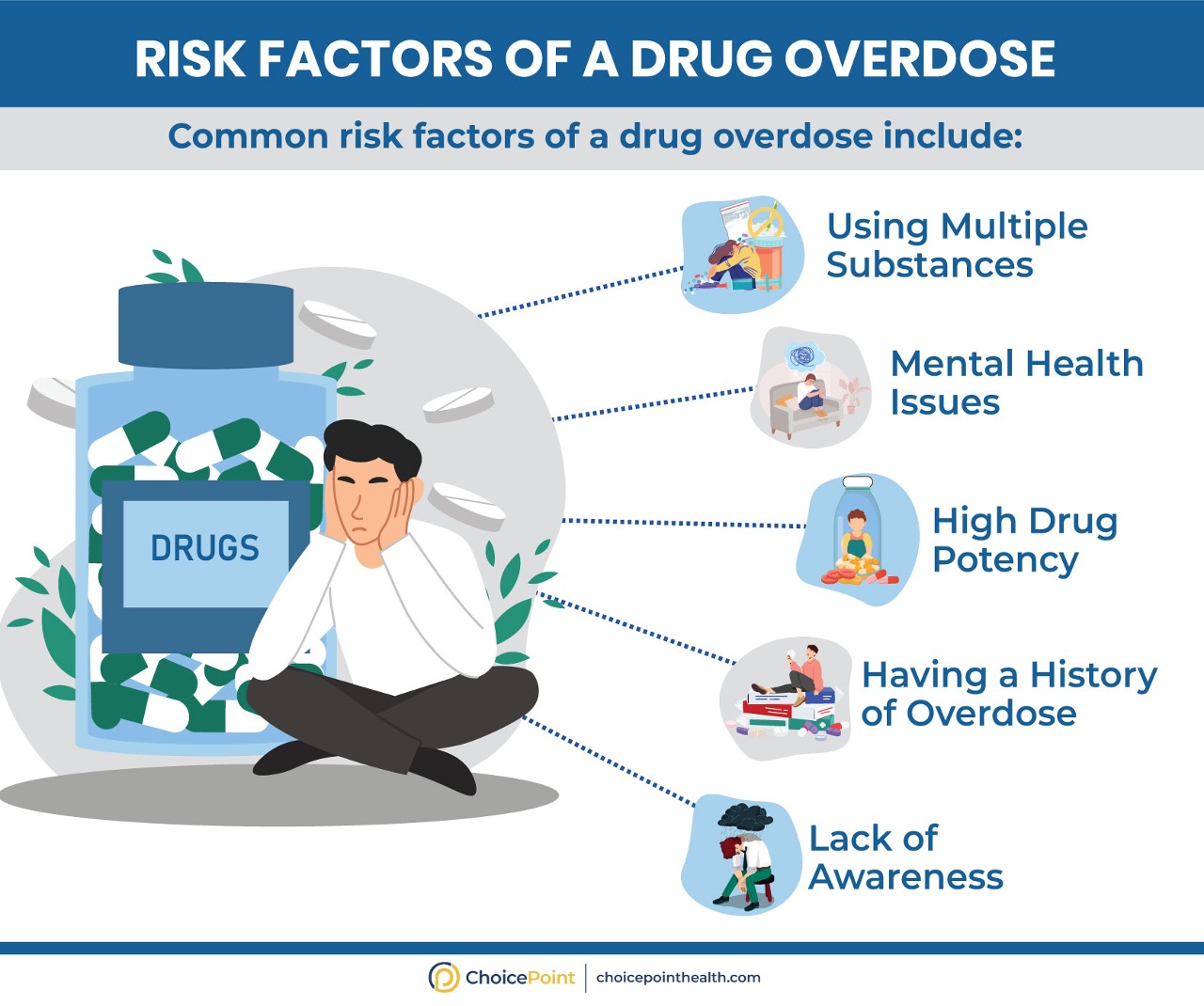
Narcotics overdose is a serious issue that affects millions worldwide. Understanding the risk factors can help in preventing such tragic events. This section delves into the key risk factors associated with narcotics overdose.
Age And Gender
The age and gender of individuals play a significant role in the risk of narcotics overdose. Statistics show that certain age groups are more vulnerable.
Teens and young adults are particularly at risk due to experimentation and peer pressure. Older adults also face a high risk because of prescription medications for chronic pain.
Gender differences also influence overdose risks:
- Men are more likely to overdose on narcotics due to higher rates of substance use.
- Women may be more susceptible to prescription drug overdoses.
A table summarizing these differences:
| Age Group | Risk Factors |
|---|---|
| Teens (13-19) | Experimentation, peer pressure |
| Young Adults (20-29) | Social settings, recreational use |
| Older Adults (60+) | Chronic pain, prescription medications |
History Of Substance Use
A person’s history of substance use greatly impacts their risk of overdose. Those with a past of substance abuse are at a higher risk.
Key factors include:
- Previous Overdoses: Individuals who have overdosed before are more likely to do so again.
- Polydrug Use: Using multiple substances increases the risk.
- Duration of Use: Long-term users have a higher tolerance, leading to higher doses.
Here’s a breakdown:
| Factor | Impact |
|---|---|
| Previous Overdoses | Higher likelihood of repeated overdose |
| Polydrug Use | Compounded effects of multiple substances |
| Long-term Use | Increased tolerance, higher doses |
Understanding these risk factors can help in creating effective prevention strategies.
Prevention Strategies
Narcotics overdose is a critical issue affecting many lives today. Prevention strategies play a vital role in reducing the risk of overdose and saving lives. By focusing on key areas like education and awareness, as well as safe storage practices, communities can work together to combat this growing problem.
Education And Awareness
Education and awareness are fundamental in preventing narcotics overdose. People need to understand the dangers associated with narcotics use. Educational programs can make a significant impact on different age groups.
Here are some effective strategies:
- School Programs: Schools can include lessons about the risks of narcotics.
- Community Workshops: Hosting workshops in community centers can help educate parents and guardians.
- Public Service Announcements: Creating announcements on TV, radio, and social media can reach a wider audience.
These strategies ensure that everyone, from young children to adults, is informed about the risks. Awareness campaigns can use real-life stories to illustrate the dangers and consequences of narcotics misuse.
The table below highlights the differences in knowledge levels before and after educational interventions:
| Knowledge Level | Before Intervention | After Intervention |
|---|---|---|
| Understanding Risks | Low | High |
| Safe Practices | Low | High |
| Emergency Response | Low | High |
Safe Storage Practices
Safe storage practices are crucial in preventing unauthorized access to narcotics. Proper storage reduces the risk of accidental ingestion, especially by children.
Consider these tips:
- Use Lockable Containers: Store narcotics in lockable containers to keep them out of reach.
- Label Clearly: Clearly label all medications to avoid confusion.
- Dispose Properly: Follow guidelines for disposing of unused or expired narcotics.
Parents and caregivers should be vigilant about where and how they store narcotics. Keeping narcotics in a secure location can prevent accidents and misuse.
Here is a quick reference table for safe storage practices:
| Practice | Description |
|---|---|
| Lockable Containers | Use containers with locks to store narcotics. |
| Clear Labeling | Label all medications clearly to avoid mix-ups. |
| Proper Disposal | Dispose of unused narcotics following safety guidelines. |
By following these practices, households can significantly reduce the risk of narcotics overdose.
Treatment Options
An overdose from narcotics is life-threatening. Knowing the treatment options can save lives. These options include immediate actions and medical help. Understanding each step ensures the best possible outcome.
Emergency Response
Immediate response is crucial during a narcotics overdose. Quick actions can make a significant difference. Here’s what to do:
- Call 911: Always contact emergency services first.
- Administer Naloxone: If available, Naloxone can reverse the effects of an overdose.
- Check for Breathing: Ensure the person is breathing and has a pulse.
- Perform CPR: If the person is not breathing, start CPR.
- Stay with the Person: Never leave an overdose victim alone. Stay until help arrives.
Having a Naloxone kit can save lives. Learn how to use it correctly. Training can make you confident during emergencies.
| Action | Importance |
|---|---|
| Call 911 | Provides professional help |
| Administer Naloxone | Reverses overdose effects |
| Check Breathing | Ensures oxygen supply |
| Perform CPR | Keeps heart and lungs working |
| Stay with Person | Prevents further harm |
Medical Interventions
Once in the hospital, doctors use several methods to treat overdoses:
- Activated Charcoal: This prevents the body from absorbing more drugs.
- Intravenous Fluids: These help maintain blood pressure and hydration.
- Medications: Doctors may use drugs to reverse the overdose effects.
- Oxygen Therapy: This ensures the brain gets enough oxygen.
- Monitoring: Continuous monitoring of vital signs is essential.
Doctors may use a combination of treatments based on the situation. Each case is unique and requires a tailored approach.
Below is a list of common medical interventions:
- Administering antidotes
- Stabilizing the patient
- Treating complications
- Providing supportive care
Early treatment improves recovery chances. Knowing what to expect can reduce anxiety and prepare you for emergencies.
Long-term Effects
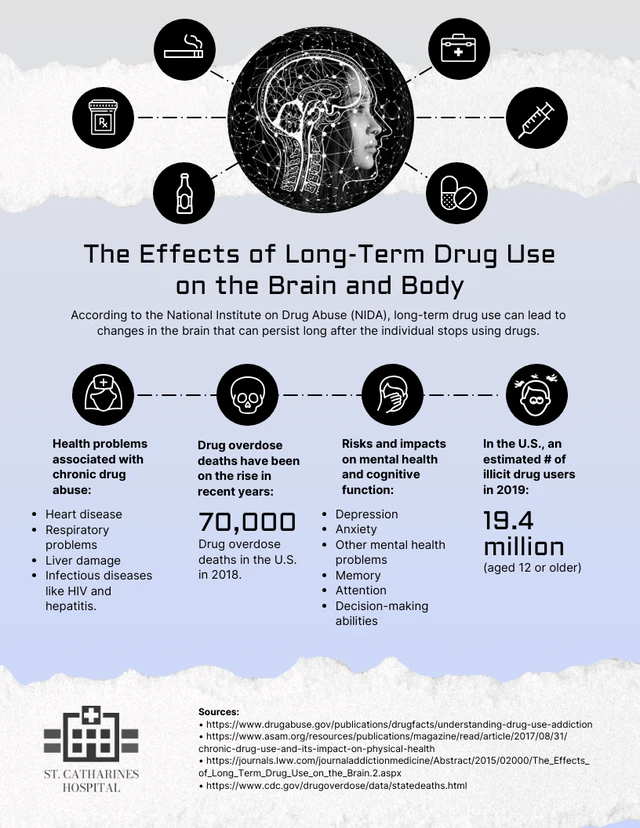
Narcotics overdose is a serious issue affecting millions worldwide. The immediate effects are often dangerous, but the long-term consequences can be even more devastating. Understanding the long-term effects of a narcotics overdose is crucial for prevention and recovery.
Physical Health Issues
A narcotics overdose can lead to various long-term physical health issues. These issues often persist long after the initial overdose incident.
Some of the most common physical health problems include:
- Organ Damage: The liver and kidneys often suffer significant damage due to the toxins in narcotics.
- Respiratory Issues: Chronic breathing problems can develop, making everyday activities difficult.
- Cardiovascular Problems: Heart diseases and high blood pressure are common in long-term users.
Below is a table summarizing these physical health issues:
| Health Issue | Description |
|---|---|
| Organ Damage | Damage to liver and kidneys from toxins |
| Respiratory Issues | Chronic breathing problems |
| Cardiovascular Problems | Heart diseases and high blood pressure |
Mental Health Implications
The mental health implications of a narcotics overdose can be severe and long-lasting.
Some of the most common mental health issues include:
- Depression: Many individuals experience persistent feelings of sadness and hopelessness.
- Anxiety: Overdose survivors often suffer from chronic anxiety and panic attacks.
- Cognitive Impairment: Difficulty concentrating and memory loss can affect daily life.
The following table provides a summary of these mental health implications:
| Mental Health Issue | Description |
|---|---|
| Depression | Persistent feelings of sadness and hopelessness |
| Anxiety | Chronic anxiety and panic attacks |
| Cognitive Impairment | Difficulty concentrating and memory loss |
Understanding these long-term effects is key to providing the support and treatment needed for recovery.
Support Systems
Narcotics overdose is a serious issue affecting many individuals and families. Support systems play a crucial role in helping people recover and lead healthier lives. These systems provide emotional, psychological, and practical support to those in need. Two main components of these support systems are counseling services and support groups. Both offer unique benefits and resources that can make a significant difference in the recovery journey.
Counseling Services
Counseling services are essential for individuals dealing with narcotics overdose. They provide a safe space for people to talk about their experiences and feelings. Trained professionals guide them through the recovery process, offering tools and strategies to manage their addiction. Here are some key aspects of counseling services:
- Individual Therapy: One-on-one sessions with a counselor to address personal issues and set recovery goals.
- Family Counseling: Involves family members to help rebuild trust and improve communication.
- Behavioral Therapy: Focuses on changing harmful behaviors and developing healthier habits.
Counseling services are often tailored to meet the unique needs of each individual. This personalized approach ensures that the treatment is effective and relevant. A table below highlights different types of counseling services and their benefits:
| Type of Counseling | Benefits |
|---|---|
| Individual Therapy | Personalized attention, goal setting, emotional support |
| Family Counseling | Improved relationships, better communication, family support |
| Behavioral Therapy | Behavior modification, healthier habits, relapse prevention |
Counseling services are a cornerstone of recovery support systems. They offer a structured and supportive environment for individuals to heal and grow.
Support Groups
Support groups provide a community of individuals who share similar experiences. These groups offer a sense of belonging and understanding. They are a vital part of the recovery process for many people. Here are some benefits of support groups:
- Shared Experiences: Members can relate to each other’s struggles and successes.
- Peer Support: Encouragement and advice from those who have been through similar situations.
- Accountability: Regular meetings help members stay committed to their recovery goals.
Support groups come in various forms, such as 12-step programs and online communities. They provide a platform for open discussion and mutual support. Here is a table outlining different types of support groups and their features:
| Type of Support Group | Features |
|---|---|
| 12-Step Programs | Structured approach, spiritual focus, regular meetings |
| Online Communities | Accessibility, anonymity, diverse membership |
| Peer-Led Groups | Informal setting, peer leadership, shared responsibilities |
Support groups offer a valuable network of peers who understand the challenges of overcoming a narcotics overdose. They provide continuous support and motivation, making the journey to recovery more manageable.

Prevention Of Narcotics Overdose
Narcotics overdose is a serious and growing problem. It can lead to severe health issues or even death. Preventing an overdose is crucial. Various strategies can help keep people safe and reduce the risks associated with narcotics.
Safe Use Of Prescription Drugs
Safe use of prescription drugs is essential. This helps to avoid overdoses. Always follow the doctor’s instructions. Don’t take more than the recommended dose. Never mix drugs with alcohol. Store medications safely out of reach of children and pets.
Here are some tips for safe use:
- Read labels carefully and follow the dosage instructions.
- Don’t share medications with others.
- Keep a medication log to track doses and times.
- Dispose of unused medication properly to prevent misuse.
A table summarizing safe practices:
| Safe Practice | Description |
|---|---|
| Read Labels | Follow dosage instructions. |
| Don’t Share | Medications are for prescribed individuals only. |
| Medication Log | Track doses and times to avoid mistakes. |
| Proper Disposal | Dispose of unused meds safely. |
Education And Awareness
Education and awareness are key to preventing narcotics overdose. People need to understand the risks. They should know the signs of overdose and how to respond.
Here are some ways to spread awareness:
- School programs that teach students about drug safety.
- Public service announcements on TV and radio.
- Community workshops that provide valuable information.
- Online resources for easy access to information.
Important points to cover in education sessions:
- Effects of narcotics on the body and mind.
- Warning signs of an overdose.
- Steps to take if someone overdoses.
- Resources available for help and support.
Treatment Options For Addiction
Treatment options for addiction are available. These can help people recover and avoid overdoses. Medical professionals can provide various treatments based on individual needs.
Common treatment options include:
- Detox programs to safely remove drugs from the body.
- Counseling to address mental health issues.
- Medication-assisted treatment to reduce cravings.
- Support groups for peer encouragement and advice.
Each treatment has its benefits:
| Treatment | Benefit |
|---|---|
| Detox Programs | Safe removal of drugs from the body. |
| Counseling | Address mental health issues. |
| Medication-Assisted Treatment | Reduces cravings and withdrawal symptoms. |
| Support Groups | Peer encouragement and advice. |
Seeking treatment early can save lives and prevent overdoses.
Future Trends
Narcotics overdose remains a critical issue worldwide. The landscape of drug abuse is continuously evolving. Understanding future trends can help us address this crisis effectively. This section explores emerging drugs and policy changes to combat narcotics overdose.
Emerging Drugs
New drugs are constantly entering the market. These emerging drugs pose a significant threat. Synthetic opioids are particularly dangerous. These drugs are often more potent than traditional opioids.
Some of the emerging drugs include:
- Fentanyl analogs: Even more potent than fentanyl.
- Designer benzodiazepines: Unregulated and highly addictive.
- Novel psychoactive substances (NPS): Often sold as legal highs.
Below is a table summarizing the key characteristics of these emerging drugs:
| Drug Type | Potency | Risks |
|---|---|---|
| Fentanyl Analogs | Extremely High | Overdose, Death |
| Designer Benzodiazepines | High | Addiction, Withdrawal Symptoms |
| Novel Psychoactive Substances | Variable | Unknown Health Risks |
These new drugs are often hard to detect. Their chemical structures can vary. This makes regulation and control challenging. Public awareness and education are crucial. Understanding these emerging threats can save lives.
Policy Changes
Policy changes play a vital role in combating narcotics overdose. Governments worldwide are adapting their strategies. Stricter regulations on prescription opioids are being implemented.
Key policy changes include:
- Prescription Monitoring Programs (PMPs): Track prescribed narcotics.
- Increased Funding for Treatment: Support for rehab centers.
- Decriminalization of Drug Use: Focus on treatment over punishment.
Below is a summary of these policy changes:
| Policy | Purpose | Impact |
|---|---|---|
| Prescription Monitoring Programs | Track and control narcotic prescriptions | Reduce misuse and abuse |
| Increased Funding for Treatment | Support addiction recovery | Lower relapse rates |
| Decriminalization of Drug Use | Focus on health and treatment | Reduce stigma, increase rehab access |
These policy changes aim to reduce narcotics overdose. Community involvement is also essential. Everyone has a role to play in addressing this crisis. Together, we can make a difference.
Credit: www.tpoftampa.com
Frequently Asked Questions
What Happens With A Narcotic Overdose?
A narcotic overdose can cause slow breathing, unconsciousness, and potentially death. Immediate medical attention is critical. Symptoms include confusion, drowsiness, and constricted pupils. Naloxone can reverse effects.
What Is The Triad Of Narcotic Overdose?
The triad of narcotic overdose includes pinpoint pupils, respiratory depression, and unconsciousness. Prompt medical attention is crucial.
How Much Narcotics Is Too Much?
Too much narcotics varies per individual. Exceeding prescribed doses can lead to overdose. Always follow medical advice.
What Are Three Signs Of Opioid Overdose?
Three signs of opioid overdose include slow or no breathing, extreme drowsiness, and unresponsiveness or inability to wake up.
Conclusion
Understanding the signs of a narcotics overdose can save lives. Stay informed and act quickly in emergencies. Encourage open conversations about drug use and its risks. By spreading awareness, we can help prevent tragedies. Remember, knowledge and prompt action are key in combating narcotics overdose.
Stay safe and vigilant.