Prevention from Suicide, Addiction, Narcotics and Pollution. Withdrawal and Recovery Facts of Narcotics | Symptoms of Suicidal thoughts & Ideations | Effects of Environment Pollution | Understand Addiction withdrawal
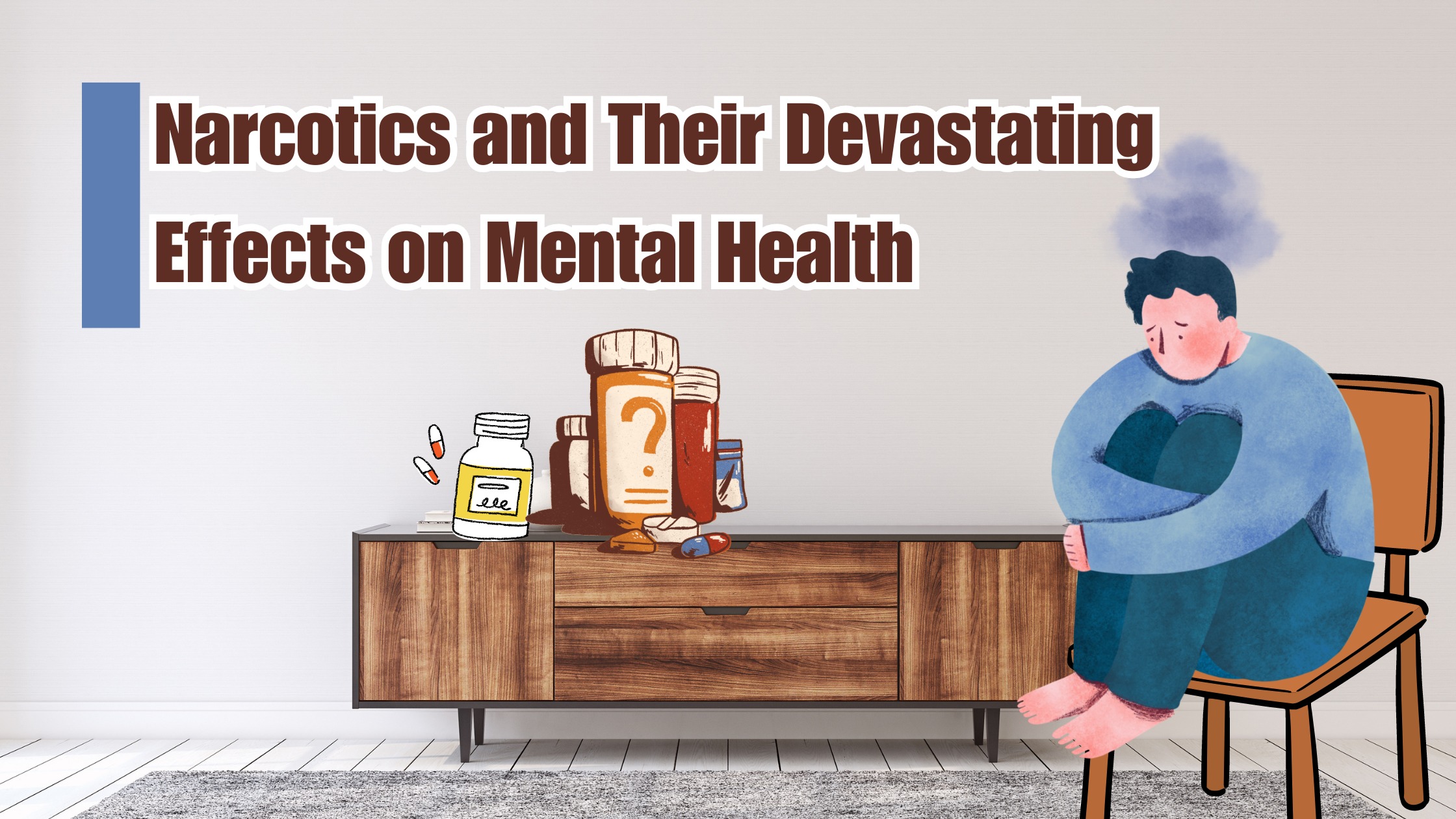
Narcotics, which are often confused with opioids, are a group of drugs that work on the central nervous system to relieve pain and make people feel good. Even though they were first prescribed for medical reasons, drugs have become a major public health problem, mostly because they are addicting and bad for mental health. This article delves into the complicated world of drugs and looks at how they can help while also being dangerous. By getting into the complicated issues surrounding drugs, we hope to raise awareness and start smart conversations about how they can be used, abused, and the possible outcomes. Let’s start a journey to understand the complex nature of drugs, find safer ways to use them, and make rules about them.
Definition of Narcotics
Narcotics are a diverse group of drugs that includes opioids, such as heroin, and prescription painkillers like oxycodone. They work by binding to opioid receptors in the brain, effectively reducing the perception of pain. Stimulants like cocaine and methamphetamine are also considered narcotics, as they stimulate the central nervous system, increasing alertness and energy. Depressants like benzodiazepines and barbiturates act as sedatives, calming nerves and inducing relaxation. Despite their therapeutic uses, narcotics carry a high risk of addiction and dependency. Prolonged use can lead to tolerance, requiring higher doses to achieve the same effect, and withdrawal symptoms upon cessation.
Brief Overview of Their Impact on Mental Health
The misuse and abuse of narcotics can have very bad effects on mental health. Addiction is a long-term brain disease that usually happens after using drugs for a long time. It is marked by compulsive drug-seeking behavior, even when it hurts others. Mood disorders like depression and anxiety often happen at the same time as drug abuse, which makes mental health worse. Cognitive impairment, such as memory loss and trouble focusing, is also common in long-term users. Also, abusing drugs can lead to psychosis, a serious mental illness characterized by delusions, hallucinations, and jumbled thoughts. These mental health problems show how important early intervention and comprehensive treatment plans are for people who are abusing drugs.
Types of Narcotics
Opioids
Opioids, such as heroin and prescription painkillers like oxycodone and fentanyl, are among the most commonly abused narcotics.
Stimulants
Stimulants, like cocaine and methamphetamine, increase alertness and energy but can lead to severe psychological dependence.
Depressants
Depressants, including benzodiazepines and barbiturates, slow down brain activity and can cause relaxation and euphoria.
Effects of Narcotics on Mental Health
Addiction and Dependence
Narcotics can lead to addiction and dependence, characterized by compulsive drug-seeking behavior and an inability to control drug use.
Mood Disorders
Chronic narcotic use is associated with mood disorders such as depression and anxiety, which can exacerbate existing mental health conditions.
Cognitive Impairment
Long-term narcotic abuse can impair cognitive function, leading to memory loss, decreased concentration, and impaired decision-making abilities.
Psychosis
In some cases, narcotics can induce psychotic symptoms, including hallucinations, delusions, and paranoia, particularly with prolonged use or high doses.
Neurobiological Mechanisms
Dopamine and Serotonin Imbalance
Narcotics disrupt the brain’s natural balance of neurotransmitters, such as dopamine and serotonin, which play key roles in mood regulation and reward pathways.
Brain Structure Changes
Chronic narcotic use can alter the structure and function of the brain, particularly areas involved in decision-making, impulse control, and emotional regulation.
Neurotransmitter Disruption
Narcotics interfere with the release and reuptake of neurotransmitters, disrupting communication between nerve cells and leading to dysfunctional neural circuits.
Co-occurring Mental Health Disorders
Anxiety Disorders
Individuals abusing narcotics are at an increased risk of developing anxiety disorders, characterized by excessive worry, fear, and nervousness.
Depression
Those who struggle with narcotic addiction frequently experience depression, which the cycle of drug use and withdrawal frequently exacerbates.
Post-traumatic Stress Disorder (PTSD)
Narcotic abuse can worsen symptoms of PTSD, a condition characterized by intrusive memories, hypervigilance, and emotional numbing.
Treatment Options
Medication-Assisted Treatment
Medications like methadone and buprenorphine can help with cravings and withdrawal symptoms from drugs of abuse, which can speed up the recovery process.
Psychotherapy
Therapeutic interventions, including cognitive-behavioral therapy (CBT) and motivational interviewing, address underlying psychological issues and promote behavioral change.
Support Groups
Peer support groups, such as Narcotics Anonymous, offer a safe place to meet other people going through similar experiences and helpful coping mechanisms for staying sober.
Preventive Measures
Education and Awareness
Raising awareness about the risks of narcotic abuse and promoting responsible medication use can help prevent substance use disorders.
Regulation and Control of Narcotics
Implementing stricter regulations on prescription narcotics and illicit drugs can limit access and curb the opioid epidemic.
Access to Mental Health Resources
Improving access to mental health services, including counseling and treatment programs, ensures that individuals struggling with addiction receive the support they need. Narcotics and Their Devastating Effects on Mental Health.
Impact on Society
Economic Burden
The societal costs of narcotic abuse, including healthcare expenses, lost productivity, and criminal justice involvement, are substantial and far-reaching.
Social Stigma
Despite efforts to reduce stigma, individuals with substance use disorders often face discrimination and barriers to treatment and recovery.
Legal Implications
The illicit production and distribution of narcotics contribute to crime rates and strain law enforcement resources, necessitating comprehensive drug policies and enforcement measures.
Case Studies
Personal Stories of Individuals Affected by Narcotics
Sharing firsthand accounts of addiction and recovery highlights the human impact of narcotic abuse and inspires hope for recovery.
Successful Recovery Journeys
Highlighting success stories of individuals who have overcome narcotic addiction underscores the importance of early intervention and comprehensive treatment approaches.
Conclusion
The devastating effects of narcotics on mental health cannot be overstated. From addiction and mood disorders to cognitive impairment and psychosis, the impact of narcotic abuse is profound and far-reaching. It is imperative that we prioritize prevention, treatment, and support efforts to address this pressing public health crisis.
FAQs
- What are the signs of narcotic addiction?
Signs of narcotic addiction may include increased tolerance, withdrawal symptoms, neglect of responsibilities, and social withdrawal.
- How do narcotics affect the brain?
Narcotics disrupt brain chemistry, leading to changes in mood, behavior, and cognitive function.
- Are there alternative pain management strategies to narcotics?
Yes, alternative pain management strategies include physical therapy, acupuncture, mindfulness techniques, and non-opioid medications.
- Can narcotic addiction be treated successfully?
Yes, narcotic addiction can be treated successfully with a combination of medication, therapy, and support services.
- What are the long-term consequences of narcotic abuse?
Long-term consequences of narcotic abuse may include physical health problems, social isolation, financial difficulties, and legal issues.
References:
- National Institute on Drug Abuse (NIDA). (2021). Commonly Used Drugs Charts. Retrieved from https://www.drugabuse.gov/drug-topics/commonly-used-drugs-charts
- Substance Abuse and Mental Health Services Administration (SAMHSA). (2020). Key Substance Use and Mental Health Indicators in the United States: Results from the 2019 National Survey on Drug Use and Health (HHS Publication No. PEP20-07-01-001, NSDUH Series H-55). Rockville, MD: Center for Behavioral Health Statistics and Quality, Substance Abuse and Mental Health Services Administration. Retrieved from https://www.samhsa.gov/data/report/2019-nsduh-annual-national-report
- American Psychiatric Association. (2013). Diagnostic and statistical manual of mental disorders (5th ed.). Arlington, VA: American Psychiatric Publishing.
- Volkow, N. D., & McLellan, A. T. (2016). Opioid Abuse in Chronic Pain — Misconceptions and Mitigation Strategies. New England Journal of Medicine, 374(13), 1253–1263. https://doi.org/10.1056/nejmra1507771
- Centers for Disease Control and Prevention (CDC). (2020). Understanding the Epidemic. Retrieved from https://www.cdc.gov/drugoverdose/epidemic/index.html
- National Institute on Drug Abuse (NIDA). (2021). Treatment Approaches for Drug Addiction. Retrieved from https://www.drugabuse.gov/publications/drugfacts/treatment-approaches-drug-addiction
- Substance Abuse and Mental Health Services Administration (SAMHSA). (2020). Behavioral Health Treatment Services Locator. Retrieved from https://findtreatment.samhsa.gov/
- National Institute of Mental Health (NIMH). (n.d.). Psychotherapies. Retrieved from https://www.nimh.nih.gov/health/topics/psychotherapies/index.shtml